A stove is one of the most used and essential appliances in every kitchen. Whether it’s preparing daily meals or cooking something special, the stove plays a vital role in maintaining a smooth cooking routine. But when the ignition spark suddenly stops working, it can bring everything to a halt. You turn the knob expecting that familiar click and spark, but nothing happens. This problem is not only inconvenient but can also signal deeper electrical or mechanical issues within your stove.
Understanding how the ignition system works and what can go wrong is the first step to solving the problem effectively. In most modern gas stoves, ignition systems are designed to create a spark when you turn the burner knob. This spark ignites the gas, producing the flame you cook with. When this mechanism fails, your stove might still release gas, but without a spark, the flame won’t ignite — which can be dangerous if not handled properly.
Understanding How Stove Ignition Systems Work
A gas stove’s ignition system relies on electricity to create a high-voltage spark. When you turn the burner knob, it activates a switch that sends power to the igniter. The igniter then generates the clicking sound and visible spark that lights the gas. In electric stoves, the ignition is integrated into the burner control. If the spark stops working, it usually indicates a fault in one of these areas — either a damaged switch, worn-out igniter, electrical connection problem, or moisture affecting the spark mechanism.
Unlike older models where you could use a match or lighter, modern gas stoves depend on automatic ignition. So when the spark system fails, cooking becomes difficult, and the appliance’s reliability drops significantly.
Common Causes Behind Ignition Spark Failure
While the stove ignition may appear simple, several underlying causes can prevent it from working properly. One of the most frequent reasons is dirt or grease buildup around the burner and igniter tip. Over time, food particles and oil can coat the electrodes, preventing them from producing a visible spark. Moisture is another major factor. After cleaning, if water seeps into the ignition area, it can short-circuit or block the spark temporarily.
Other issues include a damaged spark module or faulty wiring inside the stove. If the spark is weak, inconsistent, or absent, it might be due to worn-out components that need replacement. In some cases, the ignition switch inside the knob can malfunction, breaking the electrical connection that triggers the spark. Understanding these possibilities is important before attempting any fixes.

The Importance of Safety Before Fixing
Before checking or repairing your stove, safety must come first. Always disconnect the power source and ensure the gas supply is turned off. Even though it might seem like a minor issue, working around gas and electricity simultaneously requires caution. Gas leaks or short circuits can create dangerous situations. If you’re unsure or uncomfortable handling the problem yourself, it’s best to call a qualified technician.
Attempting to fix a gas ignition problem without proper tools or knowledge can worsen the issue. That’s why professional repair services are often recommended — they ensure the repair is done safely, effectively, and in compliance with safety standards.
How Professionals Fix Ignition Spark Issues
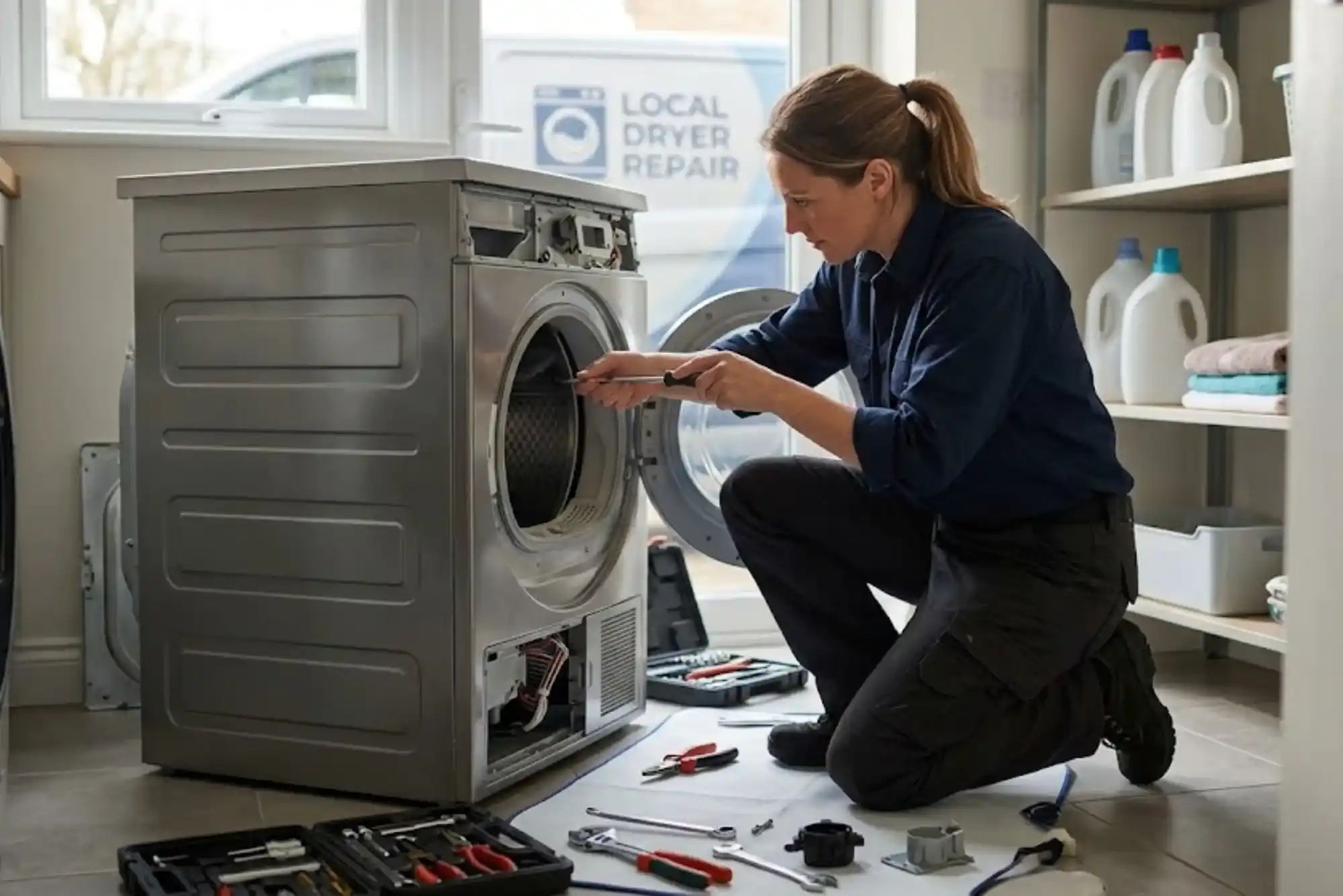
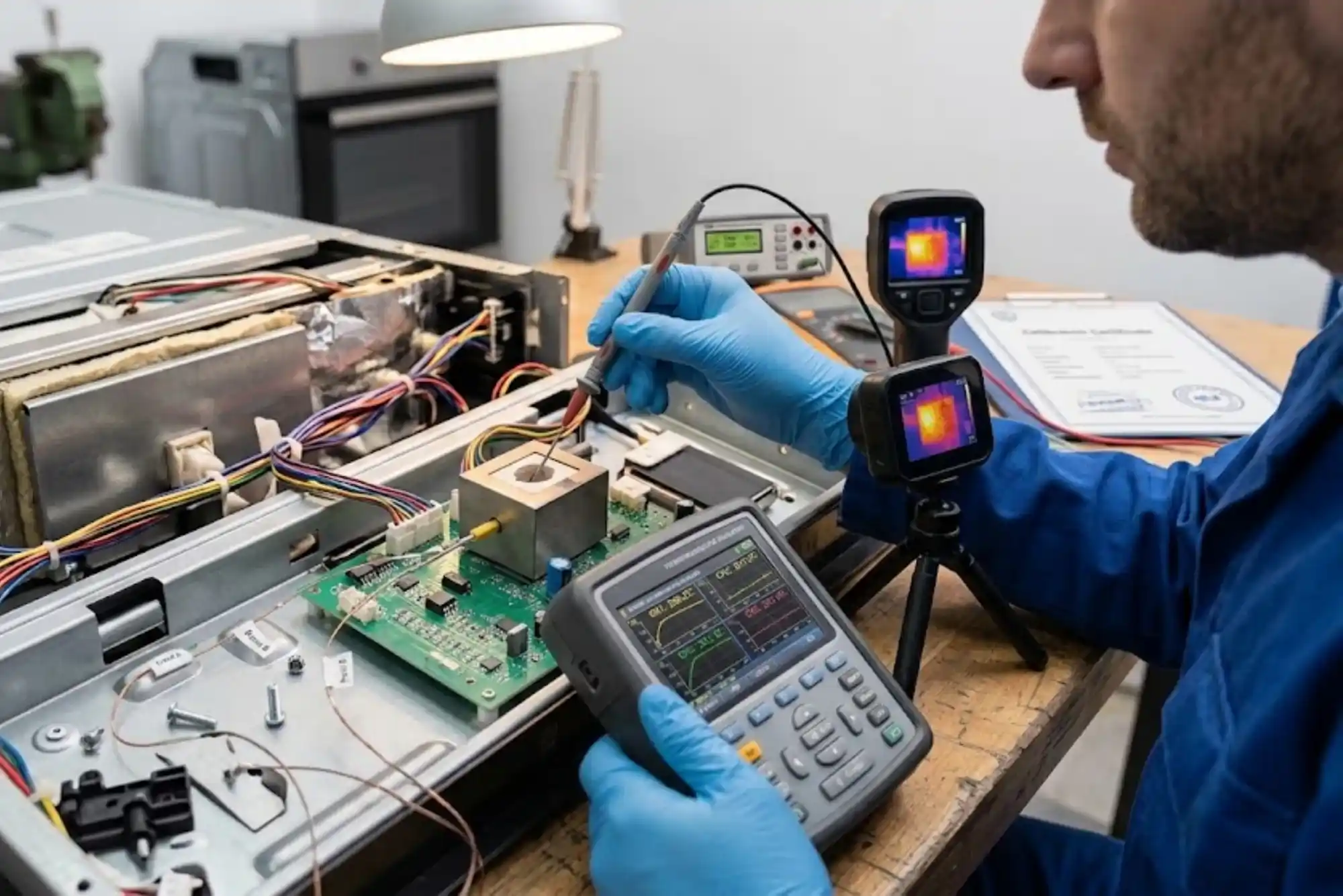
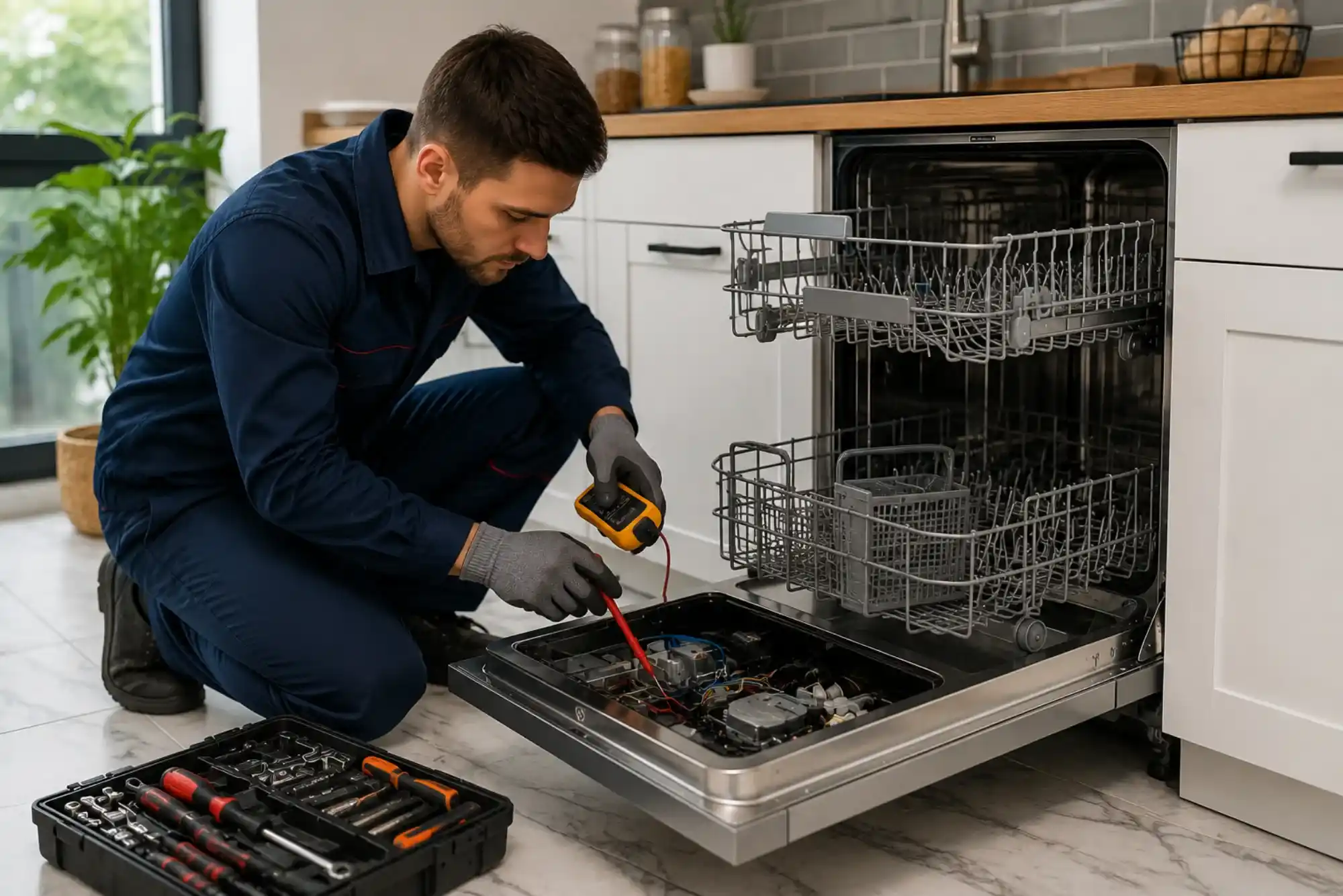
When a technician examines a stove with ignition failure, they follow a step-by-step diagnostic process. They begin by inspecting the igniter electrodes to ensure they are clean and free from debris. Next, they test the electrical connections using specialized tools to confirm that power is reaching the ignition module. If the spark module is faulty, it is replaced with a new, compatible part.
Sometimes, the issue lies within the ignition switches located behind the burner knobs. These switches can wear out with frequent use and stop sending voltage to the igniter. Skilled professionals know how to access and replace them safely without damaging other components. The goal is to restore consistent and reliable sparking across all burners so that each one ignites instantly and evenly.
Why Regular Maintenance Prevents Ignition Problems
Many stove ignition failures can be avoided through regular maintenance. Keeping the burners and igniter area clean, ensuring moisture doesn’t collect near the spark electrodes, and inspecting the power supply can go a long way in preventing problems. A small effort in cleaning and checking for wear can save you from unexpected breakdowns.
Professional servicing at least once a year also helps maintain the performance of your stove. During such maintenance, technicians not only clean the internal parts but also test ignition voltage, spark strength, and gas flow balance. This preventive care ensures your stove remains dependable and safe for daily use.
When to Seek Professional Repair Help
If you’ve checked for simple issues such as dirt or moisture and the spark still doesn’t appear, it’s time to contact a professional repair service. Technicians are trained to handle electrical faults, ignition module failures, and complex wiring issues safely. They also carry original replacement parts that ensure long-lasting results.
Continuing to use a stove with a faulty ignition can be dangerous, as gas might leak without ignition, leading to potential fire hazards. Professional technicians not only fix the immediate spark problem but also inspect the entire gas system to confirm that everything operates safely.
The Role of Technology in Modern Stove Repairs
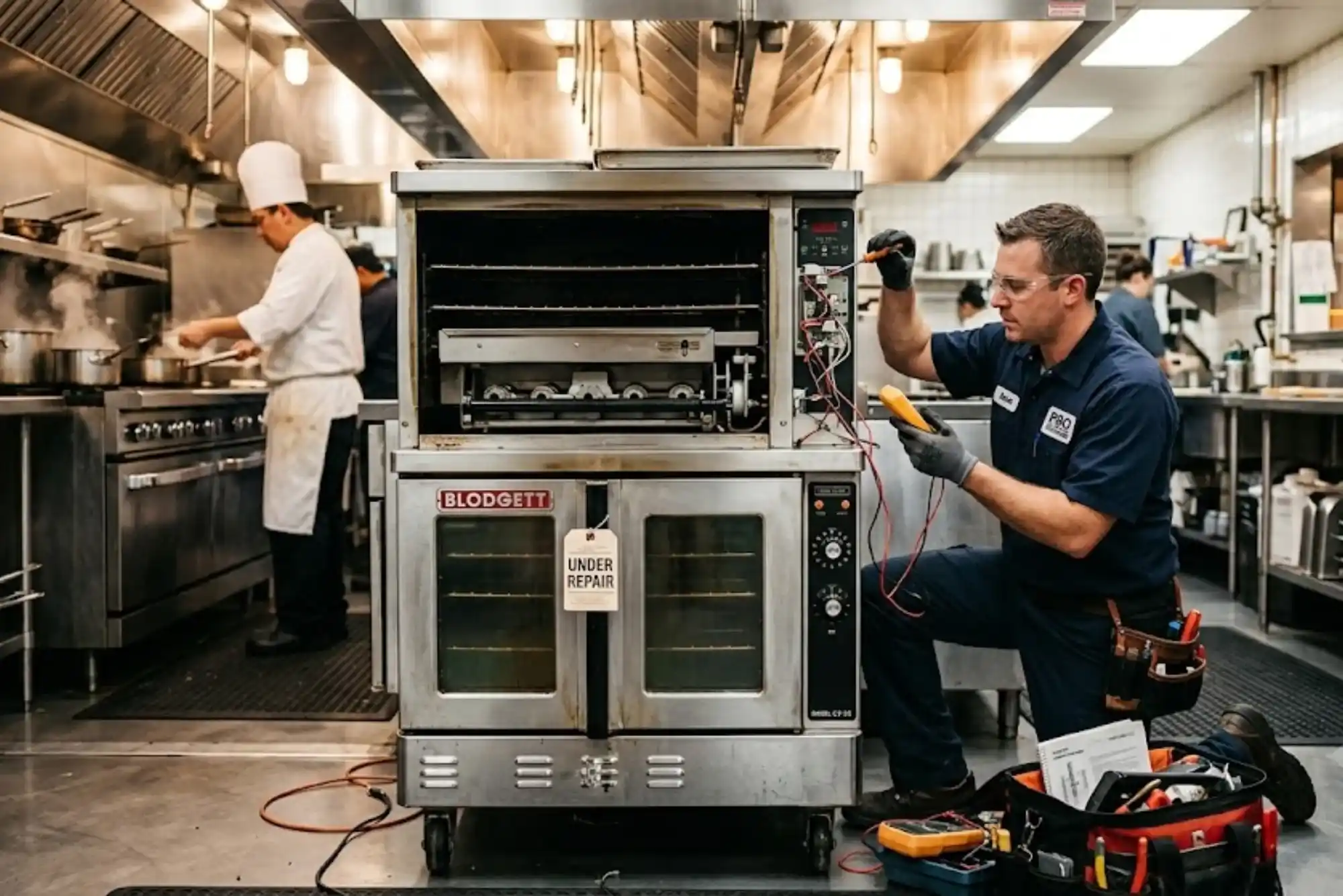
Today’s repair technicians rely on advanced diagnostic tools to detect ignition faults faster and more accurately. They use multimeters to measure voltage output, specialized testers for spark modules, and safety meters to check gas flow. Modern repair services combine technical skill with precision tools, ensuring that even hidden faults are addressed.
This technological approach to stove ignition repair ensures that your appliance performs like new again. With better accuracy, the risk of recurring spark problems is significantly reduced, giving you peace of mind every time you cook.
Restoring Your Stove’s Efficiency
A stove with a faulty ignition spark can be inconvenient, but the issue is entirely repairable when handled correctly. Understanding the problem, recognizing early warning signs, and maintaining safety awareness are crucial steps. Regular maintenance and timely servicing not only restore spark performance but also extend the overall lifespan of the appliance.
When you invest in professional repair, you’re not just fixing a spark — you’re ensuring the reliability and safety of your entire cooking setup. With expert care, your stove will continue delivering the steady, dependable performance that every kitchen deserves.