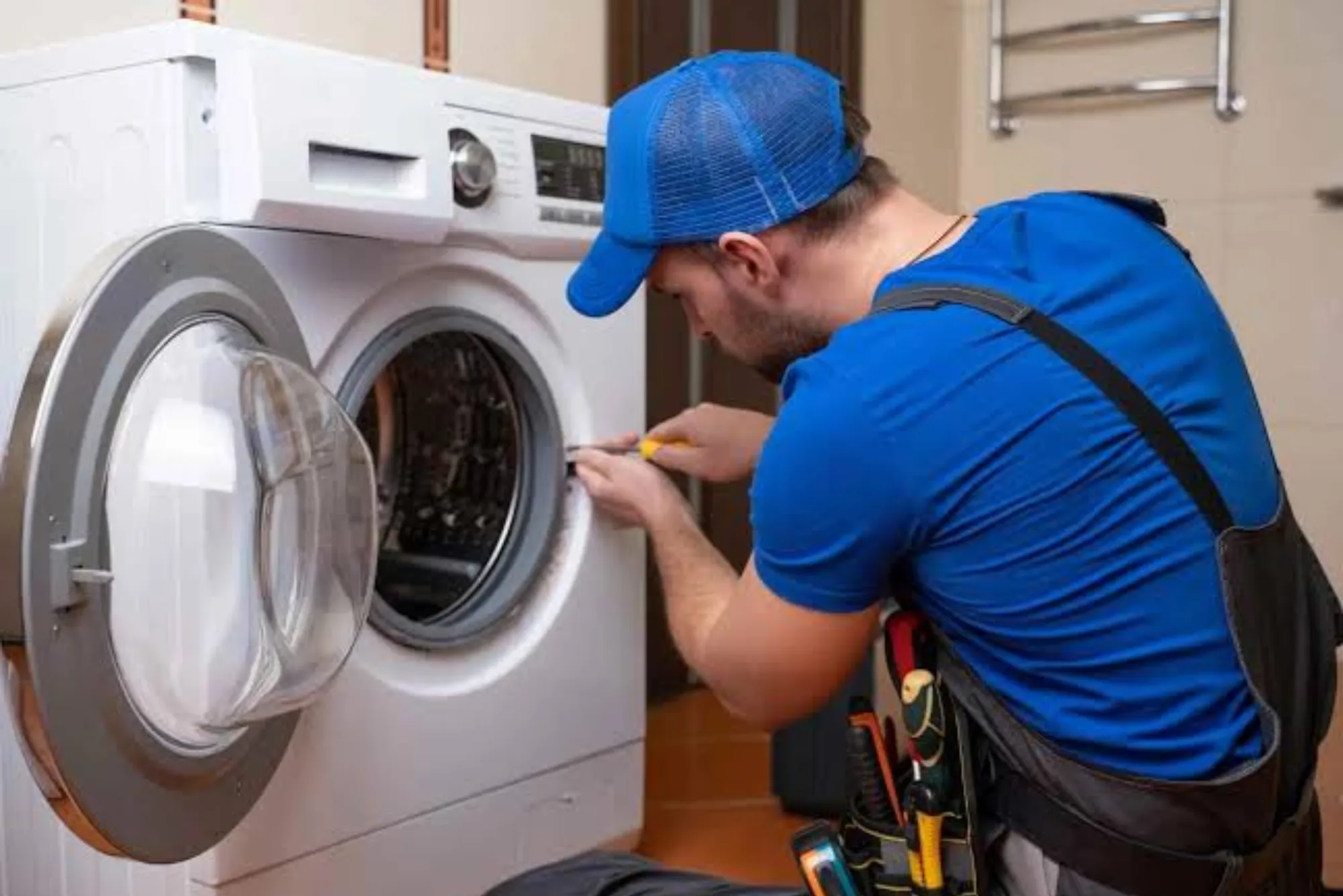
A refrigerator is one of the most essential appliances in every home. It keeps food fresh, prevents spoilage, and maintains an ideal temperature for daily use. However, when the fridge cooling fan not working, it affects the entire cooling process and can lead to serious problems such as uneven temperatures, food wastage, and increased electricity consumption. Understanding how this system works, why the fan fails, and how to repair it professionally can help restore the performance and extend the lifespan of your appliance.
The Importance of the Cooling Fan in a Refrigerator
The cooling fan plays a vital role in maintaining even airflow inside a refrigerator. It ensures that cold air from the evaporator coils is distributed throughout the fridge and freezer compartments. When this fan operates correctly, the fridge maintains consistent cooling. If the fridge cooling fan not working, cold air remains trapped around the evaporator coil, causing one section to freeze while another becomes warm.
Without proper air circulation, the compressor and other components must work harder, leading to energy waste and early wear. In short, the cooling fan is a crucial part of your refrigerator’s efficiency and stability.
Common Symptoms of a Faulty Cooling Fan
When the fridge cooling fan not working, the signs become noticeable quickly. The most common symptom is uneven cooling — the freezer might stay cold, but the fridge section turns warm. You may also notice strange sounds or a complete lack of noise from the back panel. Frost buildup on the evaporator coil and constant compressor activity are other clear signs that the cooling fan is malfunctioning.
If ignored for too long, these symptoms can lead to serious performance problems, including food spoilage and mechanical failure of other vital parts of the refrigerator.
Why the Fridge Cooling Fan Stops Working
There are several reasons why the fridge cooling fan not working, ranging from simple issues to complex electrical or mechanical failures.

One common cause is electrical malfunction. Faulty wiring or a damaged power connection can interrupt the current that powers the fan motor. Another possible reason is motor failure. Over time, fan motors wear out due to dust, friction, or overheating, eventually causing them to stop spinning.
In some cases, ice buildup near the fan blades prevents them from rotating properly. This usually happens when the defrost system is not functioning. A defective thermostat or control board can also be responsible, as modern refrigerators rely on these electronic components to regulate fan speed and timing.
Lastly, obstructed air vents or blocked airflow can mimic fan problems. When the vents are clogged with food or frost, air circulation stops, giving the impression that the fan has failed.
Step-by-Step Inspection Before Professional Help
If you suspect your fridge cooling fan not working, a simple inspection can help determine the severity of the issue. Start by unplugging the refrigerator to ensure safety. Remove the back panel of the freezer compartment, where the fan and evaporator coils are located. Check for any signs of ice buildup or obstructions around the fan blades. If ice is visible, defrosting the fridge for a few hours may temporarily restore airflow.
Next, try spinning the fan blades manually. If they feel stiff or stuck, the motor may have seized and require replacement. Check the wiring connections for damage or corrosion. However, if all visible parts look fine and the fan still doesn’t operate, the issue is likely electrical or electronic, which requires professional diagnosis.
The Role of a Professional Refrigerator Technician
When dealing with complex appliance issues like a fridge cooling fan not working, it’s always best to hire a qualified technician. Professionals have the tools, experience, and expertise to identify the root cause accurately. They test the motor, inspect the control board, and verify all electrical connections using diagnostic equipment.
A technician also checks related components like the compressor, thermostat, and defrost system to ensure the problem is not spreading to other areas. They use genuine replacement parts that match your refrigerator model, ensuring long-term reliability.
Attempting to fix such problems without experience can lead to electrical hazards or further damage, so professional assistance is the safest and most effective choice.
How Technicians Repair a Fridge Cooling Fan
When a technician arrives to repair a fridge cooling fan not working, they begin by confirming whether the issue lies in the motor, control system, or wiring. If the motor has failed, it is replaced with a new one. The technician then checks the control board and thermostat signals to ensure the fan receives the right voltage.
After installation, the entire cooling system is tested to verify that air is circulating evenly. The refrigerator is monitored for several minutes to ensure proper operation and temperature stabilization. The technician may also clean the evaporator coils and surrounding areas to improve airflow and efficiency.
Cost and Time of Repair
The cost of repairing a fridge cooling fan not working varies depending on the cause and the refrigerator brand. If the issue is a simple obstruction or wiring fault, it can be repaired quickly and at a minimal cost. However, replacing a motor or control board can take longer and be slightly more expensive.
Despite the cost, professional repair is far more affordable than replacing the entire appliance. It also ensures that all internal systems remain in balance, preventing future breakdowns and unnecessary expenses.
Preventive Maintenance to Avoid Cooling Fan Failure
Regular maintenance can help prevent the fridge cooling fan not working issue in the future. Keeping the condenser coils and fan area clean is essential to avoid dust buildup that can strain the motor. Defrosting the refrigerator periodically prevents ice accumulation that may block the fan blades.
Maintaining proper airflow by organizing food correctly also helps the system function efficiently. Check door seals regularly to ensure they are not allowing warm air inside, which can cause condensation and ice buildup. Scheduling annual professional maintenance ensures that any minor faults are addressed before they turn into major problems.
The Impact of Ignoring Fan Problems
Ignoring the fridge cooling fan not working can lead to more severe consequences. A faulty fan forces the compressor to overwork, consuming more electricity and shortening its lifespan. The refrigerator may start producing inconsistent temperatures, leading to spoiled food and water leakage inside. Over time, neglecting fan issues can damage the evaporator coil and even cause a complete cooling system failure.
Taking prompt action ensures both the performance and durability of your refrigerator while saving you from costly replacements in the long run.
When to Replace the Cooling Fan Instead of Repairing
Sometimes, the fridge cooling fan not working cannot be fixed through repair alone. If the motor is completely burnt out or outdated, replacement is the best option. Using genuine manufacturer parts ensures compatibility and long-lasting performance. Professional technicians always recommend replacing the fan assembly when it is no longer efficient or when repairs would cost more than a new unit.
A fridge cooling fan not working can disrupt your daily routine and affect food preservation. The fan is a crucial part of the refrigerator’s cooling mechanism, and when it fails, the appliance cannot function effectively. Understanding the causes, recognizing the symptoms, and seeking timely professional repair are the best ways to restore full performance.
Whether the issue involves wiring, ice buildup, or a damaged motor, professional technicians can accurately diagnose and repair the problem. Regular maintenance, proper cleaning, and annual inspections will help prevent future breakdowns. By taking quick action and relying on expert repair services, you can ensure that your refrigerator continues to deliver reliable and efficient cooling for many years to come.