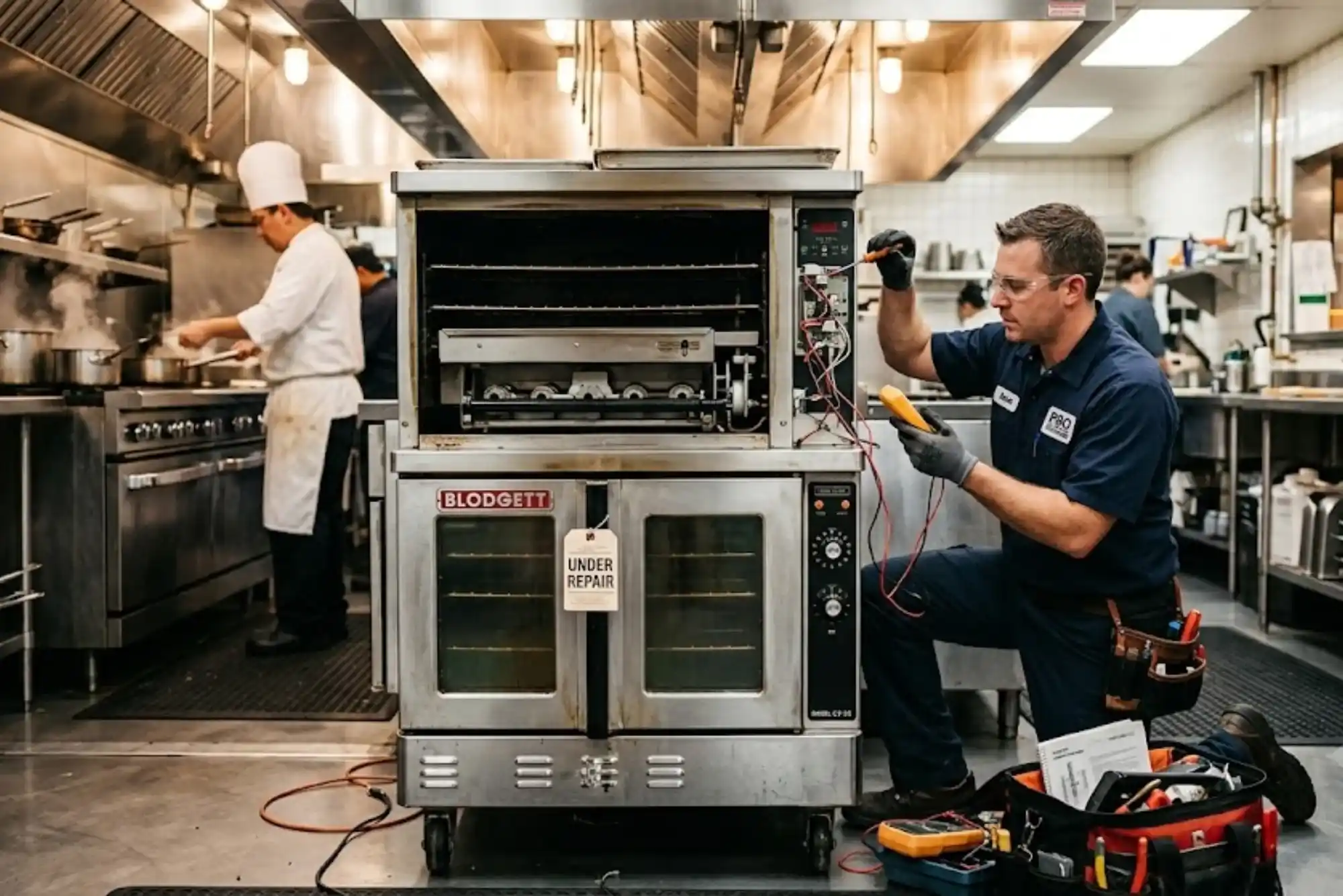
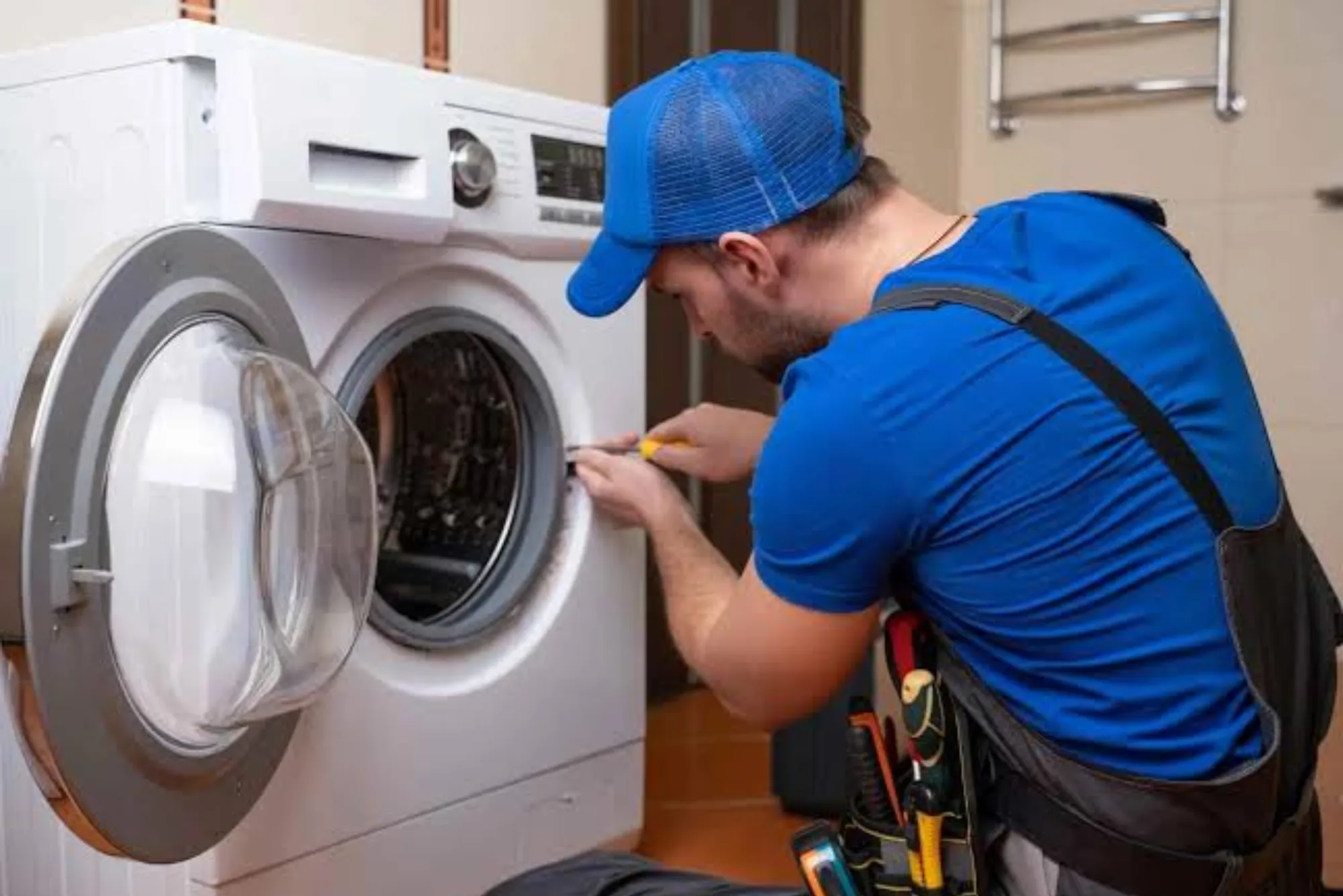
A dishwasher is one of the most convenient appliances in a modern kitchen, designed to save time and reduce effort in cleaning dishes. However, like any appliance, it can encounter problems that affect performance. One of the most common and frustrating issues is when the dishwasher does not drain properly. A malfunctioning drain can lead to standing water at the bottom of the dishwasher, unpleasant odors, and potential damage to the appliance or kitchen floor. Understanding the causes, troubleshooting steps, and repair options is crucial for maintaining a fully functional dishwasher. Professional guidance in dishwasher not draining troubleshooting and repair can ensure a safe and long-lasting solution.
Understanding How a Dishwasher Drains
The draining process in a dishwasher involves multiple components working together. Once the wash and rinse cycles are complete, the dishwasher activates the drain pump, which pushes water out through the drain hose and into the household plumbing. If any part of this system malfunctions, water can remain inside the dishwasher, signaling a drainage problem. Factors like clogs, pump failures, or electrical issues can all interfere with normal operation. Familiarity with the system’s function allows homeowners to better identify the cause of the problem before attempting a repair. For serious or complex issues, calling a professional for dishwasher not draining troubleshooting and repair is recommended to avoid further damage.
Common Causes of Drainage Issues
Several factors can prevent a dishwasher from draining correctly. One of the most frequent issues is a clogged filter. Over time, food particles, grease, and debris can accumulate and obstruct water flow. Another common cause is a blocked or kinked drain hose. Even a slight bend or obstruction in the hose can impede proper drainage. Additionally, a malfunctioning drain pump can fail to move water effectively. Electrical issues, such as faulty connections or a broken control board, may also interfere with the drain cycle. Understanding these potential causes is the first step in effectively addressing dishwasher not draining troubleshooting and repair.
Identifying Symptoms of a Drain Problem
Recognizing the signs of a drainage issue is crucial for timely intervention. One clear symptom is standing water at the bottom of the dishwasher after a cycle completes. Unusual noises during the drain cycle can also indicate a pump or motor problem. Slow drainage or intermittent draining suggests partial obstructions or hose issues. Foul odors emerging from the appliance can result from stagnant water and trapped food debris. Addressing these symptoms early prevents more serious complications and ensures that your dishwasher remains hygienic and effective.
How to Troubleshoot Your Dishwasher
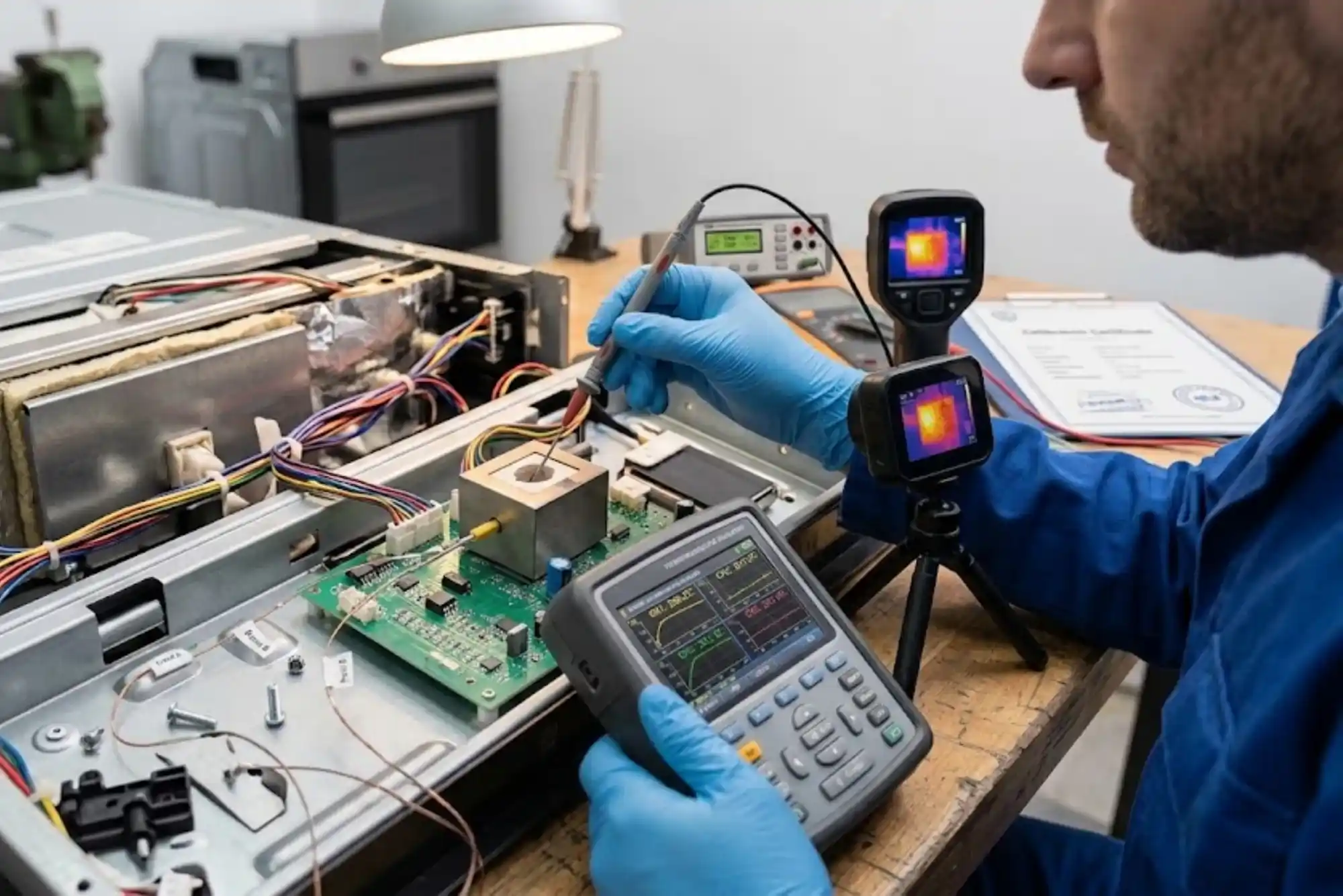
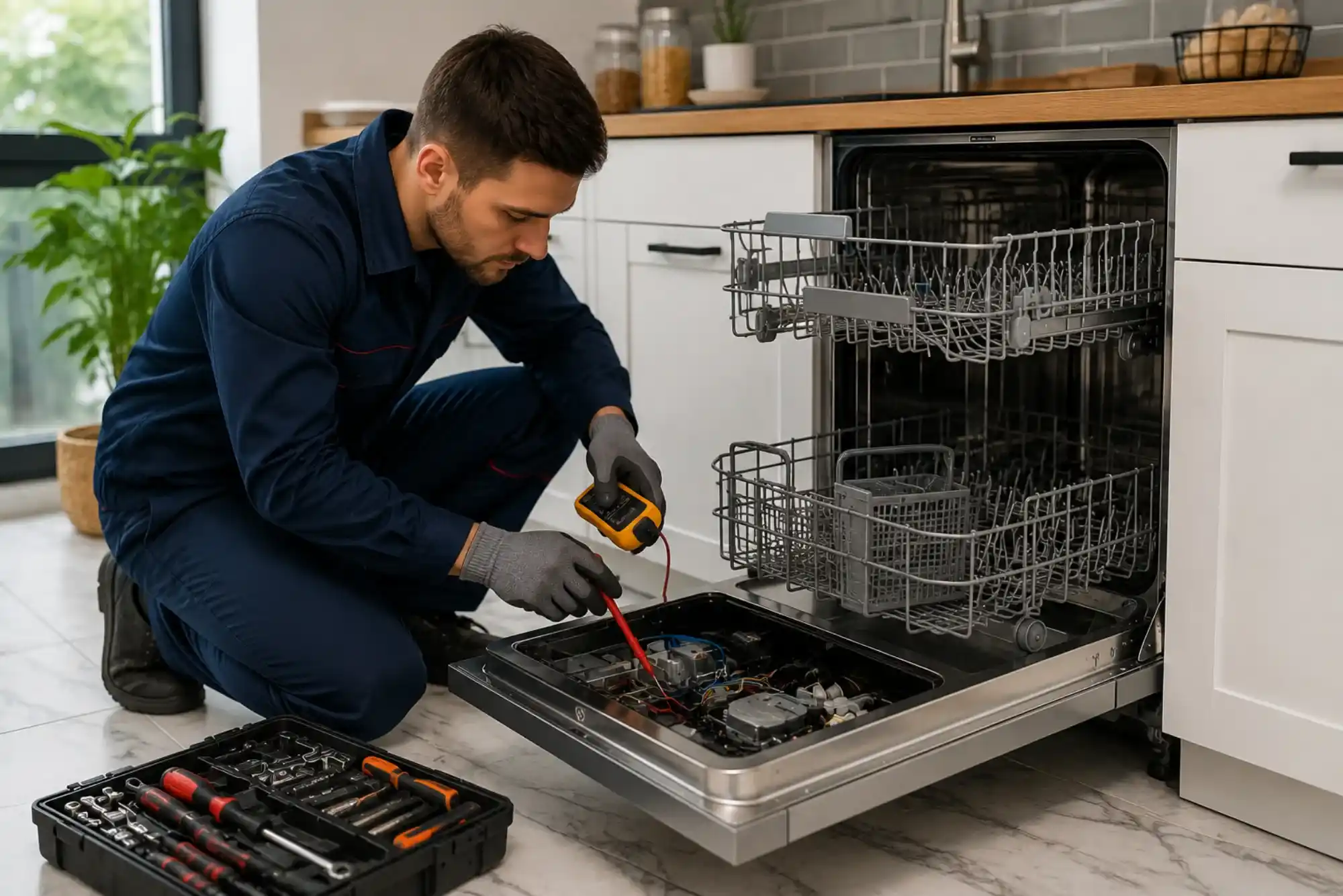
Troubleshooting a dishwasher that is not draining begins with basic inspections. First, examine the dishwasher filter for debris and thoroughly clean it. Next, inspect the drain hose to ensure it is not kinked, clogged, or improperly connected to the plumbing. Checking the air gap, if your system includes one, is also important, as a blocked air gap can prevent proper drainage. If these basic checks do not resolve the problem, the drain pump should be examined. Testing the pump for electrical continuity and removing any blockages may solve the issue. A systematic troubleshooting approach ensures that minor issues are resolved quickly and prevents more costly repairs.
When to Consider Professional Repair
While some drainage issues can be handled by homeowners, certain situations require professional intervention. If the drain pump is completely malfunctioning, electrical issues are suspected, or the appliance shows persistent failure to drain, it is best to consult an expert. Professionals trained in dishwasher not draining troubleshooting and repair have the tools and experience to safely diagnose and fix complex problems. Attempting advanced repairs without proper knowledge can result in appliance damage, void warranties, or create safety hazards. A professional service ensures that repairs are done efficiently, safely, and with lasting results.

Preventive Maintenance to Avoid Future Problems
Preventive care is essential to maintaining a dishwasher’s drainage system. Regular cleaning of filters, spray arms, and drain components helps prevent clogs and prolongs the life of the appliance. Ensuring that only suitable materials and dishwashing detergent are used minimizes residue buildup that can block the drain. Checking hoses periodically for kinks, leaks, or damage helps maintain consistent water flow. Scheduled professional maintenance provides additional assurance, allowing for early detection of potential issues before they become major problems. Consistent preventive measures reduce the need for urgent dishwasher not draining troubleshooting and repair in the future.
The Importance of Proper Installation
Sometimes drainage issues arise from improper installation. A dishwasher must be positioned with the correct hose alignment, slope, and connection to the household plumbing. An incorrectly installed drain hose or air gap can lead to recurring problems even if the appliance itself is in perfect condition. Ensuring proper installation according to manufacturer guidelines is a critical step in preventing drainage failures. If installation errors are suspected, contacting a professional service can guarantee that your dishwasher is set up correctly, eliminating unnecessary troubleshooting in the future.
Addressing Electrical and Mechanical Failures
Electrical failures, such as a broken control board or faulty pump motor, can prevent the dishwasher from completing the drain cycle. Mechanical failures may include jammed impellers, worn-out seals, or damaged drain components. Identifying and addressing these issues often requires specialized tools and technical knowledge. Professionals skilled in dishwasher not draining troubleshooting and repair can accurately diagnose the problem, replace defective parts, and ensure that the appliance functions correctly. This level of expertise prevents repeated malfunctions and extends the appliance’s lifespan.
Cleaning and Maintaining the Drain Pump
The drain pump is one of the most critical components in dishwasher drainage. Regular cleaning is necessary to prevent clogs from food debris, soap residue, or foreign objects that may accidentally fall into the pump. Removing the pump and inspecting it for obstructions ensures optimal performance. If the pump is worn or damaged, replacement may be necessary. Proper care of the drain pump not only restores current functionality but also reduces the likelihood of future drainage problems, making it a key part of long-term appliance maintenance.
Common Mistakes to Avoid During Repairs
When attempting to fix a dishwasher, several mistakes can worsen the problem. Ignoring the power supply or attempting to remove components without disconnecting the machine from electricity can create safety hazards. Overlooking simple causes like clogs in the filter or hose can lead to unnecessary part replacements. Using excessive force on delicate components, such as the drain pump or motor, can result in damage. Avoiding these common errors and seeking professional guidance ensures that repairs are effective, safe, and durable.
Benefits of Hiring a Professional Service
Hiring a professional for dishwasher not draining troubleshooting and repair offers numerous advantages. Professionals provide accurate diagnostics, ensuring that the root cause of the problem is addressed rather than just the symptoms. They use high-quality replacement parts and have the expertise to repair or replace components without causing additional damage. Professional services save time and reduce stress, allowing homeowners to rely on their dishwasher for daily use without interruption. Moreover, certified technicians can often offer guarantees for their work, adding peace of mind that DIY repairs cannot provide.
Conclusion
A dishwasher that fails to drain properly is a common but frustrating issue that requires careful attention. Understanding the components involved, recognizing symptoms, and performing basic troubleshooting can help identify the source of the problem. However, many drainage issues, especially those involving mechanical or electrical components, are best handled by professionals. Proper maintenance, careful installation, and timely repairs are essential for ensuring a long-lasting and efficiently functioning appliance. Investing in professional dishwasher not draining troubleshooting and repair services guarantees safety, reliability, and optimal performance for years to come.