Air conditioners are essential for comfort, especially in regions where temperatures soar during the summer months. The efficiency of any air conditioning system depends largely on maintaining the right level of refrigerant gas. When the gas level drops below the required pressure, the cooling performance declines, and the system has to work harder to maintain desired temperatures. Understanding how to properly check and refill AC gas pressure is a critical aspect of air conditioning maintenance and repair.
An AC system relies on a closed circuit where refrigerant gas continuously circulates between the compressor, condenser, and evaporator coils. This refrigerant is responsible for absorbing heat from the indoor environment and releasing it outside. Over time, due to small leaks or natural wear, the refrigerant level may drop. This can lead to reduced cooling capacity, increased energy consumption, and eventually system breakdown if not corrected in time. Regular checks and refills are therefore not optional but necessary to ensure optimal performance.
Importance of Correct Gas Pressure
The refrigerant gas in an air conditioner is not simply air but a specially designed compound that allows heat transfer at controlled pressures. The right gas pressure enables the system to operate efficiently. If the pressure drops too low, the compressor runs longer and harder, which can lead to overheating or even mechanical failure. If the pressure is too high, it can cause excessive strain on the components and increase the risk of damage to the condenser or evaporator.
Checking the gas pressure ensures that the air conditioner maintains balance within its refrigeration cycle. It allows the technician to detect leaks, evaluate system performance, and prevent potential breakdowns. Incorrect pressure is one of the most common reasons for poor cooling and rising electricity costs in both residential and commercial systems. Maintaining the correct pressure ensures better energy efficiency, stable cooling, and an extended lifespan for the unit.
Signs That Indicate Low Gas Pressure
When an air conditioner begins to lose gas pressure, it often exhibits specific symptoms. The most noticeable is a decline in cooling performance. Even when the thermostat is set to a lower temperature, the room remains warm or takes too long to cool. Another indicator is the formation of ice on the evaporator coils or refrigerant lines. This occurs because the low gas level affects the evaporation process, causing moisture in the air to freeze.
Unusual hissing or bubbling sounds may also signal a leak in the refrigerant line. In severe cases, the outdoor unit might overheat as it struggles to maintain performance. If these symptoms appear, it is advisable to have a professional technician perform an AC gas pressure check and refill to restore normal operation.

The Process of Checking AC Gas Pressure
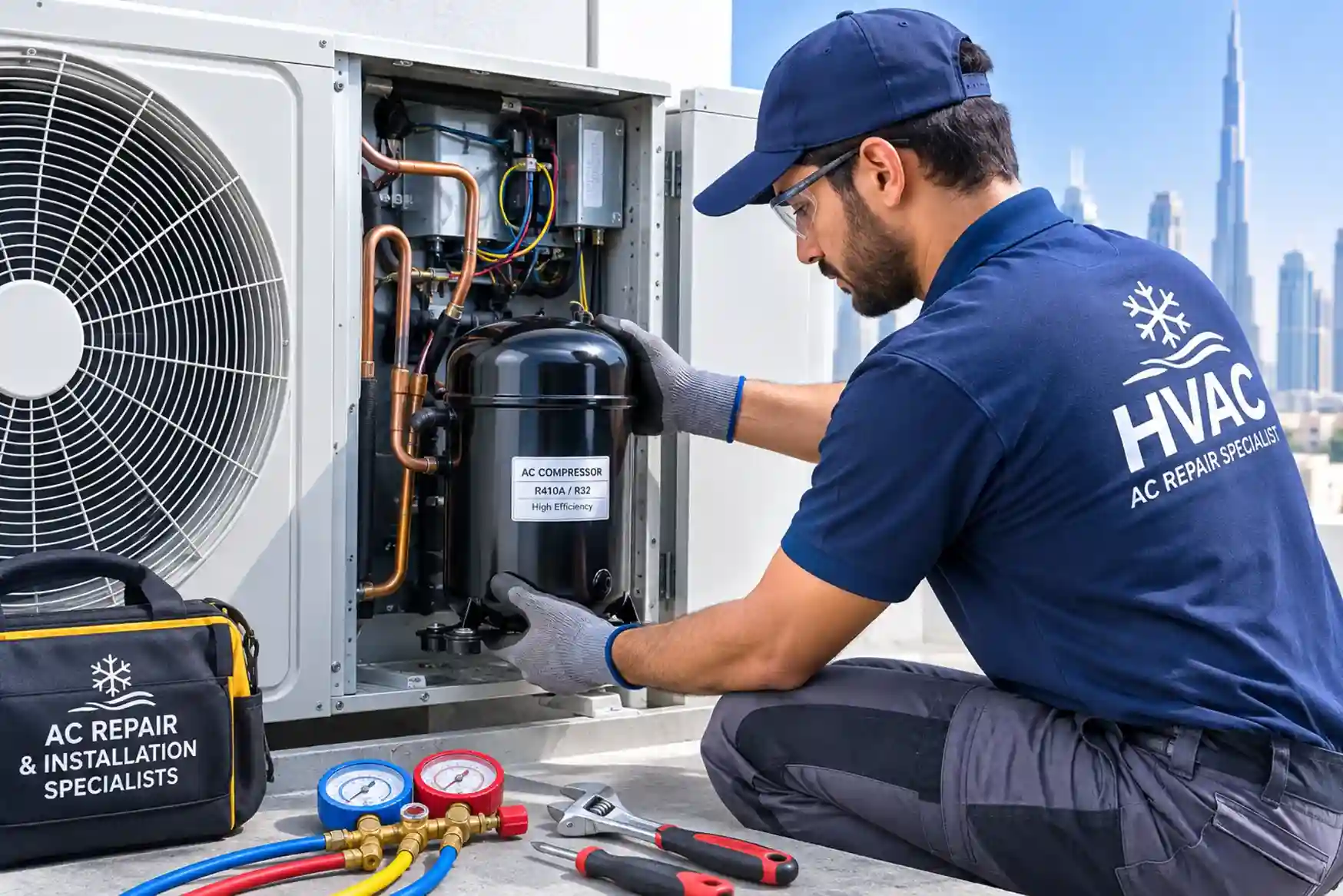
Checking gas pressure in an air conditioning system requires precision and specialized tools. Technicians use pressure gauges and manifold sets to measure both the low-pressure and high-pressure sides of the system. The readings are compared against the manufacturer’s recommended values for that particular model. If the readings are below the acceptable range, it indicates that the refrigerant level is insufficient.
Before adding new gas, it is essential to locate and seal any leaks. Refilling without addressing leaks only provides temporary relief and can cause further loss of refrigerant over time. Once the system is confirmed to be leak-free, the technician evacuates the remaining air and moisture from the lines using a vacuum pump. This step ensures that only pure refrigerant circulates inside, which is crucial for efficiency.
The new refrigerant is then carefully introduced into the system until the correct pressure balance is achieved. The technician monitors the gauges and observes the performance of the compressor and cooling output during this process. This detailed and careful approach ensures that the air conditioner performs at its best after the refill.
Importance of Using the Correct Refrigerant Type
Every air conditioner is designed to operate with a specific type of refrigerant. Using the wrong type can damage the compressor, reduce cooling performance, and even violate environmental regulations. Common refrigerants include R22, R32, and R410A, each with distinct pressure requirements and characteristics.
Technicians must identify the correct refrigerant based on the unit’s label or service manual before refilling. The pressure values and temperature readings are closely related to the refrigerant type, and accurate matching ensures efficient operation. Using improper gas not only affects cooling but may also lead to corrosion or chemical reactions within the components. A professional approach to AC gas pressure check and refill always involves adherence to the correct refrigerant specification.
Safety Considerations During Refilling
Handling refrigerant gases requires caution, as they operate under high pressure and can be hazardous if mishandled. Inhaling or releasing refrigerants into the atmosphere is harmful to both health and the environment. Technicians wear safety gloves, goggles, and protective clothing to prevent contact with the gas.
Another safety measure involves ensuring the work area is well-ventilated. Refrigerant gases are heavier than air and can displace oxygen in enclosed spaces. Professional technicians follow strict safety guidelines, including using recovery machines to capture any remaining gas and prevent leaks during maintenance. These precautions make the process safe, efficient, and environmentally responsible.
Why Professional Service Is Essential
While some homeowners may attempt to check or refill gas themselves, the process involves technical knowledge, precise instruments, and safety precautions that require professional expertise. A certified technician not only restores gas levels but also checks for leaks, examines compressor performance, and ensures the entire system functions smoothly.
Professional servicing guarantees accuracy. Technicians know how to interpret pressure readings, calculate required gas quantities, and fine-tune the system for optimal cooling. They also verify that electrical components, thermostats, and airflow systems are performing correctly. Regular professional maintenance helps prevent future breakdowns and ensures that your air conditioner runs efficiently throughout the year.
Frequency of Gas Pressure Checks
How often an air conditioner requires a gas pressure check depends on its usage and condition. For residential units used regularly during summer, a check once every year or two is sufficient. Commercial systems, which run for longer periods, may need inspections more frequently.
Environmental factors also play a role. In dusty or humid areas, the possibility of small leaks increases due to wear and corrosion. Having a technician inspect the AC before the start of every summer season ensures consistent cooling and helps identify potential problems early. Preventive maintenance is always more cost-effective than waiting for a breakdown.
Long-Term Benefits of Regular Checks and Refills
Maintaining correct gas pressure delivers multiple long-term benefits. The air conditioner consumes less electricity because it operates efficiently. The cooling process remains consistent, ensuring comfort even during peak heat conditions. The compressor experiences less strain, reducing the likelihood of expensive replacements.
Another important advantage is environmental protection. Modern refrigerants are eco-friendly, but leaks still contribute to energy waste. Keeping gas levels balanced ensures that the system works at its designed efficiency with minimal environmental impact. A well-maintained air conditioner not only saves money but also contributes to sustainability.
Conclusion
An AC gas pressure check and refill may seem like a simple maintenance procedure, but it plays a critical role in ensuring comfort, efficiency, and safety. Correct refrigerant pressure keeps the system performing at its best, prevents costly repairs, and extends the lifespan of the unit. Ignoring gas pressure problems can lead to higher energy bills, poor cooling, and eventually a complete system failure.
By entrusting the process to experienced technicians, homeowners can be confident that their air conditioners are properly serviced and safe to use. Regular pressure checks, leak detection, and accurate refilling keep the system in peak condition throughout its service life. Whether for residential or commercial environments, maintaining correct gas levels is the foundation of reliable cooling performance.
An efficiently maintained air conditioning system does more than provide comfort; it ensures energy savings, operational safety, and peace of mind. Checking and refilling gas pressure on time is an essential part of responsible maintenance and a key factor in achieving long-term performance from any air conditioning unit.