Air conditioners are essential for maintaining indoor comfort, especially in regions where temperatures rise significantly during summer. Behind the smooth operation of an AC unit lies a set of critical electrical components, and one of the most important among them is the capacitor. The capacitor plays a key role in starting and running the compressor and fan motors. When it begins to fail, the entire cooling system can be affected. AC capacitor replacement service is therefore a vital maintenance and repair solution that ensures your air conditioning system continues to operate efficiently and reliably.
Many homeowners are unaware of how important a capacitor is until the AC stops working properly. The capacitor stores electrical energy and delivers a boost of power to start the motor and keep it running smoothly. Without a properly functioning capacitor, the AC unit may struggle to start, produce weak airflow, or fail completely. Understanding the role of the capacitor helps in recognizing why timely replacement is necessary.
The Role of a Capacitor in an Air Conditioning System
The capacitor acts as an energy storage device that provides the initial jolt needed to start the compressor and fan motor. It also helps maintain a steady voltage supply during operation. In most air conditioning systems, there are typically two types of capacitors: the start capacitor and the run capacitor. The start capacitor provides the initial boost, while the run capacitor ensures continuous and stable operation.
When the capacitor is functioning correctly, the AC unit runs efficiently with consistent cooling performance. However, if the capacitor becomes weak or damaged, the system may experience irregular operation. This can lead to increased energy consumption, reduced cooling efficiency, and unnecessary strain on other components.
AC capacitor replacement service ensures that the correct type of capacitor is installed and that the system receives the proper electrical support needed for optimal performance. This not only restores functionality but also protects other parts of the AC unit from damage.
Common Signs of a Faulty AC Capacitor
A failing capacitor often shows warning signs before it completely stops working. One of the most noticeable symptoms is difficulty in starting the AC unit. The system may attempt to start but fail repeatedly or take longer than usual to begin operation.

Another common sign is weak airflow. When the capacitor cannot provide sufficient power, the fan motor may not run at full capacity, resulting in reduced air circulation. This can make the room feel warmer even when the AC is running.
Unusual noises such as humming or clicking can also indicate a capacitor issue. These sounds often occur when the motor struggles to start due to insufficient electrical support. In some cases, the AC unit may shut off unexpectedly or fail to turn on altogether.
Recognizing these signs early allows homeowners to seek AC capacitor replacement service before the problem escalates into a major repair.
Causes of Capacitor Failure
Capacitors are designed to handle high electrical loads, but they are still susceptible to wear and tear over time. One of the primary causes of failure is heat exposure. Since air conditioning units often operate in hot environments, excessive heat can degrade the internal components of the capacitor.
Electrical fluctuations and power surges can also damage capacitors. Sudden voltage spikes may cause internal breakdown, reducing the capacitor’s ability to store and release energy effectively. Over time, this can lead to complete failure.
Age is another factor. Like all electrical components, capacitors have a limited lifespan. Continuous use gradually reduces their efficiency, making replacement necessary. Environmental factors such as humidity, dust, and corrosion can further accelerate deterioration.
AC capacitor replacement service addresses these issues by installing a new, high-quality capacitor that meets the specifications of the system.
Importance of Timely Replacement
Delaying capacitor replacement can lead to more serious problems within the AC system. When a faulty capacitor fails to provide sufficient power, the compressor and fan motor may experience increased strain. This can result in overheating, reduced efficiency, and eventual component failure.
Replacing a capacitor at the right time prevents these complications and ensures smooth operation. It also helps maintain consistent cooling performance, allowing the AC unit to function as intended. Timely AC capacitor replacement service not only restores comfort but also protects the overall health of the system.
Professional AC Capacitor Replacement Process
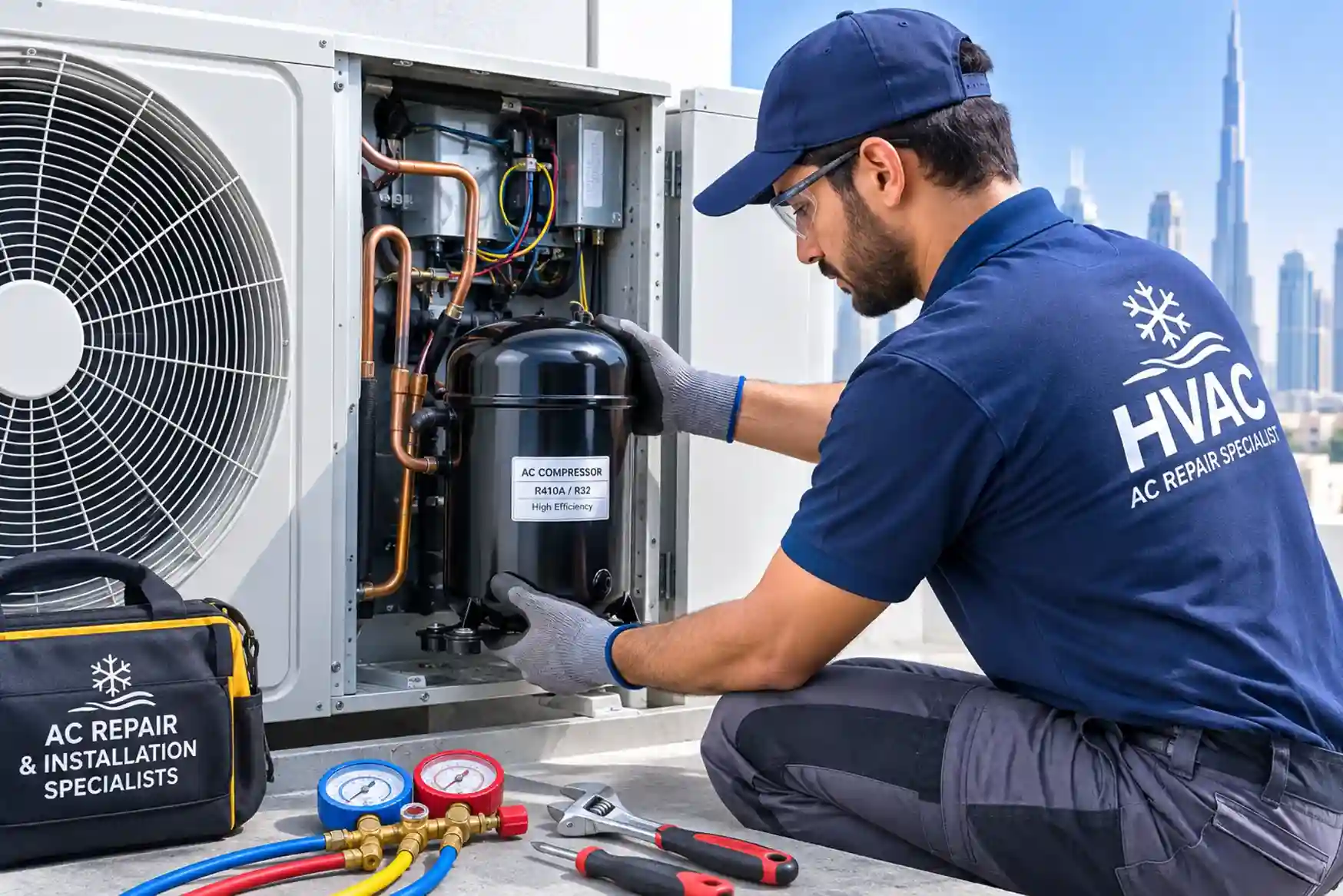
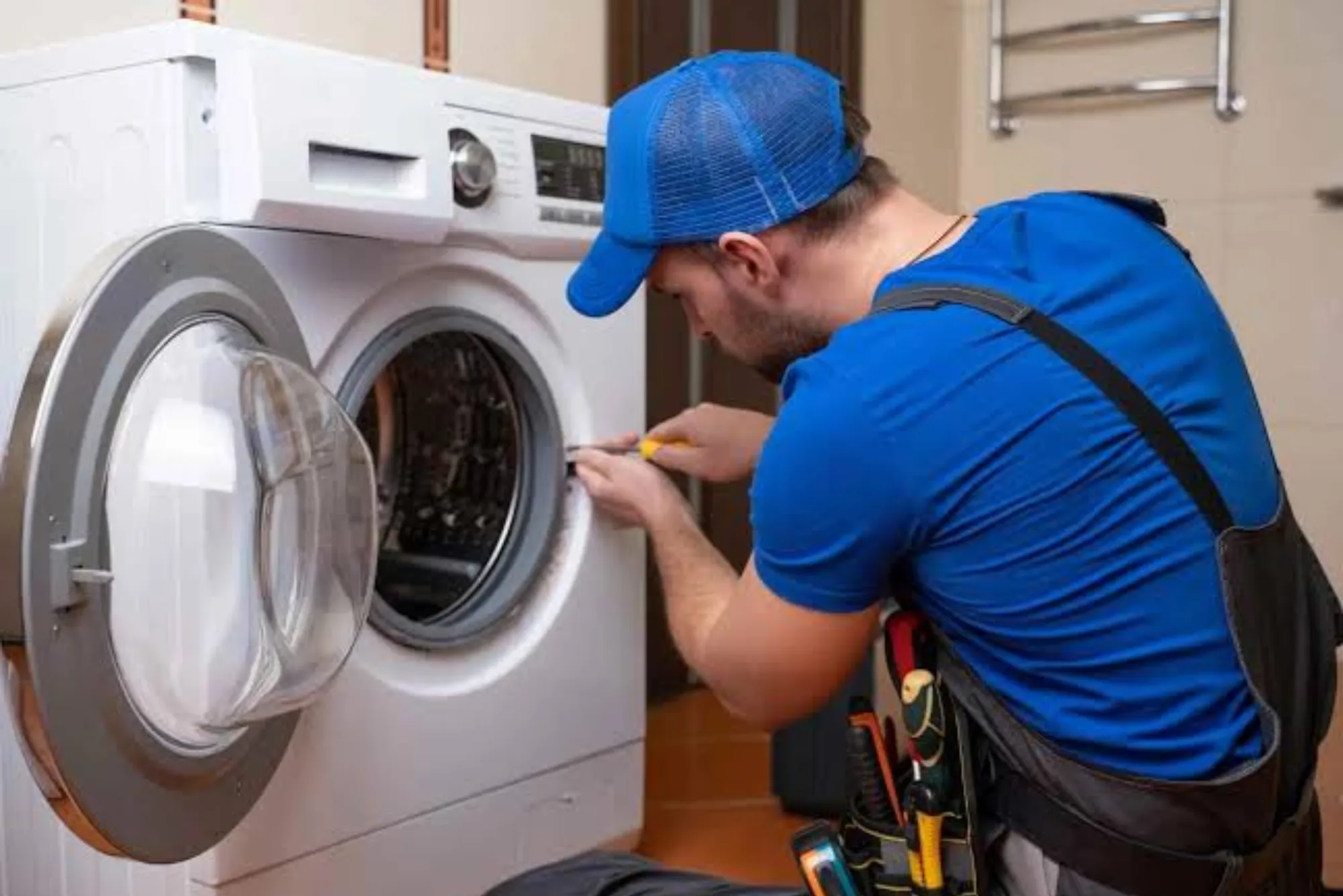
AC capacitor replacement is a technical process that requires proper knowledge and safety precautions. The first step involves disconnecting the power supply to prevent electrical hazards. Technicians then locate the capacitor within the outdoor or indoor unit, depending on the system design.
The faulty capacitor is carefully removed after discharging any stored electrical energy. A new capacitor with matching specifications is then installed and securely connected. Once the replacement is complete, the system is tested to ensure proper operation.
Professional AC capacitor replacement service ensures that the correct component is used and that installation is performed safely. This minimizes the risk of errors and ensures long-lasting performance.
Benefits of AC Capacitor Replacement Service
Replacing a faulty capacitor offers several advantages. One of the primary benefits is improved cooling efficiency. A new capacitor allows the AC unit to start quickly and run smoothly, providing consistent airflow and temperature control.
Energy efficiency is another important benefit. When the capacitor functions properly, the system consumes less electricity, reducing utility costs. Additionally, replacing the capacitor prevents unnecessary strain on the compressor and fan motor, extending their lifespan.
AC capacitor replacement service also enhances reliability. A properly functioning system is less likely to experience sudden breakdowns, ensuring uninterrupted comfort during hot weather.
Preventive Maintenance and Care
Regular maintenance can help extend the life of an AC capacitor. Keeping the outdoor unit clean and free from debris reduces heat buildup and improves airflow. Scheduling periodic inspections allows technicians to identify early signs of capacitor wear and address them promptly.
Using a voltage stabilizer can protect the system from electrical fluctuations, reducing the risk of capacitor damage. Ensuring proper ventilation around the AC unit also helps maintain optimal operating conditions.
Preventive care reduces the frequency of repairs and ensures that AC capacitor replacement service is only required when necessary. This approach helps maintain system efficiency and reliability over the long term.
Impact on Overall AC Performance
The capacitor plays a crucial role in determining how well an air conditioning system performs. A healthy capacitor ensures that the compressor and fan motor operate at their full potential, delivering efficient cooling and consistent airflow.
When the capacitor fails, the entire system is affected. Cooling becomes inconsistent, energy consumption increases, and the risk of further damage rises. By addressing capacitor issues promptly through professional AC capacitor replacement service, homeowners can restore optimal performance and maintain indoor comfort.
AC capacitor replacement service is an essential aspect of maintaining a reliable and efficient air conditioning system. The capacitor is a small but vital component that supports the operation of the compressor and fan motor. When it fails, the performance of the entire system is compromised.
Related Reading: AC Air Filter Replacement Service
Related Reading: AC Thermostat Replacement – Complete Professional Guide — full guide