A reliable oven is one of the most valuable appliances in any modern kitchen. Whether you prepare daily family meals, bake occasionally, or enjoy experimenting with new recipes, your oven plays an essential role in delivering consistent cooking results. However, like every household appliance, ovens require proper installation, routine maintenance, and timely repairs to operate safely and efficiently.
Many homeowners underestimate the importance of professional installation or delay repairs until a minor issue turns into an expensive breakdown. Understanding how ovens work, recognizing early warning signs, and following proper maintenance practices can significantly extend the lifespan of your appliance while improving energy efficiency.
This guide explains everything you need to know about oven repair and installation—from choosing the right installation method to identifying common faults and knowing when professional assistance is the safest solution.
Why Proper Oven Installation Matters
Installing an oven involves much more than simply plugging it into a power outlet. Whether you’re installing a built-in electric oven or a gas-powered cooking appliance, proper positioning, electrical connections, ventilation, and safety checks are essential.
Professional installation helps ensure that the appliance operates according to the manufacturer’s specifications while minimizing the risk of electrical hazards, gas leaks, overheating, or uneven cooking performance.
If you’re planning to install a new appliance or replace an older model, reviewing a professional oven repair and installation service can help you understand the importance of proper setup and long-term maintenance.

Common Types of Household Ovens
- Electric built-in ovens
- Gas ovens
- Wall ovens
- Double ovens
- Convection ovens
- Combination microwave ovens
Each model has unique installation requirements and maintenance needs. Understanding your appliance helps simplify troubleshooting and ensures safer operation throughout its lifespan.
Signs Your Oven Needs Repair
Oven problems rarely appear overnight. Most appliances show early warning signs before complete failure. Addressing these symptoms early can prevent expensive repairs later.
1. Uneven Cooking
Food cooks faster on one side or remains undercooked despite following recipes accurately. This often indicates heating element issues, faulty temperature sensors, or airflow problems.
2. Temperature Inaccuracy
When your oven struggles to maintain the selected temperature, cooking results become inconsistent. Faulty thermostats or worn heating components are common causes.
3. Door Doesn’t Close Properly
A damaged door seal or worn hinge allows heat to escape, increasing cooking times and energy consumption.
If you notice these symptoms, understanding the common signs your oven needs professional repair can help you decide when expert inspection becomes necessary.
4. Strange Noises
Clicking, buzzing, or grinding sounds may indicate failing fans, loose internal components, or electrical issues.
5. Burning Smell
Persistent burning odors may result from grease buildup, damaged wiring, or overheating components. Never ignore unusual smells coming from an oven.
Common Oven Problems and Their Causes
| Problem | Possible Cause | Recommended Solution |
|---|---|---|
| Oven not heating | Faulty heating element | Professional inspection and replacement |
| Uneven baking | Temperature sensor malfunction | Calibrate or replace sensor |
| Door won’t close | Damaged hinges or seal | Replace hinges or gasket |
| Timer not working | Control board issue | Diagnostic testing |
| Power failure | Electrical connection fault | Check wiring and circuit safely |
| Overheating | Thermostat malfunction | Replace thermostat |
The Importance of Regular Maintenance
Routine maintenance helps reduce unexpected breakdowns while improving cooking performance and energy efficiency.
Clean Interior Regularly
Remove grease, food residue, and spills before they harden. Excess buildup can create smoke, unpleasant odors, and uneven heating.
Inspect Door Seals
Rubber gaskets should remain flexible and intact. Damaged seals allow heat to escape and force the oven to work harder.
Keep Vents Clear
Proper airflow prevents overheating and protects sensitive electrical components.
Check Heating Elements
Visible cracks, discoloration, or inconsistent heating may indicate worn elements that require replacement.
When DIY Repairs Are Safe—and When They Aren’t
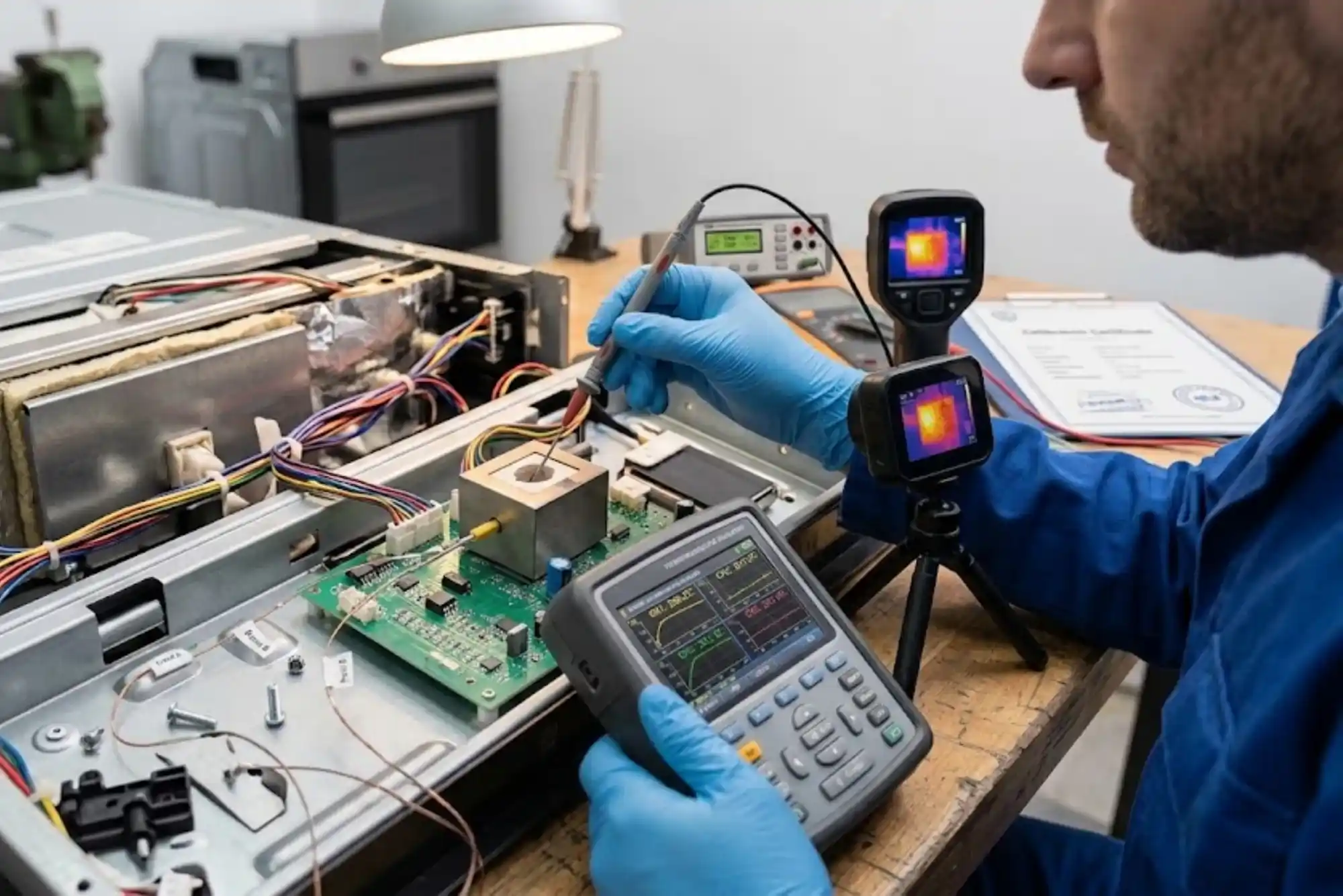
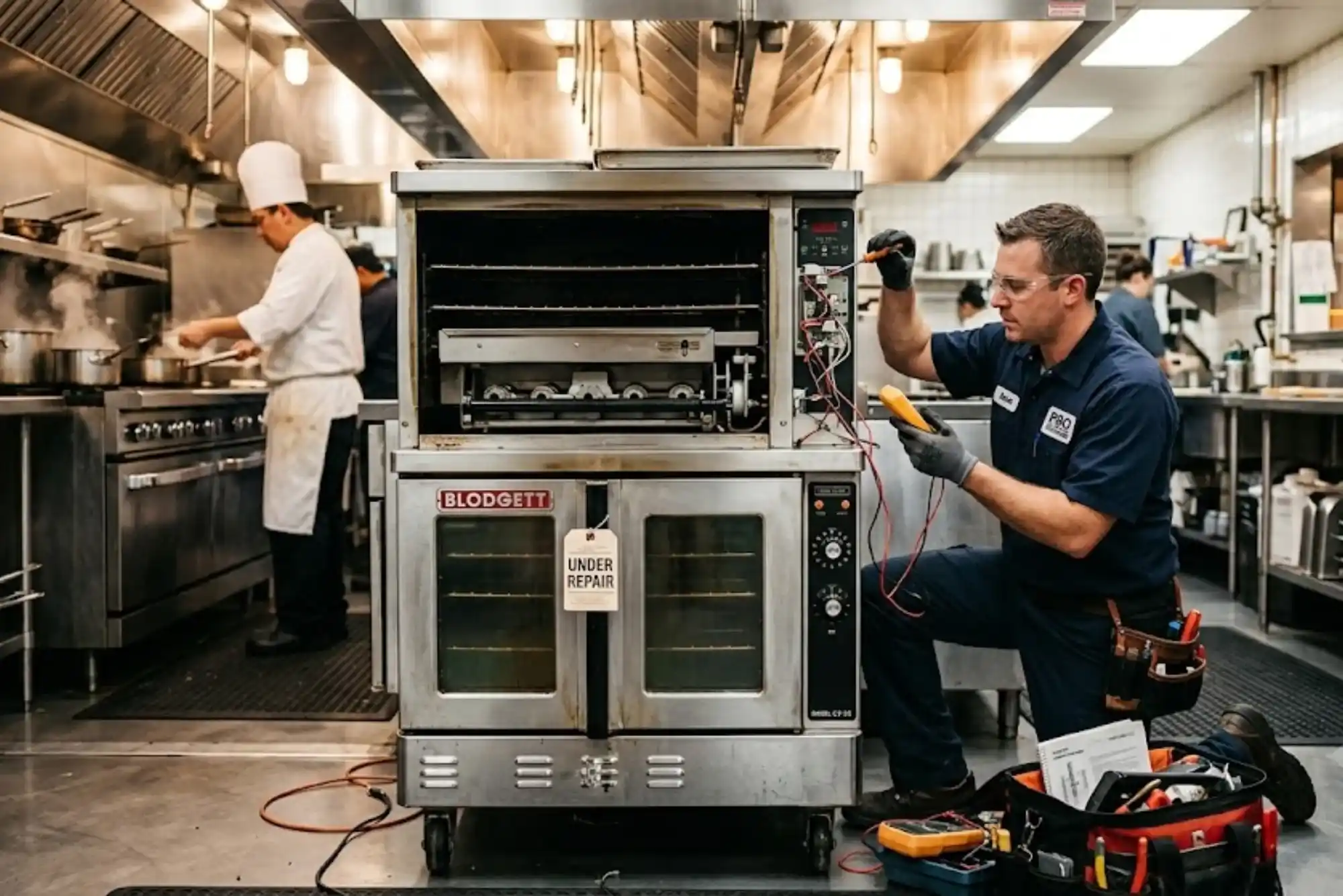
Simple maintenance tasks such as cleaning, replacing oven bulbs, or inspecting door seals are generally safe for homeowners. However, repairs involving electrical wiring, gas connections, thermostats, transformers, or control boards require professional expertise.
Attempting complex repairs without proper tools or technical knowledge can increase safety risks and potentially damage the appliance further.
Understanding Heating Element Problems
Heating elements gradually wear out after years of use. Common symptoms include slow preheating, uneven cooking, or visible damage.
Some heating problems are also related to damaged insulation components. Learning about oven element insulators helps homeowners understand why proper insulation is important for safe and efficient heat distribution.
Why Professional Installation Saves Money
Many homeowners focus only on installation costs without considering long-term savings. Proper installation can:
- Improve energy efficiency
- Reduce future repair expenses
- Prevent electrical hazards
- Extend appliance lifespan
- Improve cooking consistency
- Maintain manufacturer warranty requirements
Professional installers also verify ventilation, leveling, electrical capacity, and safety compliance before the appliance is placed into regular use.
Safety Tips for Everyday Oven Use
- Never block ventilation openings.
- Keep flammable materials away from the oven.
- Clean grease buildup regularly.
- Avoid slamming the oven door.
- Inspect power cords periodically.
- Use cookware recommended by the manufacturer.
- Turn off the appliance when not in use.
How Long Does an Oven Typically Last?
A well-maintained household oven often lasts between 10 and 15 years, depending on usage frequency, build quality, and maintenance habits. Regular servicing and prompt repairs can significantly extend its operational life while maintaining consistent cooking performance.
Choosing the Right Repair Professional
When selecting an appliance repair technician, look for experience, transparent communication, proper diagnostics, and familiarity with your oven’s brand and model. A qualified professional should identify the root cause of the issue instead of replacing parts unnecessarily.
Taking time to choose an experienced technician can improve repair quality and help prevent recurring problems.
Conclusion
Oven repair and installation are essential aspects of maintaining a safe, efficient, and reliable kitchen. Proper installation ensures your appliance operates according to manufacturer specifications, while routine maintenance and timely repairs reduce the likelihood of costly breakdowns.
Recognizing early warning signs, performing regular cleaning, and seeking professional assistance when necessary can significantly extend the lifespan of your oven while improving cooking performance and household safety.
Related Reading: Oven Performance Repair — full guide
Related Reading: Oven Installation Service Dubai — full guide