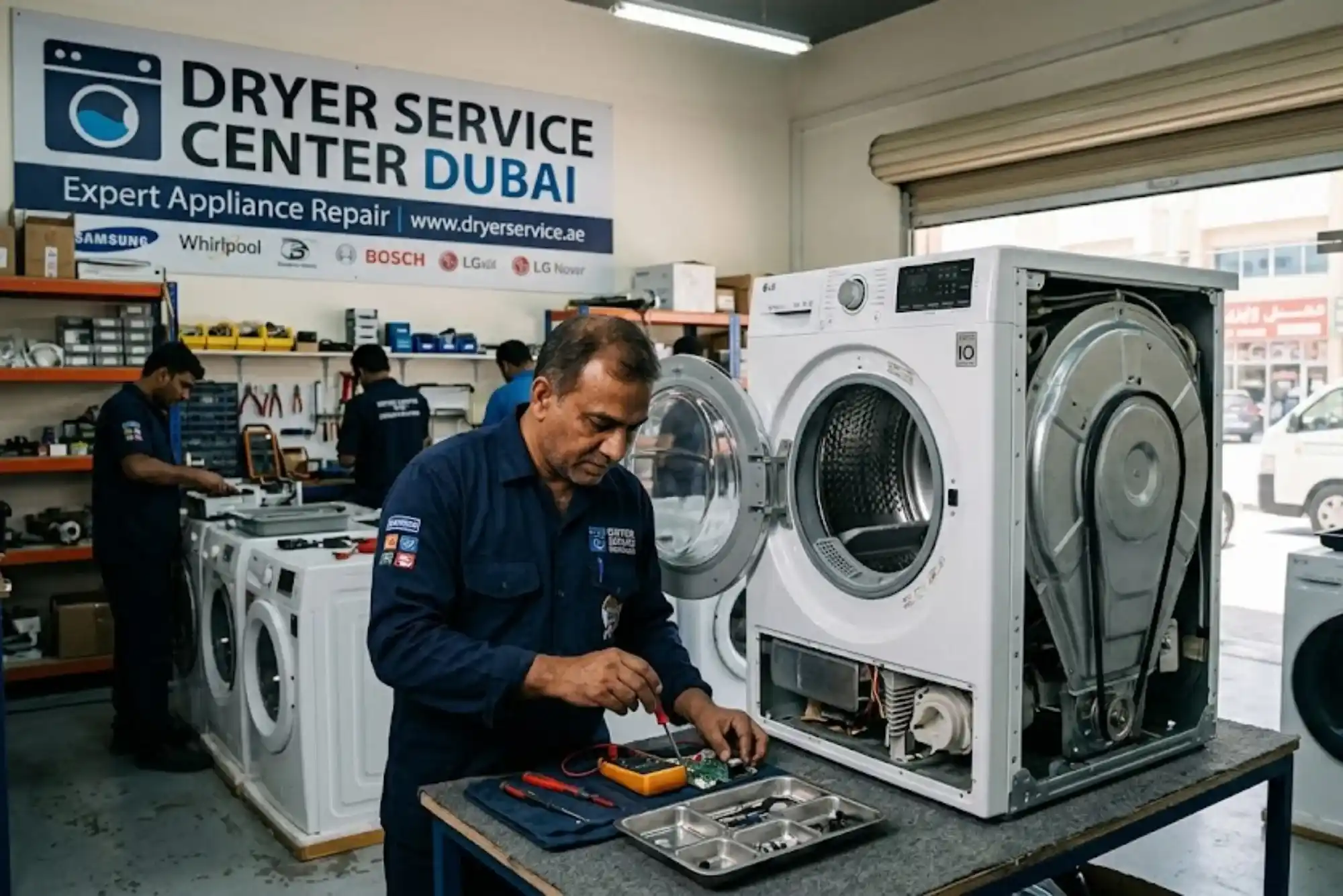
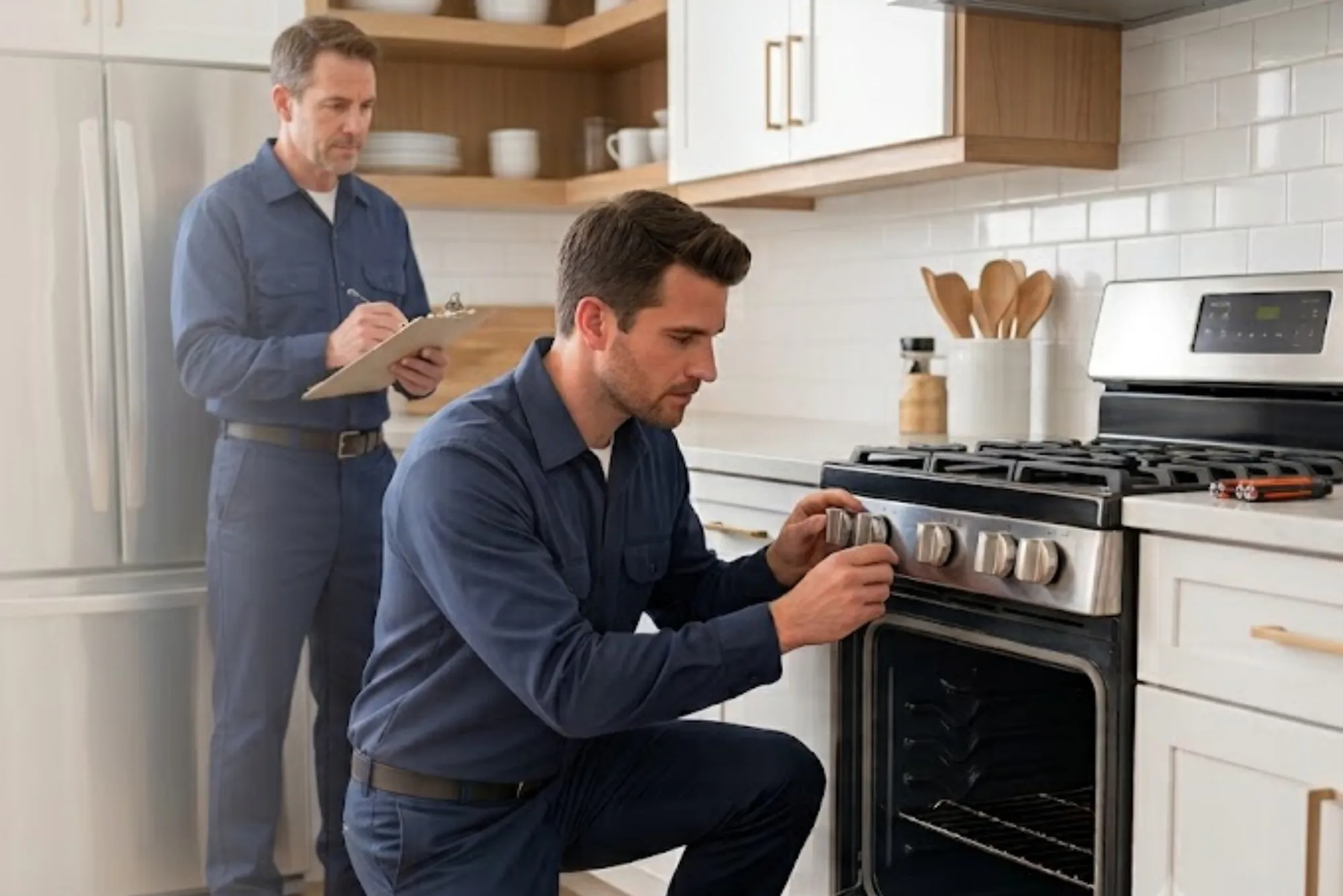
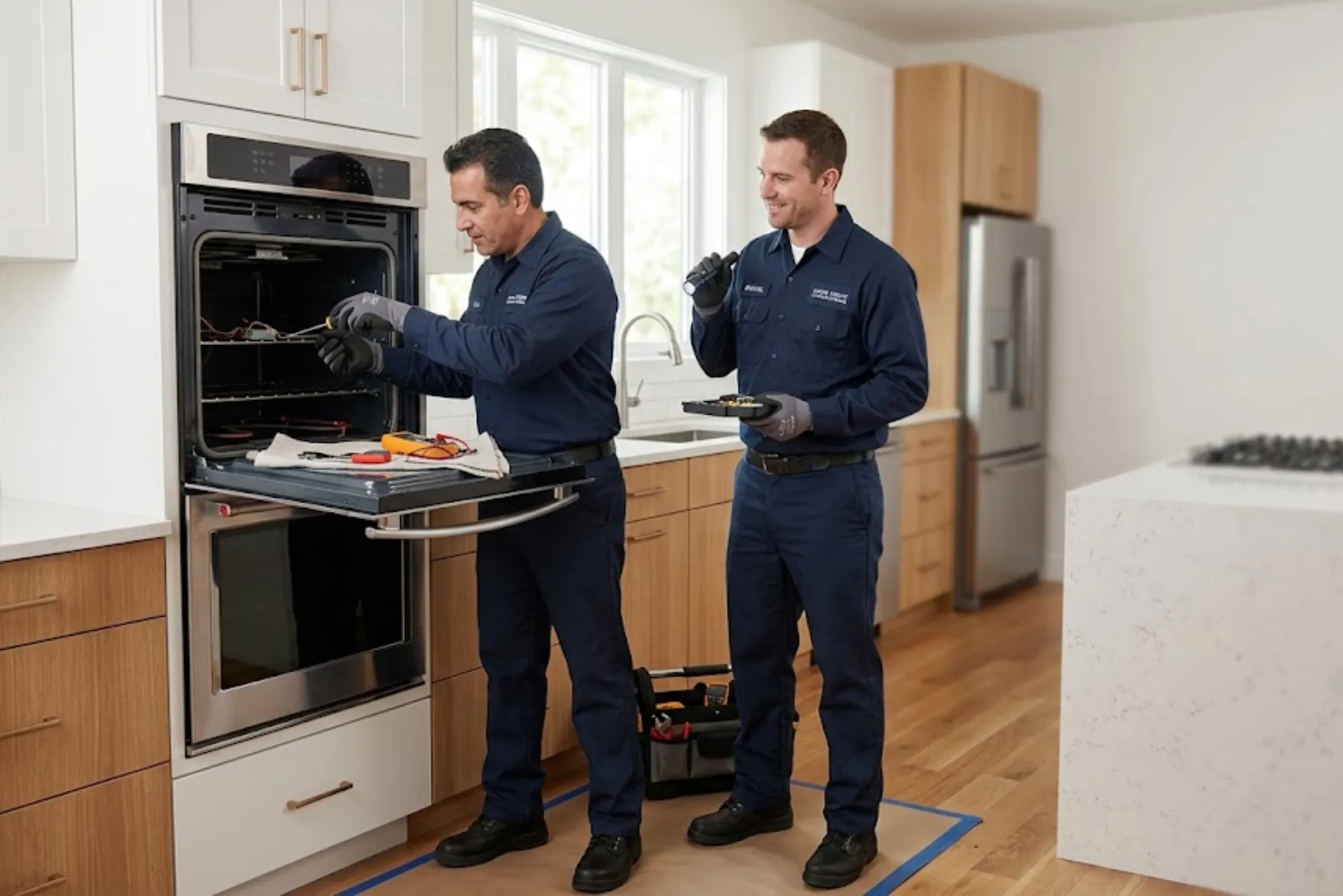
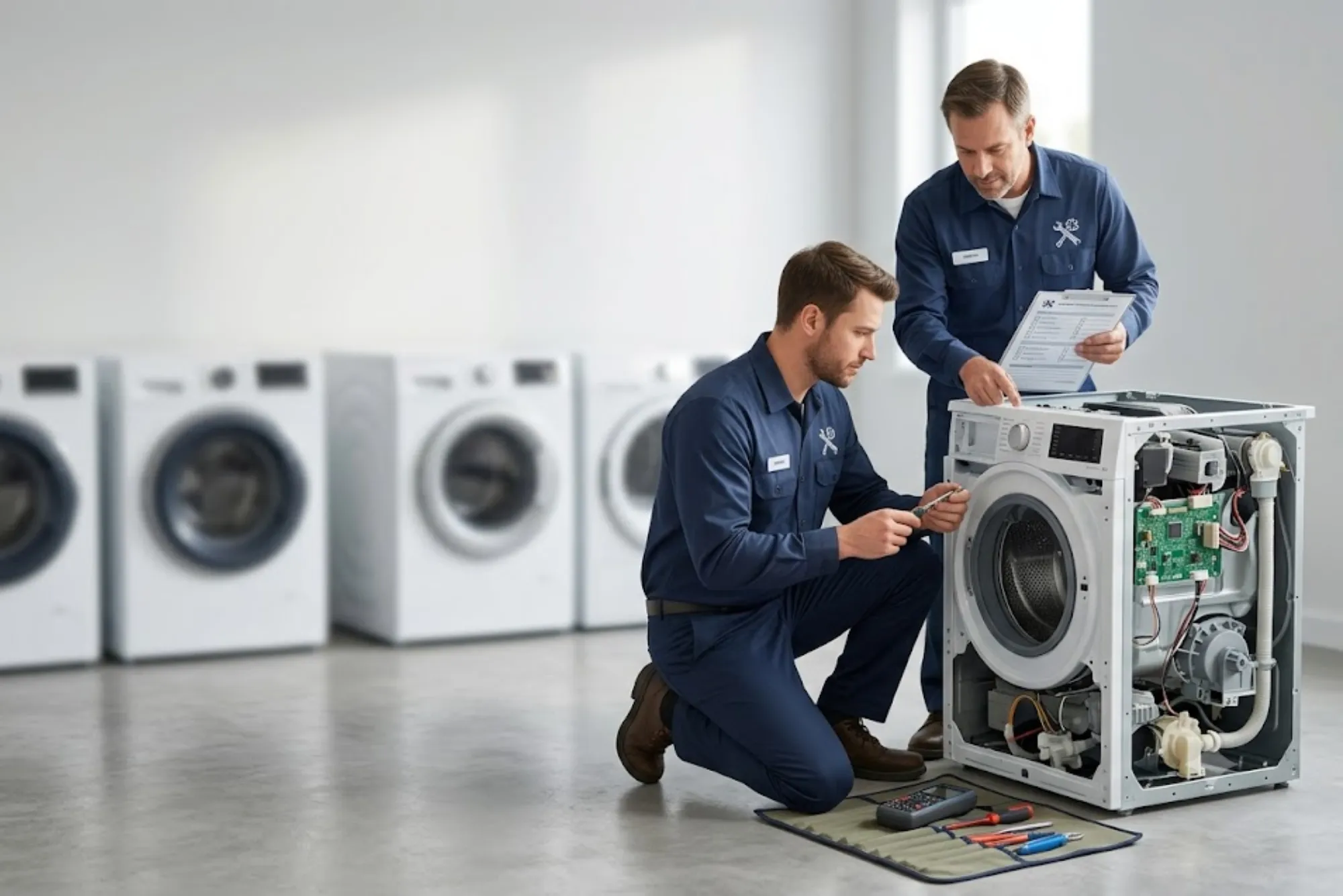
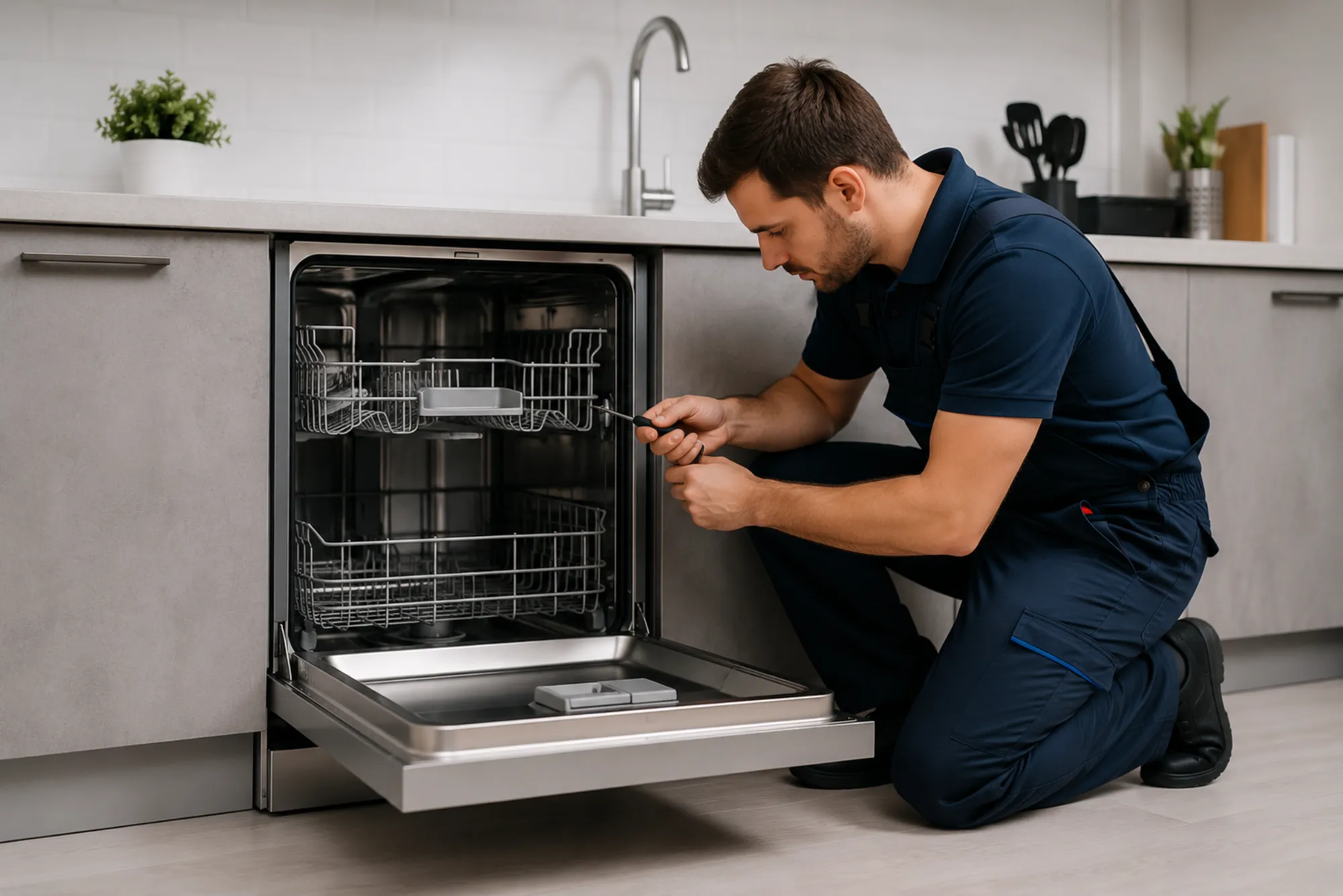
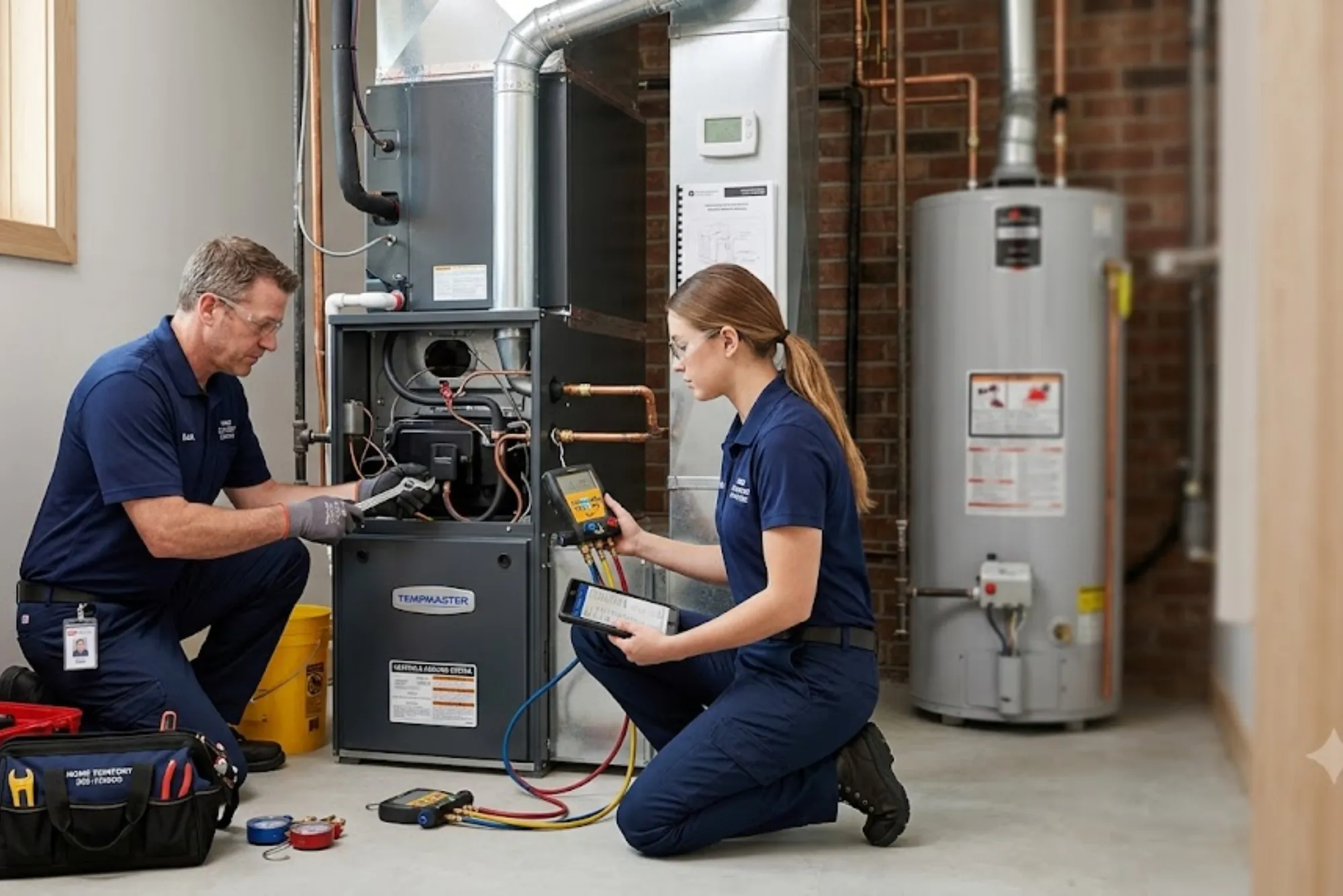
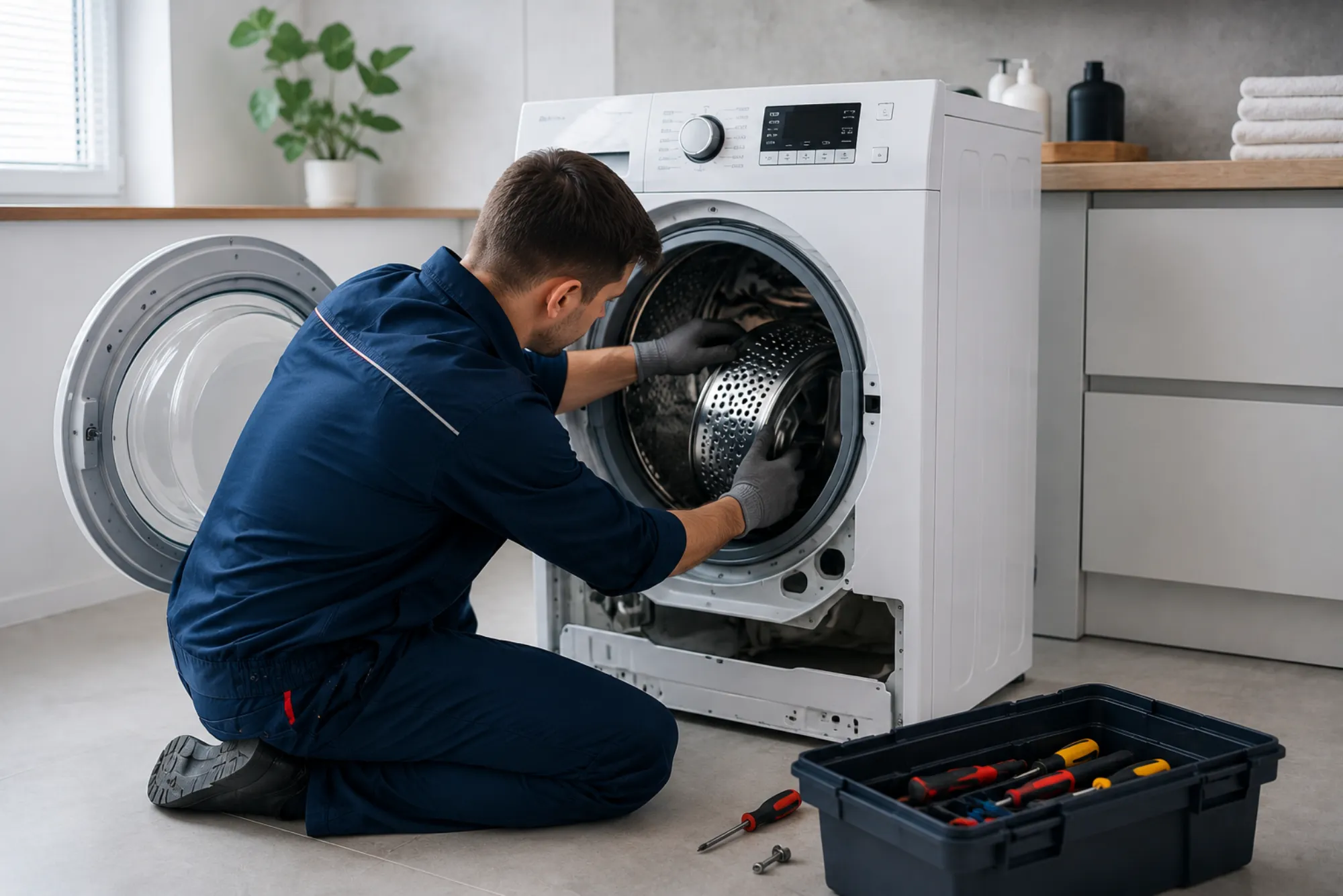
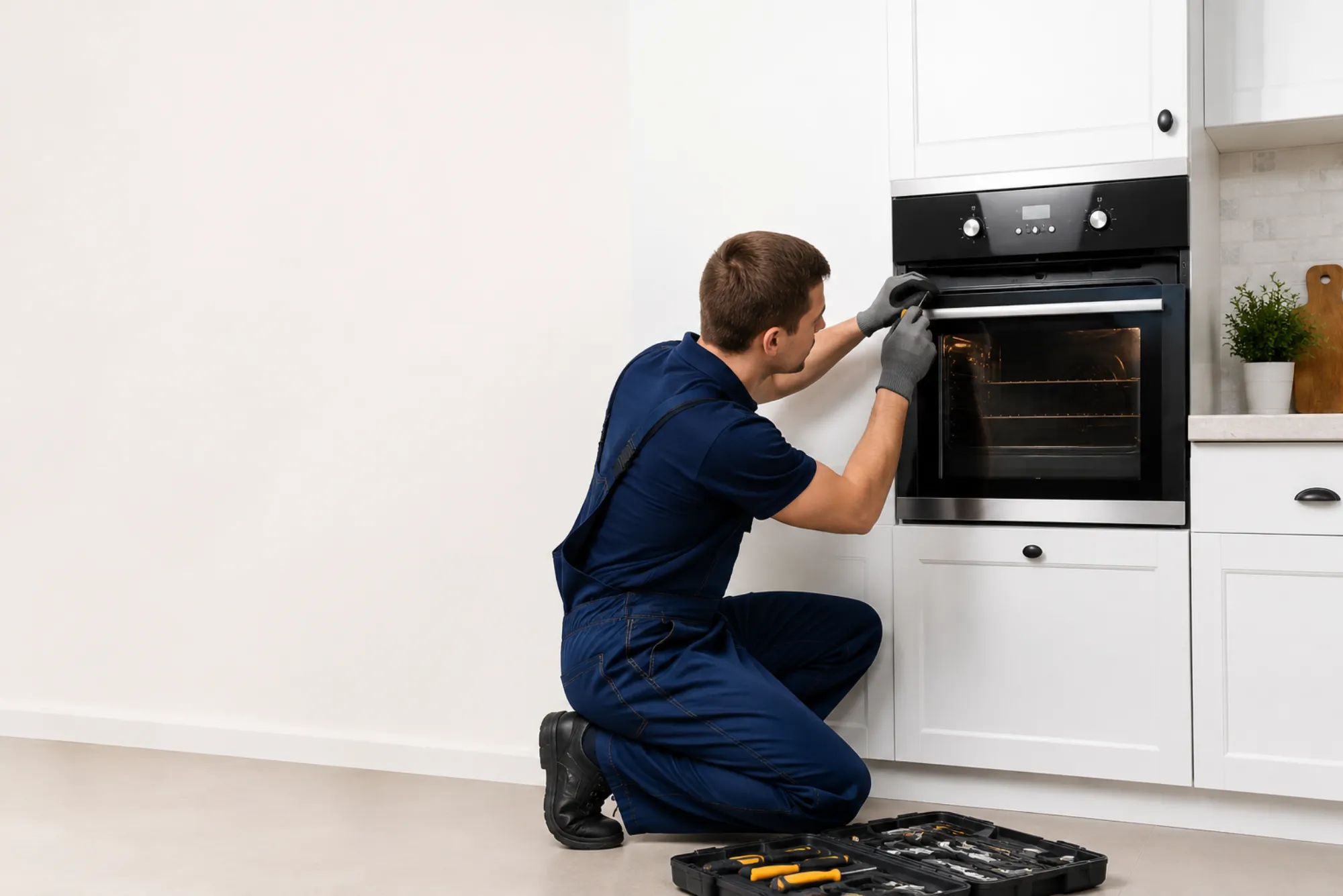
Cooking appliance repair experts play a vital role in maintaining the safety, efficiency, and reliability of modern kitchens. From household ovens and gas stoves to advanced induction cookers and built-in appliances, these systems are essential for everyday living. When they stop functioning properly, kitchens quickly become inconvenient and, in some cases, unsafe.
Professional technicians are trained to diagnose electrical faults, heating inconsistencies, ignition failures, broken control systems, and airflow problems across a wide range of cooking appliances. Their work not only restores appliance performance but also helps extend equipment lifespan and reduce unnecessary replacement costs.

Homeowners often attempt basic troubleshooting themselves, but modern kitchen appliances now contain complex electronic boards, smart sensors, and advanced heating components that require specialized expertise.
Why Professional Appliance Repair Matters
Cooking appliances are exposed to constant heat, grease buildup, moisture, and repeated daily use. Over time, these factors contribute to wear and tear that can affect both performance and safety.
Professional repair specialists understand how to identify hidden problems before they become expensive failures. Issues such as uneven oven temperatures, faulty gas ignition systems, damaged thermostats, or malfunctioning timers may initially appear minor but can lead to larger complications if ignored.
Many homeowners also underestimate the risks associated with DIY appliance repair. Gas leaks, wiring damage, and overheating components can create serious hazards when handled incorrectly. Articles discussing the safety risks of DIY gas oven repair highlight why professional servicing is often the safer and more cost-effective option.
Common Problems Cooking Appliance Repair Experts Handle
Experienced technicians regularly deal with a wide variety of appliance faults affecting both residential and commercial kitchens.
| Appliance Type | Common Issues | Possible Causes |
|---|---|---|
| Gas Stove | Weak flame or ignition failure | Blocked burners, faulty igniter, gas flow issues |
| Electric Oven | Uneven baking | Damaged heating element or thermostat |
| Built-In Oven | Digital panel malfunction | Control board failure or wiring issues |
| Induction Cooker | Power fluctuations | Electrical supply or sensor problems |
| Commercial Oven | Inconsistent heating | Calibration or airflow restrictions |
Specialists use advanced testing equipment to isolate faults accurately rather than replacing parts unnecessarily. This improves repair precision and reduces downtime for homeowners and businesses.
Signs Your Oven Needs Professional Attention
Cooking appliances rarely fail without warning. In many cases, they begin showing subtle signs that indicate underlying mechanical or electrical issues.
- Longer preheating times
- Burning smells during operation
- Food cooking unevenly
- Temperature fluctuations
- Sparking or unusual noises
- Digital display errors
- Door seal damage
Recognizing these early indicators allows homeowners to schedule maintenance before complete breakdown occurs. Resources covering signs your oven needs professional repair provide valuable insight into common warning symptoms.
The Growing Complexity of Modern Cooking Appliances
Modern kitchens now include smart ovens, sensor-controlled burners, touchscreen interfaces, and energy-efficient heating systems. While these innovations improve convenience, they also increase repair complexity.
Today’s cooking appliance repair experts require ongoing technical training to handle:
- Electronic control boards
- Smart diagnostics systems
- Programmable cooking modes
- Wi-Fi enabled appliances
- Energy optimization systems
- Advanced temperature sensors
Without proper expertise, replacing components incorrectly may create additional faults or void manufacturer warranties.
Preventive Maintenance Improves Appliance Lifespan
Routine maintenance is one of the most effective ways to avoid unexpected appliance failures. Cooking appliance repair experts often recommend annual inspections for heavily used ovens, stoves, and cookers.
Preventive servicing may include:
- Cleaning burners and ignition systems
- Inspecting electrical wiring
- Testing thermostat accuracy
- Checking ventilation systems
- Inspecting gas connections
- Calibrating temperature controls
These inspections help maintain consistent cooking performance while improving appliance safety and energy efficiency.
For deeper technical servicing, professional providers offering oven servicing solutions can identify performance issues before they become major repairs.
Gas Stove Repairs Require Specialized Expertise
Gas cooking systems remain popular because of their quick heating response and cooking precision. However, gas appliances require careful handling due to the risks associated with leaks and combustion problems.
Certified technicians inspect:
- Gas valves
- Ignition systems
- Flame distribution
- Pressure regulators
- Burner alignment
- Ventilation systems
Improper gas stove operation can increase fire risks and indoor air quality concerns. Professional services become especially important when users notice irregular flames, clicking igniters, or gas odors.
Detailed support for burner adjustments and gas-related repairs can be found through gas stove repair technicians specializing in residential and commercial systems.
Commercial Kitchens Demand Faster Repair Response
Restaurants, bakeries, hotels, and catering businesses depend heavily on uninterrupted kitchen operations. Even a short appliance failure can disrupt service schedules, reduce food quality, and affect customer satisfaction.
Commercial repair specialists often prioritize:
| Commercial Repair Priority | Why It Matters |
|---|---|
| Rapid diagnostics | Minimizes operational downtime |
| Emergency servicing | Prevents revenue loss |
| Component replacement | Maintains cooking consistency |
| Safety inspections | Ensures compliance standards |
| Performance calibration | Supports food quality control |
Commercial ovens and industrial stoves operate under far more demanding conditions than household appliances, making scheduled maintenance particularly important.
[Insert relevant reference link here]
Choosing the Right Cooking Appliance Repair Experts
Not all repair providers offer the same level of expertise. Choosing qualified professionals can significantly impact repair quality, appliance lifespan, and long-term maintenance costs.
When selecting a repair company, homeowners should consider:
- Experience with multiple appliance brands
- Availability of replacement parts
- Warranty on repair work
- Response times for emergency repairs
- Technical certifications
- Transparent diagnostics process
Appliance specialists familiar with both older systems and newer smart technologies are generally better equipped to handle complex repairs efficiently.
Repair vs Replacement: Making the Right Decision
One of the most common questions homeowners ask is whether they should repair or replace a faulty appliance. The answer depends on several practical factors.
| Situation | Repair Recommended | Replacement Recommended |
|---|---|---|
| Minor electrical fault | Yes | No |
| Repeated major breakdowns | Sometimes | Often |
| Obsolete replacement parts | Rarely | Yes |
| Appliance under warranty | Usually | No |
| Severe structural damage | No | Yes |
Experienced technicians can provide realistic assessments regarding repair feasibility, expected lifespan after repair, and overall cost-effectiveness.
How Regular Cleaning Supports Appliance Performance
Maintenance is not limited to professional servicing alone. Routine cleaning by homeowners can greatly improve appliance performance and reduce repair frequency.
Key maintenance habits include:
- Removing grease buildup regularly
- Cleaning oven fans and vents
- Inspecting door seals
- Keeping burners free from food debris
- Avoiding excessive moisture around controls
Cooking residue and blocked airflow often contribute to overheating problems and reduced efficiency. Detailed maintenance guidance such as cleaning your oven’s convection fan can help users maintain better appliance performance between professional servicing visits.
Energy Efficiency and Appliance Health
Poorly functioning cooking appliances consume more energy than properly maintained systems. Faulty thermostats, damaged heating elements, or blocked airflow can force appliances to work harder, increasing utility costs over time.
Repair experts frequently improve energy efficiency by:
- Restoring proper heat distribution
- Replacing worn heating components
- Repairing insulation damage
- Calibrating sensors accurately
- Correcting airflow restrictions
Efficient appliances not only reduce electricity or gas consumption but also deliver more reliable cooking results.
The Importance of Genuine Replacement Parts
Quality repair work depends heavily on the components used during servicing. Reliable technicians prioritize compatible and manufacturer-approved replacement parts whenever possible.
Using low-quality components may result in:
- Shorter repair lifespan
- Reduced appliance efficiency
- Increased electrical risks
- Additional component failures
- Voided warranties
Professional repair providers typically maintain access to genuine spare parts across multiple appliance brands and models.
Frequently Asked Questions
How often should cooking appliances be professionally serviced?
Most household cooking appliances benefit from professional inspection once every 12 months. Commercial kitchens may require more frequent servicing depending on usage intensity.
Can appliance repair experts fix smart ovens and digital cookers?
Yes. Many modern repair specialists are trained to diagnose and repair smart kitchen appliances with electronic control systems and programmable features.
Is repairing a gas stove safer than replacing it yourself?
Professional repair is generally safer because certified technicians understand gas systems, ignition components, and ventilation requirements.
What causes ovens to heat unevenly?
Uneven heating often results from damaged heating elements, malfunctioning thermostats, faulty fans, or airflow restrictions inside the oven cavity.
Do appliance repairs improve energy efficiency?
Yes. Properly repaired appliances usually operate more efficiently, reducing energy waste and improving cooking consistency.
Conclusion
Cooking appliance repair experts provide an essential service for maintaining safe, reliable, and efficient kitchens. Their expertise covers everything from gas stove diagnostics and oven calibration to advanced electronic repairs for smart appliances. Timely servicing not only prevents costly breakdowns but also improves appliance lifespan, cooking performance, and household safety.
As modern kitchens continue evolving with increasingly sophisticated technology, the value of skilled repair professionals becomes even more important. Whether dealing with a minor heating issue or a complete appliance failure, professional repair support helps homeowners and businesses keep their kitchens operating smoothly and efficiently.