Modern kitchens are designed with elegance and efficiency in mind, and built-in ovens have become a central feature in contemporary homes. Their seamless integration into cabinetry enhances aesthetics while maximizing space. However, when technical issues arise, built-in oven removal for repair becomes a critical process that must be handled with precision and expertise. Unlike freestanding units, built-in ovens require careful disconnection from electrical or gas systems and safe extraction from custom cabinetry.
Understanding the importance of professional built-in oven removal for repair can help homeowners avoid unnecessary risks, structural damage, and costly mistakes. Whether the issue involves heating elements, wiring faults, control boards, or thermostat failures, proper removal is the first essential step in restoring your appliance to full functionality. A reliable oven repair service ensures the process is safe, efficient, and compliant with safety standards.
Understanding the Structure of a Built-In Oven
A built-in oven is typically installed within a wall cabinet or under a countertop. It is secured using mounting screws and connected directly to the home’s electrical or gas supply. The integration makes the appliance stable and visually appealing, but it also adds complexity when repairs are required.
Most built-in ovens are hardwired to a dedicated circuit. This means that disconnecting the appliance involves more than simply unplugging it. In gas-powered models, there is also a gas line connection that must be carefully shut off and sealed before removal. The structural enclosure around the oven further requires cautious handling to prevent damage to cabinetry and surrounding surfaces.
Because of these complexities, built-in oven removal for repair should never be approached casually. Professional technicians understand how to safely disconnect, extract, and reposition the unit without compromising safety or design integrity.
Common Reasons for Built-In Oven Removal
Homeowners typically require built-in oven removal for repair when the appliance develops functional problems. These issues can include uneven heating, complete power failure, malfunctioning digital displays, burning smells, or circuit breaker trips. In some cases, internal components such as the heating element or control board may fail, necessitating inspection and replacement.

Another common reason for removal is wiring damage. Over time, electrical connections can loosen or overheat, especially in ovens that are frequently used at high temperatures. Built-in ovens may also require removal if there is insulation breakdown or fan motor failure affecting airflow and temperature regulation.
In gas models, ignition problems or gas valve issues may demand professional assessment. Since these systems involve combustible materials, a certified oven repair service is essential to handle the appliance safely.
The Importance of Professional Expertise
Built-in oven removal for repair is not simply about sliding the appliance out of its enclosure. The process involves turning off the power supply at the circuit breaker, verifying the absence of electrical current, disconnecting wiring connections, and carefully unscrewing mounting brackets. For gas units, the gas supply must be turned off and the line properly detached without causing leaks.
Improper handling can result in electric shock, gas leakage, or damage to cabinetry. Even minor mistakes can escalate into significant safety hazards. Professional technicians are trained to follow safety protocols and use appropriate tools to ensure the removal is performed without incident.
A trusted oven repair service brings experience and knowledge to the task. Technicians are familiar with different oven brands and installation designs, allowing them to handle various models efficiently. Their expertise minimizes the risk of damage and ensures the repair process begins correctly.
Safety Considerations During Removal
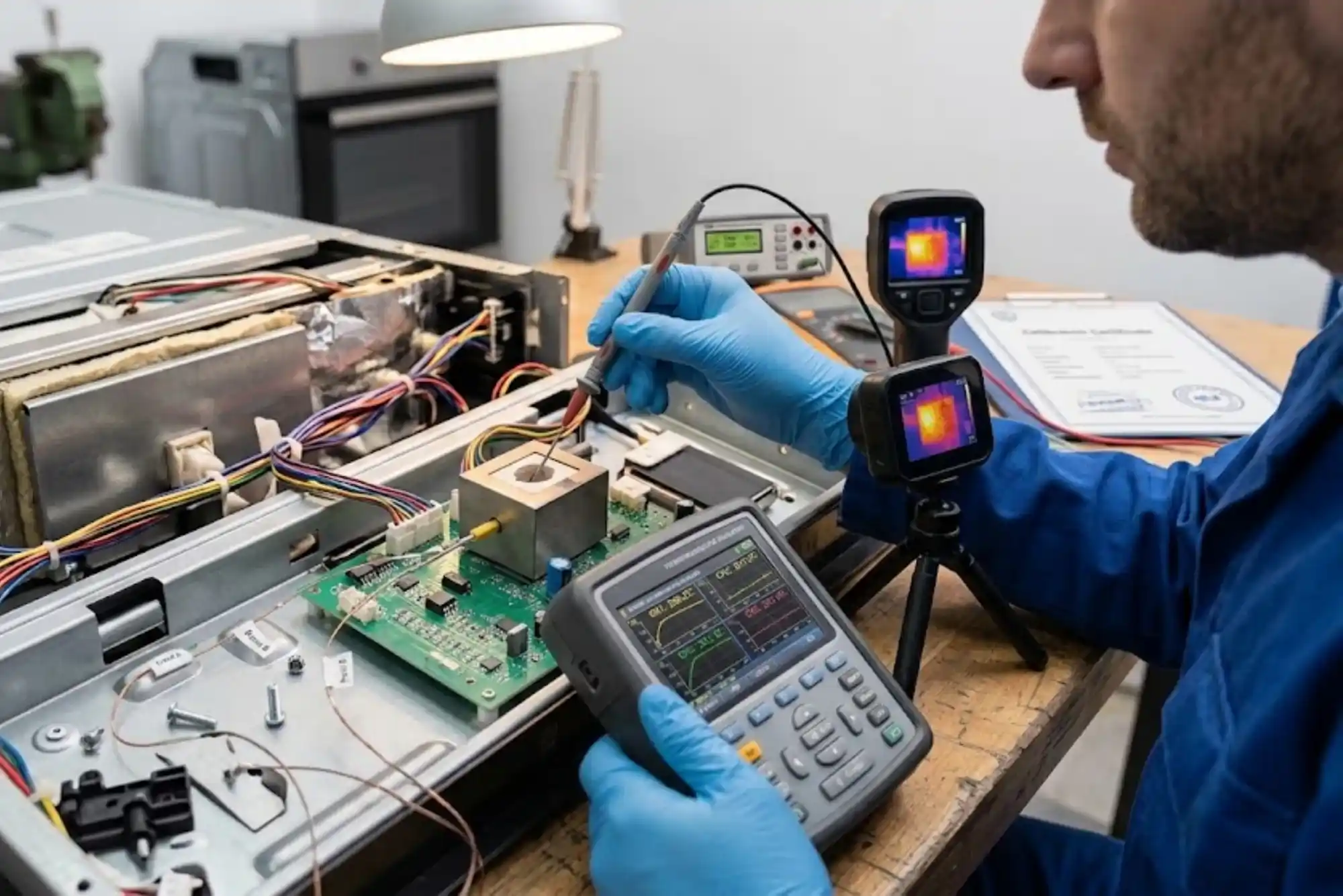
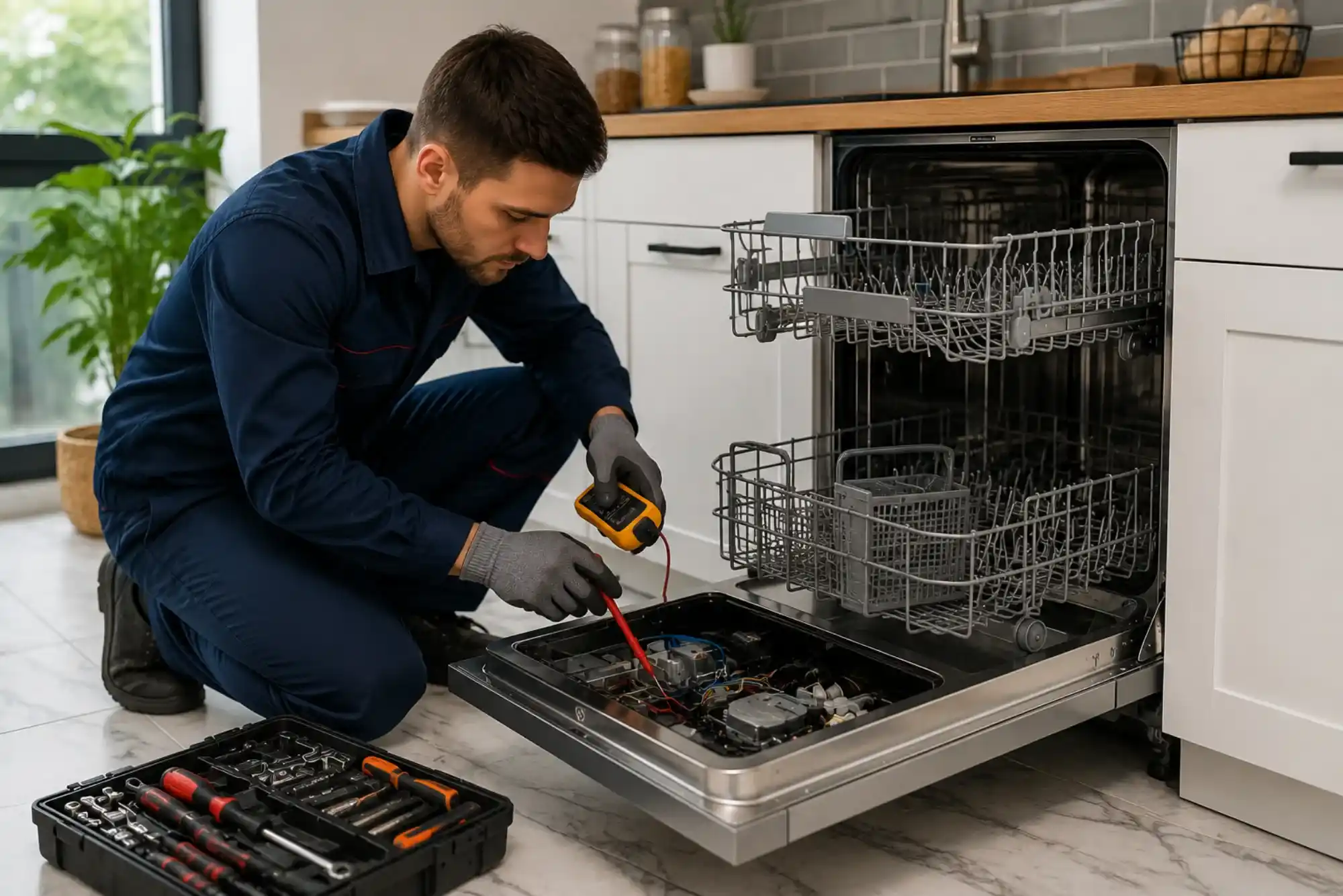
Safety is the primary concern when performing built-in oven removal for repair. Electrical ovens operate on high-voltage connections, which can pose serious risks if not handled properly. Disconnecting the power supply is only the first step; verifying the absence of live current with specialized equipment is equally important.
Gas ovens present additional challenges. Any mishandling of the gas line can result in leaks that compromise household safety. Technicians must ensure that the gas valve is fully shut off and that connections are sealed securely after disconnection.
Another safety consideration involves the weight of the appliance. Built-in ovens are heavy and often require two people to remove them safely. Attempting to lift or slide the unit alone can lead to injury or structural damage to cabinetry. Professional oven repair service providers use safe lifting techniques and protective materials to prevent scratches and dents.
Protecting Kitchen Cabinetry and Interior Design
Built-in ovens are integrated into custom cabinetry, which means removal must be performed carefully to preserve the surrounding design. Even minor scratches or chipped edges can affect the appearance of your kitchen.
Professional technicians take protective measures before removal. They place padding or protective coverings on nearby surfaces and carefully unscrew mounting hardware without forcing the unit out of place. This level of precision ensures that your cabinetry remains intact and your kitchen retains its original look after the repair process.
Proper built-in oven removal for repair also includes accurate reinstallation once the issue has been resolved. Ensuring the appliance is aligned correctly and secured firmly prevents vibration and future operational issues.
The Step-by-Step Professional Process
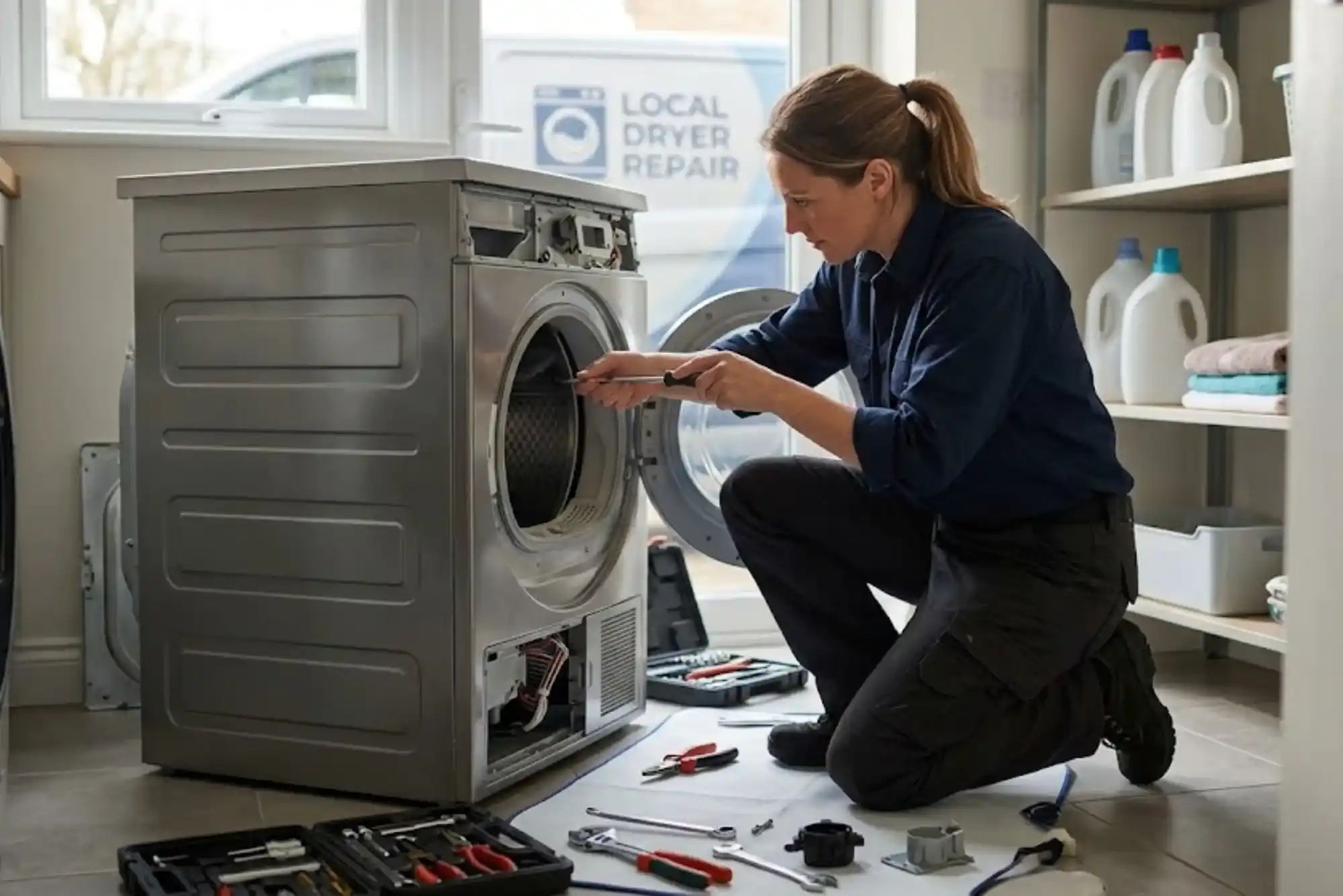
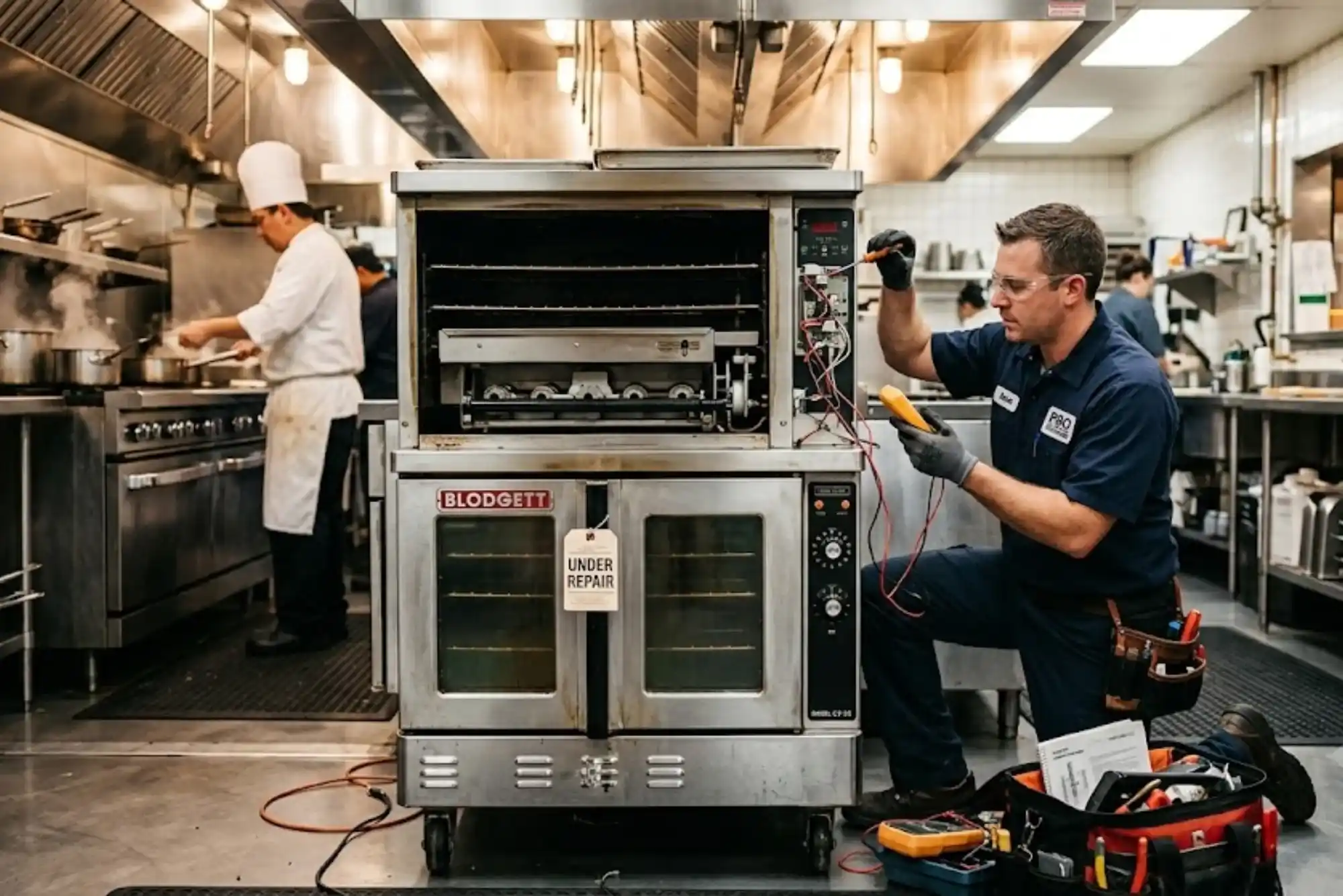
Although homeowners may be curious about how professionals perform built-in oven removal for repair, the process requires technical expertise. First, the technician disconnects the power supply at the breaker panel and confirms the oven is no longer receiving electricity. For gas units, the gas supply is shut off and the line is disconnected safely.
Next, mounting screws located along the oven frame are removed. These screws secure the appliance to the cabinet structure. Once detached, the oven is gently pulled forward while maintaining support underneath to prevent sudden drops.
After removal, the technician inspects wiring, connectors, and surrounding insulation for signs of damage. The appliance is then transported to a safe workspace for detailed diagnosis and repair. Once repairs are completed, the oven is reinstalled carefully and tested to ensure proper performance.
This thorough process highlights why hiring an oven repair service is the safest and most efficient choice.
Risks of DIY Built-In Oven Removal
While some homeowners may consider attempting built-in oven removal for repair on their own, the risks often outweigh the potential cost savings. Electrical hazards are a significant concern, especially in homes where wiring systems may be outdated or improperly labeled.
Incorrect disconnection can damage internal components, complicating the repair process and increasing expenses. Gas leaks are another serious risk in gas-powered models. Even a minor leak can create dangerous conditions.
There is also the risk of voiding manufacturer warranties. Many appliance warranties require professional servicing to remain valid. Choosing a certified oven repair service protects both your safety and your investment.
Signs You Need Immediate Professional Assistance
Certain warning signs indicate the need for immediate built-in oven removal for repair. If your oven produces burning smells, sparks, or unusual noises, it is important to turn off the appliance and contact a professional immediately. Frequent tripping of circuit breakers may signal internal wiring problems requiring prompt attention.
Inconsistent heating or failure to reach the desired temperature can also indicate component failure. Ignoring these issues can lead to further damage and higher repair costs over time.
By addressing problems early through a qualified oven repair service, homeowners can extend the lifespan of their appliance and maintain kitchen safety.
Choosing the Right Oven Repair Service
Selecting a reliable oven repair service is essential when dealing with built-in oven removal for repair. Experience, certification, and familiarity with various brands are key factors to consider. Professional technicians should be equipped with the necessary tools and diagnostic equipment to handle both electric and gas ovens.
Customer reviews and transparent pricing are additional indicators of service quality. A reputable provider prioritizes safety, efficiency, and customer satisfaction. They communicate clearly about the repair process and provide guidance on maintaining your oven after servicing.
Long-Term Benefits of Professional Removal and Repair
Investing in professional built-in oven removal for repair offers long-term benefits beyond immediate problem resolution. Proper handling reduces the likelihood of recurring issues caused by incorrect reinstallation or incomplete repairs. It also preserves the structural integrity of cabinetry and prevents cosmetic damage.
Professional servicing enhances appliance efficiency, ensuring consistent cooking performance and energy savings. With expert attention, your oven can continue operating reliably for years to come.
Additionally, routine inspections during removal allow technicians to identify potential issues before they become major problems. This proactive approach contributes to safer operation and improved longevity.
Maintaining Your Built-In Oven After Repair
After completing built-in oven removal for repair, proper maintenance is essential to keep the appliance functioning optimally. Regular cleaning prevents grease buildup that can affect heating elements and airflow. Ensuring adequate ventilation around the oven helps regulate temperature and prevent overheating.
Scheduling periodic inspections with a trusted oven repair service can further safeguard performance. Professional maintenance ensures that connections remain secure and components operate efficiently.
Built-in oven removal for repair is a complex and technical process that demands professional expertise. From disconnecting electrical or gas connections to safely extracting the appliance from custom cabinetry, every step must be handled with precision and care. Attempting to perform this task without proper training can lead to safety hazards, property damage, and increased repair costs.