An oven igniter clicking but not lighting is a problem many homeowners experience at some point, especially with gas ovens. At first, the sound may seem harmless, but when the oven fails to produce heat, it becomes a serious inconvenience. Cooking schedules are disrupted, meals are delayed, and concerns about safety quickly arise. This issue is not only frustrating but also a warning sign that your oven requires immediate attention from a professional oven repair service.
Modern ovens are designed to work efficiently and safely, but when the ignition system malfunctions, the entire appliance becomes unreliable. The clicking sound indicates that the oven is attempting to ignite gas, yet the absence of a flame means combustion is not occurring as intended. Understanding why this happens and how it should be addressed can help protect your appliance and your home.

Understanding the Oven Ignition Process
To fully understand why an oven igniter clicking but not lighting occurs, it is important to know how the ignition system functions. In a gas oven, the igniter is responsible for initiating combustion. When the oven is turned on, electrical current flows to the igniter, causing it to heat up. Once it reaches a specific temperature, the gas valve opens, allowing gas to flow toward the burner where it ignites.
The clicking noise often comes from the ignition attempt itself. It is a signal that the oven is trying to create a flame. However, when the igniter fails to reach the required temperature or when gas flow is disrupted, ignition does not occur. This results in repeated clicking without heat, indicating a malfunction that requires professional inspection.
Why the Oven Igniter Clicks Without Lighting
One of the most common reasons behind an oven igniter clicking but not lighting is a weakened igniter. Over time, igniters degrade due to continuous exposure to high temperatures. Even if the igniter still produces a clicking sound or faint glow, it may not be strong enough to trigger the gas valve properly. As a result, gas does not ignite, and the oven remains cold.
Another frequent cause is restricted gas flow. Gas ovens rely on a steady and precise supply of gas. If the gas line is partially blocked or if the burner ports are clogged with debris or grease, ignition becomes difficult. In such cases, the igniter may continue clicking while gas fails to ignite, leading to repeated unsuccessful ignition attempts.
Electrical issues can also contribute to this problem. Loose wiring, damaged connectors, or fluctuations in power supply can interfere with the igniter’s ability to function correctly. Because modern ovens rely heavily on electronic components, even minor electrical faults can disrupt the ignition sequence.
The Impact of a Faulty Igniter on Oven Performance
When the oven igniter clicks but does not light, overall oven performance suffers significantly. Heating becomes inconsistent or nonexistent, making it impossible to cook food evenly. Baking results become unpredictable, and roasting times increase dramatically. This not only affects meal quality but also wastes energy as the oven struggles to reach the desired temperature.
A faulty igniter also places additional stress on other oven components. The gas valve and control board may be forced to work harder due to repeated ignition attempts. Over time, this added strain can cause further damage, increasing repair costs and shortening the lifespan of the appliance. Seeking a professional oven repair service early can prevent these complications.
Safety Concerns Associated With Ignition Problems
Safety is one of the most important reasons to address an oven igniter clicking but not lighting without delay. When gas is released but not ignited properly, it can accumulate inside the oven cavity. This increases the risk of gas odors and poor indoor air quality, which can be harmful if inhaled over time.
In more severe cases, unignited gas can pose a fire hazard. Although modern ovens include safety features, relying on them alone is not enough. Continuous clicking combined with failed ignition is a clear signal that professional intervention is needed. A qualified oven repair service can ensure that all safety mechanisms are functioning correctly and that gas flow is properly controlled.
Why Professional Oven Repair Service Is Essential
While some homeowners may consider attempting a quick fix, working with gas appliances is never recommended without proper training. Gas systems are complex and require precise adjustments to ensure safe operation. A professional oven repair service has the expertise and tools needed to diagnose ignition problems accurately.
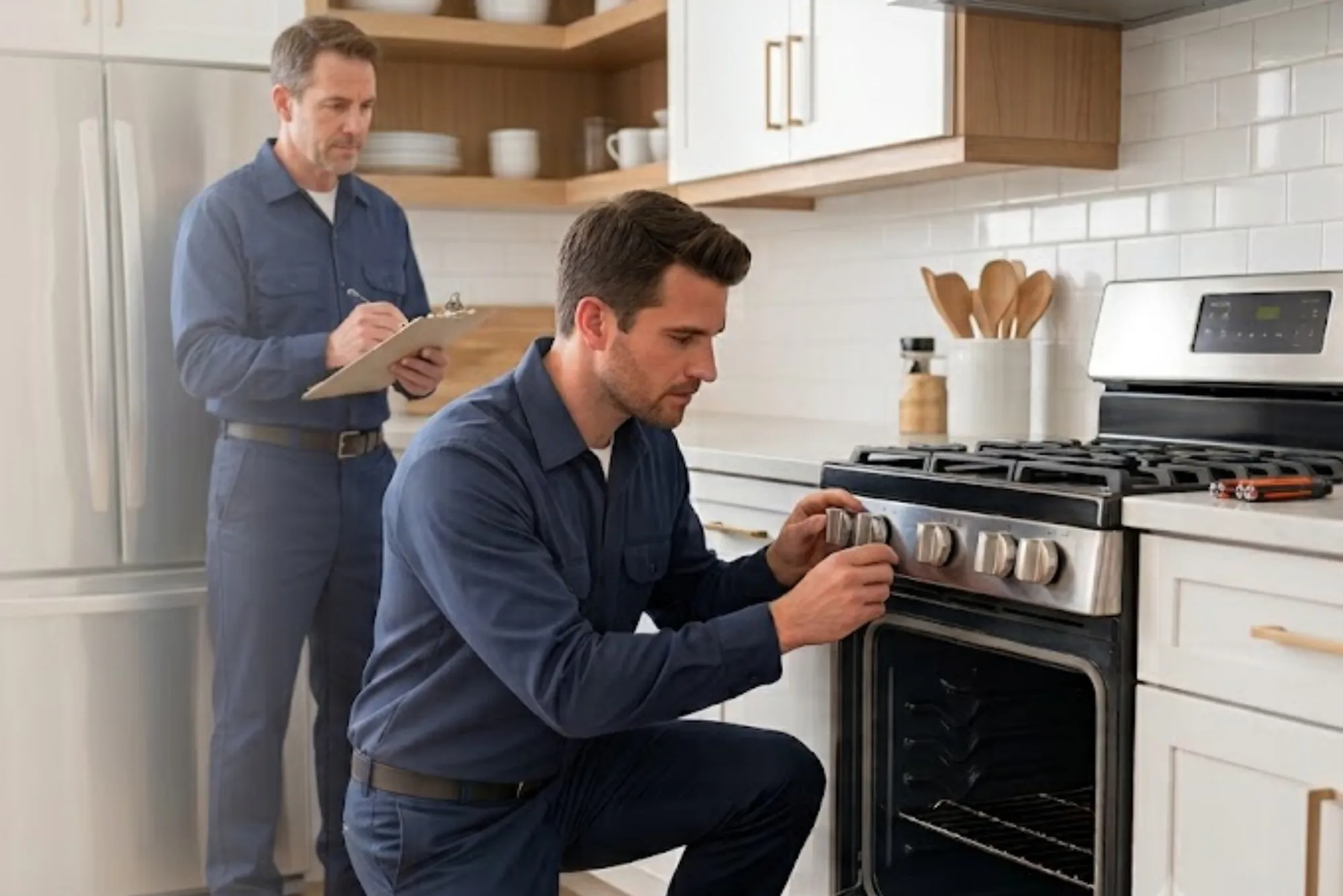
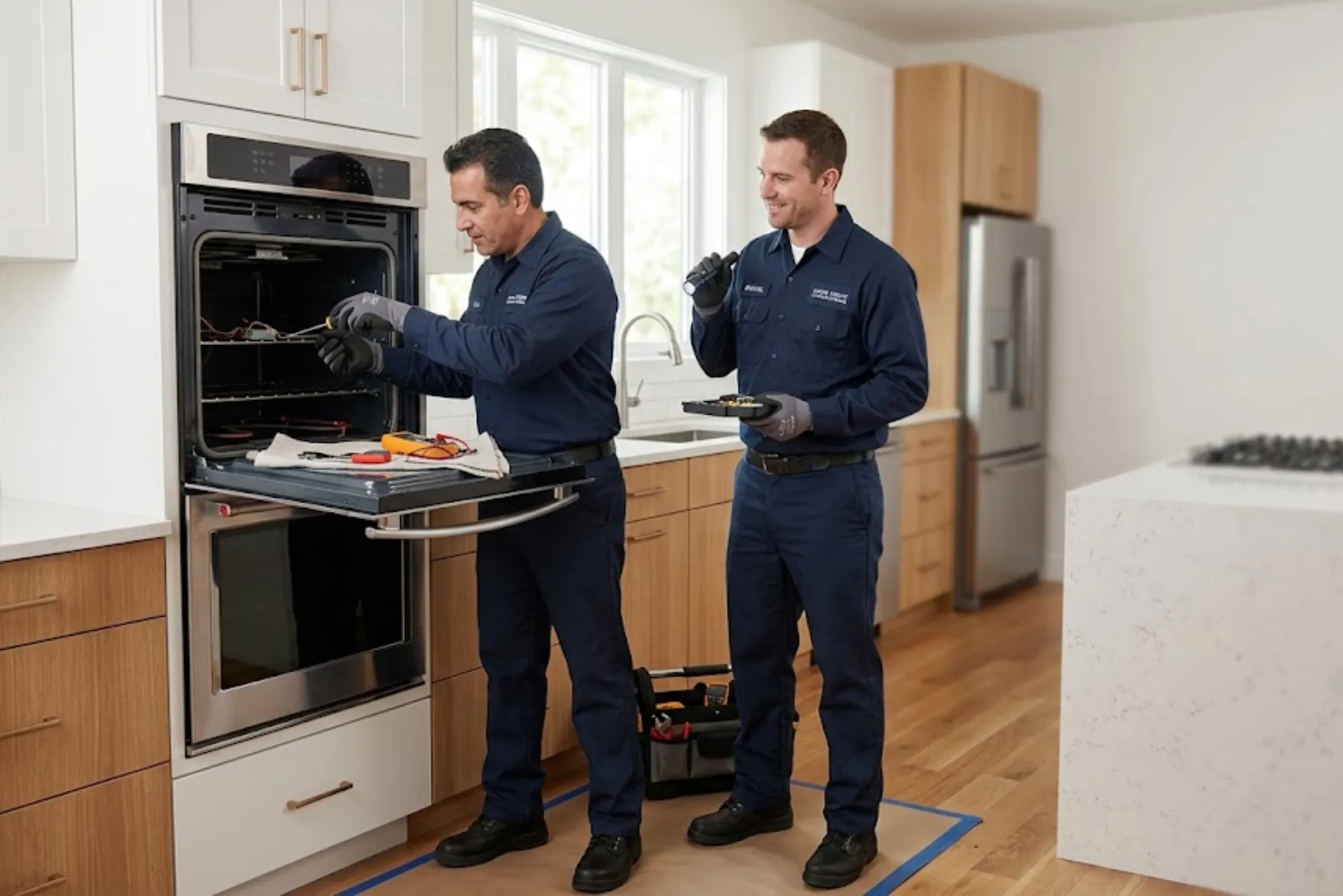
Professional technicians can measure igniter resistance, inspect gas valves, and evaluate electrical connections to determine the exact cause of the issue. This thorough approach ensures that the problem is resolved completely rather than temporarily masked. Attempting repairs without proper knowledge can lead to further damage or create dangerous conditions.
How Technicians Diagnose Ignition Issues
When you contact an oven repair service, the diagnostic process begins with a detailed inspection of the ignition system. Technicians assess the igniter’s condition, checking whether it heats up sufficiently to open the gas valve. They also examine the burner for blockages and verify that gas is flowing correctly.
Electrical components are tested to ensure that power is reaching the igniter consistently. Control boards and sensors are evaluated to confirm that they are sending the correct signals. This comprehensive diagnosis allows professionals to pinpoint the exact cause of the oven igniter clicking but not lighting and recommend the most effective solution.
Repairing Versus Replacing the Igniter
In many cases, a weakened or damaged igniter must be replaced to restore proper oven function. Igniters are wear-and-tear components, and replacement is often the most reliable solution. A professional oven repair service ensures that the correct igniter type is installed and calibrated properly for your specific oven model.
Replacing an igniter is a precise task that requires experience. Incorrect installation can result in continued ignition problems or even damage to other components. Professional repair ensures that the new igniter operates efficiently and safely, restoring consistent heating performance.
The Cost Benefits of Timely Repair
Addressing ignition issues early can save homeowners money in the long run. Ignoring a clicking igniter can lead to more extensive damage, requiring costly repairs or even complete oven replacement. A timely oven repair service can resolve the issue before it escalates.
Professional repairs also improve energy efficiency. When the oven ignites properly, it reaches the desired temperature faster and maintains consistent heat. This reduces gas consumption and lowers utility bills over time. Investing in professional repair is both cost-effective and environmentally responsible.
Preventing Future Ignition Problems
Regular maintenance plays a key role in preventing issues related to an oven igniter clicking but not lighting. Keeping the oven clean and free from grease buildup helps ensure proper gas flow and ignition. Routine inspections by a professional oven repair service can identify early signs of igniter wear before complete failure occurs.
Using the oven according to manufacturer guidelines also helps extend the life of ignition components. Avoiding unnecessary preheating and ensuring proper ventilation reduces stress on the igniter and burner system. With proper care, ignition problems can be minimized significantly.
Choosing a Reliable Oven Repair Service
Selecting the right oven repair service is essential for quality results. Experienced technicians with expertise in gas ovens are best equipped to handle ignition issues safely. A reputable service provider offers transparent pricing, clear communication, and reliable workmanship.
Customer satisfaction and safety should always be a top priority. A trusted oven repair service ensures that repairs meet industry standards and that your oven operates efficiently and securely after service.
An oven igniter clicking but not lighting is a clear indication that your oven requires professional attention. What may seem like a minor inconvenience can quickly turn into a safety hazard and lead to costly damage if ignored. Understanding the causes and risks associated with ignition problems empowers homeowners to take timely action.