Air conditioning systems are essential for comfort in homes, offices, and commercial spaces, especially in regions where temperatures rise dramatically during summer. When an air conditioner develops an electrical fault, the entire system’s performance is affected. Electrical issues can cause the unit to stop cooling, make unusual noises, or even fail to start altogether. Understanding the reasons behind these faults, their potential risks, and the importance of professional repair can help maintain both efficiency and safety.
Electrical faults in an AC are not limited to simple wiring issues. They often involve complex interactions between multiple components such as the compressor, capacitor, relay switches, and circuit boards. Each part of the system relies on a consistent electrical supply to function correctly. Even a minor malfunction can disrupt the entire process, leading to performance loss or equipment damage. This is why addressing AC electrical problems promptly through professional repair services is essential for ensuring long-term reliability.
Understanding Electrical Components in Air Conditioners
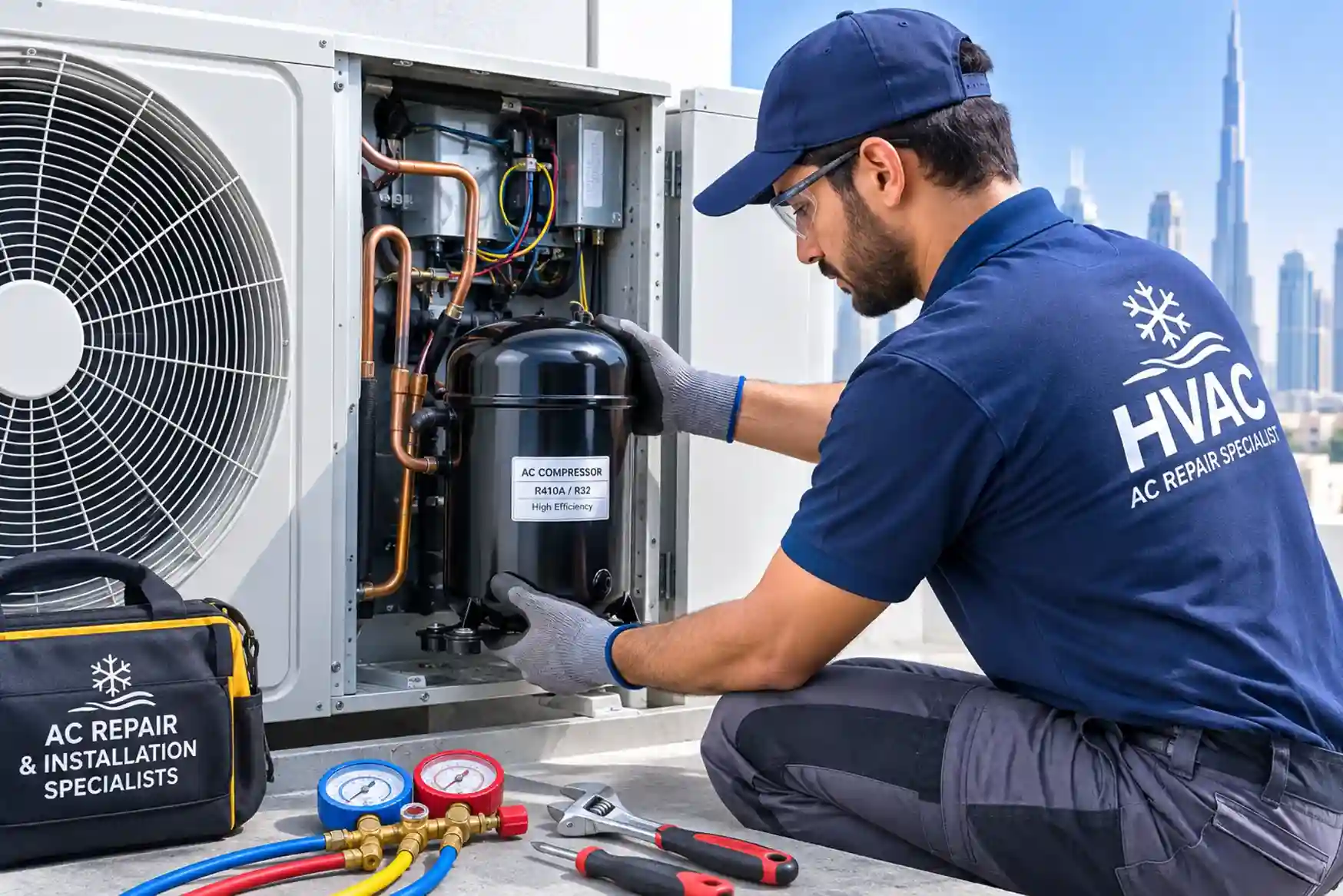
An air conditioner operates on both electrical and mechanical principles. Electricity powers the compressor, fan motor, and control system, which work together to regulate indoor temperature. The compressor is the heart of the unit and requires the correct voltage and amperage to start and run smoothly. If the current fluctuates or a connection is loose, the system experiences strain that may result in a complete breakdown.
Capacitors are another critical component in the electrical circuit. They store and release energy to help the compressor and fan motor start. When capacitors weaken or fail, the motor struggles to operate, causing intermittent performance or frequent tripping of circuit breakers. Relays, fuses, and control boards also play a key role in regulating how the electrical current flows through the system. A fault in any of these parts can cause immediate or gradual damage to the entire air conditioner.
Common Causes of Electrical Faults in Air Conditioners
Air conditioners are exposed to various environmental and operational stresses that can lead to electrical failures. Overheating is a common cause, often resulting from poor ventilation or dust accumulation on components. Continuous heat exposure degrades wiring insulation, leading to short circuits or power loss. Another frequent cause is voltage fluctuation, especially in regions where the power supply is inconsistent. Sudden voltage surges can damage sensitive components like capacitors or circuit boards.
Moisture is also a major factor that contributes to electrical faults. When condensation builds up inside the unit, it can corrode connections or create short circuits. Improper installation or low-quality materials may further increase the risk of faults. Aging units are particularly vulnerable because their components naturally deteriorate over time, making them more prone to electrical failure. Regular inspection and preventive maintenance help detect these issues early, ensuring the system runs efficiently.
Signs of Electrical Faults in AC Systems
Electrical faults in an air conditioner rarely occur without warning. There are usually early signs that indicate something is wrong. One of the most noticeable symptoms is frequent tripping of the circuit breaker. This occurs when the AC draws more current than the circuit can handle. Another common sign is unusual buzzing or clicking sounds coming from the unit, which often indicate problems with the electrical relay or capacitor.
Flickering lights in the room when the AC starts could also suggest that the system is consuming excessive current. A burning smell is a serious warning that the wiring insulation might be melting due to overheating. In some cases, the unit may fail to turn on entirely, which can result from damaged control boards or blown fuses. Paying attention to these signs and calling for immediate professional service can prevent extensive damage and safety hazards.
Importance of Professional AC Electrical Fault Repair
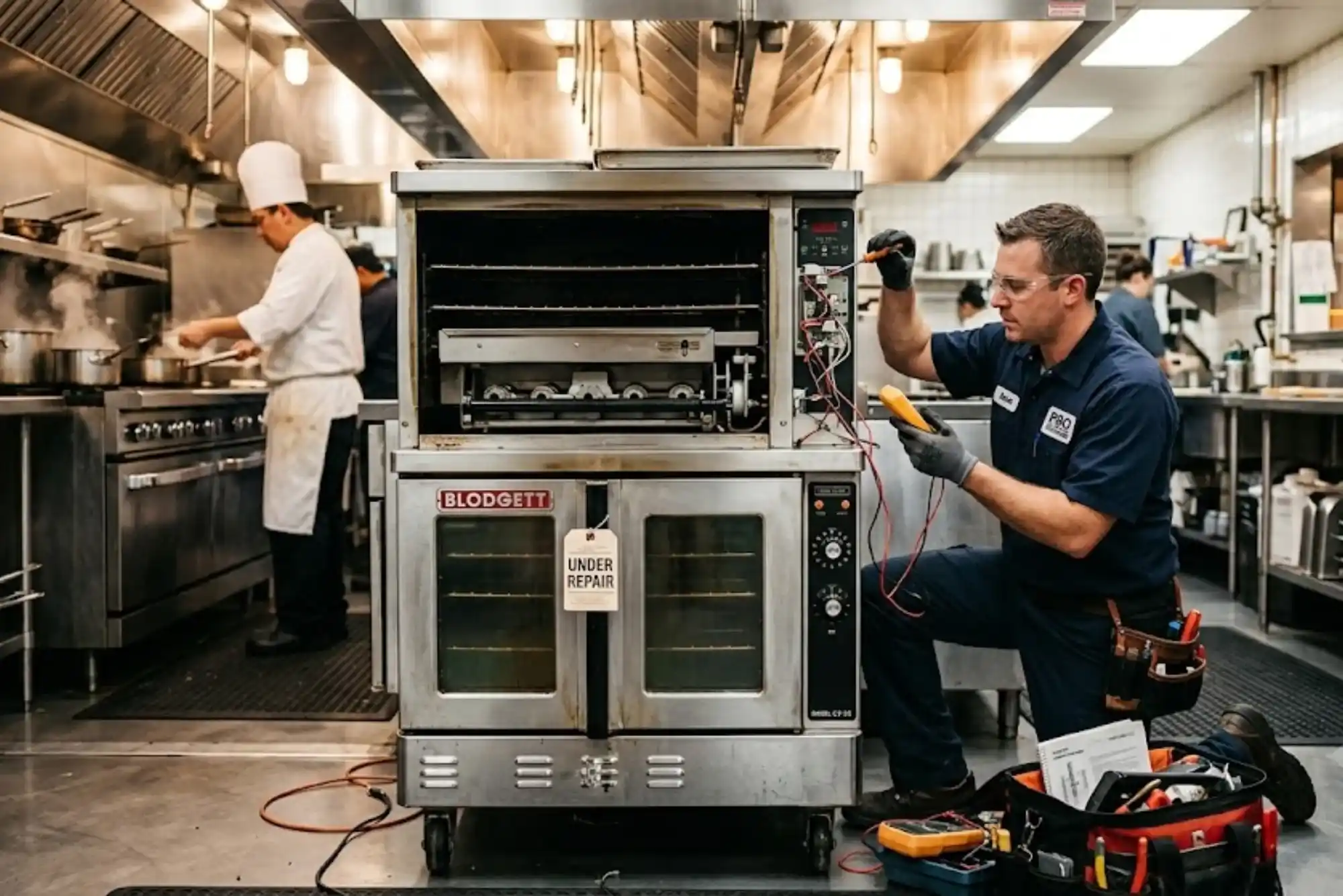
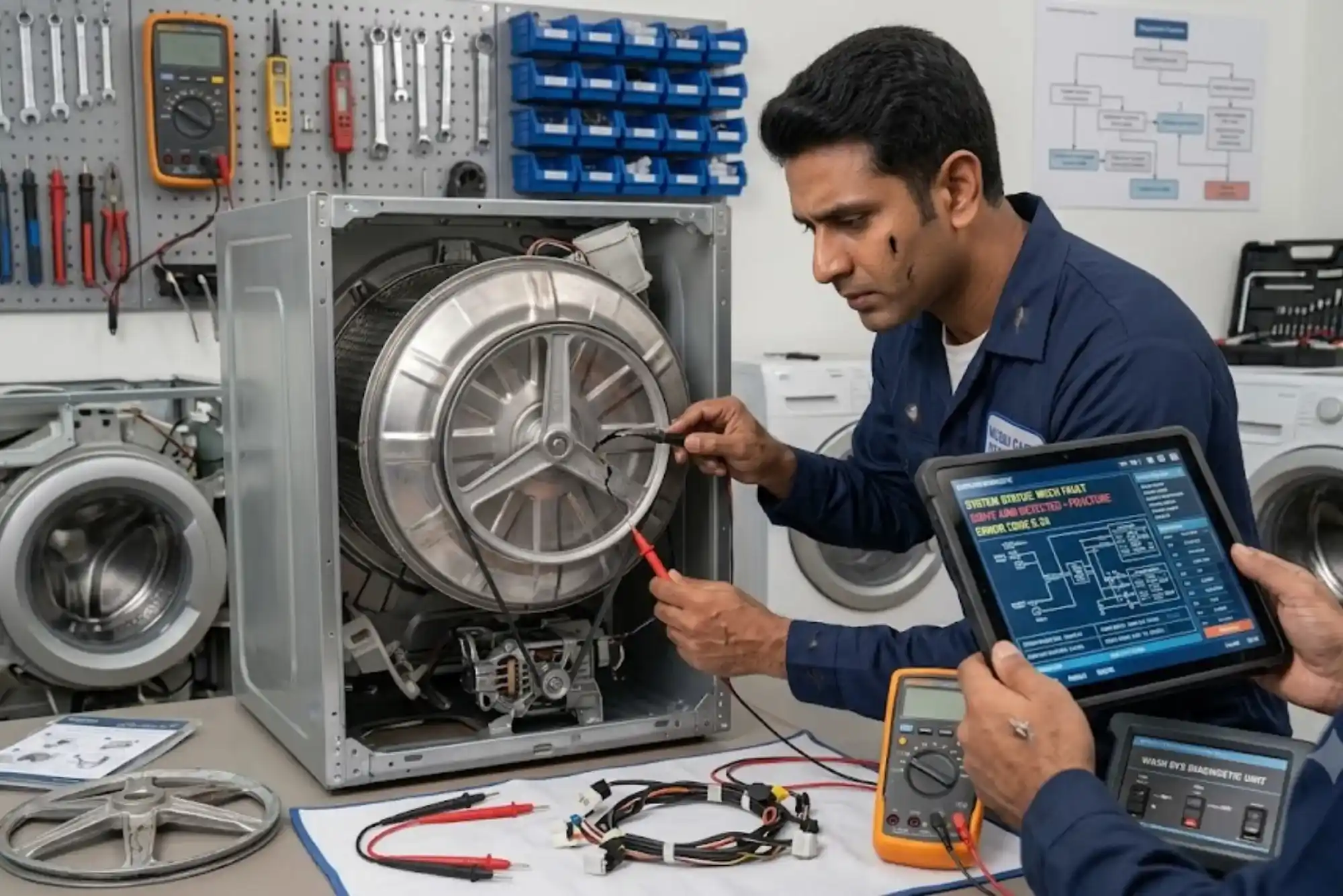
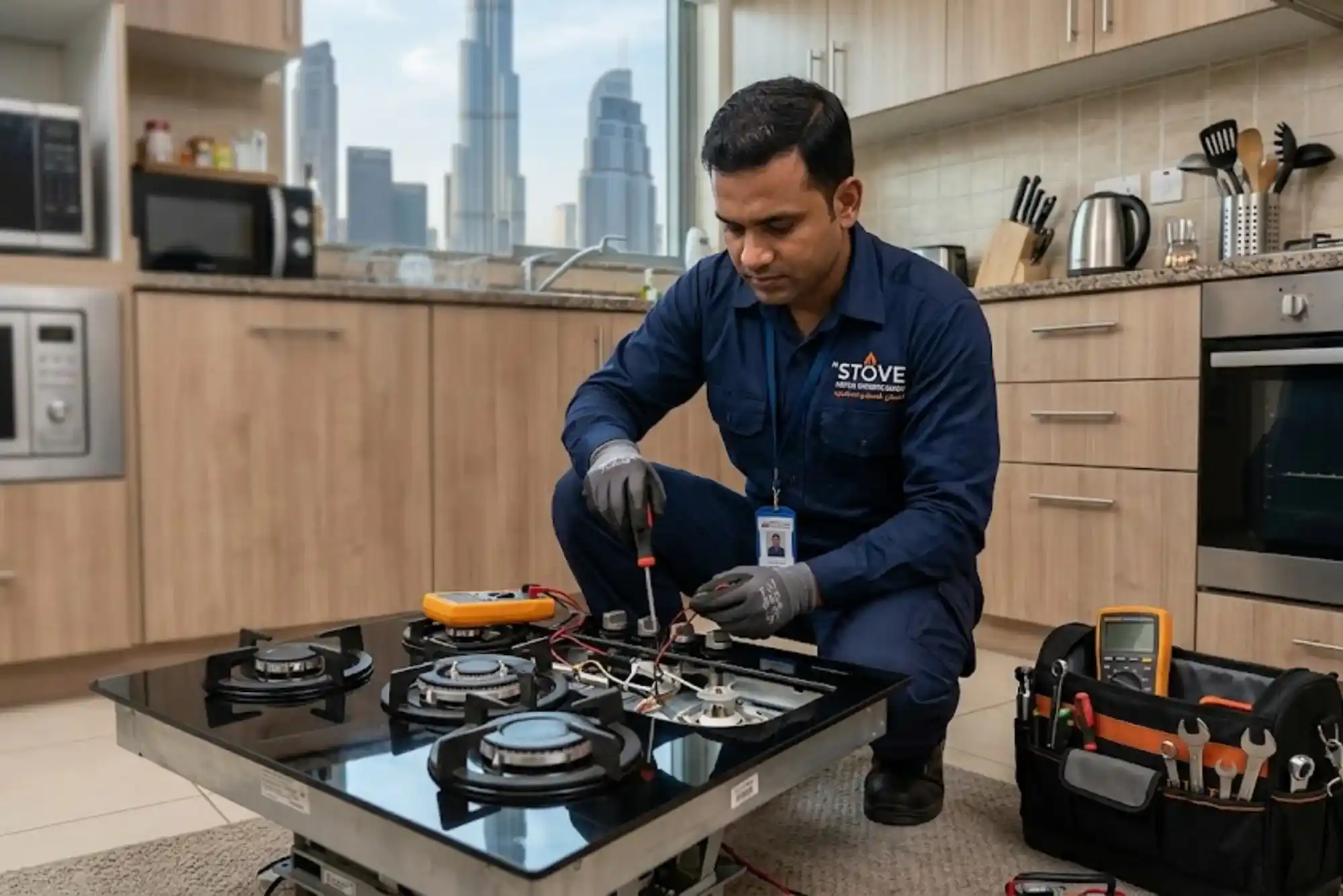
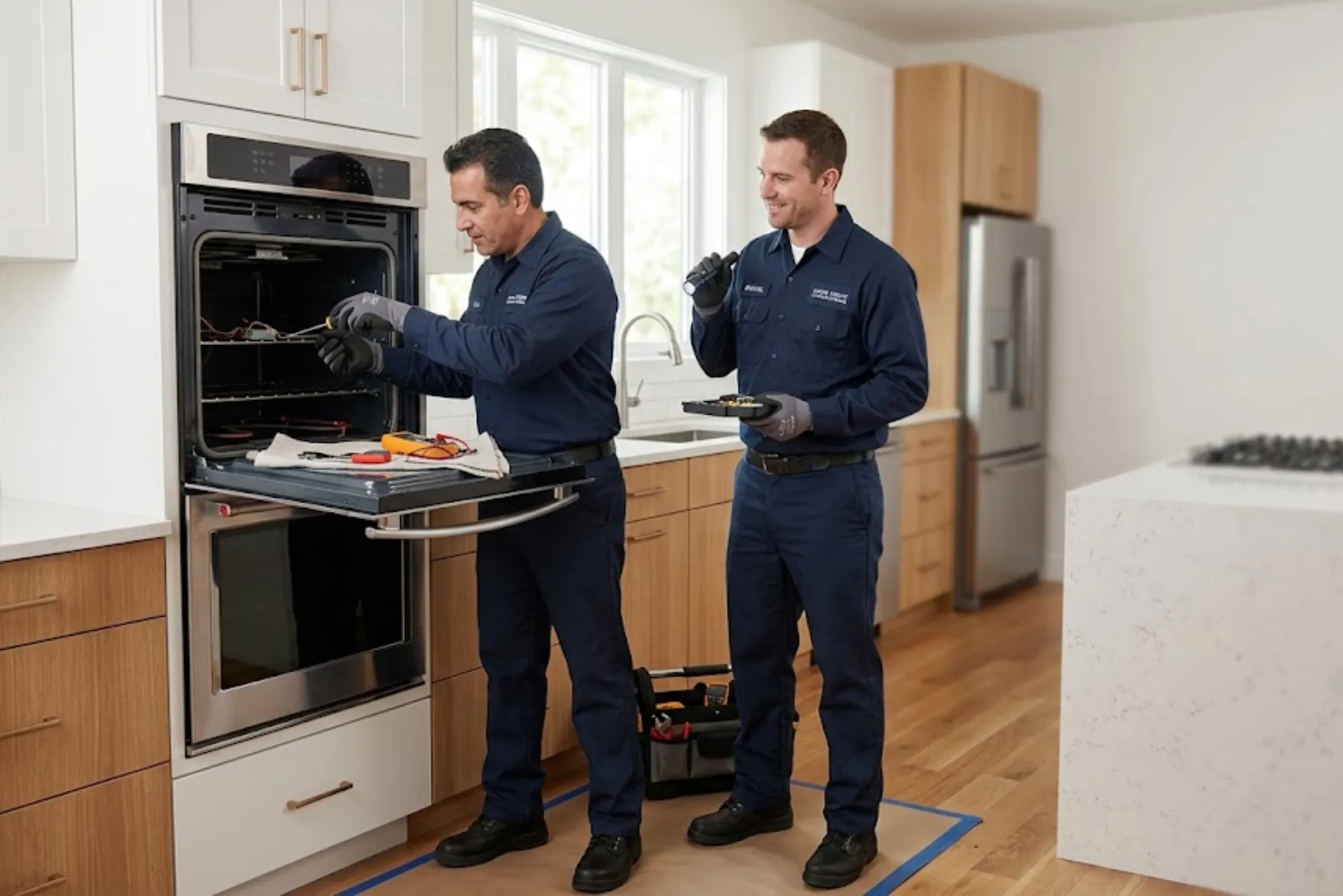
Attempting to repair an air conditioner without technical knowledge can be dangerous. Electrical systems in AC units carry high voltage, and even minor mishandling can cause shocks or further damage. Professional technicians are trained to diagnose and fix electrical faults safely. They use specialized tools such as multimeters and circuit analyzers to measure voltage, resistance, and current flow, allowing them to locate faults accurately.
Professionals not only repair visible issues but also perform comprehensive testing to ensure the problem does not recur. They check wiring continuity, inspect capacitor health, and ensure that the compressor and fan motors receive the correct electrical input. Moreover, professional repair extends the lifespan of the unit by restoring its performance and preventing future breakdowns. Reliable service also ensures that the AC operates within safety standards, reducing the risk of electrical fires.
The Process of Diagnosing and Repairing Electrical Faults
Diagnosing electrical faults in an AC involves several steps. Technicians start by turning off the power and examining all electrical connections for signs of corrosion, burning, or loose fittings. They then test the circuit for continuity to ensure there are no breaks in the wiring. If the capacitor is suspected to be faulty, its charge is measured to verify its efficiency. Any component that shows abnormal readings is replaced or repaired.
In cases where the compressor does not start, the technician may check the relay switch or overload protector. Control boards are inspected for damage caused by voltage spikes or moisture. Once the problem is identified, the repair process begins, which may involve rewiring, replacing parts, or cleaning corroded terminals. After repairs are completed, the system is tested under load to confirm that electrical flow is stable and the AC functions correctly.
Preventive Maintenance for Electrical Health
Preventive maintenance is the most effective way to reduce the likelihood of electrical faults. Regular servicing ensures that all connections are secure, components are clean, and voltage levels remain within safe limits. Technicians can identify early signs of wear before they lead to complete failure. Cleaning dust and debris from coils and electrical panels prevents overheating, while checking capacitors and relays ensures smooth operation.
Maintaining proper airflow around the unit also contributes to electrical stability, as overheating components draw excess current, putting additional strain on the system. Routine maintenance not only prevents sudden breakdowns but also improves energy efficiency, which lowers electricity bills and enhances cooling performance.
Why Timely Repair Matters
Delaying AC electrical fault repair can cause extensive damage and increase costs. A small wiring issue can quickly escalate into a burned circuit board or damaged compressor if ignored. Faulty electrical connections can also lead to unsafe conditions such as electrical fires or complete system failure. Timely repairs protect the system from further deterioration and ensure consistent cooling.
Addressing faults promptly also saves energy. When electrical components function properly, the unit operates more efficiently, reducing unnecessary power consumption. This not only cuts down on utility expenses but also minimizes the environmental impact of excessive energy use. Regular inspection and quick response to faults are therefore essential to maintaining long-term performance and safety.
Professional Expertise and Safety
Air conditioners combine electrical, mechanical, and refrigerant systems that must work together seamlessly. Repairing electrical faults without proper understanding of these systems can compromise safety. Professional technicians undergo training to handle high-voltage equipment safely while following strict safety protocols. They know how to isolate power sources, discharge capacitors safely, and replace components according to manufacturer standards.
Qualified service providers ensure that every repair complies with safety codes, protecting both the appliance and the occupants of the building. They also provide valuable guidance on preventing future issues by recommending surge protectors, stable voltage supply solutions, and regular inspection schedules. Relying on professional expertise guarantees that repairs are thorough, safe, and effective.
The Role of Technology in Modern AC Repairs
Modern air conditioners use advanced technologies such as electronic control boards, digital sensors, and smart thermostats. These innovations make systems more efficient but also more complex to repair. Diagnosing electrical faults in modern AC units often involves reading error codes and analyzing electronic data. Professional technicians use diagnostic software and specialized equipment to interpret signals from sensors and controllers.
Technology also helps improve precision during repairs. Infrared thermometers, clamp meters, and circuit scanners enable accurate detection of faults without unnecessary dismantling. This combination of human skill and modern tools ensures that electrical issues are repaired quickly and correctly, minimizing downtime for homeowners or businesses.
Conclusion
AC electrical faults can occur for various reasons, from minor wiring issues to major component failures. Regardless of the cause, these problems require professional attention to ensure safety, efficiency, and long-term reliability. Attempting to fix electrical faults without expertise can lead to more serious damage or personal injury.
Professional AC electrical fault repair not only restores performance but also prevents future failures through proper diagnosis, repair, and maintenance. Regular servicing and timely intervention keep the air conditioner running efficiently, providing comfort and reliability even in the harshest climates.
A well-maintained air conditioning system is more than a luxury; it is an essential part of modern living. By investing in professional repair and preventive care, homeowners and businesses can enjoy continuous cooling performance while ensuring the safety and durability of their electrical systems.