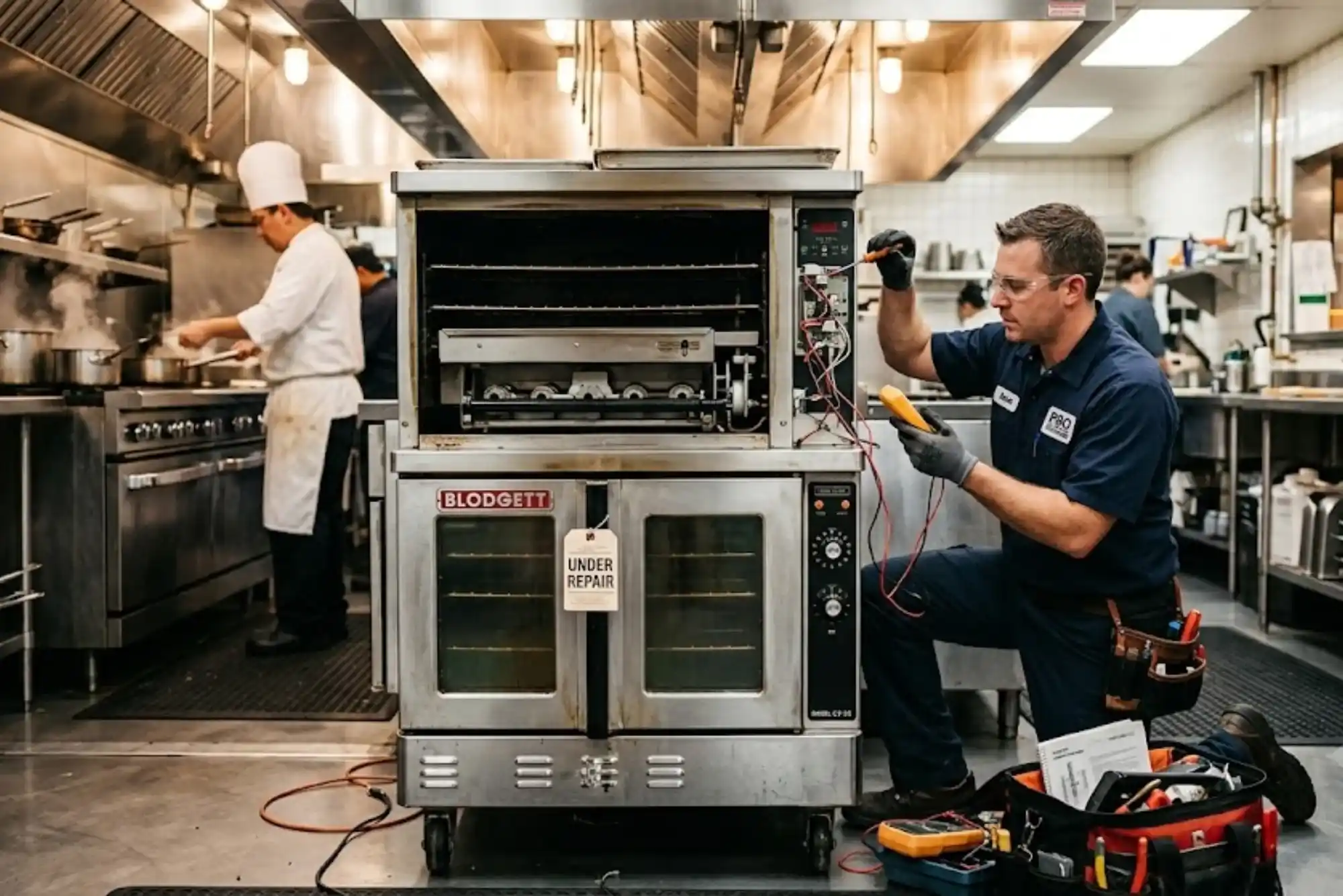
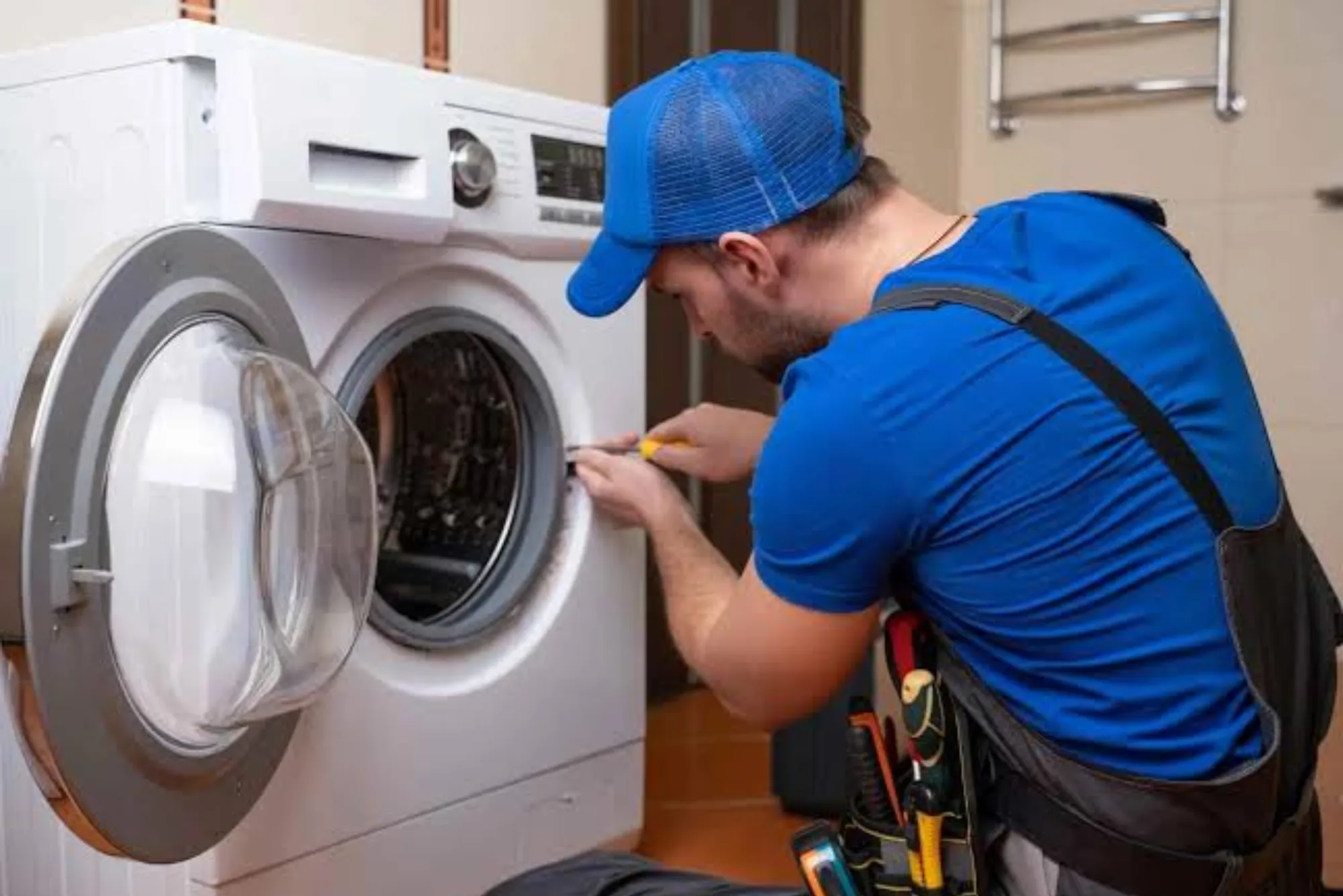
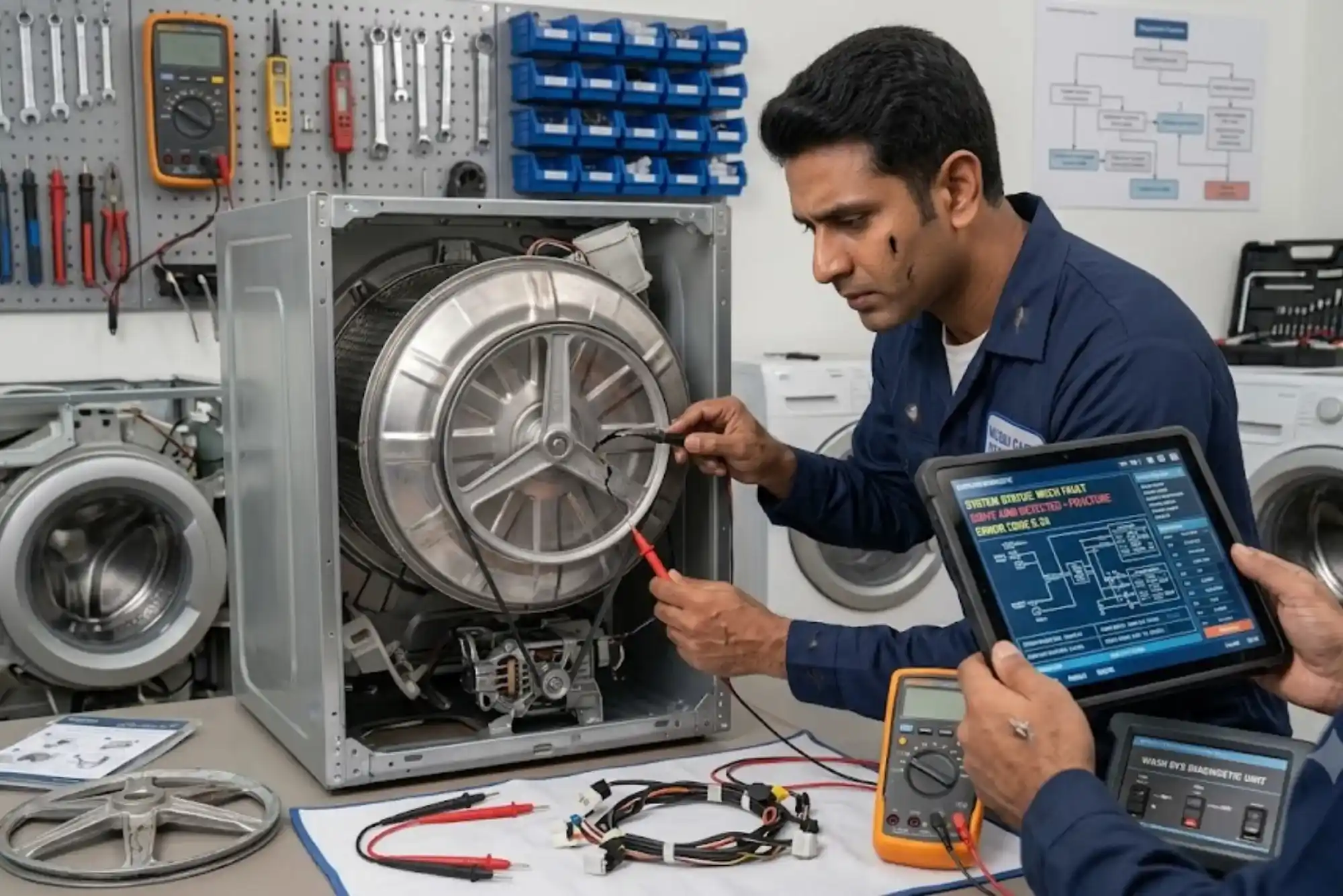
Ovens are a cornerstone of modern kitchens, enabling precise cooking, baking, and roasting. However, one common issue that disrupts kitchen efficiency is oven underheating. This problem occurs when the oven fails to reach the desired temperature, resulting in uneven cooking, extended cooking times, or even spoiled recipes. Oven underheating can stem from various factors, ranging from simple calibration issues to serious mechanical or electrical faults. Understanding the principles of oven underheating troubleshooting is essential for homeowners seeking to restore full appliance functionality and ensure reliable performance in their kitchens.
Understanding Oven Underheating
Oven underheating is characterized by the inability of the appliance to reach the temperature set on its control panel. The problem can be subtle at first, with the oven appearing to operate normally while producing inconsistent cooking results. In some cases, the oven may heat slowly or fail to maintain a stable temperature, causing dishes to bake unevenly or requiring longer cooking times. Recognizing these symptoms early is crucial for timely intervention, preventing further damage, and maintaining a safe cooking environment.
The reasons behind underheating can vary significantly. In electric ovens, faulty heating elements or electrical connections often play a role, while in gas ovens, improper gas flow or a malfunctioning burner may be the cause. Mechanical components such as thermostats and fans can also contribute to temperature inconsistencies. Identifying the specific cause requires careful observation, systematic troubleshooting, and sometimes professional evaluation.
Common Causes of Oven Underheating
One of the primary reasons ovens underperform is a faulty heating element. In electric ovens, heating elements are responsible for generating the necessary heat for baking and roasting. If an element is partially damaged, it may still glow but fail to reach full temperature, resulting in underheating. Gas ovens can experience similar problems when burners become clogged, preventing the flame from distributing heat evenly.
Another frequent cause of oven underheating is a malfunctioning thermostat. The thermostat controls the internal temperature by regulating the heat output. When it sends inaccurate signals to the oven’s control board, the appliance may fail to reach the set temperature. Thermostat issues can manifest as consistent underheating, where the oven never heats above a certain level regardless of the settings.
Calibration errors can also lead to underheating. Over time, oven dials or digital controls may drift, causing a difference between the selected temperature and the actual heat inside the oven. While some ovens allow for manual recalibration, others require professional adjustments to ensure precise temperature control.

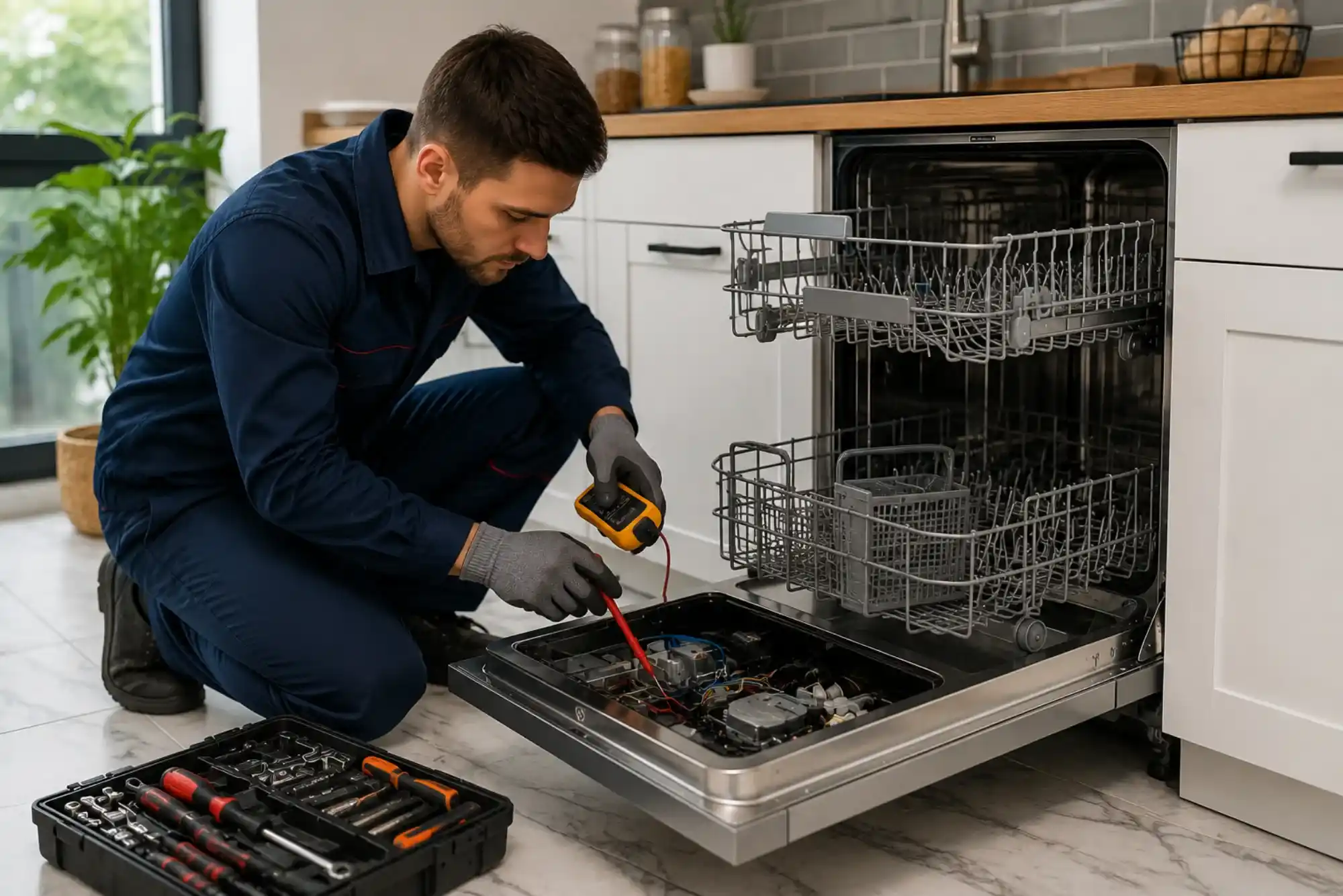
Electrical problems are another potential factor in underheating, particularly in electric ovens. Loose wiring, damaged circuits, or faulty control boards can disrupt the flow of electricity to the heating elements, reducing overall performance. Addressing these issues without technical expertise can be dangerous, so professional inspection is recommended.
Proper airflow inside the oven is essential for even heat distribution. Obstructions in vents, accumulation of grease, or malfunctioning fans can prevent hot air from circulating effectively, causing certain areas of the oven to remain cooler. In gas ovens, insufficient gas supply or defective gas valves may also result in lower temperatures. Gas ovens require careful handling due to safety risks associated with leaks or improper connections.
Step-by-Step Oven Underheating Troubleshooting
Addressing oven underheating requires a systematic approach to identify and resolve the underlying issues. Safety is paramount, so it is important to disconnect the appliance from its power source before attempting any checks. In electric ovens, inspecting the heating elements for visible damage is a critical first step. Elements that show signs of cracks or burn marks may be partially functional but incapable of achieving the desired temperature. Observing whether the elements glow evenly when turned on can also provide insight into their condition.
Testing the thermostat is another essential step in troubleshooting. An oven thermometer can be used to compare the actual internal temperature with the selected setting. A significant discrepancy indicates a potential thermostat issue, which may require recalibration or replacement. Some oven models allow users to adjust the temperature settings manually, while others necessitate professional servicing to ensure accurate performance.
Calibration checks can help correct temperature inconsistencies. Oven manuals typically provide guidance on adjusting calibration settings for both electric and gas models. Accurate calibration ensures that the oven heats according to the displayed temperature, reducing cooking errors and improving consistency. Electrical connections should also be inspected for safety. Loose wires or damaged components can interfere with power supply to the heating elements, impacting oven performance. Only trained professionals should handle electrical repairs to avoid the risk of shock or further appliance damage.
Maintaining proper airflow is crucial for even heating. Cleaning the oven’s interior, including racks, trays, and vents, helps remove accumulated grease and debris that may obstruct airflow. Ensuring that fans and ventilation systems operate correctly contributes to uniform temperature distribution, preventing underheating in specific areas. In gas ovens, verifying the gas supply and inspecting burners for clogs or blockages is essential. Any issues with gas flow should be addressed by a licensed technician to prevent safety hazards such as leaks or incomplete combustion.
Preventive Measures to Avoid Oven Underheating
Preventing oven underheating involves proactive care and routine maintenance. Regular cleaning prevents the buildup of grease and debris that can block airflow and reduce heating efficiency. Periodic professional inspections ensure that heating elements, thermostats, and electrical components function properly, reducing the risk of underheating over time. Monitoring temperature accuracy with an oven thermometer allows homeowners to detect minor discrepancies before they escalate into significant problems. Avoiding overloading the oven also promotes even heat distribution, while proper ventilation ensures that gas and electric ovens operate safely and efficiently.
When to Call a Professional
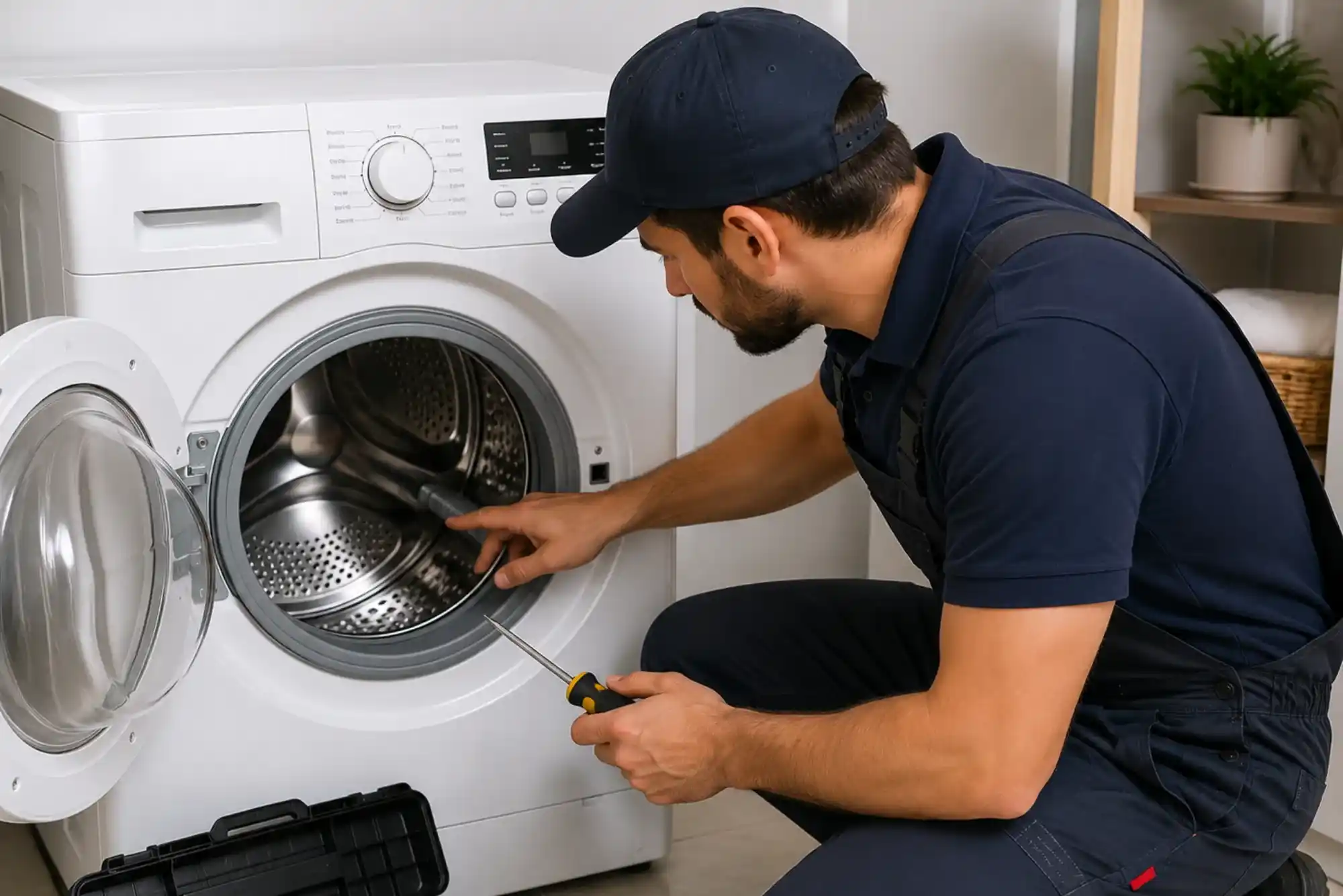
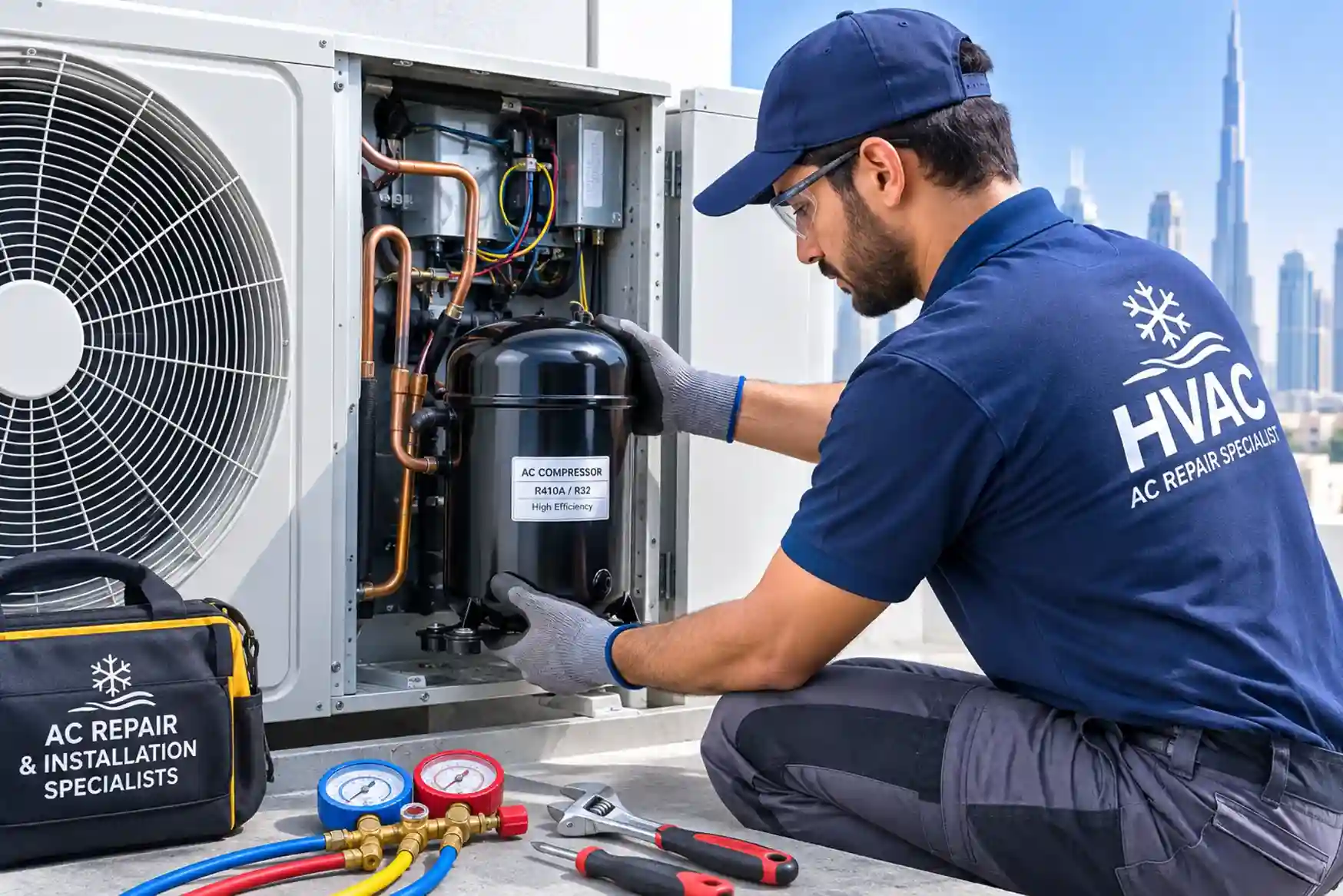
While some minor troubleshooting steps can be performed by homeowners, persistent underheating or complex issues should be handled by professional technicians. Skilled oven repair specialists possess the tools, knowledge, and experience necessary to perform in-depth diagnostics and safely replace faulty components. Professional services offer home visits in Dubai, allowing repairs to be conducted efficiently without disrupting daily routines. By using genuine replacement parts and following manufacturer standards, these experts ensure that ovens are restored to optimal performance, providing consistent heat for cooking and baking.
Attempting advanced electrical or gas repairs without proper training can be hazardous. Professionals not only address underheating problems but also perform preventive maintenance, enhancing the longevity and reliability of the appliance. Their expertise guarantees that all repairs comply with safety standards, giving homeowners peace of mind.
Oven underheating troubleshooting is a vital aspect of maintaining kitchen efficiency and achieving consistent cooking results. Recognizing the signs of underheating, understanding common causes, and applying careful troubleshooting techniques allow homeowners to address issues before they escalate. Regular maintenance, proper calibration, and safe handling of appliances reduce the likelihood of persistent problems and extend the oven’s lifespan.
In Dubai, professional oven repair services provide comprehensive solutions for all underheating issues. Their expertise ensures that both electric and gas ovens perform reliably, delivering the precise temperatures required for successful cooking and baking. By combining preventive care with timely professional intervention, homeowners can maintain optimal appliance performance, enjoy consistent culinary results, and avoid the frustrations of underheating ovens.