The stove is one of the most frequently used appliances in every kitchen. Whether it’s used for daily cooking or occasional meal preparation, it remains an essential part of home functionality. However, over time, components like control knobs can wear out, break, or become less responsive. When this happens, simple tasks like adjusting the flame or temperature become frustrating. Replacing stove control knobs may seem like a small maintenance job, but it plays a vital role in restoring both the performance and safety of your appliance.
Replacing stove knobs might appear straightforward, yet it requires a careful approach. These knobs are not just decorative; they directly connect to the control mechanisms that regulate the gas or electric flow. Any mistake in fitting or handling can affect accuracy or even create safety hazards. Understanding how to perform this replacement safely and correctly helps homeowners maintain both reliability and peace of mind.
Understanding the Role of Control Knobs
Control knobs are more than just switches that turn burners on and off. They connect directly to the valve stem, which regulates how much gas or electricity reaches the heating element. A properly functioning knob ensures precise control over heat levels, allowing for accurate cooking. Over time, these knobs may crack, loosen, or lose their grip on the valve stem due to regular use or exposure to heat.
In gas stoves, damaged knobs may even prevent proper flame regulation, which can be risky if gas continues to flow unnoticed. In electric models, malfunctioning knobs can cause inaccurate temperature adjustments, leading to overcooked or undercooked food. This is why knowing how to replace these parts correctly is essential for maintaining both safety and performance.
Reasons for Knob Replacement
There are several reasons homeowners need to replace stove control knobs. Continuous exposure to heat can cause the plastic or metal materials to degrade. Knobs may crack, discolor, or melt over time, especially if used near high heat for long periods. Sometimes, knobs simply become loose and start slipping, making it hard to adjust the flame or heat precisely.
Accidental damage is also common. Knobs can break when excessive force is used or when cleaning products seep inside the connection point, causing corrosion or internal wear. In other cases, old knobs may not fit tightly after years of use. Replacing them ensures a smoother and safer cooking experience, keeping your stove operating as it should.

Preparation Before Replacement
Before replacing any stove knob, it’s crucial to ensure safety. Always turn off the stove completely, and if it’s a gas stove, make sure the gas supply is closed. Allow the appliance to cool down completely before touching any part. Some users may assume that replacing a knob is harmless, but handling it while the stove is still warm can cause injury or accidental ignition.
It’s also important to identify the model of your stove. Different brands and designs use unique knob fittings. Using the wrong type can lead to improper alignment or damage to the valve stem. When in doubt, consult the manufacturer’s guide or a professional technician who can confirm the correct replacement part.
The Replacement Process
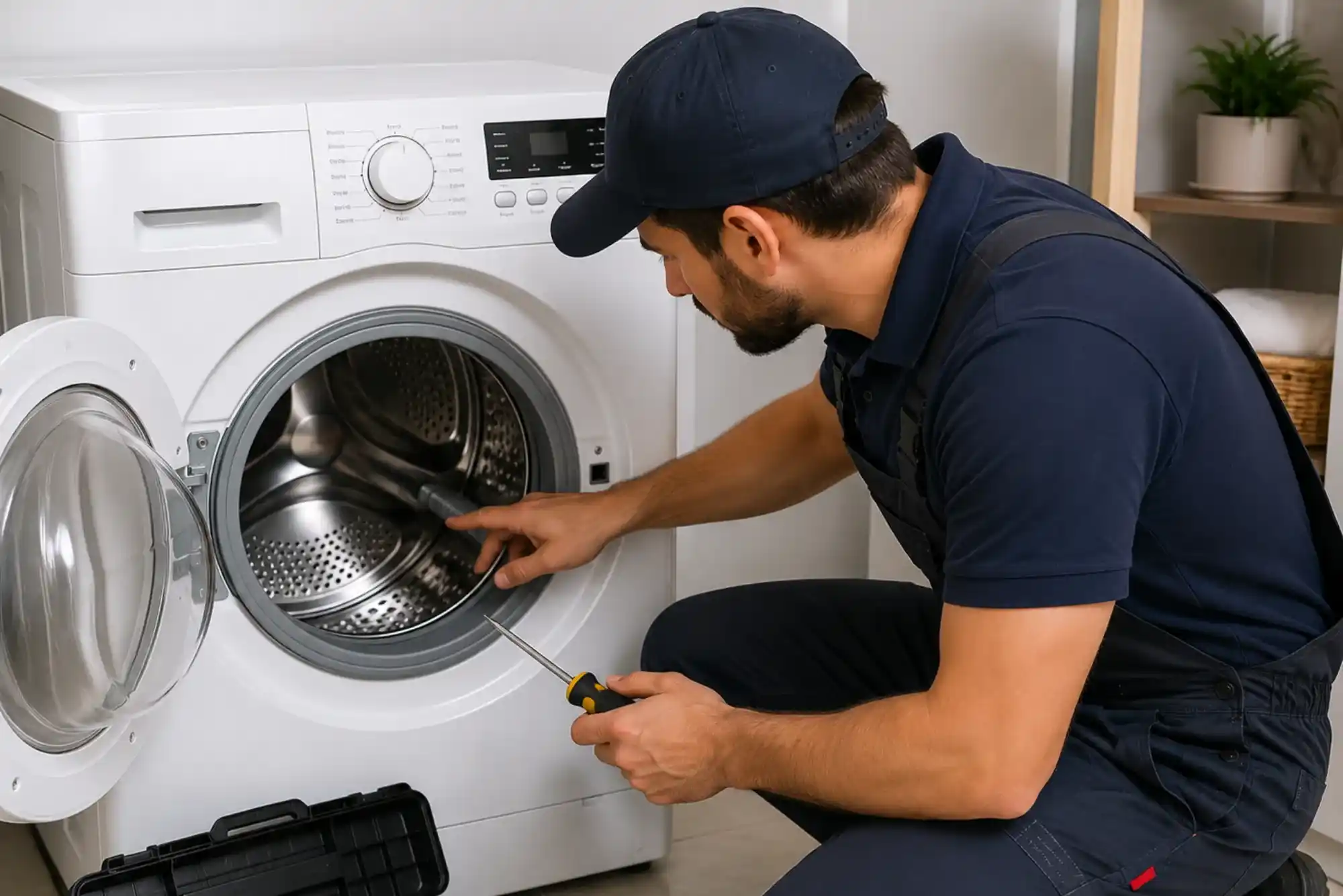
Replacing stove control knobs usually begins with removing the old ones. Most knobs are fitted onto a simple metal stem and can be pulled straight off with gentle pressure. However, some models include a locking mechanism that must be released carefully. Avoid using sharp tools or excessive force, as this can damage the stem or scratch the surface of the stove.
Once the old knobs are removed, inspect the stems for dirt, grease, or corrosion. Clean the area gently with a damp cloth and let it dry completely before installing the new knobs. Align the new knobs with the stem grooves and push them on until they fit snugly. They should turn smoothly and stop firmly in the off position.
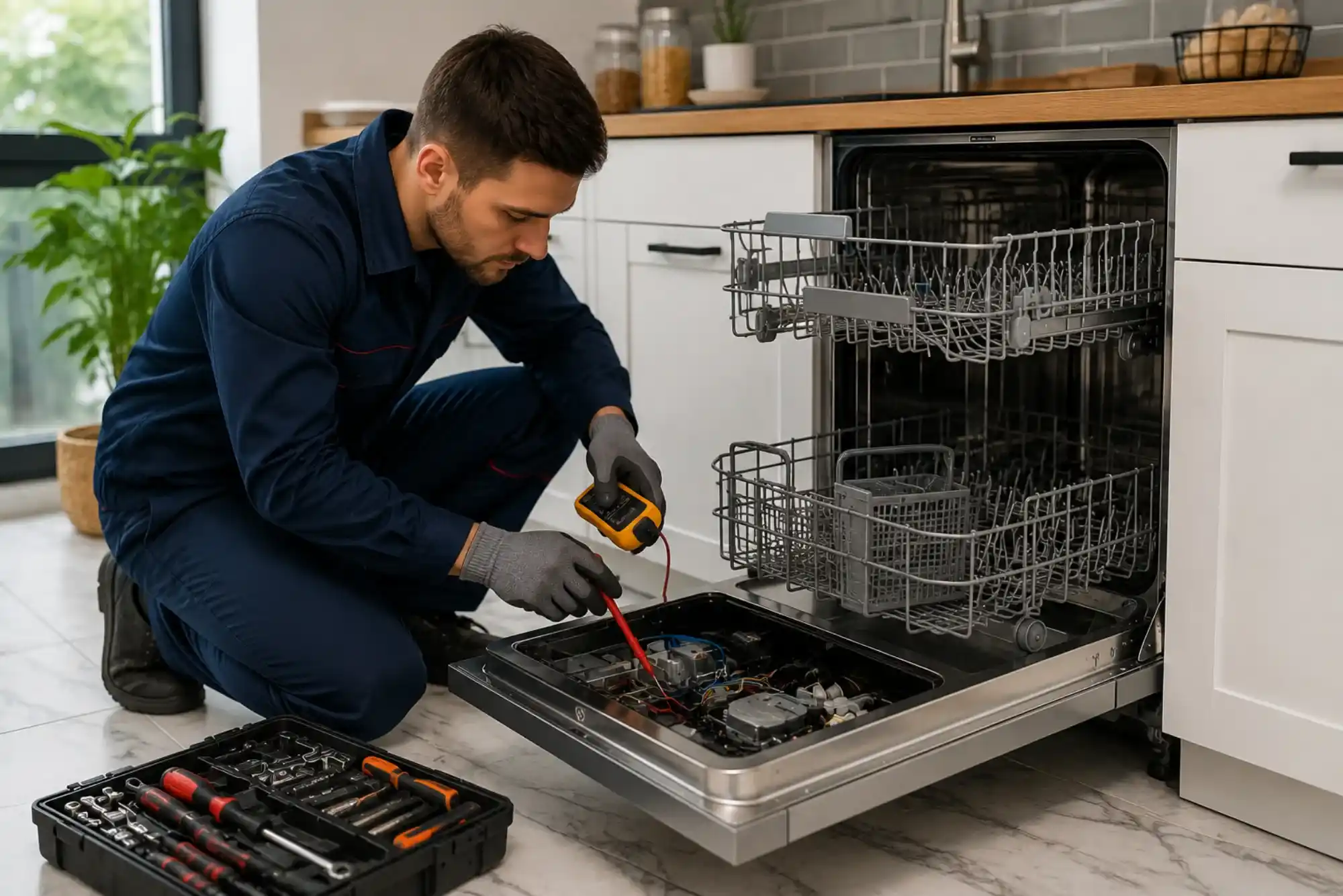
Testing each knob after installation is essential. Ensure they turn correctly and correspond to their respective burners. For gas stoves, check that the flame ignites and extinguishes smoothly. For electric stoves, test that the heating element warms up properly at different settings.
The Importance of Proper Fit and Quality
The quality and fit of replacement knobs make a big difference in both usability and safety. Cheap or ill-fitting knobs may feel loose, making it difficult to control heat levels accurately. In some cases, they can even slip off during cooking. Using manufacturer-approved or high-quality replacements ensures better performance and longer life.
Professionals emphasize that correct fitting is just as important as the replacement itself. A poorly aligned knob may cause the valve to remain slightly open even when turned off, which can lead to gas leaks. Always verify that each knob turns smoothly and locks firmly into its designated off position.
When to Seek Professional Help
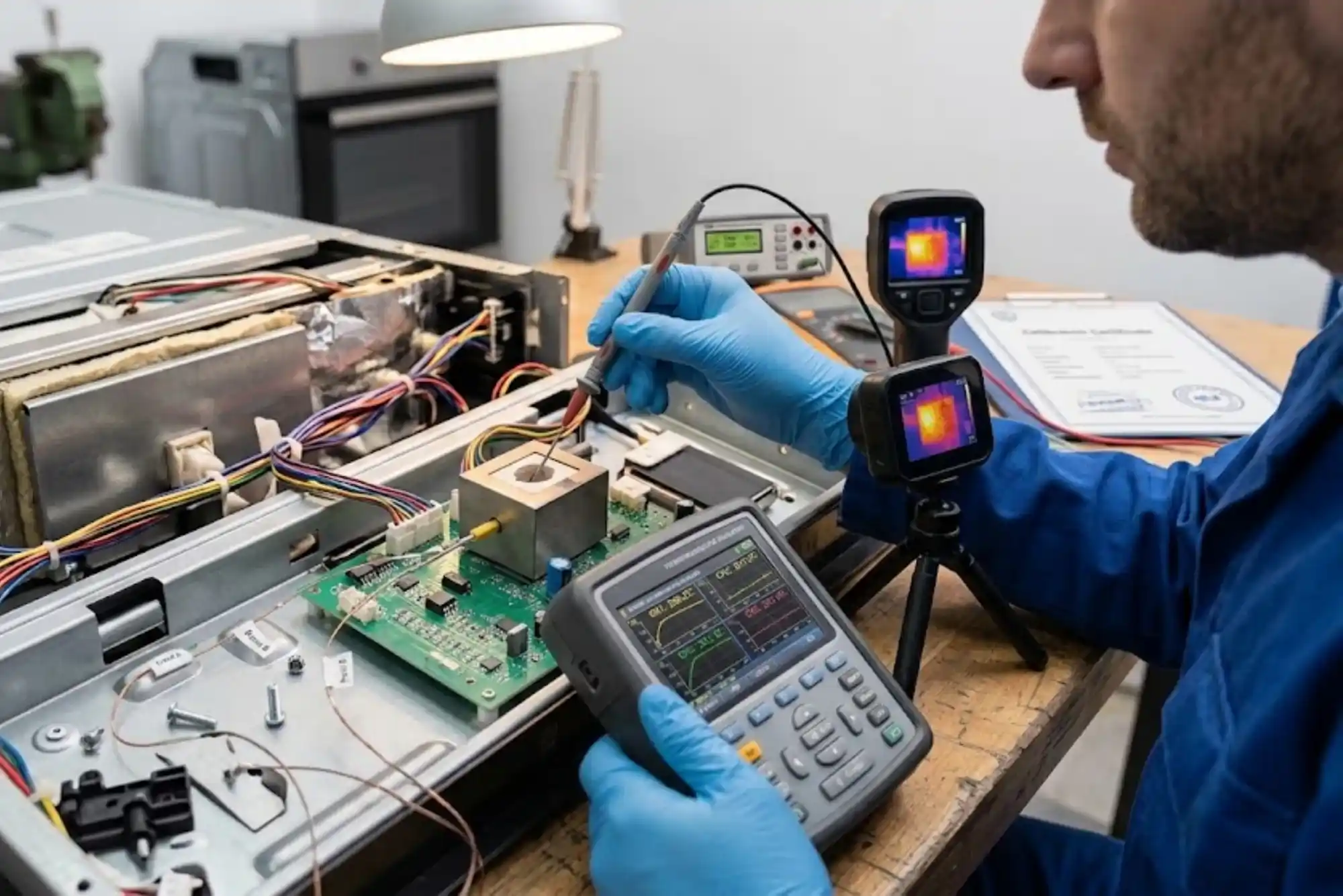
While replacing control knobs is usually simple, not all situations are the same. If knobs are damaged due to deeper mechanical issues, such as a broken valve stem or internal misalignment, it’s best to seek professional help. A trained technician can inspect the stove’s internal components and repair any underlying faults that caused the problem.
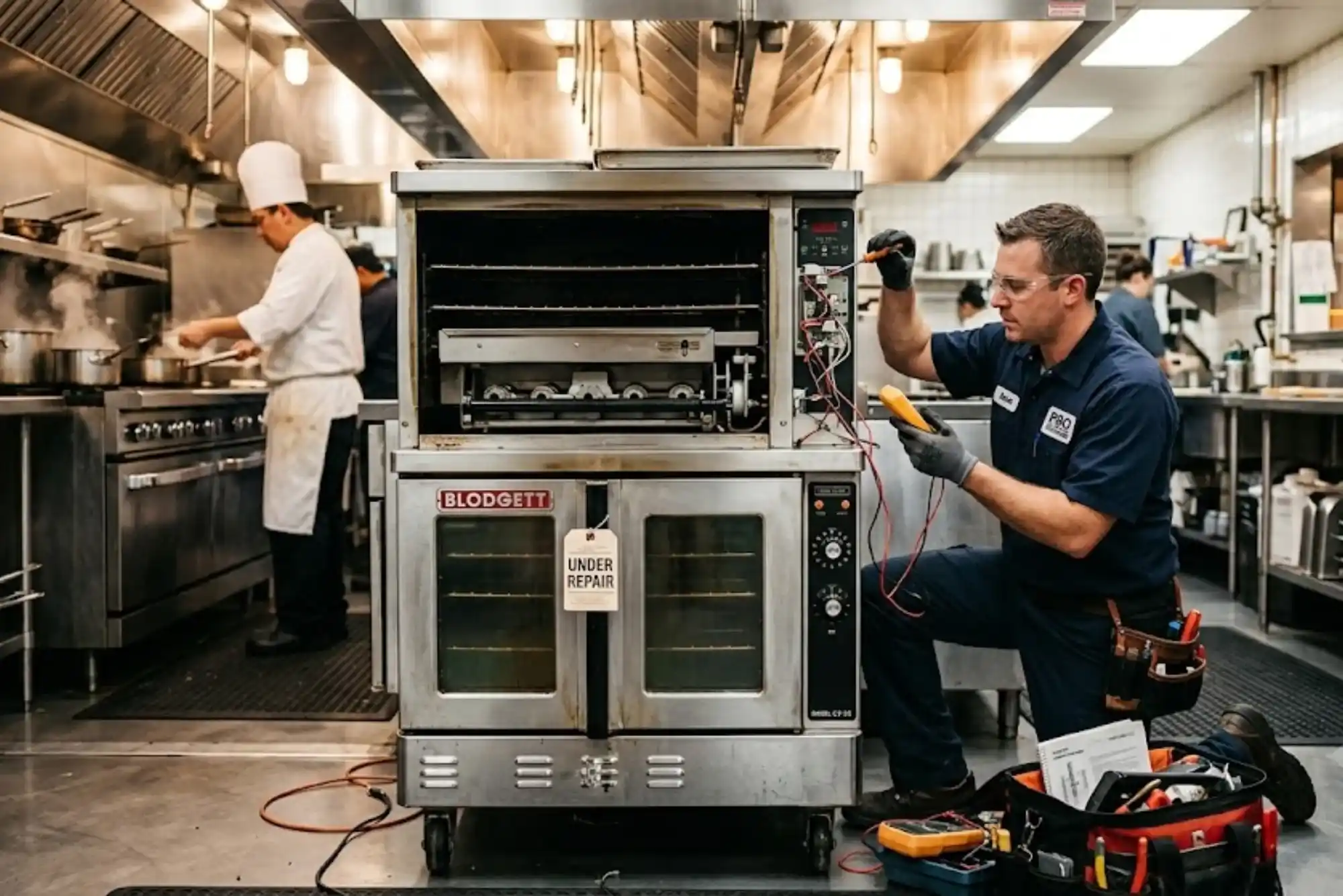
For gas stoves in particular, professional inspection ensures that no leaks or pressure imbalances exist after replacement. Attempting to force or modify fittings without the right tools can lead to dangerous consequences. A licensed appliance technician ensures that every component functions safely after installation.
Maintaining Your Stove After Replacement
After new knobs are installed, maintaining them properly helps extend their lifespan. Clean them regularly with mild detergent and avoid abrasive cleaners that can scratch or weaken the surface. Ensure no liquid or grease seeps behind the knobs, as residue buildup can affect their grip over time.
It’s also helpful to check periodically that each knob turns freely and locks properly. If you notice stiffness, looseness, or unusual resistance, inspect and clean the stem area. Keeping the stove clean and free from grease buildup helps prevent damage and ensures consistent performance.
Replacing stove control knobs is a small but essential maintenance task that restores both function and safety to one of the most important appliances in the home. Proper replacement ensures accurate heat control, safer operation, and a more enjoyable cooking experience. While many homeowners can handle this process themselves, it’s important to proceed with caution and ensure every step is performed correctly.
When in doubt, consulting a professional technician is always the safest choice, especially for gas stoves. Taking the time to replace worn or broken knobs properly not only enhances the appearance of your stove but also guarantees that it performs efficiently for years to come. A simple task like replacing control knobs, when done right, keeps your kitchen running smoothly and your cooking experience safe and reliable.