Modern washing machines rely heavily on electronic systems to manage everything from water intake to spin cycles. At the heart of these systems is the main control module, often called the main control board or electronic control unit. It functions as the brain of the appliance, ensuring that each step of the wash cycle occurs in proper sequence. When this vital component fails, the entire machine can stop working or behave unpredictably.
Testing the main control module is one of the most essential diagnostic procedures in appliance maintenance. It determines whether the board itself is faulty or if the issue lies elsewhere, such as with wiring, sensors, or mechanical components. Because the control module handles both low-voltage signals and high-voltage outputs, testing it correctly requires attention, precision, and safety.
Understanding the Main Control Module
The main control module in a washing machine coordinates all electronic functions. It receives information from sensors that detect water level, temperature, and load size, then sends commands to motors, valves, and heaters accordingly. Essentially, it ensures communication between every system in the appliance.
Inside this module is a printed circuit board equipped with microprocessors, resistors, capacitors, and relays. Each component has a specific role in regulating timing and electrical distribution. When one part fails, the entire board may malfunction. For instance, a faulty relay could prevent the drum motor from activating, while a damaged capacitor may cause the machine to lose power intermittently.
Understanding how this board works is key before performing any kind of test. A washing machine’s symptoms—whether it’s failing to spin, skipping cycles, or not powering on—often point toward how the control board is behaving.
Recognizing Signs of a Faulty Module
A control module rarely fails without warning. Some early signs include the machine refusing to start, stopping mid-cycle, or failing to drain water. The display panel may flicker or show inconsistent error codes. In some models, specific codes directly indicate a communication error between the control board and other components.

Another clear indication of trouble is when mechanical parts like pumps or motors don’t respond even though power is reaching the machine. This means the control module isn’t sending proper signals. Sometimes, burnt smells or visible dark spots on the board confirm electrical damage. In such cases, immediate inspection is necessary to prevent further problems.
The Importance of Safe Testing
Before testing the main control module, safety is paramount. Washing machines use electricity and water together, making improper handling dangerous. Always disconnect the appliance from its power source before accessing internal components. Testing should be done in a dry, well-lit workspace to minimize risk.
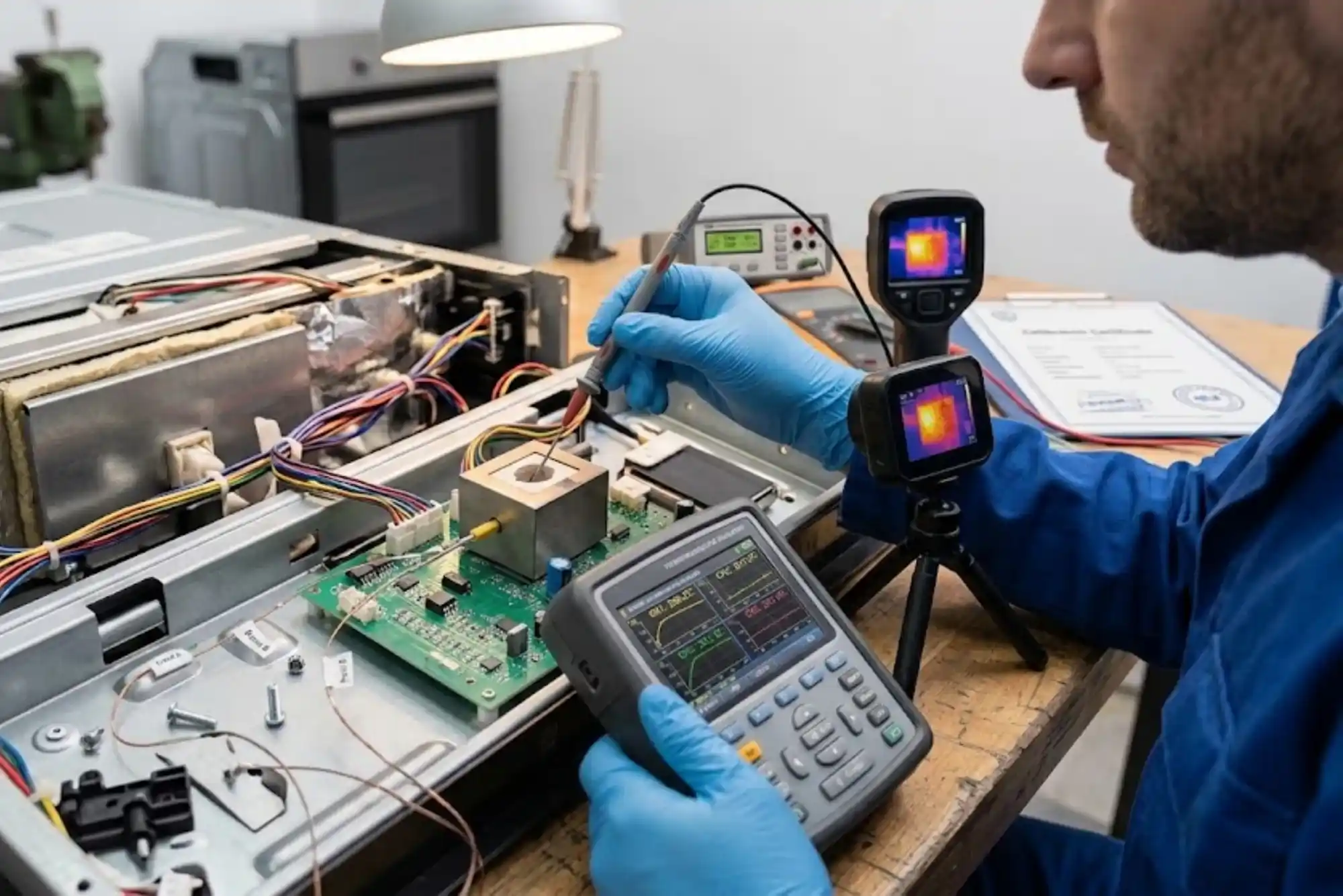
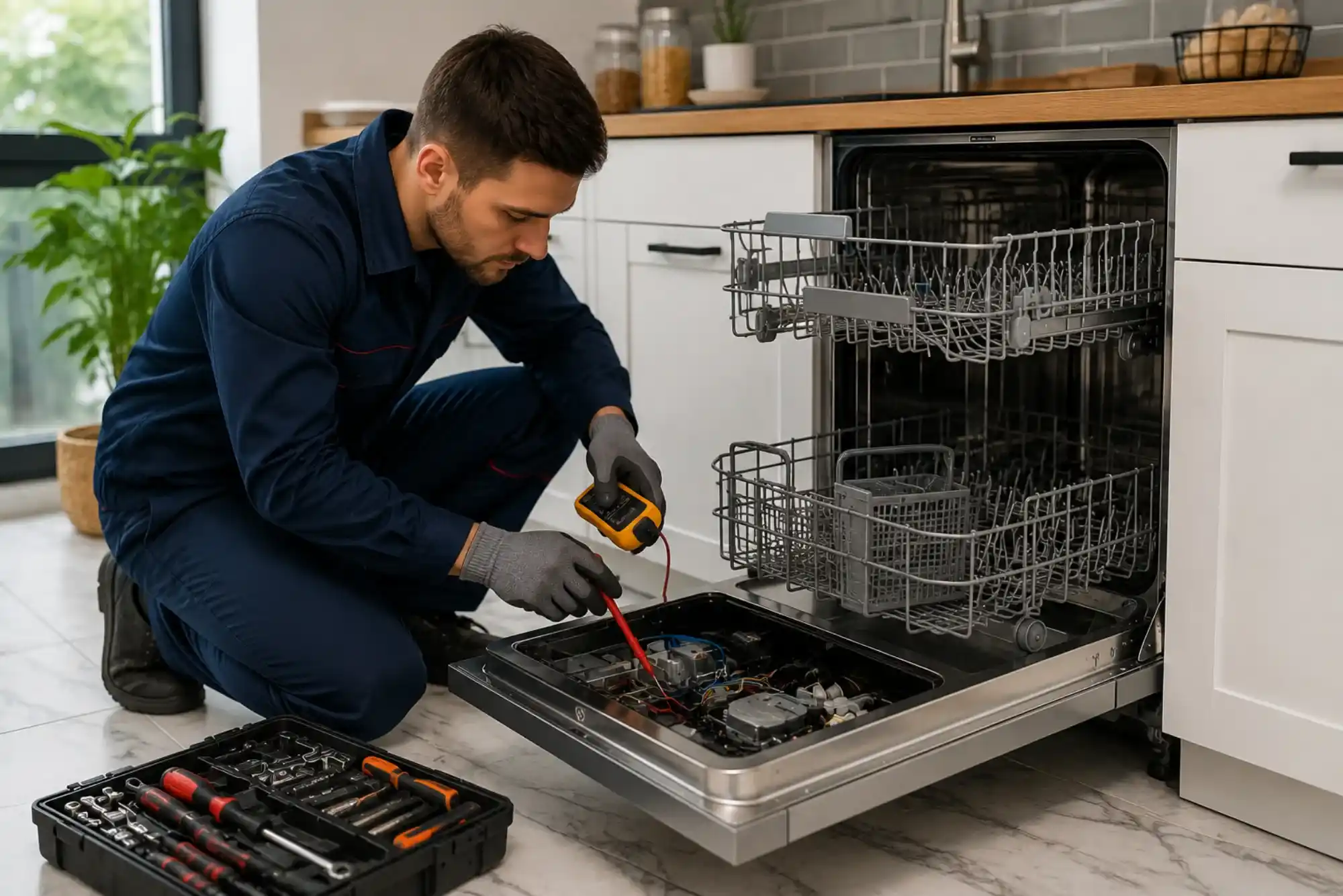
Professionals use multimeters to measure voltage and resistance within the control module. These readings help determine whether the board is receiving and distributing electricity properly. While homeowners may attempt visual inspection, electrical testing should be handled by trained technicians familiar with the circuitry of washing machines.
Performing a Visual Check
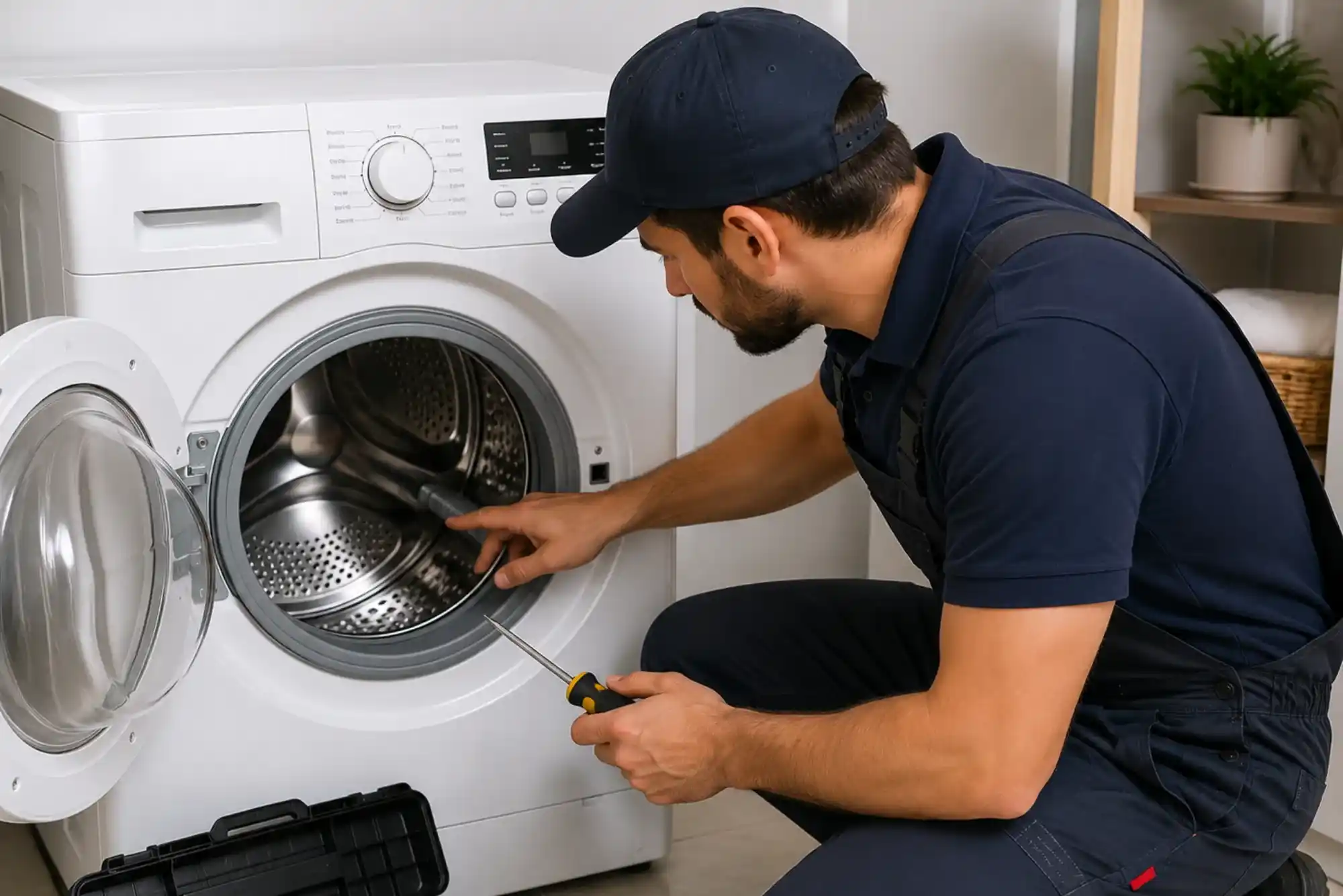
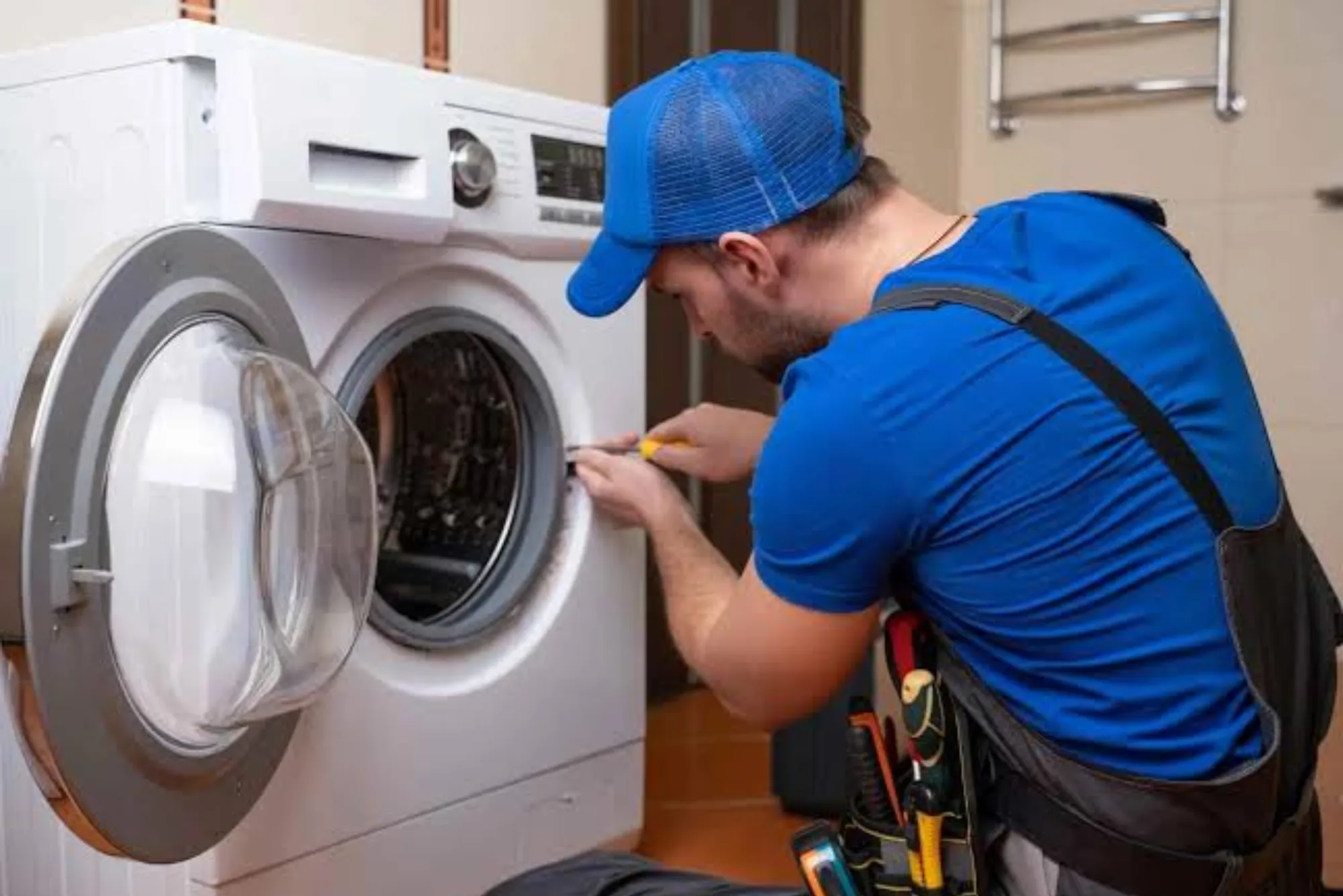
A visual inspection is often the first step in identifying a faulty module. By carefully removing the machine’s back or top panel, the control board becomes visible. Technicians look for obvious damage such as burnt components, broken connectors, or melted plastic near the wiring harness. Even a small sign of discoloration can reveal overheating or short circuits.
Moisture or detergent residue can also corrode metal contacts on the board. When that happens, the signals passing through become unstable, leading to erratic operation. Cleaning the contacts gently and re-securing connections may sometimes restore function temporarily, but persistent problems require deeper electrical testing or replacement.
Testing with a Multimeter
The main goal of testing with a multimeter is to confirm whether electrical current flows correctly through the module. Each washing machine model has a schematic diagram—usually printed inside the service panel—that shows how voltage and ground points are distributed. By comparing actual readings to manufacturer specifications, technicians can identify irregularities.
If voltage fails to reach specific output terminals, it indicates a broken circuit or a damaged relay within the module. In contrast, abnormal resistance readings may suggest a shorted or burnt component. While these measurements appear straightforward, interpreting them correctly requires an understanding of how electronic control systems communicate across different washing functions.
Diagnosing Using Error Codes
Modern washing machines come with built-in diagnostic systems that simplify troubleshooting. By pressing specific button combinations, technicians can enter service mode, allowing the display to show error codes. Each code corresponds to a malfunction—ranging from sensor communication errors to board failures.
These diagnostic tools are invaluable because they direct attention to specific problem areas. However, they don’t always pinpoint the exact cause. For example, a “motor communication error” may result from a defective motor or from the control board failing to send the correct signal. Hence, combining code interpretation with manual testing ensures accurate diagnosis.
Repair or Replacement Decision
Once the control module has been tested, the next decision is whether to repair or replace it. In some cases, a simple component like a burnt resistor can be replaced by an experienced technician. But if the printed circuit board itself is cracked, burnt, or water-damaged, full replacement is the only safe solution.
Repairing control boards requires delicate soldering and precise component matching. Using incorrect replacements or reassembling the unit incorrectly can cause short circuits or void warranties. Because of this complexity, professional repair services are highly recommended.
Why Professional Testing Matters
While it’s possible for homeowners to inspect visible damage, full testing of a main control module is best performed by a qualified technician. These professionals understand not just how to measure voltage, but also how to interpret what those readings mean. They have access to brand-specific service manuals and diagnostic tools that ensure accurate and safe repair.
Professionals can also determine whether the fault truly lies within the control module or another connected component, such as a faulty motor control unit, inlet valve, or pressure sensor. Without this expertise, there’s a high risk of replacing expensive parts unnecessarily.
Maintaining Control Module Health
Preventing control board failure is easier than repairing it. Keeping the washing machine dry and free from moisture buildup helps protect the electronics. Using surge protectors also shields the module from power fluctuations that can burn internal circuits. Regular maintenance checks allow technicians to spot early signs of damage and make timely adjustments.
Since the control module governs every stage of the washing process, its condition directly affects the machine’s performance and lifespan. Maintaining it properly ensures consistent wash quality and reduces the need for frequent servicing.
The main control module is the central intelligence of any washing machine. When it malfunctions, the appliance cannot function efficiently—or at all. Testing this component accurately requires careful observation, precise measurement, and technical expertise.
A combination of visual inspection, electrical testing, and diagnostic software helps pinpoint faults effectively. While homeowners can recognize symptoms and perform basic checks, professional testing remains the safest and most reliable approach.
Understanding how to test and maintain the control module not only prevents breakdowns but also ensures the washing machine continues to perform smoothly for years. In the world of modern appliances, knowledge and preventive care are as valuable as repair itself.