A washing machine is one of the most relied-upon appliances in every home. It saves time, effort, and energy while ensuring clothes stay fresh and clean. However, when it starts to show problems such as not rinsing properly, it becomes a source of frustration. Clothes come out soapy, sticky, or with detergent residue still clinging to the fabric. If you have been noticing that your washing machine isn’t rinsing well, it’s important to understand the possible reasons and how to deal with the issue efficiently.
At we often receive service calls from homeowners facing this very problem. The good news is that poor rinsing isn’t always a sign of a major breakdown—it can often be fixed with the right maintenance or minor repairs. This article will help you understand why your washing machine doesn’t rinse properly, what steps can resolve the problem, and when you should call a professional technician.
Understanding the Rinsing Cycle
The rinsing cycle is an essential part of any wash program. Its job is to remove all detergent, dirt, and soap residues after the main wash. During this cycle, the machine fills with clean water, agitates the clothes to rinse out detergent, and then drains the water away. If something interrupts this process, the clothes remain soapy or stiff after washing.
A properly functioning rinse cycle depends on several key factors—adequate water flow, a clean drain system, correct detergent usage, and efficient spinning. Even a small malfunction in one of these elements can lead to poor rinsing results.
Low Water Pressure
One of the most common reasons a washing machine doesn’t rinse properly is low water pressure. When there isn’t enough water flowing into the machine, it can’t rinse the clothes thoroughly. Insufficient water means the detergent isn’t fully diluted or washed away, resulting in soap residue left on the fabric.
If your home’s water pressure is low, your machine might not fill to the required level during the rinse cycle. Check the water supply valves to ensure they are fully open. You should also inspect the inlet hoses for blockages or twists that could be restricting water flow. If the pressure in your area is consistently low, a technician may need to install a pressure booster to ensure your appliance functions properly.

Detergent Problems
Using too much detergent or the wrong type of detergent is another common cause of poor rinsing. Modern washing machines are designed to work with high-efficiency (HE) detergents that produce fewer suds. Using traditional detergent or using excessive amounts can create too much foam, making it difficult for the rinse cycle to wash all the soap away.
When too much detergent is used, the machine struggles to remove all the residues, and clothes may come out feeling slippery or sticky. Always follow the manufacturer’s recommendations for the right type and quantity of detergent. Remember, more soap doesn’t mean cleaner clothes—it can actually make them dirtier in the long run.
Drainage Issues
If your washing machine’s drainage system is partially clogged, it won’t be able to remove used water completely during the rinse cycle. This means the clothes are effectively being rinsed in dirty, soapy water. The problem could be due to a blocked drain hose, a faulty drain pump, or an obstruction in the filter.
A common sign of a drainage problem is standing water left in the drum after the cycle finishes. If you notice that your clothes are excessively wet or have detergent marks even after spinning, check the drain hose for any kinks or debris buildup. Cleaning the filter regularly can prevent such issues and help your washing machine rinse properly.
Overloading the Machine
Stuffing too many clothes into your washing machine repari might save time, but it also prevents the machine from rinsing effectively. When the drum is overloaded, the clothes don’t have enough space to move freely, and the water can’t circulate properly. This results in uneven washing and poor rinsing performance.
To ensure a proper rinse, always leave enough room in the drum for clothes to move. As a general rule, the drum should only be filled about two-thirds full. Overloading not only affects the rinsing quality but also puts stress on the machine’s motor and suspension system, leading to long-term damage.
Faulty Water Inlet Valve
The water inlet valve controls the flow of water into your washing machine during each cycle. If this valve is malfunctioning, the machine may not receive enough water during the rinse cycle. This can lead to clothes not being rinsed properly or coming out with detergent residues.
A faulty inlet valve may also cause irregular water flow or strange noises during filling. If you suspect this issue, it’s best to have a professional technician inspect and replace the valve if necessary. At our experts can quickly diagnose and replace defective parts to restore your washer’s performance.
Clogged Filters or Hoses
Over time, small particles like lint, debris, and mineral deposits can clog the inlet filters and hoses of your washing machine. These blockages restrict water flow and can affect both the washing and rinsing cycles.
To prevent this, regularly check and clean the filters located where the hoses connect to the back of the machine. If you live in an area with hard water, mineral buildup can also accumulate in the filters, which requires occasional descaling or filter replacement. Regular maintenance can keep your washing machine functioning efficiently for years.
Faulty Pump or Spin Cycle
The pump and spin cycle are responsible for draining out water and removing excess moisture from clothes. If the pump becomes weak or the spin cycle malfunctions, the washer may leave clothes too wet or soapy. This often happens in older machines or those that have not been serviced regularly.
A weak spin means the machine is unable to remove enough water during rinsing, and the remaining detergent stays on the clothes. It’s essential to have a technician check the motor, belt, and pump to ensure all components are working smoothly.
Hard Water and Residue Buildup
If you live in an area with hard water, minerals like calcium and magnesium can build up inside your washing machine. This buildup affects the performance of the rinse cycle, leaving white spots or detergent residues on your clothes.
To combat hard water problems, consider using a water softener or installing an inline filter. Regularly running a cleaning cycle with vinegar or a specialized descaling product can also help remove mineral buildup and keep the machine running efficiently.
Sensor or Control Board Malfunction
Modern washing machines rely on sensors and control boards to regulate the amount of water, duration, and intensity of each cycle. If any of these electronic components malfunction, the rinse cycle may not complete correctly.
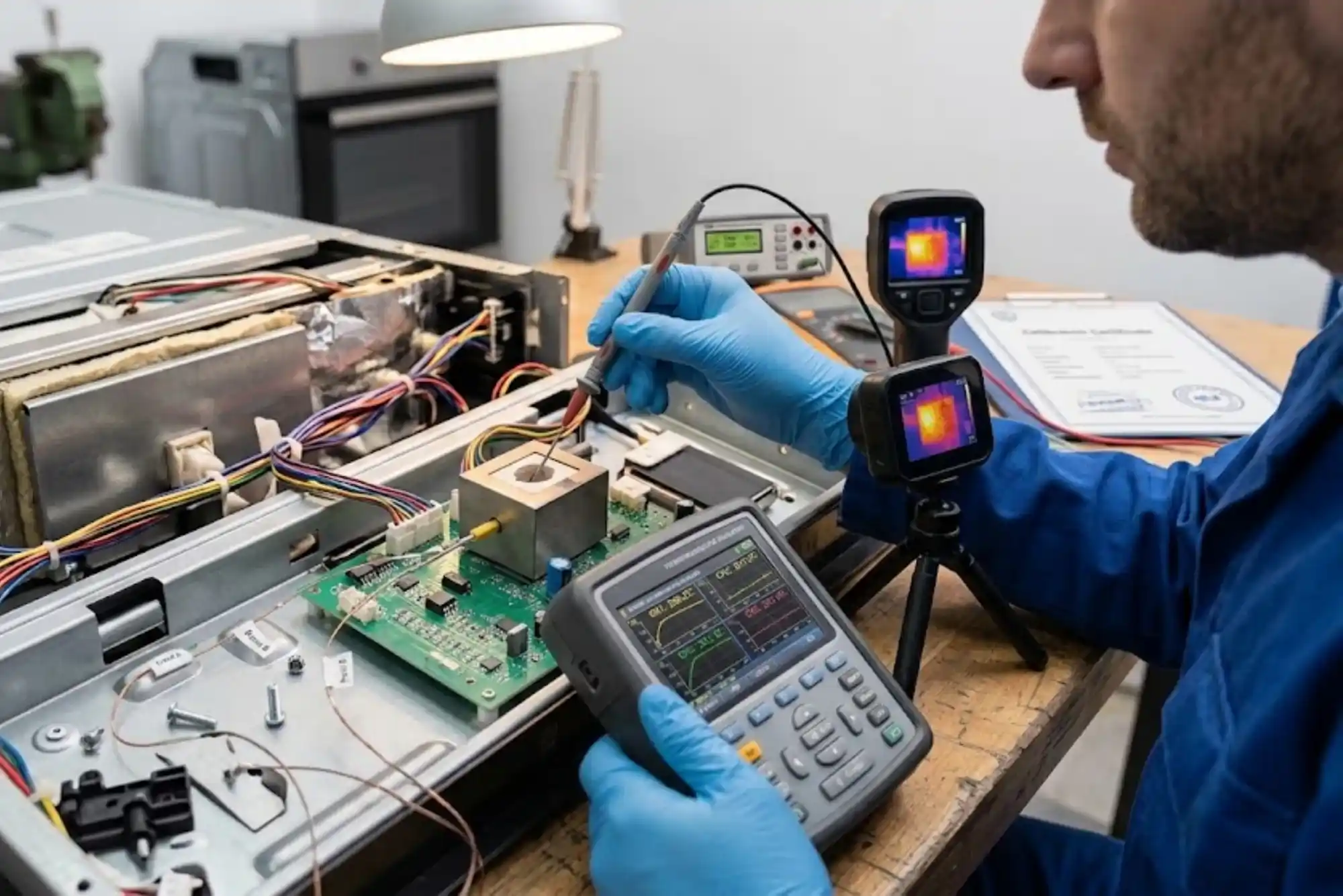
You might notice the machine skipping rinsing altogether or stopping mid-cycle. This issue requires professional attention, as working with electronic parts can be dangerous without proper expertise. A technician can test the sensors and control board using diagnostic tools and replace any faulty parts.
Preventing Future Rinsing Problems
Routine maintenance is the key to keeping your washing machine in top condition. Always clean the lint filter, check hoses for blockages, and avoid using excess detergent. Once a month, run an empty wash cycle with hot water and vinegar or a washing machine cleaner to remove soap scum and mineral deposits.
Also, ensure that the machine is level and stable, as imbalance can affect both the spin and rinse cycles. If your washing machine is more than five years old, it might need a professional service inspection to maintain its efficiency.
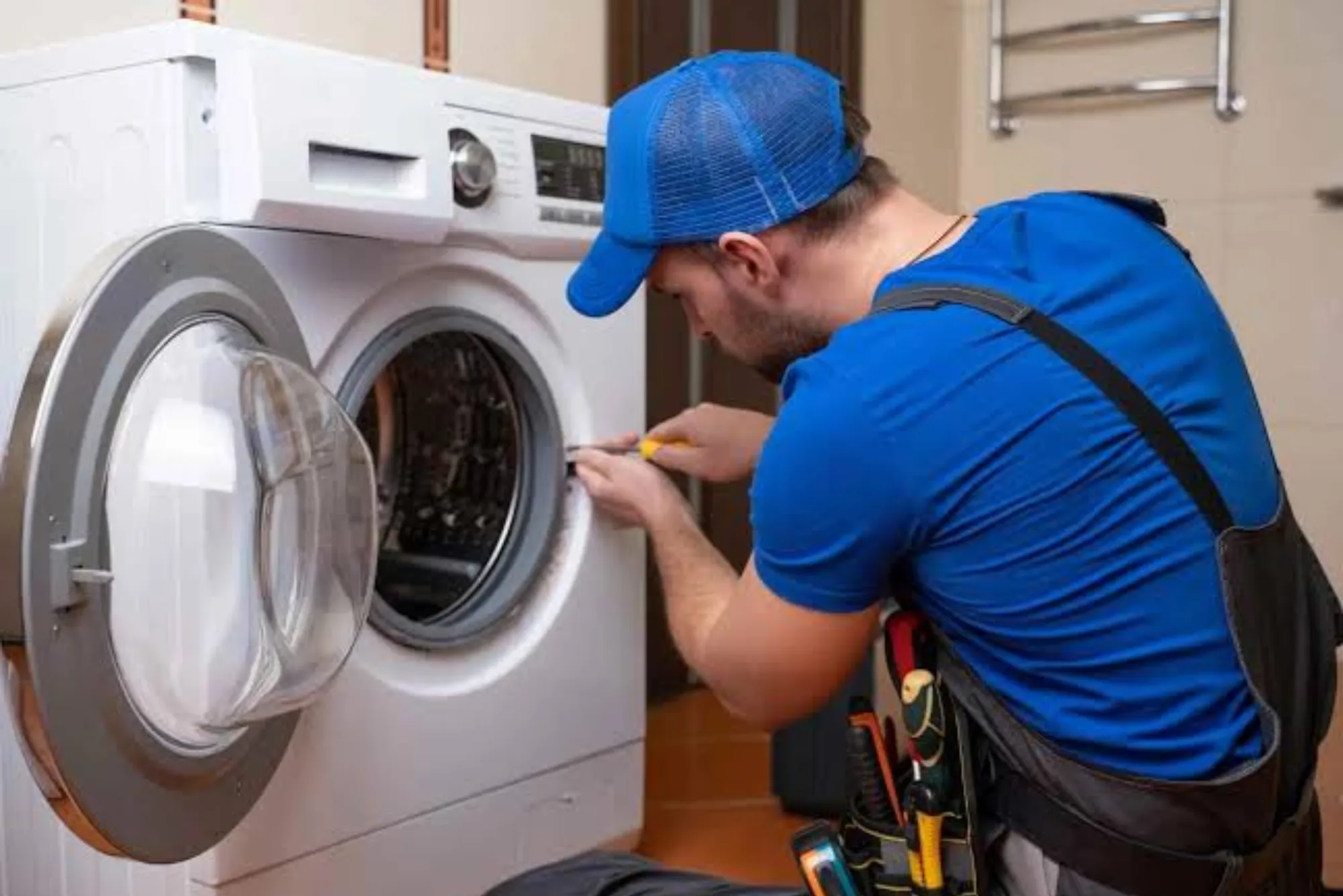
If you’ve checked the water pressure, detergent, and filters but your washing machine still isn’t rinsing properly, it’s time to call in professionals. At our trained technicians specialize in diagnosing and fixing all types of washing machine problems in Dubai. Whether the issue lies with the motor, drainage, or control system, we provide fast, affordable, and reliable repair services.
Our team uses genuine replacement parts and advanced diagnostic tools to restore your appliance to full working condition. We understand how important your washing machine is for your daily routine, and we aim to fix issues efficiently to minimize disruption.
A washing machine that doesn’t rinse properly can be frustrating, but understanding the cause is the first step toward solving the problem. From low water pressure and detergent misuse to clogged hoses or faulty components, several factors can affect the rinsing cycle. Regular maintenance, correct detergent use, and professional servicing can help keep your washing machine performing at its best.