Modern homes rely heavily on washing machines to keep daily life running smoothly. They are trusted with handling clothes, linens, and sometimes delicate fabrics that require special care. Yet despite the constant use of these appliances, many households overlook one essential step—regular cleaning of the washing machine itself. Just as the clothes inside require detergent and water to become fresh again, the machine that washes them needs attention to ensure it continues to perform efficiently. Without routine cleaning, even the most advanced washer can become a source of odors, mold, and performance issues.
Maintaining a clean washing machine is not just about aesthetics or removing a musty smell; it directly impacts hygiene, the effectiveness of washes, and the long-term durability of the appliance. Understanding why this maintenance task is important can help households save money, reduce repairs, and enjoy consistently clean laundry.
Hygiene and Health Considerations
One of the most compelling reasons to clean a washing machine regularly is hygiene. Although washing machines are designed to eliminate dirt, bacteria, and stains from fabrics, the constant moisture combined with detergent residues creates an environment where microbes can thrive. Bacteria and mold flourish in damp areas such as the detergent drawer, rubber seals, and hidden crevices inside the drum.
When left unchecked, these microorganisms can transfer onto clothes, especially in cold washes, leading to laundry that smells unpleasant or is not truly sanitized. Families with children, elderly members, or those with sensitive skin are particularly vulnerable to issues caused by bacteria and allergens lingering in clothing. Regular cleaning breaks this cycle by eliminating the conditions that encourage microbial growth and ensuring clothes are genuinely clean and safe to wear.
Performance and Efficiency Benefits
The performance of a washing machine depends heavily on the cleanliness of its internal parts. Detergent build-up, fabric softener residues, and hard water deposits accumulate over time. These residues can block filters, coat heating elements, and restrict water flow within the appliance. As a result, washing cycles may become less efficient, consuming more energy and water to achieve the same results.
A well-maintained machine, by contrast, functions smoothly. The drum rotates freely, filters remain unclogged, and heating elements operate at maximum efficiency. This translates into cleaner clothes in fewer cycles, shorter washing times, and lower utility bills. In essence, regular cleaning is a simple investment in both performance and energy savings.

Longevity of the Appliance
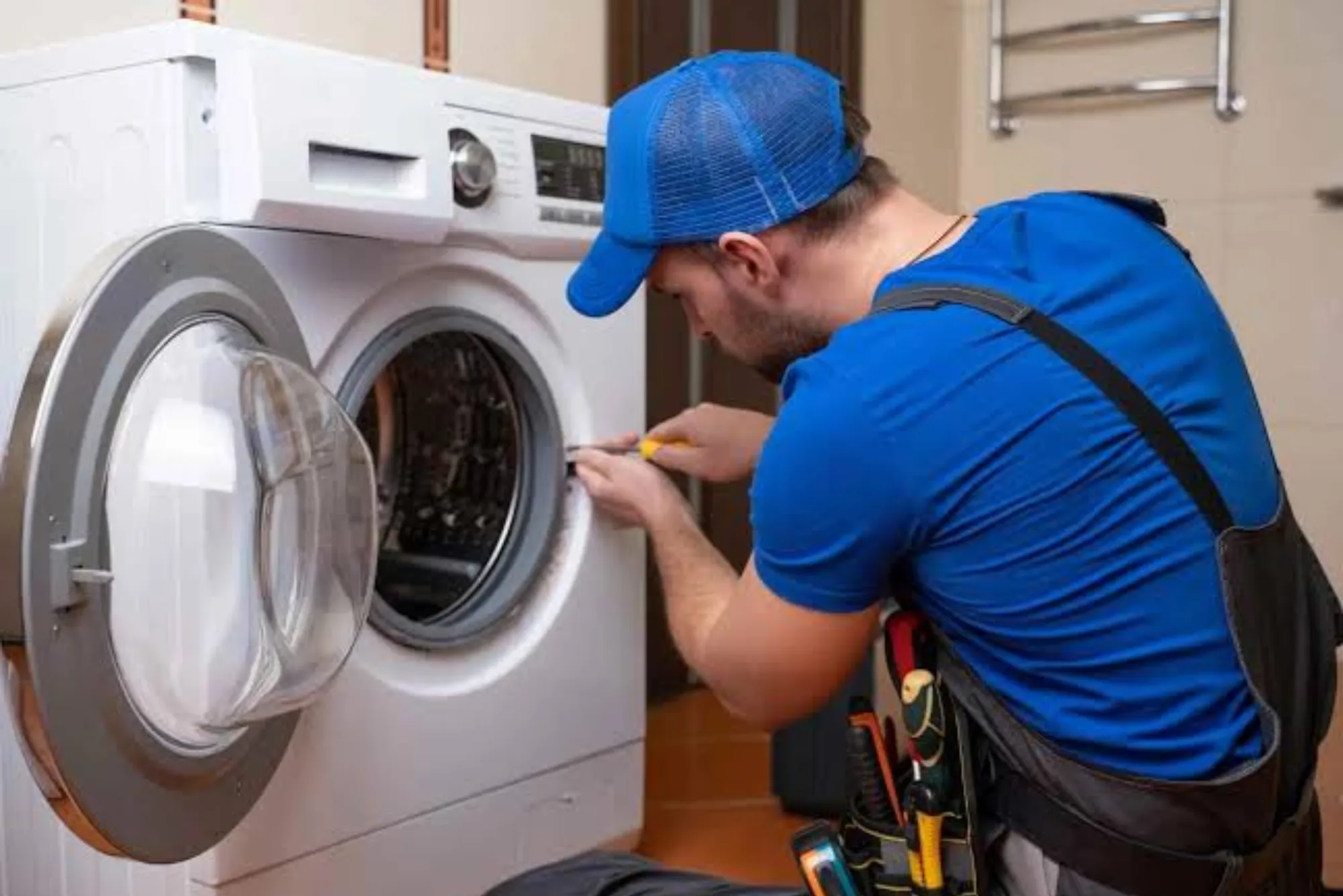
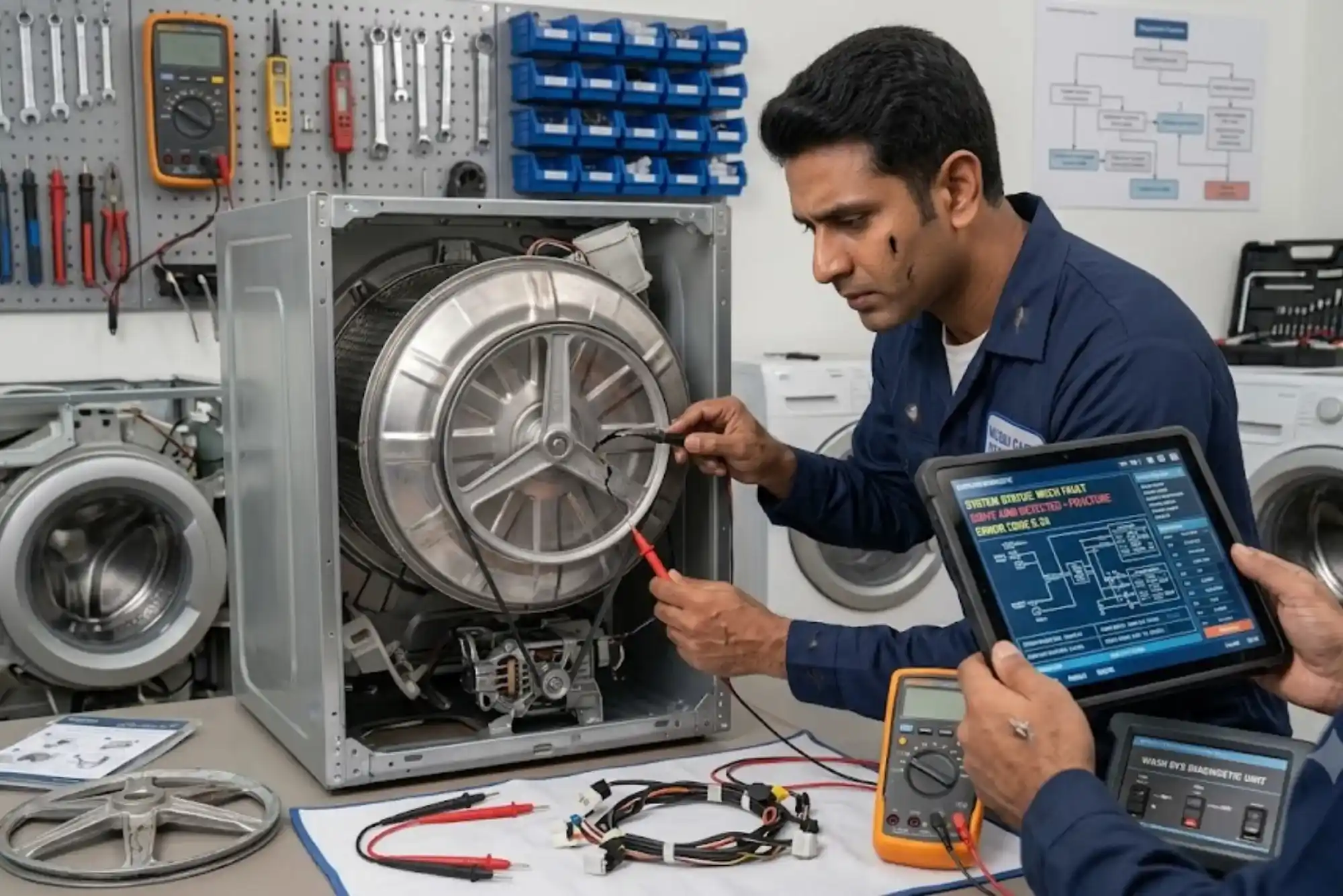
A washing machine is a significant household investment, often expected to last a decade or more. However, neglecting regular cleaning can shorten its lifespan considerably. Accumulated debris and chemical residues strain the machine’s mechanical and electronic systems. Pumps work harder when filters are clogged, and motors endure greater stress when the drum is unbalanced by hardened grime or detergent scale.
Routine cleaning prevents these stress factors from damaging critical parts. By keeping the appliance free of corrosive build-up and moisture damage, homeowners can extend its serviceable life and avoid premature breakdowns. Over time, this reduces the need for costly repairs or early replacement.
Preventing Unpleasant Odors
One of the most common complaints about washing machines is the development of a musty or sour smell. These odors usually stem from mold and mildew that thrive in damp, neglected areas such as the rubber gasket around the door or the detergent compartment. Every time a wash cycle runs, water splashes into these parts, and unless they are cleaned or dried, they provide the perfect breeding ground for foul-smelling growths.
Regular cleaning prevents this problem by removing the trapped residues and ensuring that moisture does not linger long enough to create odors. This is not just about making laundry smell fresh; it also improves the entire laundry experience. A machine free of mustiness enhances the satisfaction of clean clothes and prevents embarrassment from garments carrying subtle but unpleasant odors.
Protecting Fabric Quality
The condition of a washing machine directly affects the quality of the clothes washed within it. Residues left inside the drum or detergent drawer can redeposit onto clothing during cycles, leaving stains, streaks, or a dull appearance. White garments may become gray over time, and delicate fabrics may lose their vibrancy when repeatedly exposed to contaminated wash water.
By maintaining a clean washer, households ensure that garments are exposed only to clean water and detergent, preserving their brightness and integrity. This is particularly vital for expensive fabrics, uniforms, and clothes that need to maintain a professional appearance. The link between appliance care and fabric care cannot be overstated.
Water Quality and Environmental Impact
Another aspect often overlooked is how a dirty washing machine contributes to water wastage and environmental strain. When a washer is clogged with residue, it typically requires additional rinses or repeated cycles to achieve clean results. This not only wastes water but also consumes more detergent and energy.
A regularly cleaned machine runs efficiently, using only the resources necessary for a standard cycle. This efficiency reduces household utility costs while also minimizing the household’s environmental footprint. In an age where sustainability is increasingly valued, proper maintenance of appliances plays a role in responsible resource management.
The Psychological Satisfaction of Cleanliness
Beyond the technical and practical benefits, there is a psychological aspect to maintaining a clean washing machine. Laundry is one of the most repetitive household chores, and many people view it as a task that must be completed regularly. A washer that looks dirty or smells unpleasant makes the chore even less appealing, creating frustration or reluctance to engage with it.
Conversely, a clean machine enhances the experience, making the process smoother and more satisfying. When clothes come out smelling fresh and looking bright, it contributes positively to a household’s overall sense of order and comfort. Small habits such as regular cleaning thus support not only practical outcomes but also emotional well-being.
Common Misconceptions About Washing Machine Cleaning
Despite the clear benefits, many people assume that washing machines clean themselves during cycles. After all, water, detergent, and movement are constantly involved. However, this assumption overlooks the reality that not all residues dissolve completely, and not all areas of the washer are exposed to detergent during a cycle.
Others may believe that frequent replacement of clothes or the use of strong detergents compensates for a dirty machine. In truth, these measures only mask the underlying issues. Stronger detergents often add to residue build-up, and replacing clothes does nothing to address the bacteria or inefficiencies inside the appliance. Understanding these misconceptions helps households embrace proper maintenance as a necessary routine rather than an optional task.
Establishing a Routine for Cleaning
Consistency is the key to effective washing machine maintenance. While the frequency of cleaning depends on usage and water quality, most machines benefit from a thorough cleaning at least once a month. Regular wiping of seals, drawers, and surfaces combined with occasional deep cleans ensures the machine remains free of residue and bacteria.
This routine does not need to be complicated or time-consuming. By integrating cleaning into the broader schedule of household chores, families can maintain the efficiency and hygiene of their appliance without significant effort. A clean washing machine quickly becomes a habit rather than a challenge.
The Cost-Saving Perspective
When analyzed from a financial standpoint, the importance of washing machine cleaning becomes even clearer. Repairs to clogged pumps, malfunctioning sensors, or damaged motors often cost a significant fraction of the price of a new appliance. In many cases, these breakdowns stem directly from neglect.
By contrast, investing a few minutes and minimal cleaning supplies into regular maintenance drastically reduces the likelihood of costly service calls. The savings extend to energy bills, as a clean machine uses less electricity and water to achieve optimal results. Ultimately, preventive care is always cheaper than reactive repair.
A Habit Worth Adopting
A washing machine is one of the most valuable and frequently used household appliances, yet its maintenance is often overlooked. Regular cleaning addresses issues of hygiene, efficiency, longevity, odor prevention, and even fabric care. Beyond saving money and resources, it supports a healthier and more comfortable home environment.
Treating washing machine cleaning as a routine household responsibility rather than an optional chore ensures that clothes remain fresh, the machine operates efficiently, and the appliance lasts for years to come. Just as we recognize the importance of cleaning our homes, cars, or kitchens, giving the same attention to the washer is an investment in daily comfort and long-term savings.