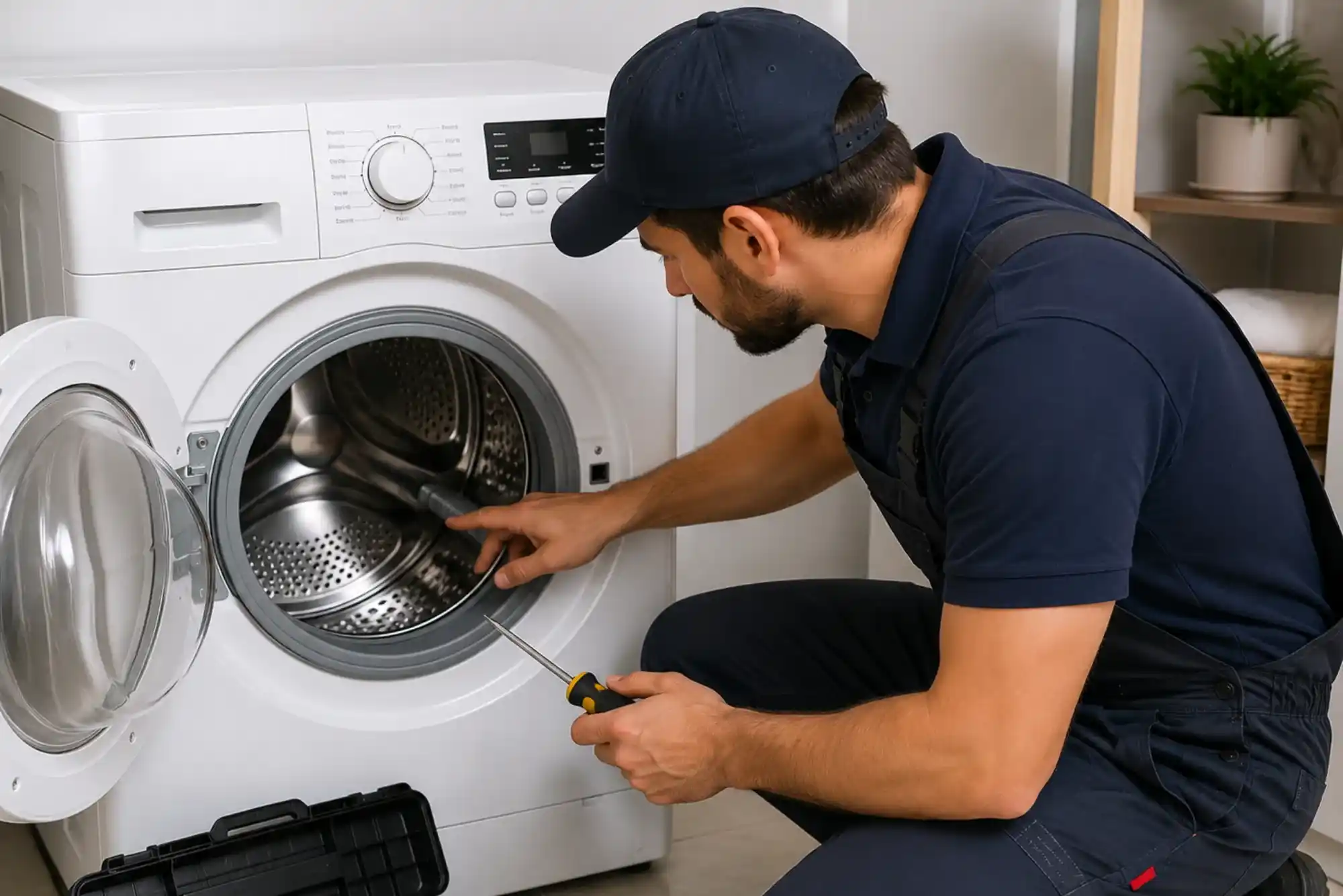
Repairing household appliances can be a rewarding experience, especially for those who enjoy tackling home maintenance tasks. Among these appliances, the oven holds a unique place in the kitchen. It is the workhorse behind daily cooking and family meals, yet it is also a device that combines electricity, gas, heat, and sometimes complex electronics. When an oven malfunctions, many homeowners are tempted to roll up their sleeves and attempt a fix themselves. While this can save money, it also brings significant risks if not approached with caution. Understanding oven repair safety is not just about preventing accidents in the moment—it is about safeguarding your health, your home, and the long-term functionality of the appliance.
Understanding the Risks of Oven Repairs
Before anyone considers repairing an oven, it is essential to recognize the potential hazards. Ovens are powered either by electricity or gas, and each presents its own dangers. Electric ovens can deliver severe shocks if wires or terminals are mishandled. Gas ovens carry the additional risk of leaks, which can lead to fire or poisoning. Beyond these, ovens operate at high temperatures, meaning burns are another frequent danger when working without preparation.
Even when the oven is unplugged, certain components such as capacitors may store electricity that can discharge unexpectedly. The risks are not always obvious, which is why awareness must be the first line of defense. Many accidents occur not because of recklessness, but because of small oversights—forgetting to disconnect a power supply, failing to ventilate properly, or underestimating how hot certain surfaces remain after use.
Preparing for Safe Oven Repairs
Safety begins long before the first screw is loosened. Preparation plays a critical role in ensuring that the repair process unfolds smoothly. The first step is always disconnecting the power source. For electric ovens, this means unplugging the unit or turning off the circuit breaker. For gas ovens, the shutoff valve must be closed to prevent leaks.
Once power and gas are secured, the workspace should be cleared of any flammable materials. Adequate lighting is essential, as poor visibility increases the likelihood of mistakes. Gloves and safety glasses may seem unnecessary for what looks like a minor repair, but they can protect against sharp metal edges, sparks, and hot components. A simple precaution such as ensuring proper ventilation can also prevent inhalation of fumes from cleaning products or accidental gas exposure.
In addition to physical preparation, mental preparation matters. Repairing an oven is not something to attempt in a rush. Patience reduces errors, and reading the manufacturer’s manual beforehand provides valuable insight into how the oven is designed to be serviced safely.

Common Oven Issues and Associated Safety Concerns
Not all oven problems are equal in terms of safety risk. Some issues, such as a broken light bulb inside the cavity, are relatively straightforward. Others, like a malfunctioning heating element or a gas leak, pose significant dangers.
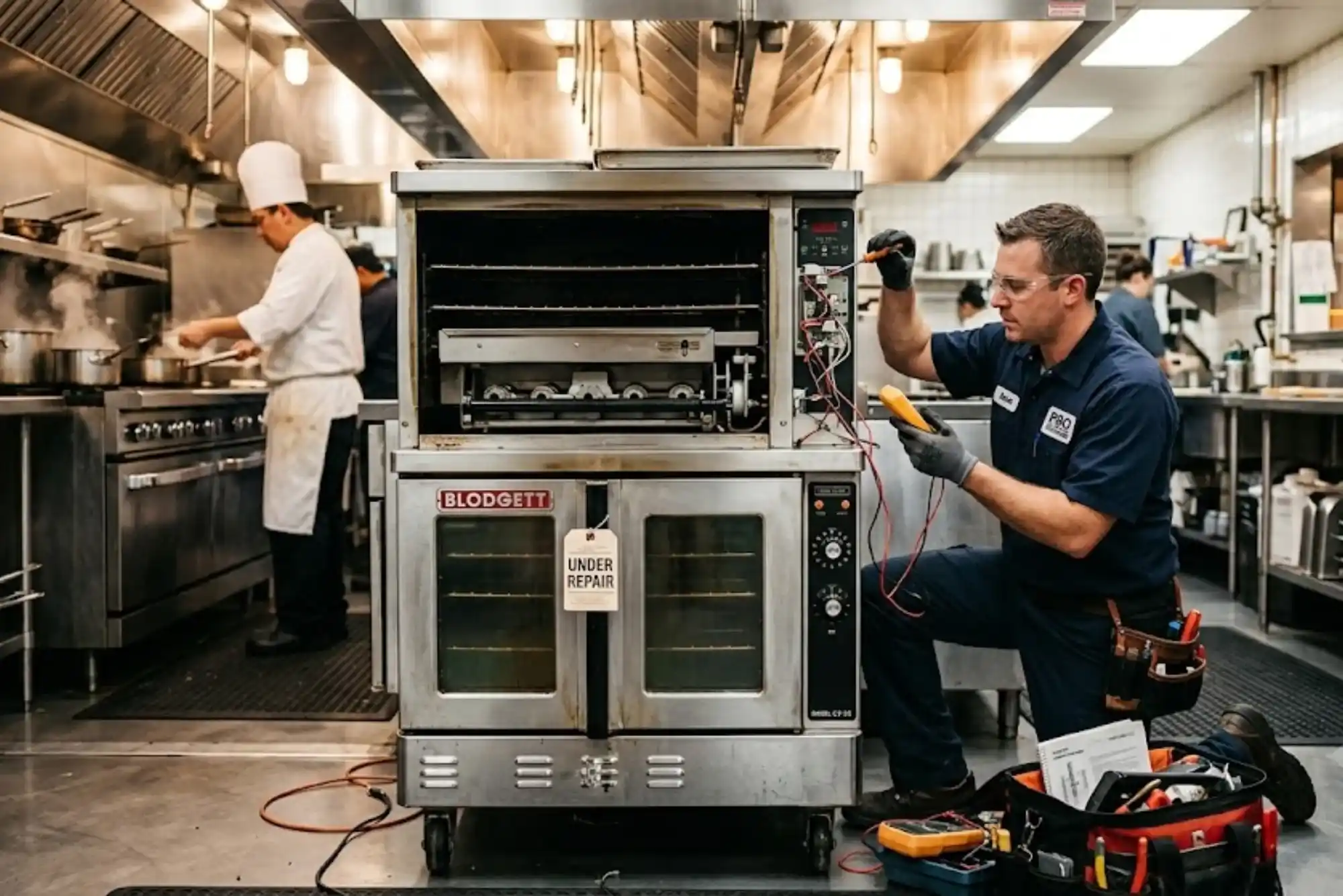
For instance, replacing a heating element often requires handling wires connected to high-voltage circuits. Without proper precautions, touching a live wire could cause electrocution. Similarly, diagnosing a gas oven that fails to ignite may involve working with gas lines, where even a small mistake could create a hazardous leak.
Temperature regulation problems are another common concern. If the thermostat or sensor malfunctions, the oven might overheat, creating a fire hazard. Attempting to test or replace these components requires careful handling, as missteps can worsen the problem.
By understanding the risks associated with different repairs, homeowners can better decide whether to proceed on their own or seek professional assistance.
When Professional Help Becomes Essential
There are limits to what can safely be handled without formal training. Tasks such as repairing control boards, replacing gas regulators, or handling sealed components often require specialized tools and knowledge. Attempting these repairs without expertise can not only damage the oven further but also void warranties or violate local safety codes.
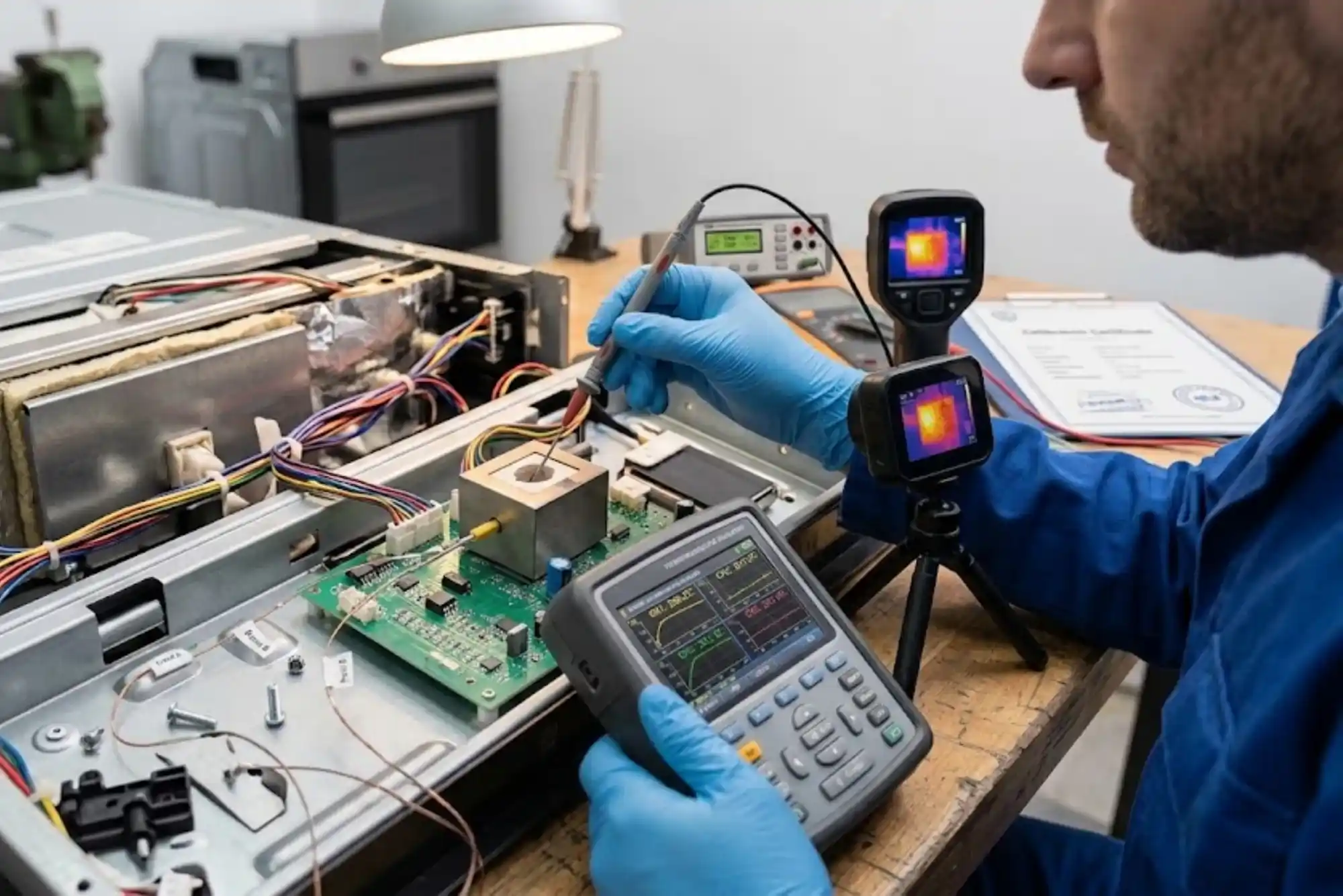
Professional technicians undergo training to handle both electrical and gas systems safely. They also carry diagnostic equipment that provides accurate assessments of hidden problems. Most importantly, they are insured, meaning any accidental damage or injury is covered—a protection homeowners do not have when working alone.
Knowing when to call for professional help is part of responsible oven ownership. If the repair involves gas lines, complex wiring, or components you cannot identify with certainty, it is far safer to rely on an expert.
The Role of Preventive Maintenance in Oven Safety
Repair safety does not begin at the moment of breakdown. Preventive maintenance can minimize the likelihood of dangerous malfunctions. Regularly cleaning the oven to prevent grease buildup reduces the risk of fire. Inspecting seals and gaskets ensures heat stays contained, protecting both the appliance and surrounding surfaces.
Checking cords, plugs, and outlets for wear helps avoid electrical hazards, while scheduling annual professional inspections for gas ovens can catch leaks or faulty connections before they become serious. Preventive care may not eliminate all problems, but it significantly reduces the chance of sudden, high-risk failures that demand emergency repair.
The Importance of Using the Right Tools
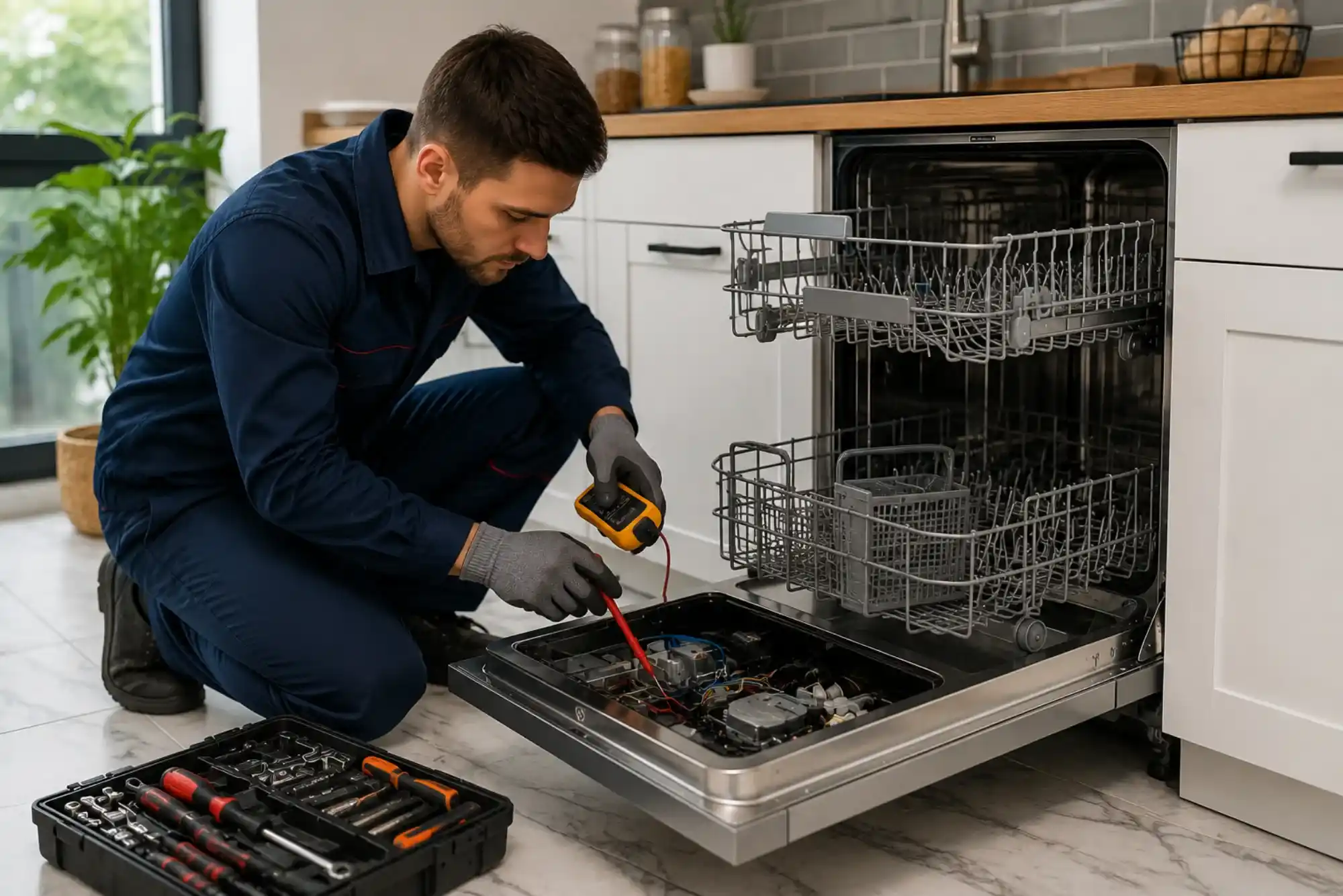
Another aspect of safety often overlooked is the use of proper tools. Improvised tools can slip, strip screws, or fail under pressure, creating opportunities for injury. Insulated screwdrivers, voltage testers, and gas leak detectors are examples of tools that make oven repair not only easier but also far safer.
Even small details like using the correct replacement parts matter. Substituting a heating element or thermostat with an incompatible model can lead to overheating or electrical shorts. Manufacturer-approved components are tested for compatibility and safety, making them the only reliable choice.
Long-Term Safety Habits for Homeowners
Repair safety is not just about single incidents—it is about building habits that protect you and your household over time. Developing the discipline to always disconnect power and gas before working on the oven, no matter how minor the task, ensures consistency. Storing the user manual in an accessible place and taking time to review safety notes whenever an issue arises can prevent rushed decisions.
Equally important is cultivating awareness of warning signs. Unusual smells, sparking, inconsistent heating, or odd noises should never be ignored. These are often early indicators of problems that could escalate into hazards if left unattended. By responding early, homeowners not only maintain safety but also extend the lifespan of their ovens.
Balancing DIY Enthusiasm with Safety Awareness
There is undeniable satisfaction in fixing a household appliance independently. It can save money, reduce downtime, and provide a sense of accomplishment. However, oven repair sits at the intersection of convenience and risk. A balanced perspective is essential.
Approaching oven repair with humility, recognizing personal limits, and respecting the dangers involved are signs of responsible ownership. Safety should always outweigh the desire to prove technical ability. In many cases, the smartest form of do-it-yourself repair is knowing when to stop and make the call to a professional.
Safety as the First Ingredient in Oven Repair
The oven may be a daily tool for cooking, but behind its familiar exterior lies a complex and potentially hazardous machine. Repairing it without proper precautions can lead to accidents with lasting consequences. By understanding the risks, preparing the workspace, using the right tools, and knowing when to call in professional help, homeowners can approach oven repairs with confidence while prioritizing safety.
Ultimately, oven repair safety is not just about avoiding accidents—it is about protecting your family, your home, and your peace of mind. When safety is treated as the first ingredient in every repair, the chances of success rise, and the risks fall.