The oven is one of the most important appliances in any modern kitchen, serving as the heart of countless meals prepared for families worldwide. While many people use their oven every day, not everyone understands how it actually works. From baking and roasting to grilling and broiling, your oven is designed with precision engineering that relies on several key components working together.
Understanding these components is not only fascinating but also essential for maintaining your appliance in the best condition. Knowing how each part functions helps you detect early signs of malfunction and ensures that your oven continues to provide reliable cooking results for years.
In this comprehensive guide, we will explore how your oven works by examining its most important components. This breakdown will provide a clear picture of what happens behind the scenes every time you press the start button or turn a dial.
The Importance of Understanding Oven Components
An oven may look simple from the outside, but on the inside, it is a complex system. Each component has a unique role in the cooking process, and together they maintain temperature, regulate airflow, and ensure safe operation. Whether you are using a gas oven or an electric one, the fundamental principles remain similar. The heat source generates energy, sensors regulate that energy, and insulation ensures that the heat stays where it is needed most—inside the cooking chamber.
For homeowners, understanding these components means being better prepared for maintenance and troubleshooting. For technicians, it allows accurate repairs and quicker identification of problems. Even if you are just curious about how things work, knowing what powers your oven is beneficial knowledge.
Heating Elements: The Core of an Electric Oven
In electric ovens, the heating elements are the most vital components. There are typically two: one located at the bottom of the oven and one at the top. The bottom element is primarily responsible for baking and roasting, as it produces steady and consistent heat that fills the chamber. The top element, often called the broil element, delivers intense, direct heat perfect for grilling or browning the tops of dishes.

These elements are made of metal alloys that can withstand extreme temperatures. When electricity passes through them, resistance causes the metal to heat up. This process converts electrical energy into radiant heat, which then cooks your food. Modern ovens are equipped with thermostats and sensors that control how much electricity flows to these elements,Post Category, ensuring the temperature remains consistent throughout the cooking cycle.
Gas Burners: The Heart of a Gas Oven
Gas ovens function differently but achieve the same end result. Instead of electric coils, they use gas burners located at the bottom of the oven cavity. These burners ignite a controlled flame that heats the oven. The flame is distributed evenly using a diffuser, and airflow is carefully managed to maintain steady cooking temperatures.
Gas ovens typically preheat faster than electric ones, and many chefs prefer them for roasting because the dry heat they produce adds texture to dishes. Safety valves, igniters, and thermocouples ensure that the gas supply is tightly regulated, preventing leaks or accidental ignitions. The integration of these safety components highlights the importance of every small part in the system.
The Role of the Thermostat and Temperature Sensors
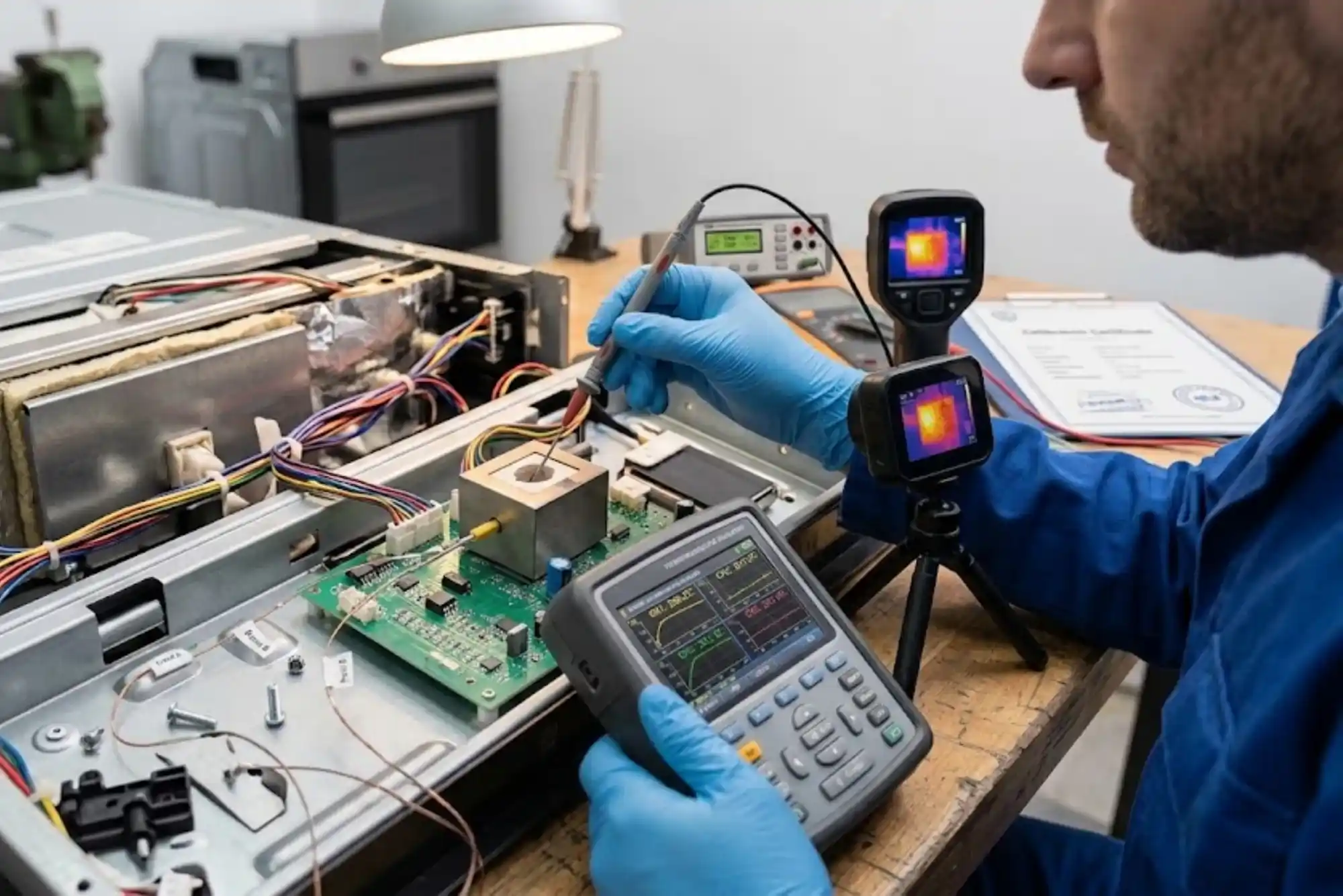
An oven would not be functional without a way to regulate its heat. This is where the thermostat and temperature sensors come into play. The thermostat acts as the brain of the oven’s heating system, constantly monitoring the internal temperature and signaling the elements or burners to turn on or off.
In older ovens, thermostats are mechanical devices, while modern ovens rely on digital temperature sensors for more accuracy. These sensors provide real-time data, allowing the control board to make precise adjustments. This ensures your food is cooked evenly without burning or undercooking.
If your oven ever fails to maintain the right temperature, it usually points to an issue with the thermostat or sensor, making these components crucial for both cooking performance and safety.
Control Panel and User Interface
The control panel is the part of the oven that users interact with the most. It can range from simple dials and knobs in traditional ovens to advanced digital displays with touch-sensitive controls in modern models. Regardless of design, the control panel allows you to set cooking modes, adjust temperatures, and activate timers.
Behind the panel lies the control board, a small computer that processes the commands you input. It communicates with heating elements, fans, lights, and safety switches to carry out your instructions. If the control panel or circuit board malfunctions, the oven may not respond correctly, even if all other parts are in good working order.
The Fan and Convection System
Many ovens today come with a convection setting, which adds a fan and exhaust system to the traditional design. The fan circulates hot air evenly throughout the oven chamber, eliminating cold spots and ensuring consistent results. This system is particularly useful for baking multiple trays at once, as it ensures that heat reaches every corner.
The convection fan is usually located at the back of the oven and is paired with an exhaust vent to maintain proper airflow. Without it, heat would naturally rise and create uneven cooking conditions. This component demonstrates how a small addition can dramatically improve performance.
The Oven Cavity and Insulation
The oven cavity itself is another key component that often goes unnoticed. It is usually coated with enamel that resists high temperatures and is easy to clean. The interior design is crucial for efficient heat reflection and distribution.
Surrounding the cavity is a layer of high-quality insulation. This insulation prevents heat from escaping and ensures that your oven operates efficiently without wasting energy. It also keeps the outer surface of the oven cool to the touch, reducing the risk of burns. Proper insulation is one of the reasons ovens can maintain stable temperatures for extended periods.
The Oven Door and Its Seal
Another critical part of the oven is the door. It may seem simple, but its role is vital. The door features a thick glass window that allows you to monitor your food without opening it and losing heat. The glass is designed to withstand high temperatures and is usually double or triple-paned for insulation.
The door seal, often a rubber gasket, ensures that no heat escapes while the oven is operating. If this seal becomes damaged, your oven may struggle to maintain temperature, resulting in uneven cooking and increased energy consumption. Replacing a worn-out seal is one of the simplest ways to restore efficiency.
Safety Features and Modern Innovations
Modern ovens are built with safety in mind. Features such as automatic shut-off, child locks, and residual heat indicators ensure that the oven is safe for home use. Additionally, many ovens now come with smart technology, allowing you to control and monitor your cooking from a mobile app.
Other innovations include self-cleaning modes that use extreme heat to burn away food residue, catalytic liners that absorb grease, and steam injection systems for professional-quality baking. These advanced features are built upon the same fundamental components but demonstrate how technology continues to evolve in home appliances.
How All Components Work Together
When you turn on your oven, all these components spring into action in perfect coordination. The control panel sends instructions to the control board, which activates the heating elements or gas burners. The thermostat and sensors continuously monitor the temperature, adjusting the heat as needed. The insulation and door seal keep the heat inside, while fans may circulate it for even distribution.
Every part has a role to play, and the failure of just one component can affect the oven’s overall performance. That is why regular maintenance and timely repairs are essential for keeping your oven running smoothly.
Maintaining Your Oven for Long-Term Use
Understanding how your oven works also emphasizes the importance of maintenance. Regular cleaning prevents buildup that can affect heating performance. Checking the door seal, monitoring the heating elements, and ensuring the fan operates correctly are small steps that extend the lifespan of the appliance.
Professional servicing can also identify hidden problems before they become major issues. By caring for the essential components, you ensure not only efficient performance but also safe cooking in your home.
Your oven is much more than just a box that produces heat. It is a carefully engineered appliance that relies on multiple components working together to deliver consistent, safe, and efficient cooking results. From heating elements and gas burners to thermostats, fans, and insulation, every part plays a vital role in the cooking process.