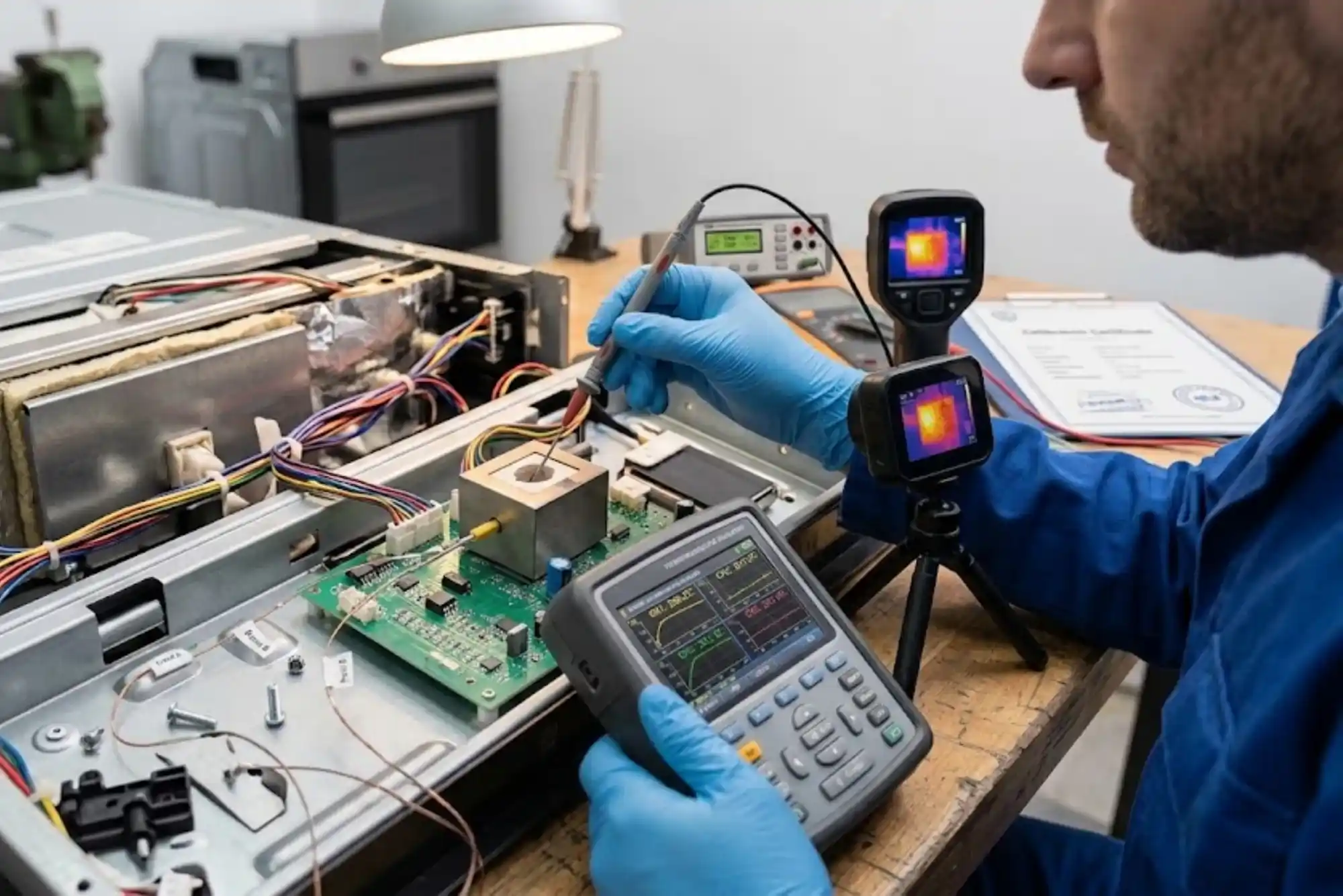
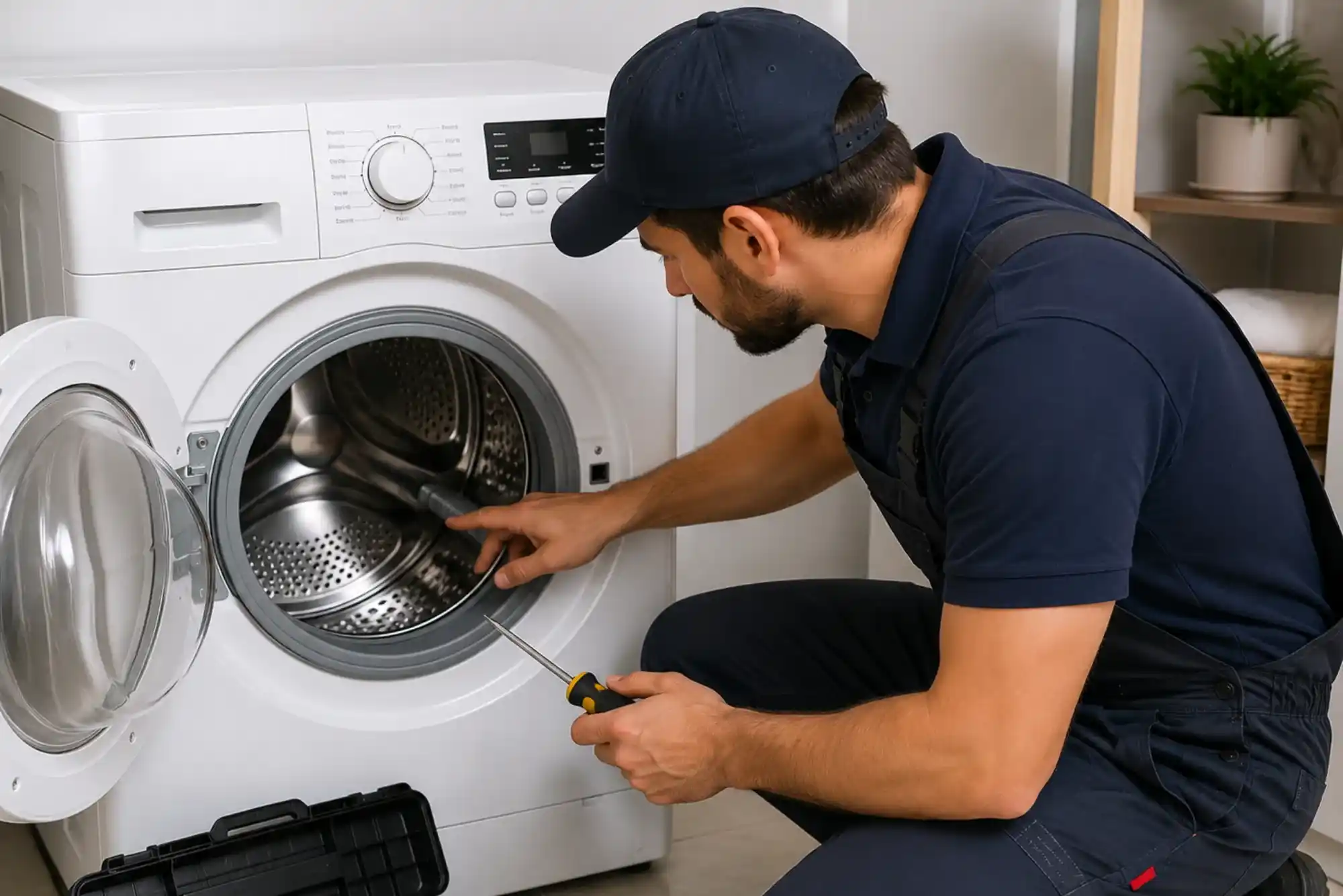
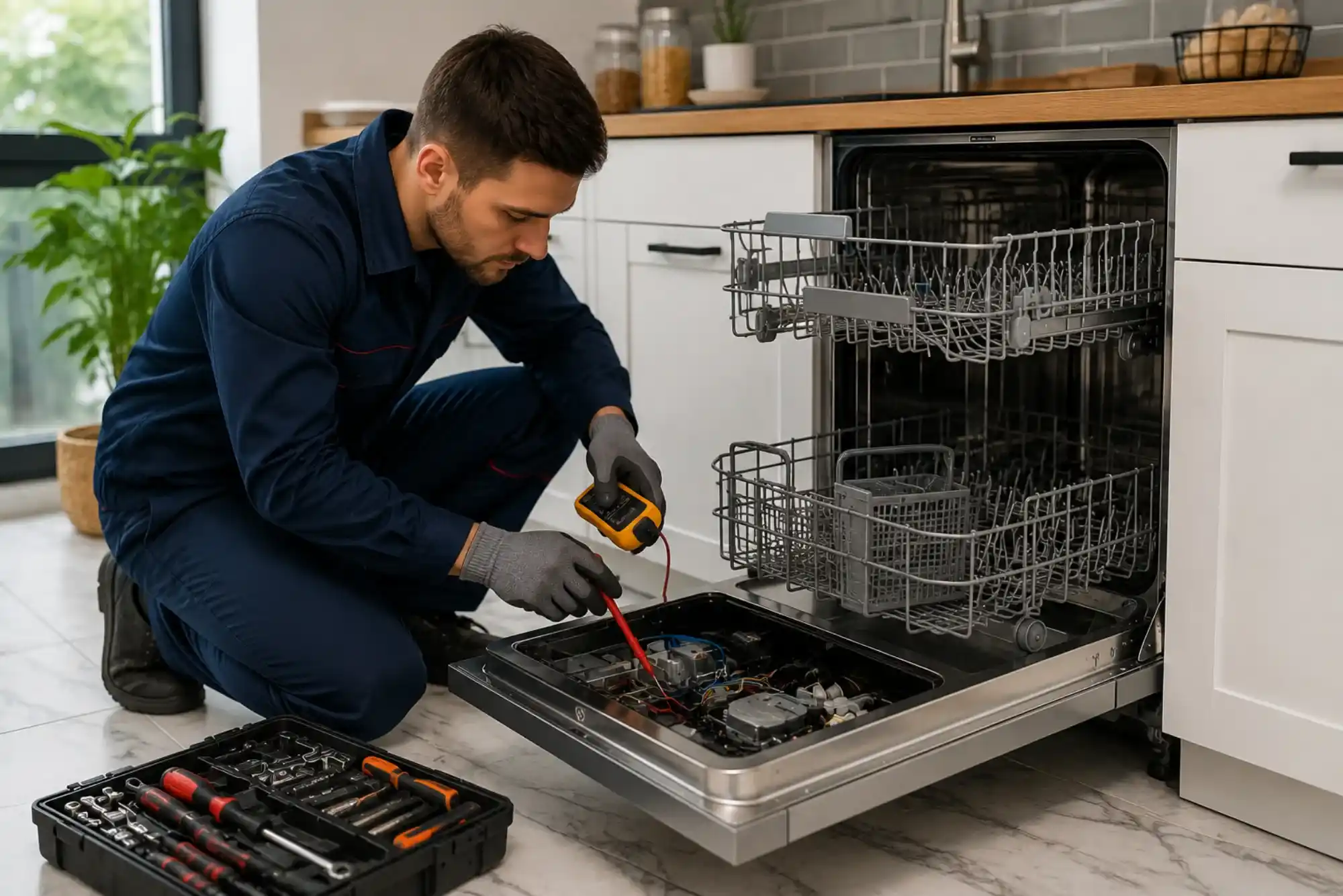
Dishwashers have become a staple appliance in modern homes, saving time, energy, and water compared to traditional handwashing. Yet, many homeowners struggle with hard water issues that affect their dishwasher’s cleaning performance. Hard water contains a high level of calcium and magnesium minerals, which leave behind limescale, spots on glassware, and mineral deposits inside the appliance. This is where the water softener system within your dishwasher plays a crucial role.
Over time, the built-in water softener may become less effective or require an upgrade to handle the severity of water hardness in your area. Understanding how to upgrade your dishwasher’s water softener system can help restore optimal performance, improve the longevity of your appliance, and ensure sparkling clean dishes with every wash.
Why a Dishwasher Water Softener System Matters
The primary function of a dishwasher water softener is to remove excess minerals from the water before it reaches your dishes. By using ion-exchange resins or integrated filters, the softener reduces calcium and magnesium levels, allowing detergents to work more efficiently. Without it, soap scum forms easily, glassware becomes cloudy, and scale builds up on the heating element and spray arms.
An efficient water softener system not only improves the cleanliness of dishes but also protects the machine from costly damage. When your dishwasher operates in a hard-water environment without adequate softening, it consumes more detergent, uses more rinse aid, and eventually requires frequent repairs. Upgrading the system is therefore an investment in performance and durability.
Signs That Your Dishwasher Water Softener Needs an Upgrade
Many homeowners fail to notice early signs of water softener inefficiency. Some of the most common indicators include persistent spots or streaks on dishes, cloudy glassware, mineral deposits inside the dishwasher, and the need for excessive detergent or rinse aid. Another telling sign is an increase in maintenance issues such as clogged spray arms, heating element scaling, or unusual noises caused by mineral buildup.
If you find that your dishwasher is not delivering the same cleaning quality it once did, even after using high-quality detergents, it is likely time to consider upgrading the water softener system.

Preparing for a Dishwasher Water Softener Upgrade
Before attempting an upgrade, it is essential to identify the type of dishwasher you own and whether it has an integrated water softener. Not all models are equipped with this feature. High-end dishwashers often include adjustable water softener settings that allow you to tailor performance based on the hardness level in your area.
You may need to check your appliance’s manual to locate the water softener compartment, usually positioned near the bottom or side of the machine. Some models require dishwasher salt to regenerate the resin beads inside the softener. If the system is no longer effective despite regular salt refills, it is a strong indication that an upgrade or replacement is necessary.
Choosing the Right Upgrade Option
When upgrading your dishwasher’s water softener, there are two primary approaches: replacing the built-in softener component or integrating an external water softening solution. Replacing the built-in unit often requires professional expertise, as the process involves disassembling parts of the dishwasher and installing new resin filters or compartments. On the other hand, external water softeners, such as whole-house systems or point-of-use devices, can be installed on the water supply line leading to the dishwasher.
An external system has the advantage of treating all water entering your home, benefiting not just your dishwasher but also your washing machine, faucets, and plumbing system. However, if your goal is specifically to enhance dishwasher performance, upgrading the internal system is often more cost-effective.
The Upgrade Process
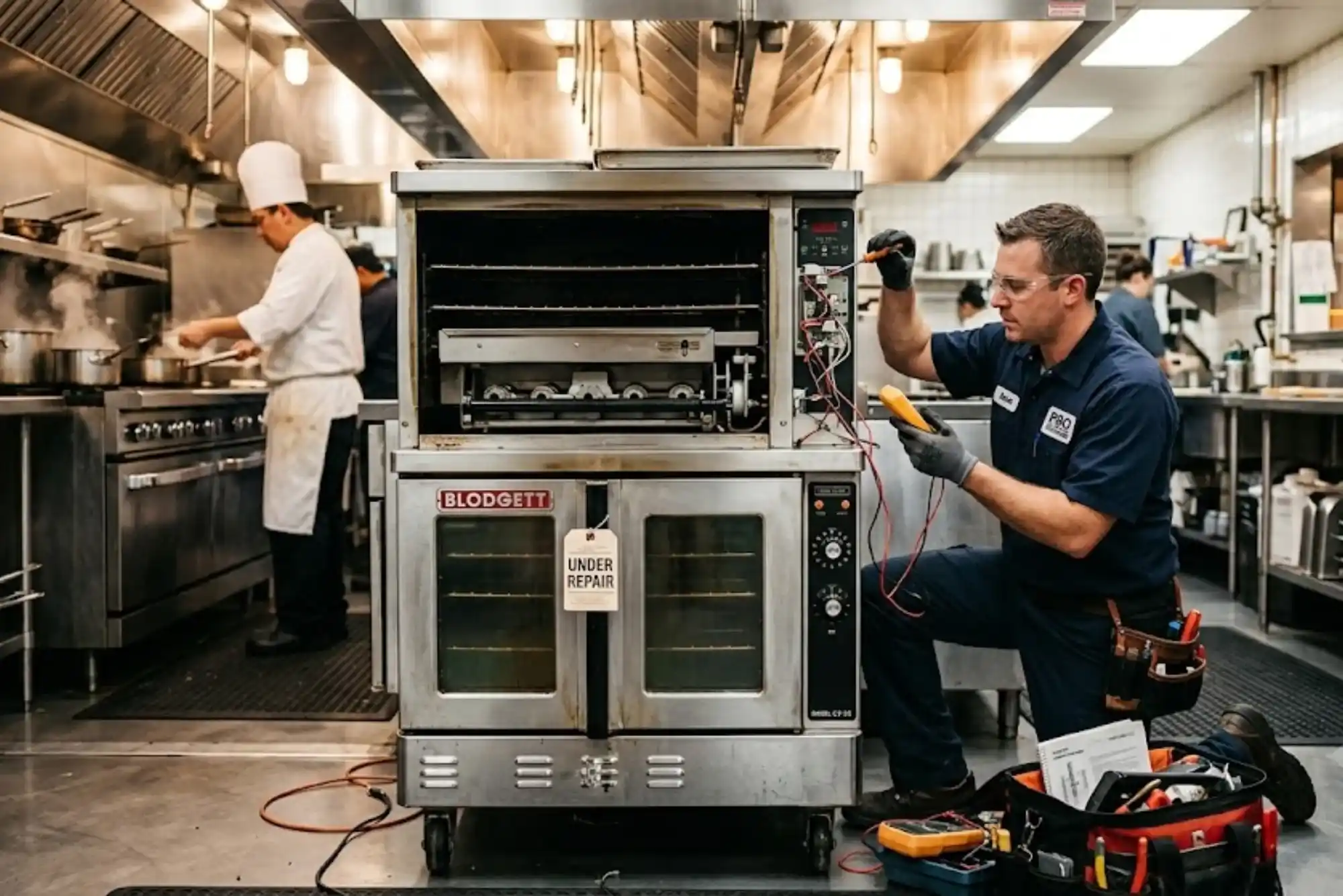
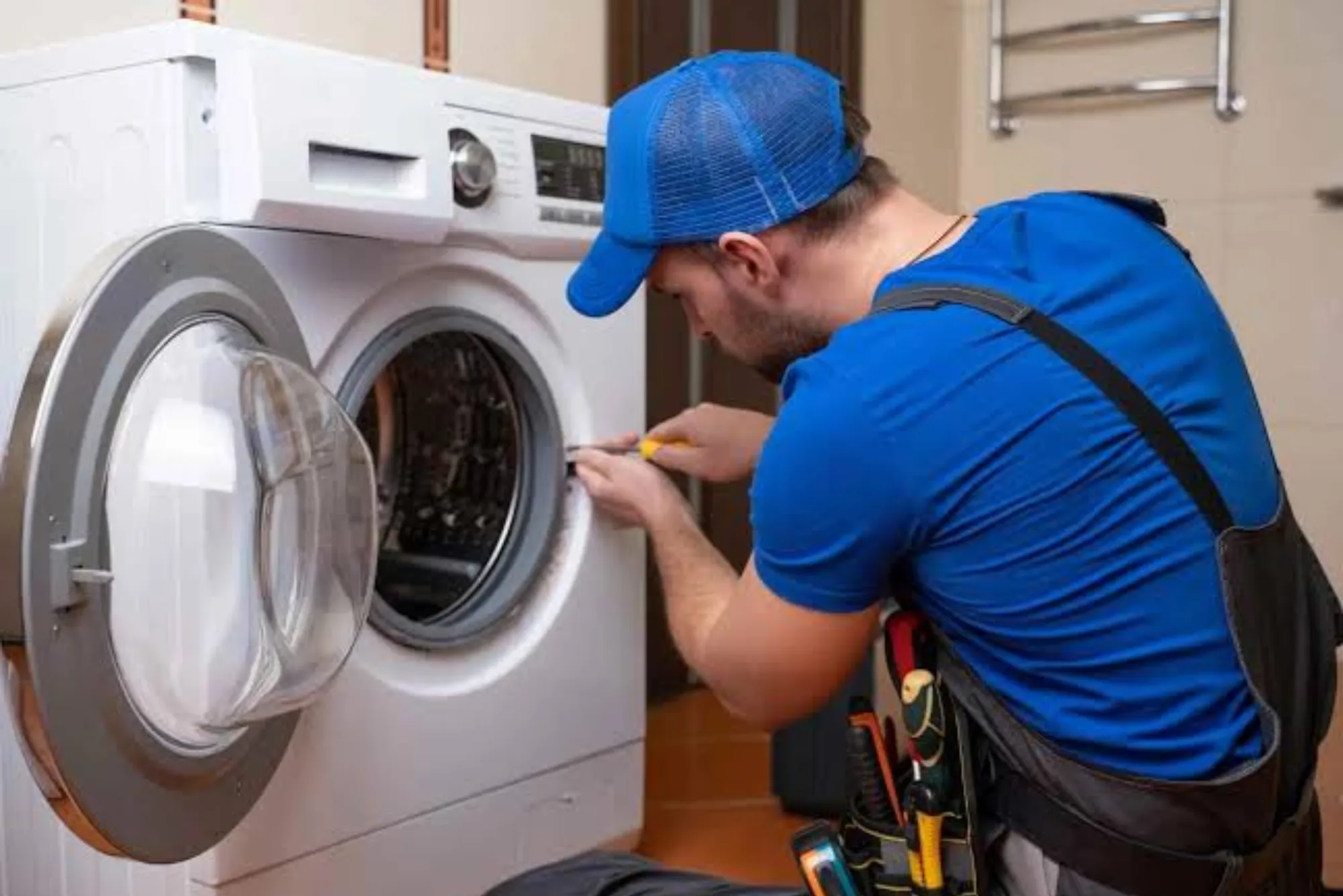
Upgrading an internal dishwasher water softener typically begins with draining the machine and disconnecting it from the power supply and water line. A technician will then access the softener compartment, remove the old resin unit or cartridge, and install a new system compatible with the dishwasher model. Once installed, the new system must be primed with dishwasher salt and calibrated to match the local water hardness level.
For external softeners, the process involves cutting into the water supply line and adding a bypass valve system. This ensures that softened water flows directly into the dishwasher. External solutions may use salt-based ion exchange systems or salt-free alternatives such as template-assisted crystallization. Each method has its pros and cons, but both provide significant improvements in preventing limescale buildup.
Benefits of Upgrading Your Dishwasher’s Water Softener
After upgrading your dishwasher’s water softener system, you will quickly notice the difference in cleaning performance. Dishes emerge spotless and free of streaks, detergents dissolve more efficiently, and the need for rinse aid is reduced. Internally, your dishwasher remains free of limescale deposits, extending the life of key components such as spray arms, pumps, and heating elements.
Beyond improving dishwashing results, upgrading your water softener system also contributes to energy efficiency. A clean, scale-free heating element uses less electricity to heat water, lowering utility bills over time. Additionally, reduced detergent consumption saves money and minimizes environmental impact.
Maintenance After the Upgrade
Once the water softener system is upgraded, consistent maintenance ensures its longevity. Most internal systems require periodic refills of dishwasher salt, while external softeners may need resin regeneration or filter replacement. Regularly checking the salt indicator light, cleaning the softener compartment, and monitoring water hardness levels can help maintain peak performance.
Scheduling periodic professional inspections also prevents potential issues from escalating. Technicians can test the hardness of your incoming water supply, recalibrate the softener settings, and perform necessary adjustments to keep your dishwasher running smoothly.
Professional vs. DIY Upgrades
Some homeowners may consider upgrading the water softener system themselves, but it is important to weigh the risks. Dishwashers are complex appliances with electrical and plumbing connections that require proper handling. Incorrect installation can lead to water leaks, electrical hazards, or damage to the appliance.
Professional technicians have the tools, knowledge, and experience to carry out upgrades safely and effectively. They also ensure that the new system is correctly calibrated for the hardness level of your region, which is crucial for achieving optimal performance. For most homeowners, hiring a professional is the most practical and reliable approach.
Enhancing Your Kitchen Experience
A well-functioning dishwasher water softener system transforms daily kitchen routines by delivering spotless, hygienic results with minimal effort. Instead of re-washing dishes or scrubbing away limescale buildup, you can rely on your upgraded appliance to handle even the toughest loads with ease. This not only saves time but also enhances overall kitchen efficiency and comfort.
In households located in areas with extremely hard water, upgrading the dishwasher’s water softener system is not merely a convenience but a necessity. By protecting both your dishes and your appliance, the upgrade pays for itself through reduced repair costs, improved energy efficiency, and extended appliance lifespan.
Understanding how to upgrade your dishwasher’s water softener system is an important step toward maximizing the performance of your appliance and ensuring long-lasting results. From identifying signs of inefficiency to choosing the right upgrade method, each step contributes to improved cleaning outcomes and protection against hard water damage.