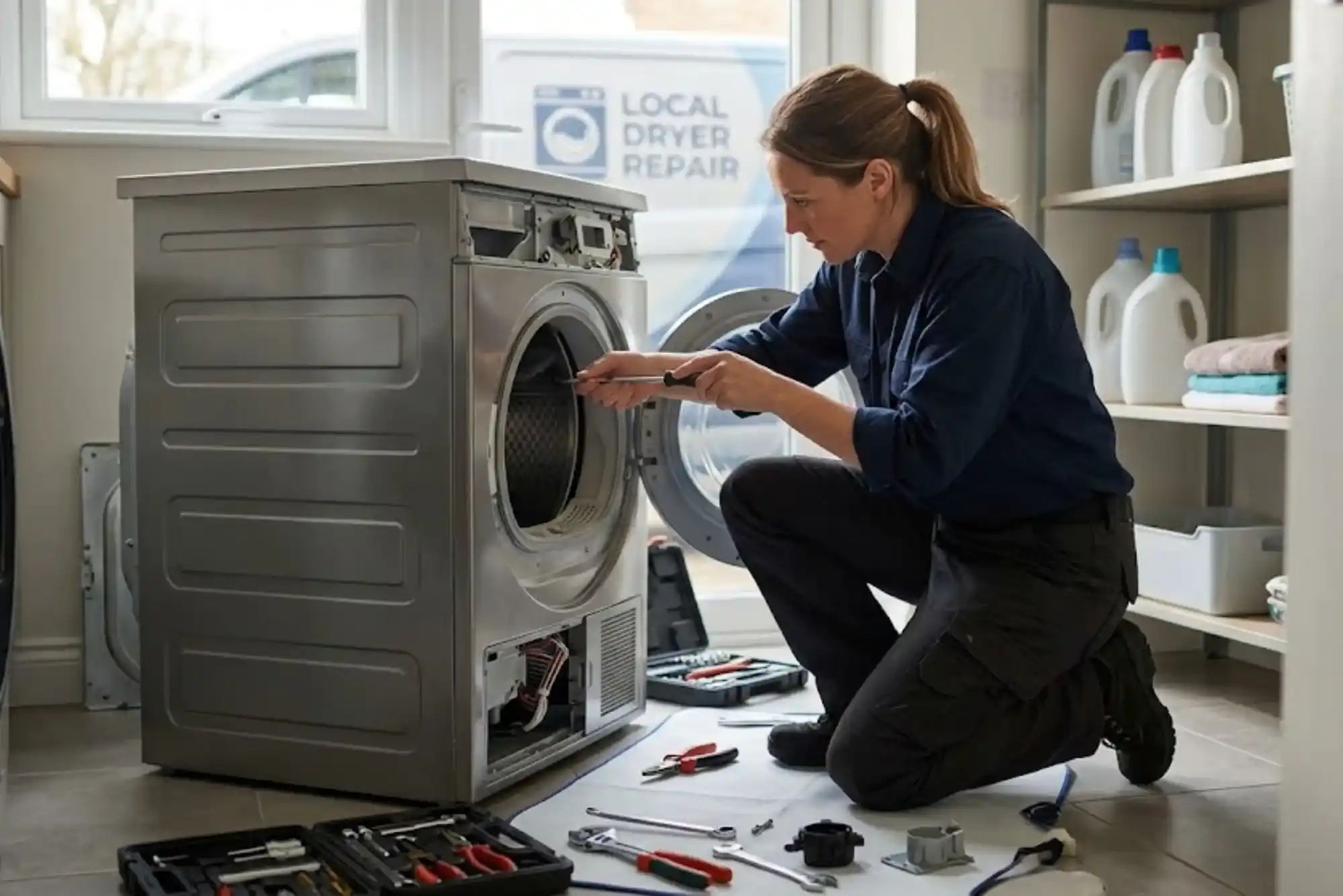
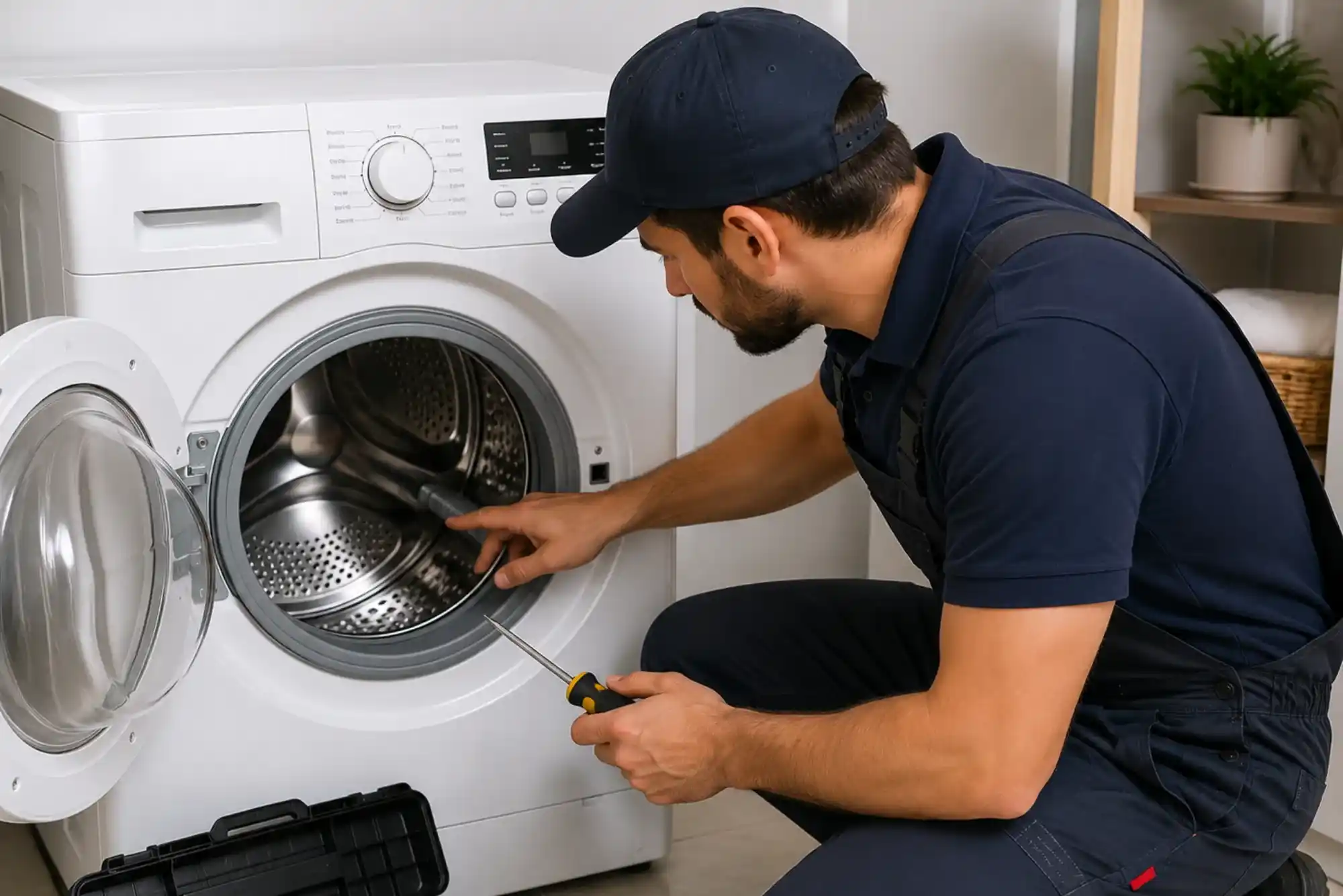
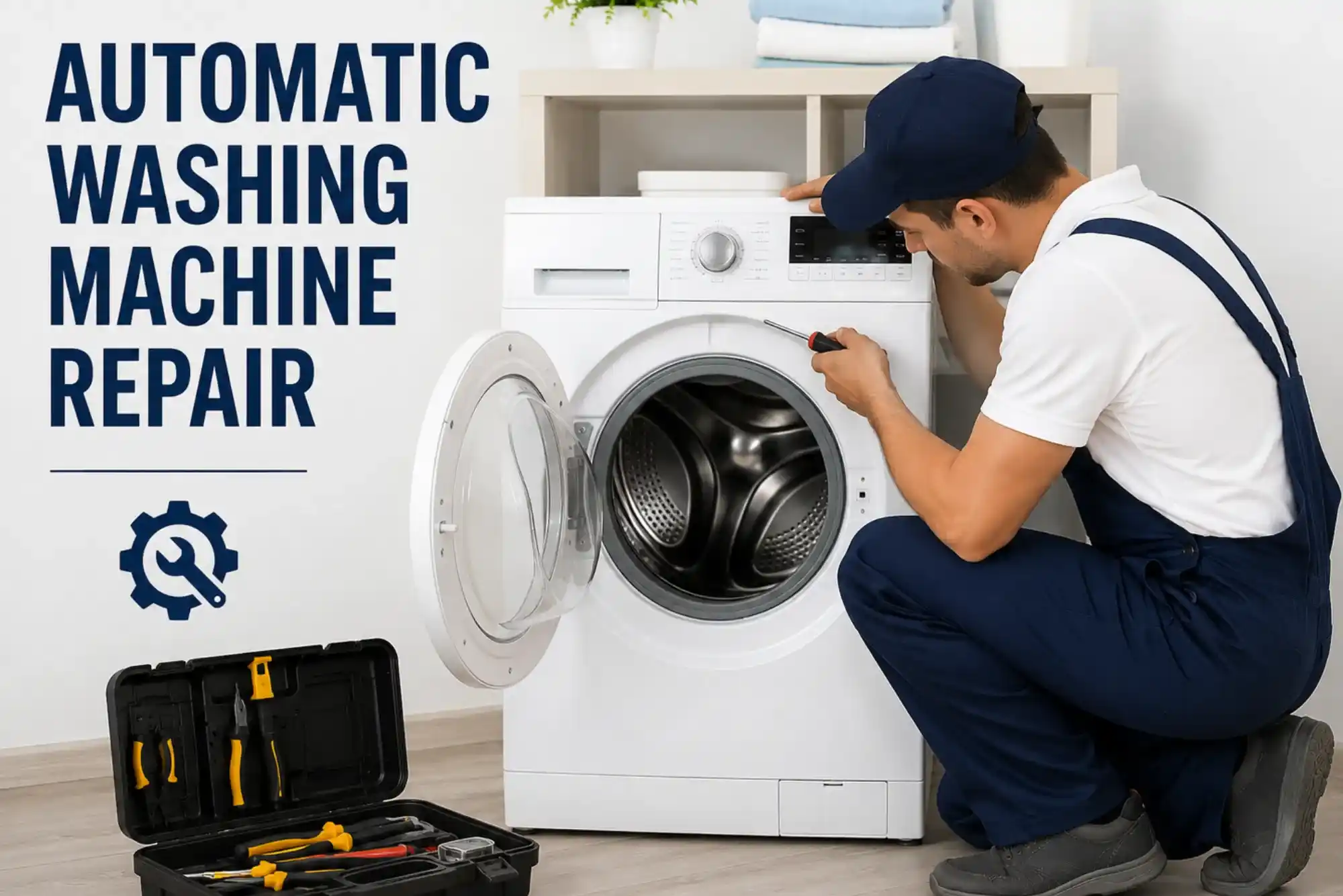
A washing machine is an essential home appliance that brings convenience and efficiency to daily chores. When it suddenly starts making loud or unusual noises during the spin cycle, it can be both alarming and inconvenient. The sound may range from a light rattle to a heavy banging noise, and while it may seem harmless at first, it often indicates a deeper mechanical problem that needs attention. Understanding why your washing machine is making loud noise while spinning and how timely professional washing machine repair can fix it is crucial to maintaining your appliance’s longevity.
Understanding the Spinning Function of a Washing Machine
The spin cycle is one of the most critical functions of any washing machine. During this stage, the drum rotates at high speed to remove excess water from the clothes, preparing them for drying. When operating correctly, the process should produce minimal sound, mostly the gentle hum of the motor and the swish of water being extracted. However, when parts within the machine become damaged, worn out, or imbalanced, the quiet spin can quickly turn into a loud and disturbing noise.
Common Causes of Loud Noise During the Spin Cycle
Several issues can lead to a washing machine producing loud noises during operation. One of the most frequent causes is an unbalanced load. When heavy items gather on one side of the drum, the uneven distribution causes the drum to hit the outer tub walls as it spins. Another cause could be worn-out drum bearings. These small metal components help the drum spin smoothly, and once they wear out, a grinding or rumbling noise may occur.
Loose or damaged shock absorbers can also cause problems. These parts are designed to keep the drum stable during high-speed spins. When they fail, the drum moves excessively, resulting in loud banging or knocking sounds. Additionally, a broken drive belt or a defective motor coupling can produce squealing or screeching noises. Each of these issues points to a need for prompt professional washing machine repair to prevent further damage.
The Role of Drum Bearings in Washing Machine Noise
Drum bearings are often at the heart of noise problems in washing machines. Over time, they can wear out due to constant friction, especially if water or detergent leaks into them. A clear sign of bad bearings is a deep rumbling noise that becomes louder during the spin cycle. This issue is not something that homeowners should attempt to fix themselves. Replacing bearings requires special tools and expertise to disassemble and reassemble the drum properly. Hiring an experienced washing machine repair technician ensures that the bearings are replaced safely and that the appliance’s balance and alignment are restored.
Shock Absorbers and Suspension Springs: Key Stability Components
Shock absorbers and suspension springs help to absorb vibration and movement during washing and spinning. When these parts become loose or damaged, the washing machine can bounce excessively, producing loud thuds or banging noises. The machine might even shake or move out of its position. These components are crucial for maintaining stability, and their failure can lead to other internal parts wearing out faster. A qualified washing machine repair specialist can inspect these components, tighten or replace them as necessary, and ensure the appliance runs smoothly once again.

Loose Drum Spider Arm or Pulley Problems
Another common cause of a washing machine making loud noise while spinning is a loose or broken drum spider arm. The spider arm holds the drum in place and ensures it rotates evenly. If it cracks or detaches, the drum can become unstable, producing knocking or rattling sounds. Similarly, issues with the pulley system—such as a misaligned or worn pulley—can result in a screeching or squealing noise during operation. Because these components are located deep inside the machine, a professional washing machine repair service is the safest way to diagnose and resolve these issues.
Foreign Objects and Their Impact on Noise
Sometimes the cause of the noise is simpler than mechanical failure. Small foreign objects such as coins, buttons, or hairpins can become trapped between the drum and the tub. As the drum spins at high speeds, these objects can scrape or bang against the metal, creating alarming noises. While removing these items might seem straightforward, accessing them without damaging the machine can be difficult. Technicians performing washing machine repair have the tools and experience to safely locate and remove any trapped objects without causing further damage.
Importance of Regular Maintenance
Routine maintenance is key to preventing washing machine problems and extending the appliance’s lifespan. Regularly checking hoses, seals, and filters can prevent leaks and blockages that might lead to noise or other operational issues. Balancing the machine properly, ensuring it is on a level surface, and avoiding overloading are simple steps that reduce stress on internal components. Periodic professional washing machine repair and servicing can also identify potential issues before they escalate, saving time and money in the long run.
When to Call for Professional Washing Machine Repair
While minor noises may not always require immediate repair, any persistent or worsening sound should never be ignored. Attempting to fix complex internal parts without the right tools or expertise can make the situation worse. A trained washing machine repair expert can accurately diagnose whether the noise stems from a simple imbalance or a more serious mechanical failure. They will inspect all critical components—including bearings, shock absorbers, pulleys, and belts—to ensure the machine is functioning safely and efficiently.
The Benefits of Professional Repair Over DIY Solutions
In today’s digital world, it’s tempting to rely on online tutorials for appliance repairs. However, washing machines are complex devices that involve water, electricity, and precise mechanical components. Incorrect handling can lead to electric shocks, leaks, or permanent damage to the appliance. Professional washing machine repair services provide safe and effective solutions, ensuring that all replaced parts meet manufacturer standards. They also help preserve the machine’s warranty and prevent future breakdowns.
Preventing Future Noise Problems
Once your washing machine has been repaired, there are practical steps you can take to prevent similar issues in the future. Always load clothes evenly and avoid washing heavy items in a single cycle. Check pockets for small metal or plastic items before placing clothes in the drum. Use the correct detergent and avoid over-sudsing, which can strain internal components. Periodically, run an empty maintenance cycle with a washing machine cleaner to keep the drum and hoses clear of residue. Combining these simple habits with regular professional servicing will ensure your washing machine operates quietly and efficiently for years.
A washing machine making loud noise while spinning is more than a minor inconvenience—it is often a sign that essential components are wearing out or malfunctioning. Ignoring these noises can lead to more serious and expensive repairs down the line. By addressing the issue promptly with professional washing machine repair, you not only restore peace and quiet to your laundry routine but also protect your appliance from further damage. Regular maintenance and mindful usage can help ensure that your washing machine continues to perform smoothly, providing dependable service and comfort in your daily life.