Air conditioner coil maintenance is one of the most critical yet often overlooked aspects of keeping a cooling system efficient and reliable. The coils inside an air conditioning unit play a central role in transferring heat, regulating indoor temperatures, and maintaining overall system balance. When these coils are clean and well maintained, the air conditioner operates smoothly, delivers consistent cooling, and consumes less energy.
When neglected, however, dirty or damaged coils can cause reduced performance, higher electricity bills, frequent breakdowns, and even premature system failure. Understanding the importance of air conditioner coil maintenance helps homeowners and businesses protect their investment and enjoy uninterrupted comfort.
Understanding the Role of Air Conditioner Coils
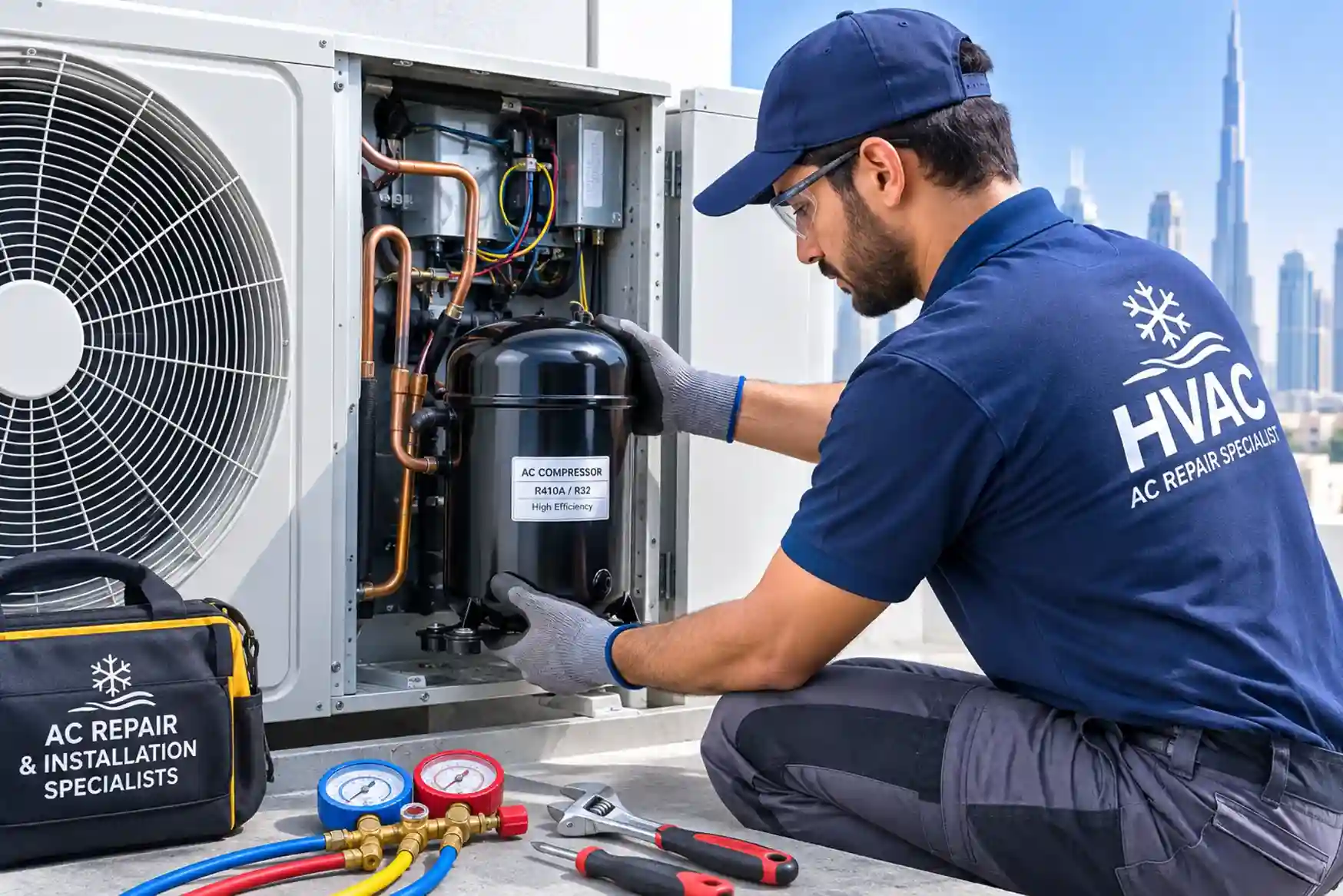
To appreciate the importance of air conditioner coil maintenance, it is necessary to understand what coils do within the system. An air conditioner typically contains two main coils: the evaporator coil located inside the indoor unit and the condenser coil positioned in the outdoor unit. The evaporator coil absorbs heat from indoor air, allowing cool air to circulate throughout the space. The condenser coil releases the absorbed heat outside, completing the cooling cycle. Both coils must be clean and free of obstructions to allow efficient heat exchange. Even a thin layer of dirt or dust can interfere with this process, forcing the system to work harder and reducing overall efficiency.
Why Air Conditioner Coil Maintenance Is Essential
Air conditioner coil maintenance is essential because coils are constantly exposed to dust, moisture, and environmental pollutants. Over time, these elements accumulate on coil surfaces and act as insulation, reducing their ability to transfer heat effectively. When heat exchange is restricted, the system must run longer to achieve the desired temperature.
This leads to increased energy consumption, higher utility costs, and added strain on internal components. Proper air conditioner coil maintenance ensures optimal performance, prevents unnecessary wear and tear, and helps maintain consistent indoor comfort throughout the year.
Impact of Dirty Coils on Cooling Performance
Dirty coils directly affect cooling performance in noticeable ways. When the evaporator coil is covered with dust and debris, it cannot absorb heat efficiently, resulting in weak airflow and uneven cooling. Rooms may take longer to cool, and some areas may remain warmer than others. Similarly, a dirty condenser coil struggles to release heat outdoors, causing the system to overheat and cycle frequently. Air conditioner coil maintenance addresses these issues by restoring proper heat transfer, ensuring that the system delivers strong, consistent cooling even during peak summer conditions.

Energy Efficiency and Cost Savings
One of the most significant benefits of air conditioner coil maintenance is improved energy efficiency. Clean coils allow the system to operate at its designed capacity without excessive strain. This efficiency translates directly into lower energy consumption and reduced electricity bills. Over time, the cost savings achieved through regular air conditioner coil maintenance can be substantial, especially in regions where air conditioning is used for extended periods. By investing in routine coil care, property owners can avoid the financial burden of high energy costs and unexpected repairs.
Effects on System Lifespan and Reliability
Air conditioner coil maintenance plays a vital role in extending the lifespan of the entire cooling system. When coils are dirty or corroded, the compressor and other components are forced to work harder, increasing the risk of mechanical failure. Continuous strain shortens the life of critical parts and can lead to costly replacements. Regular maintenance keeps coils clean, reduces operational stress, and enhances overall system reliability. A well-maintained air conditioner not only lasts longer but also delivers consistent performance year after year.
Indoor Air Quality and Health Benefits
Beyond cooling efficiency, air conditioner coil maintenance also affects indoor air quality. Dirty evaporator coils can harbor mold, bacteria, and allergens that circulate through the air when the system operates. This can trigger respiratory issues, allergies, and unpleasant odors inside the home or workplace. Maintaining clean coils helps prevent microbial growth and ensures that the air circulating indoors remains fresh and healthy. Proper air conditioner coil maintenance contributes to a cleaner indoor environment and supports the well-being of occupants.
Signs That Coil Maintenance Is Needed
Recognizing the signs that air conditioner coil maintenance is needed can help prevent major issues. Reduced cooling efficiency, longer running times, unusual noises, and higher energy bills often indicate coil-related problems. In some cases, ice may form on the evaporator coil due to restricted airflow caused by dirt buildup. Ignoring these warning signs can lead to more severe damage. Timely air conditioner coil maintenance addresses these symptoms early, restoring normal operation and preventing costly breakdowns.
Environmental Factors Affecting Coil Condition
Environmental conditions significantly influence the need for air conditioner coil maintenance. Dusty surroundings, high humidity, and outdoor pollution can accelerate dirt accumulation on coils. Coastal areas may expose condenser coils to salt air, increasing the risk of corrosion. In urban environments, airborne pollutants can settle on coil surfaces and reduce efficiency. Understanding these factors highlights why air conditioner coil maintenance should be tailored to the specific environment in which the system operates. Regular inspections and cleaning are especially important in challenging conditions.
Professional Air Conditioner Coil Maintenance
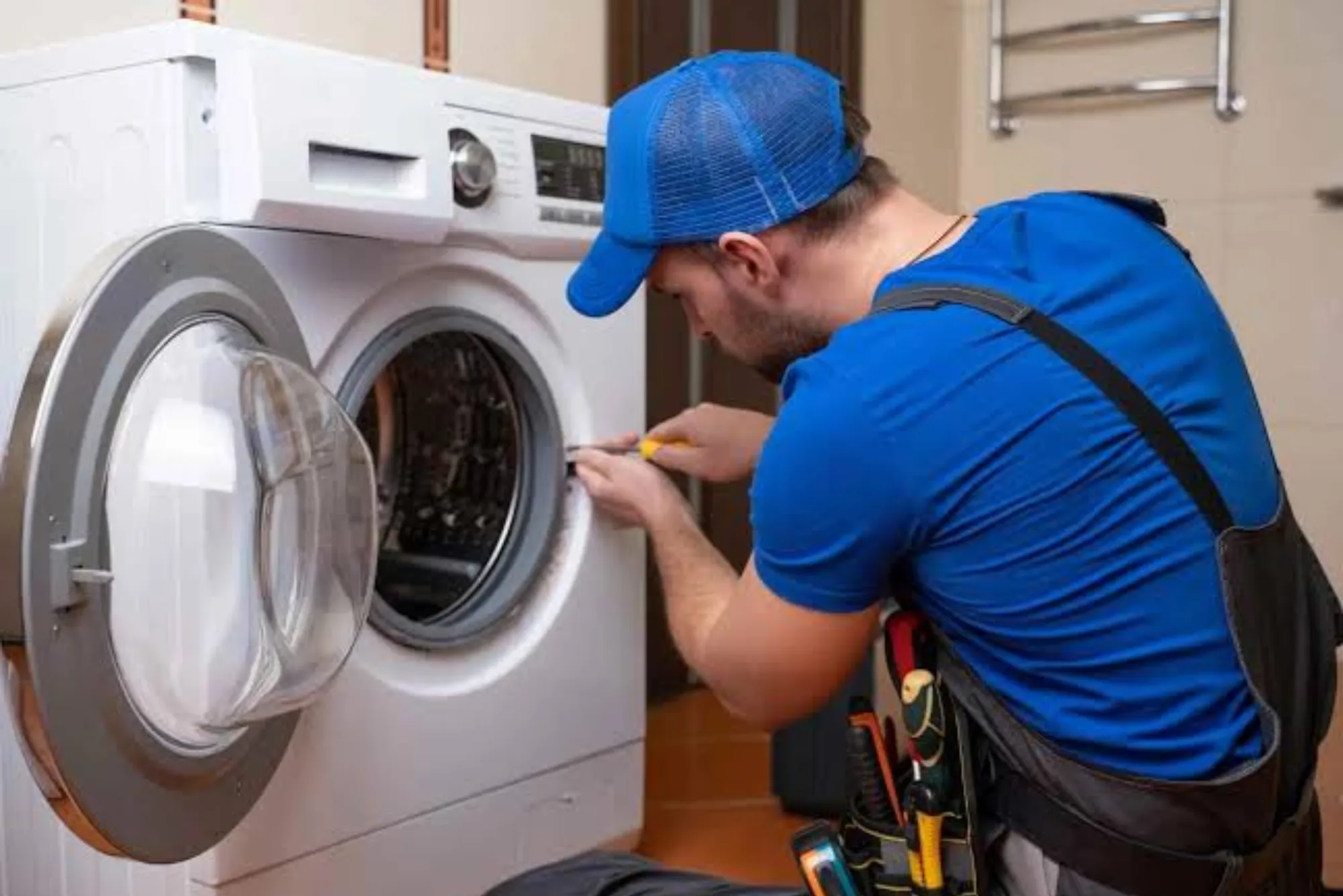
While basic cleaning tasks can be performed by homeowners, professional air conditioner coil maintenance offers a deeper level of care. Trained technicians have the tools and expertise to safely access coils, remove stubborn debris, and inspect for signs of damage or corrosion. Professional maintenance also includes checking refrigerant levels, airflow, and overall system performance. This comprehensive approach ensures that air conditioner coil maintenance is thorough and effective, reducing the risk of future issues and maximizing system efficiency.
Frequency of Coil Maintenance
The frequency of air conditioner coil maintenance depends on usage patterns and environmental conditions. Systems that operate year-round or in dusty areas require more frequent attention. Regular maintenance schedules help ensure that coils remain clean and functional. Consistent air conditioner coil maintenance prevents the gradual buildup of dirt and maintains optimal performance throughout the cooling season. Establishing a routine maintenance plan is a proactive way to protect the system and avoid unexpected disruptions.
Long-Term Benefits of Consistent Coil Care
Consistent air conditioner coil maintenance delivers long-term benefits that extend beyond immediate performance improvements. Clean coils support stable system operation, reduce the likelihood of emergency repairs, and preserve manufacturer warranties. Over time, this proactive approach enhances comfort, efficiency, and peace of mind. Property owners who prioritize air conditioner coil maintenance enjoy reliable cooling, predictable operating costs, and a system that performs as intended for many years.
Air conditioner coil maintenance is a fundamental aspect of responsible system care that directly impacts efficiency, reliability, and indoor comfort. By understanding the role of coils and the consequences of neglect, homeowners and businesses can make informed decisions about maintenance. Clean, well-maintained coils improve cooling performance, reduce energy consumption, enhance air quality, and extend system lifespan. Investing in regular air conditioner coil maintenance is not just a preventive measure but a smart strategy for achieving long-term comfort and cost savings.