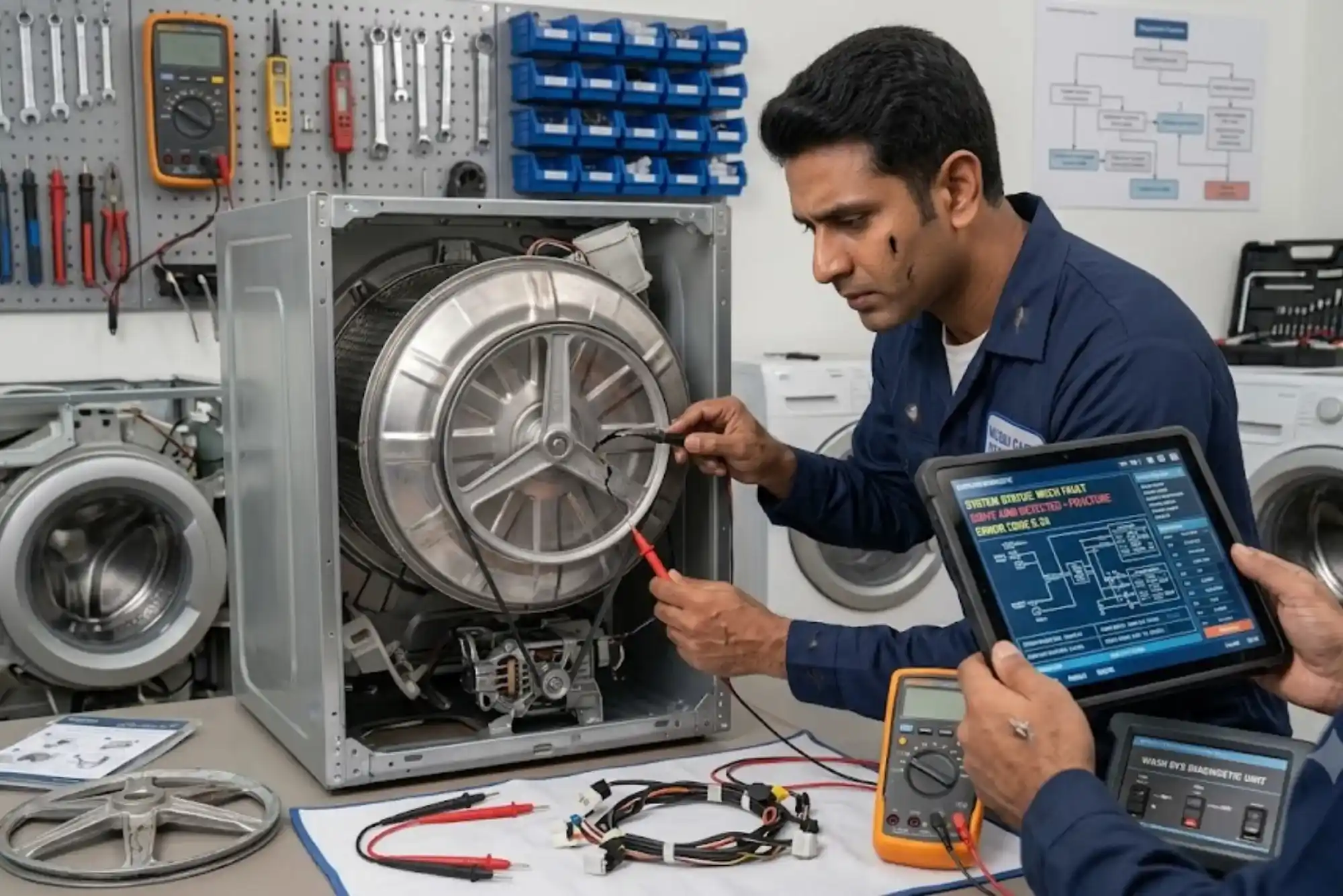
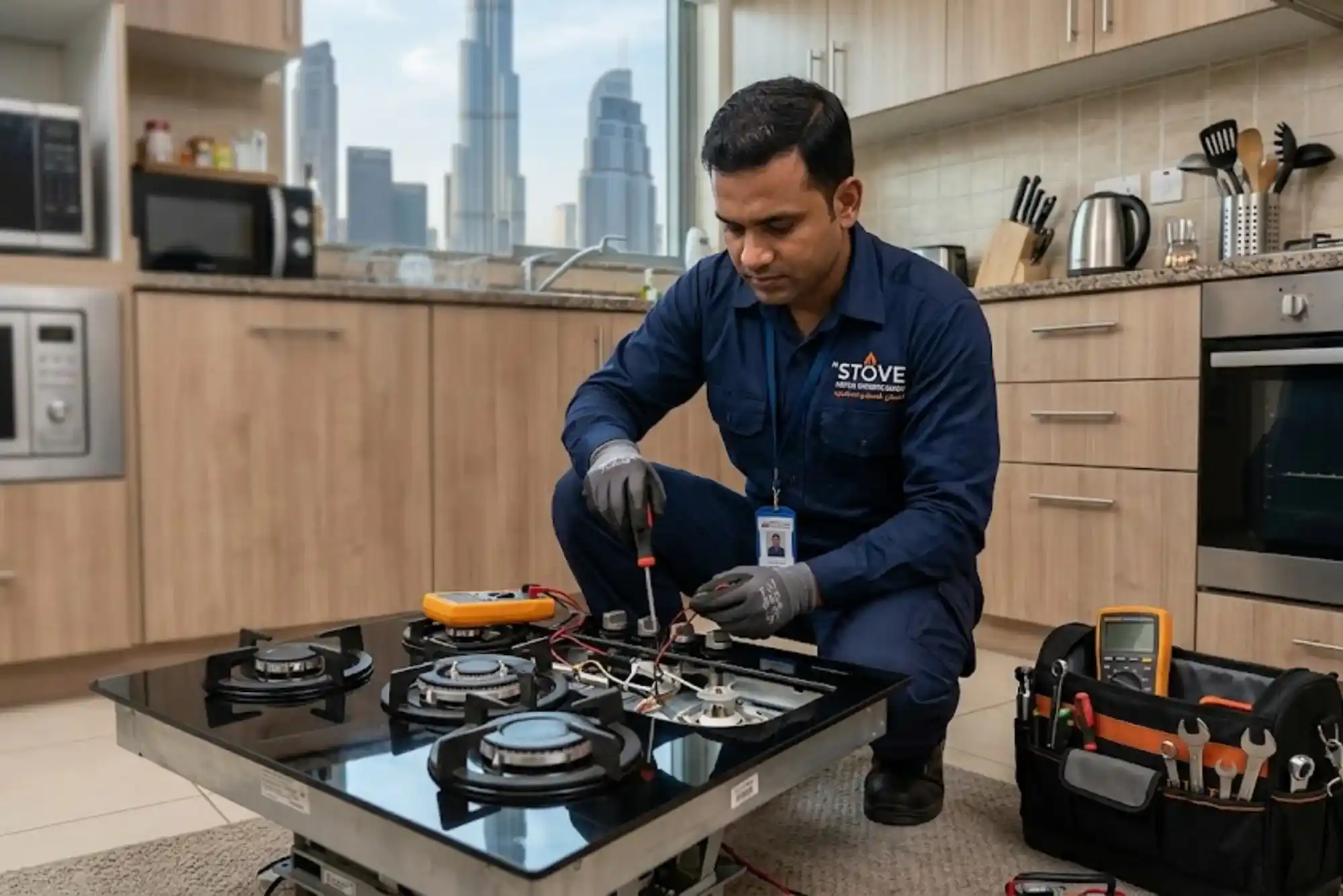
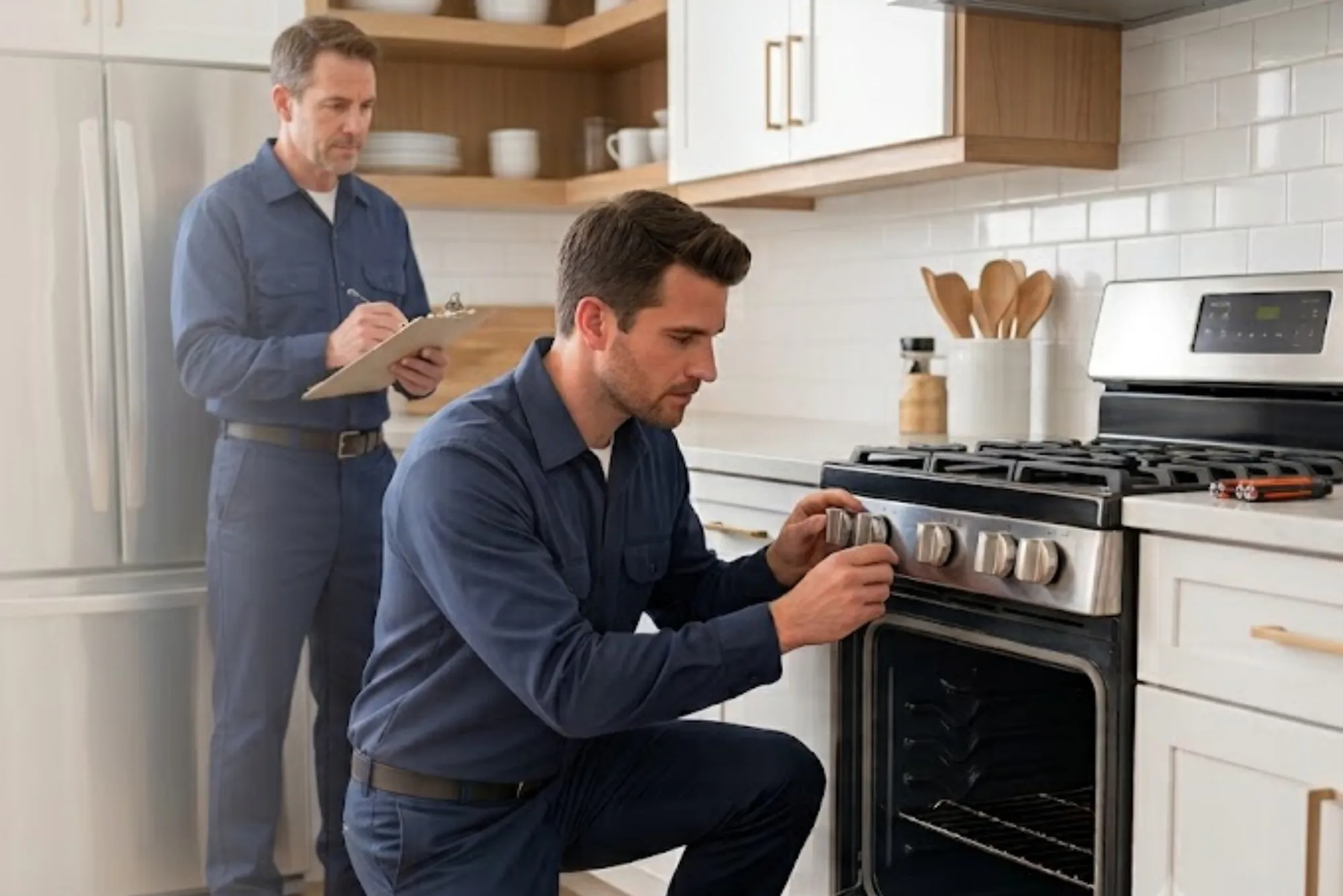
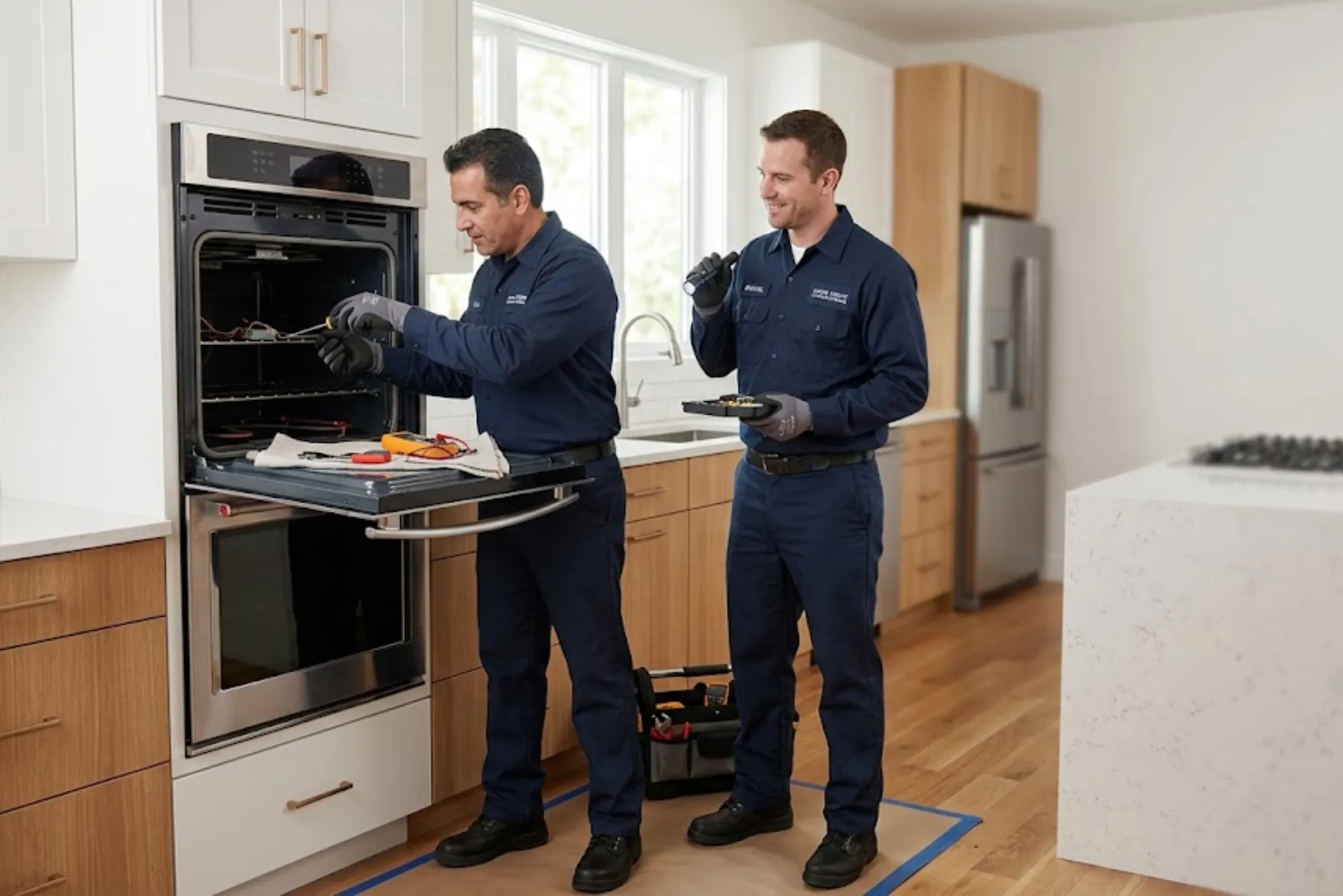
Modern cooking appliances are engineered to deliver not only performance but also the highest levels of safety. Among the critical safety features built into contemporary stoves and ovens is the over-temperature cutoff system, sometimes referred to as a thermal cutoff or high-limit thermostat. This device ensures that if the stove’s internal components exceed a predetermined safe temperature, power to heating elements is interrupted, reducing the risk of fire, component failure, or user injury. Because of the importance of this safeguard, accurate testing procedures are vital to verify proper operation.
Testing over-temperature cutoffs is not a trivial exercise; it requires an understanding of the component’s role within the broader electrical and thermal system of the appliance, the standards that govern safety verification, and the practical steps that confirm reliability under real operating conditions. This article explores the theory behind stove over-temperature protection, the tools and methods necessary for testing, and the significance of interpreting test results responsibly.
The Function of Over-Temperature Cutoffs
At its core, an over-temperature cutoff is designed to break the electrical circuit when heat levels rise beyond safe limits. It may function through mechanical expansion, bi-metallic disc action, or fusible link melting, depending on design. By removing power to heating elements or electronic modules, the cutoff prevents heat escalation that could damage insulation, wiring, or structural components.
This protection is particularly critical in electric and induction stoves, which can generate significant and rapid thermal buildup. Without the intervention of a functioning cutoff, temperatures could exceed tolerances of internal materials, creating cascading failures. A properly tested and validated cutoff not only maintains user safety but also extends the longevity of the appliance.
Standards and Safety Regulations
Before diving into practical testing, it is important to recognize that over-temperature cutoffs are governed by safety standards issued by regulatory bodies. Agencies such as UL (Underwriters Laboratories), IEC (International Electrotechnical Commission), and local authorities in various regions establish rigorous requirements for the testing and certification of thermal protection devices.
For manufacturers, compliance with these standards is mandatory before stoves can enter the market. For service professionals, adhering to these protocols ensures that repairs or validations meet legal and ethical obligations. Even at the consumer level, awareness of these standards builds confidence in the appliance’s reliability.
Preparing for Testing Procedures
Testing an over-temperature cutoff begins with preparation. This step is crucial because the accuracy of results depends heavily on controlled conditions and proper instrumentation. Preparation typically involves disconnecting the stove from its power source, verifying schematic diagrams, and identifying the specific cutoff component within the system.
Specialized tools are required, such as calibrated thermocouples, resistance meters, and test ovens or hot plates capable of achieving precise temperature ramps. Proper personal protective equipment is equally important, as working with heat and electricity poses inherent risks.
Documenting the initial condition of the cutoff—whether through visual inspection or preliminary electrical checks—establishes a baseline before stress is applied. This documentation not only supports accuracy but also ensures compliance with quality management practices.
The Process of Heat Ramp Testing
The most direct method for evaluating an over-temperature cutoff is heat ramp testing. In this procedure, the component is subjected to a gradual increase in temperature under controlled conditions.
The test begins by placing the cutoff in a stable thermal environment, such as a laboratory oven or a precision hot plate. A thermocouple, positioned in close proximity, records temperature progression. The device is then slowly heated, typically at a rate specified by governing standards, to prevent thermal shock or measurement errors.
As the temperature approaches the rated threshold of the cutoff, close monitoring is required. At the precise cutoff point, the device should interrupt the electrical circuit. Recording this temperature provides a direct measure of the cutoff’s accuracy. If the cutoff fails to open, opens prematurely, or exhibits inconsistent operation, it indicates degradation or defect.
Electrical Continuity Verification
Complementing heat ramp testing, continuity verification ensures that the cutoff performs its switching function correctly. Using a multimeter, technicians measure resistance across the device before and after activation.
In normal conditions, most cutoffs show near-zero resistance when closed, allowing current flow. Upon reaching the activation temperature, the reading should shift to infinite resistance, confirming the open circuit. This simple yet effective test provides immediate confirmation of the device’s electrical reliability.
In some designs, particularly one-time thermal fuses, the device cannot reset after activation. In such cases, continuity checks are critical to confirm whether the component remains intact before subjecting it to functional testing.
Functional Integration Testing
Testing individual components in isolation provides clarity, but in practice, cutoffs operate as part of a complex system. Functional integration testing examines how the cutoff interacts with the stove’s broader circuitry, heating elements, and control modules.
This form of testing is often performed with the stove reassembled and under supervised operating conditions. The heating elements are energized, and the appliance is allowed to operate at high but safe loads. As internal temperatures climb, the cutoff should activate, shutting down heat production. Observing this behavior ensures that the component not only functions individually but also cooperates with other safety systems.
Such integration tests must be conducted with caution, given the involvement of live current and high heat. Nevertheless, they provide invaluable insight into real-world reliability.
Common Issues and Failure Modes
Testing often reveals recurring issues with over-temperature cutoffs. Among the most common are calibration drift, where the activation point shifts higher or lower than intended, and mechanical fatigue, where repeated heating cycles degrade responsiveness.
In some cases, contaminants such as grease or moisture infiltrate the cutoff housing, affecting performance. Electrical issues like poor contact or corrosion can also produce unreliable switching behavior. Recognizing these failure modes not only informs repair strategies but also supports predictive maintenance.
The Role of Replacement and Maintenance
When a cutoff fails testing, replacement is usually the safest course of action. Unlike other electrical components that can sometimes be recalibrated or repaired, thermal cutoffs are designed as fail-safe devices with limited tolerance for adjustment.
Routine maintenance protocols for stoves often recommend periodic verification of cutoffs, particularly in commercial kitchens where equipment operates for long hours under demanding conditions. By proactively replacing questionable cutoffs, users reduce the likelihood of sudden appliance downtime or dangerous incidents.
Documentation and Reporting
A critical but sometimes overlooked aspect of testing is documentation. Recording test conditions, results, and observations ensures traceability and supports compliance with safety standards.
Service reports should include the identification of the tested component, the measured cutoff temperature, electrical readings, and any anomalies observed. For manufacturers, such documentation forms part of quality assurance records that validate product consistency over time. For service providers, detailed reports build customer trust and establish accountability.
The Importance of Skilled Personnel
Given the technical nature of testing stove over-temperature cutoffs, skilled personnel are essential. Technicians require not only familiarity with electrical testing tools but also an understanding of appliance design, regulatory requirements, and safe work practices.
Training programs offered by manufacturers or accredited organizations equip technicians with the necessary knowledge to conduct tests accurately. In addition, ongoing education ensures that personnel remain up to date with evolving standards and technological advancements.
Emerging Technologies in Thermal Protection
As stove technology advances, so too does the design of over-temperature protection. Modern cutoffs may incorporate digital sensors, microcontrollers, and self-diagnostic capabilities. Instead of merely breaking a circuit, these smart systems can communicate with the stove’s user interface, issuing warnings before shutdown occurs.
Testing such systems requires not only traditional thermal and electrical checks but also software diagnostics and communication protocol verification. These emerging technologies enhance safety while also presenting new challenges for technicians tasked with verification.
Testing stove over-temperature cutoffs is an essential practice that ensures both user safety and appliance reliability. By carefully preparing, conducting heat ramp and continuity tests, verifying functional integration, and recognizing common failure modes, technicians can confirm that these critical safety devices operate as intended.
Adherence to safety standards, the involvement of skilled personnel, and thorough documentation reinforce the integrity of the process. As technology evolves, testing methods will continue to adapt, reflecting the growing sophistication of appliance safety systems.
Ultimately, the commitment to verifying over-temperature cutoffs reflects a broader commitment to safety, reliability, and the trust that users place in the appliances they depend upon daily.