A refrigerator is one of the most essential home appliances, ensuring that food and beverages remain fresh and safe to consume. However, one of the most common issues that homeowners face is frost build-up inside the fridge or freezer compartment. This problem can reduce cooling efficiency, lead to higher electricity consumption, and even cause damage to the appliance if ignored. Understanding the causes and finding the right fridge frost build-up solution is crucial to maintaining your refrigerator’s performance and longevity.
Understanding Frost Build-Up in a Fridge
Frost build-up occurs when moisture in the air comes into contact with the cold surfaces inside your fridge or freezer. This moisture condenses and freezes, forming layers of frost over time. In a frost-free refrigerator, this should not happen frequently since such models use automatic defrost systems. However, if frost begins to accumulate excessively, it indicates a malfunction or maintenance issue that needs attention.
The frost typically appears on the back wall, around the evaporator coils, or near the vents that circulate cold air. Left untreated, it can restrict airflow, cause uneven cooling, and result in spoiled food.
Common Causes of Frost Build-Up
To find an effective fridge frost build-up solution, you must first identify what is causing the issue. Several factors can lead to frost accumulation, including user habits, mechanical faults, or poor maintenance practices.
One of the main causes is frequent door opening. Every time the fridge door opens, warm air from the surroundings enters the compartment, carrying moisture that condenses and freezes. Another common cause is a damaged or worn-out door gasket that prevents the door from sealing properly. This allows humid air to leak inside continuously, leading to frost.
Faulty defrost systems are another major contributor. The defrost heater, thermostat, or timer may malfunction, preventing the automatic defrost cycle from activating. When this happens, frost keeps accumulating on the evaporator coils. Additionally, blocked vents or improper air circulation inside the fridge can create cold spots where frost develops faster.

Signs You Need a Frost Build-Up Solution
Frost build-up inside your refrigerator often starts small but becomes noticeable over time. You might see white ice patches forming on the back wall or find it difficult to open freezer drawers. If your fridge starts running continuously without cycling off, it’s likely compensating for blocked airflow caused by frost.
Other signs include uneven cooling, water leaks at the bottom of the fridge after partial thawing, and reduced storage space due to ice accumulation. When these signs appear, it’s time to seek a professional fridge frost build-up solution to prevent further damage.
Step-by-Step Frost Build-Up Solution
The first step to resolving frost issues is defrosting your refrigerator completely. Turn off the power and remove all food items. Leave the doors open to allow the ice to melt naturally. You can speed up the process by placing bowls of hot water inside the compartments. Once all frost has melted, wipe the surfaces thoroughly with a dry cloth to remove residual moisture.
Next, inspect the door seals carefully. Close the door on a thin sheet of paper and pull it gently. If the paper slides out easily, the gasket may need replacement. A damaged gasket lets in warm, moist air, which is a primary cause of frost build-up.
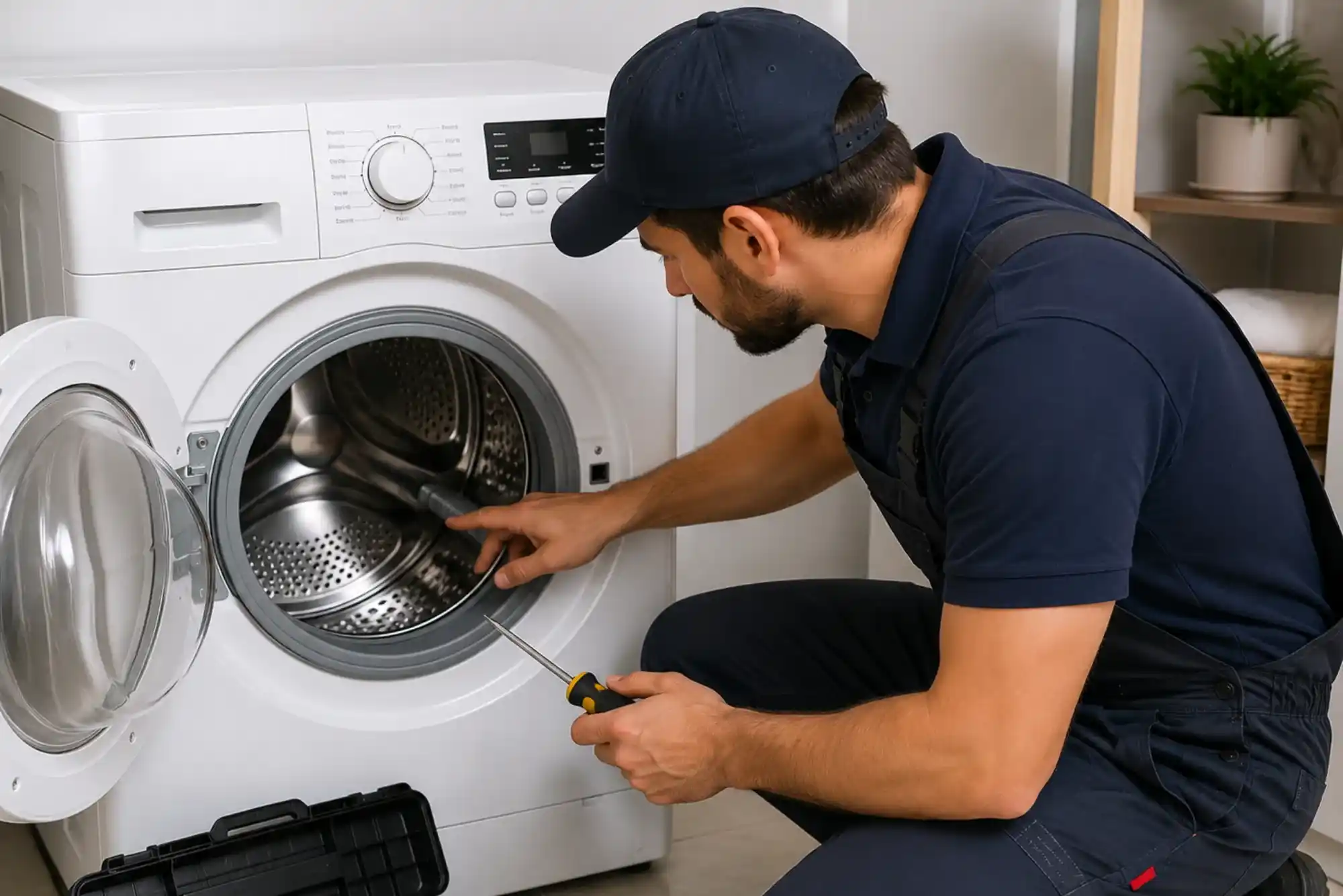
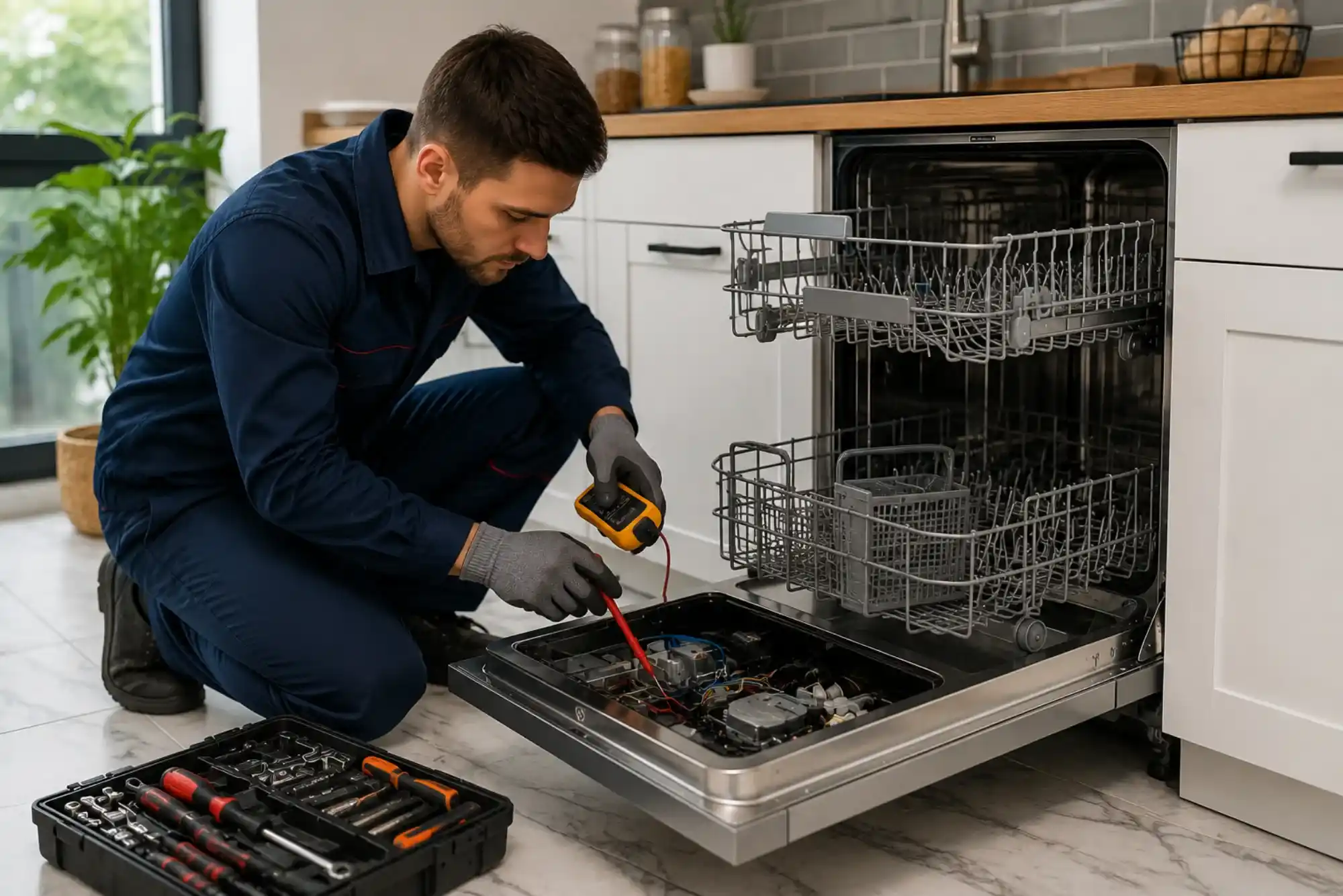
It is also essential to check the defrost system components. If the heater, thermostat, or defrost timer is defective, frost will keep returning. A professional technician can test these parts using specialized tools and replace any that are faulty.
Another critical step is ensuring that air vents are not blocked by food items. Proper air circulation keeps the temperature consistent throughout the fridge. Adjust shelves and organize food to maintain good airflow.
Finally, reset the temperature settings to the manufacturer’s recommended levels—typically around 3°C for the fridge and -18°C for the freezer. Incorrect temperature settings can cause excessive cooling and frost accumulation.
Importance of Professional Fridge Repair Service
While minor frost problems can sometimes be managed at home, recurring or severe build-up often requires professional intervention. A certified technician can identify electrical or mechanical faults that are not visible to the naked eye.
Professionals also use advanced tools to check the evaporator coils, sensors, and control boards. They can clean, replace, or calibrate components to restore proper functioning. Opting for an expert fridge frost build-up solution ensures that the appliance operates efficiently, saving both energy and repair costs in the long run.
Moreover, professionals can provide preventive maintenance services that include deep cleaning, refrigerant level checks, and performance testing. This type of proactive care helps prevent future frost build-up and extends the lifespan of your fridge.
Preventing Frost Build-Up in the Future
Once you have addressed the frost issue, it’s important to take preventive measures to avoid recurrence. Always ensure that the fridge door is closed tightly after each use. Avoid leaving it open for extended periods, as even a few seconds can introduce humid air.
Keep the door seals clean and flexible by wiping them regularly with mild soapy water. Do not overload the fridge, as overstuffing can restrict airflow and cause uneven cooling. At the same time, avoid keeping it too empty since this can lead to temperature fluctuations.
Regularly inspect and clean the air vents to prevent blockages. Defrost your fridge manually every few months if it’s not a frost-free model. Maintaining an optimal room temperature and avoiding placing the fridge near heat sources also help in minimizing frost formation.
How Frost Build-Up Affects Energy Efficiency
A fridge with excessive frost build-up works harder to maintain the set temperature. This means the compressor runs more frequently and consumes more electricity. Over time, the appliance’s energy efficiency drops significantly, leading to higher power bills.
Furthermore, restricted airflow caused by ice accumulation forces the cooling system to overwork, which may cause wear and tear on components such as the compressor and fan motor. By applying the right fridge frost build-up solution, you not only restore cooling performance but also reduce energy consumption and extend the appliance’s life.
When to Replace Instead of Repair
Sometimes, frost problems are symptoms of a larger issue, especially in older refrigerators. If the appliance is more than ten years old and requires frequent repairs, it may be more cost-effective to replace it. Modern refrigerators come with advanced frost-free technology that prevents ice formation automatically.
However, before deciding to replace your fridge, it’s best to consult a professional technician. They can assess the condition and determine whether repair or replacement is the better option.
Choosing the Right Fridge Repair Company
Selecting a reliable repair company plays a major role in resolving frost-related issues effectively. Look for a service provider with experience in handling major refrigerator brands and models. Ensure that the company offers warranty-backed repairs and transparent pricing.
A professional repair company not only provides immediate fridge frost build-up solutions but also offers valuable maintenance tips to help you keep your appliance in top condition. Always choose technicians who are trained, licensed, and capable of diagnosing the root cause instead of just treating the symptoms.
Final Thoughts
Frost build-up in a refrigerator may seem like a minor inconvenience, but it can quickly escalate into a major problem if ignored. Understanding the root causes and implementing the right fridge frost build-up solution can restore your appliance’s performance and energy efficiency.
Whether it’s a simple door seal replacement, defrost system repair, or complete maintenance service, taking prompt action ensures your fridge continues to operate at its best. Regular cleaning, careful usage, and professional servicing are the keys to preventing frost accumulation and maintaining optimal cooling.