Air conditioning systems play a vital role in maintaining indoor comfort in residential, commercial, and industrial environments. In regions where temperatures remain high for most of the year, an efficiently working air conditioner is not a luxury but a necessity. At the center of every air conditioning system is the compressor, a component that determines how well the entire unit performs. When this critical part fails, the cooling system loses efficiency, energy consumption increases, and indoor comfort quickly declines. Compressor replacement AC services provide a reliable and long-term solution when repairs are no longer effective.
Understanding compressor replacement AC is essential for property owners who want to make informed decisions about their cooling systems. This in-depth article explains the importance of the compressor, the reasons it fails, how to identify warning signs, and why professional compressor replacement AC services are the best choice for restoring system performance.
The Importance of the Compressor in an Air Conditioning System
The compressor is often referred to as the heart of an air conditioning unit because it controls the movement and pressure of refrigerant throughout the system. Its main function is to compress low-pressure refrigerant gas into a high-pressure state, allowing it to release heat through the condenser and absorb heat again from indoor air. This continuous cycle is what makes effective cooling possible.
Without a properly functioning compressor, even the most advanced air conditioning system cannot deliver consistent cooling. When the compressor weakens or fails completely, the system struggles to maintain temperature, often running longer cycles with minimal results. This makes compressor replacement AC a critical service for restoring full system functionality.
How Compressor Failure Affects Overall Cooling Performance
A failing compressor impacts more than just temperature control. As the compressor loses efficiency, the air conditioner consumes more electricity while delivering less cooling output. This imbalance results in higher utility bills and increased strain on other system components. Fans, coils, and electrical parts are forced to work harder, which can lead to additional breakdowns.
Over time, ignoring compressor issues can cause complete system failure. In many cases, timely compressor replacement AC can prevent the need for full air conditioner replacement, saving significant costs while ensuring continued comfort.

Common Reasons Why Compressors Fail
Compressor failure is rarely sudden. It usually develops due to long-term stress or unresolved system issues. Electrical problems are among the most common causes. Voltage fluctuations, faulty wiring, and capacitor failures can damage compressor windings, leading to overheating and burnout.
Another major factor is poor lubrication. Refrigerant leaks or blocked oil circulation prevent proper lubrication, increasing friction inside the compressor. This results in excessive heat and mechanical wear. Restricted airflow caused by dirty condenser coils or clogged filters can also force the compressor to work beyond its capacity, shortening its lifespan.
Incorrect refrigerant levels further contribute to compressor damage. Too little refrigerant reduces cooling efficiency and lubrication, while too much refrigerant increases pressure and stress on internal components. When these problems persist, compressor replacement AC becomes the most reliable solution.
Warning Signs That Indicate the Need for Compressor Replacement AC
One of the earliest signs of compressor trouble is reduced cooling performance. If the air conditioner runs continuously but fails to cool the space effectively, the compressor may be losing efficiency. Uneven cooling or warm air coming from vents can also indicate compressor issues.
Unusual sounds such as grinding, buzzing, or loud humming from the outdoor unit often signal internal mechanical damage. Frequent circuit breaker trips are another warning sign, as they may indicate electrical faults within the compressor. In severe cases, the outdoor unit may stop operating altogether while the indoor fan continues running. When these symptoms appear consistently, professional inspection often confirms the need for compressor replacement AC.
Evaluating Repair Versus Compressor Replacement AC
Not all compressor problems require full replacement. Minor electrical faults, sensor issues, or loose connections can sometimes be repaired. However, when the compressor has internal mechanical damage, burned windings, or severe contamination, repairs provide only temporary relief.
The cost of repeated repairs can quickly add up, often exceeding the cost of compressor replacement AC services. Additionally, older compressors are less energy-efficient and more prone to future failures. Replacing the compressor ensures reliable operation, improved efficiency, and long-term savings.
The Professional Compressor Replacement AC Process Explained
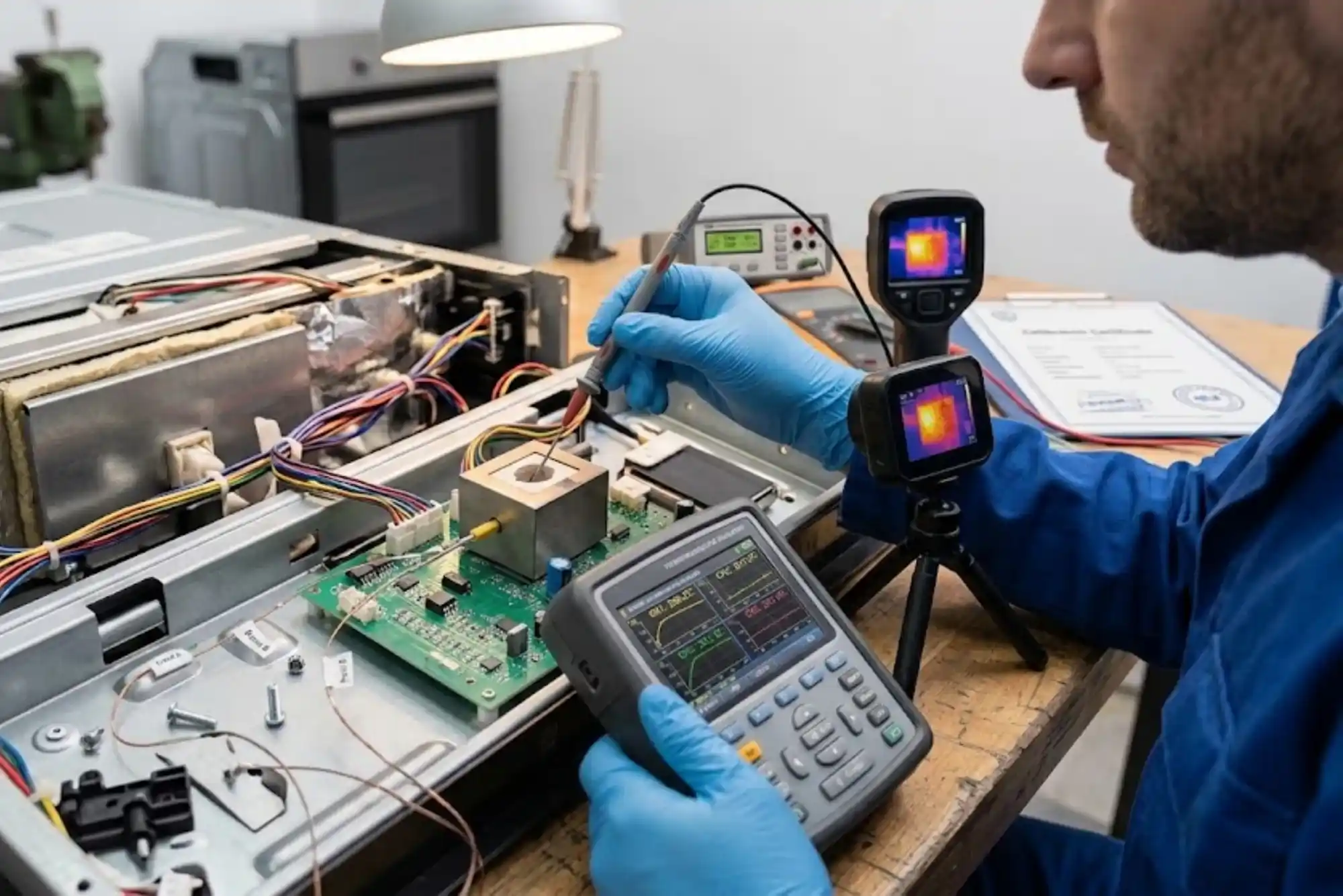
Compressor replacement AC is a complex procedure that requires professional expertise and specialized equipment. The process begins with a comprehensive system diagnosis to confirm compressor failure and identify contributing factors such as refrigerant leaks or electrical issues. Addressing these issues is essential to protect the new compressor.
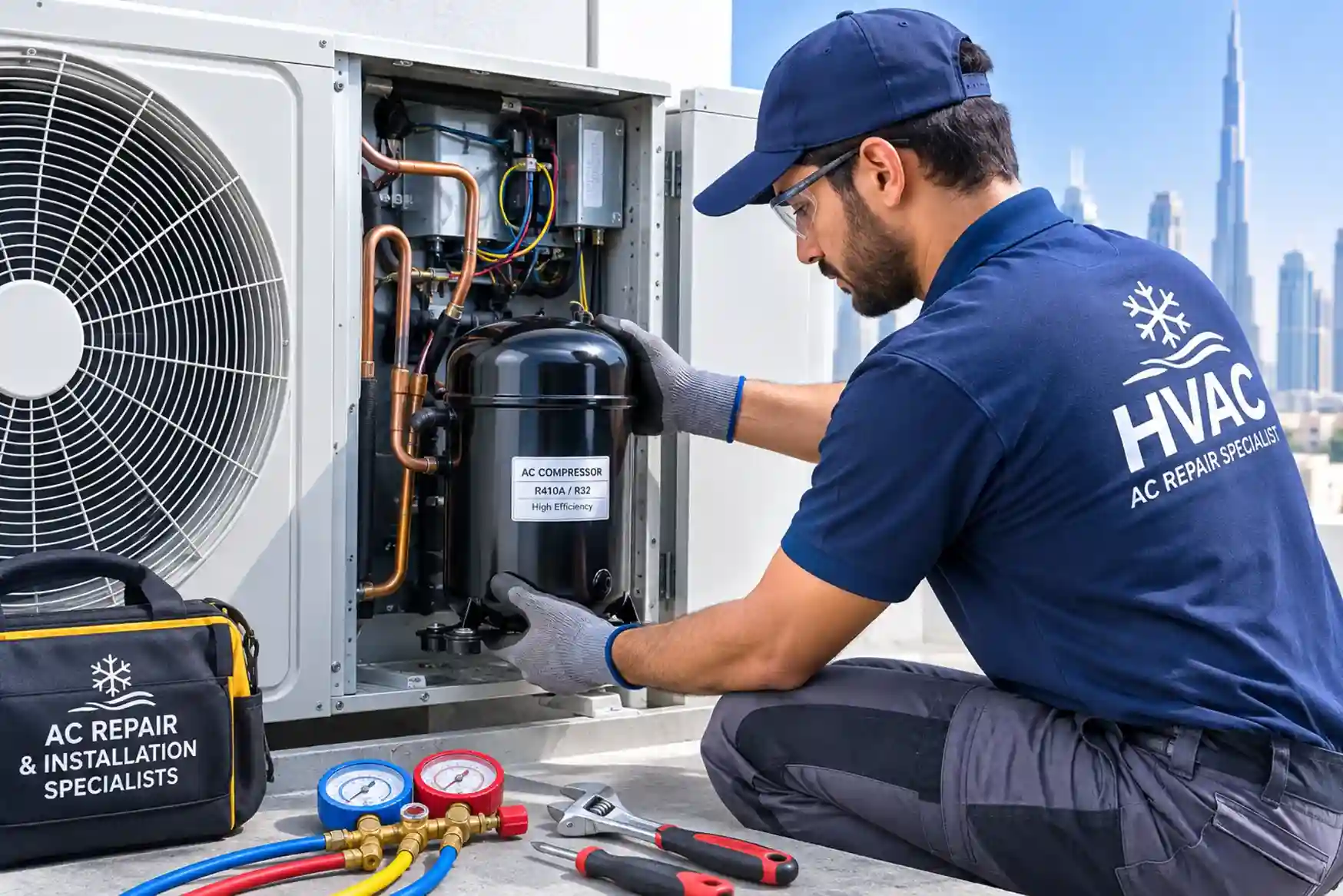
Once the diagnosis is complete, the existing refrigerant is safely recovered in compliance with environmental regulations. The faulty compressor is then carefully removed, ensuring that no contaminants enter the system. Cleaning the system is a critical step, as residual debris or acid can damage the new compressor if left untreated.
The new compressor is installed with precise alignment and secure electrical connections. Refrigerant is then recharged to manufacturer-specified levels, and the system is tested under normal operating conditions. Pressure readings, temperature output, and electrical performance are carefully monitored to ensure optimal results. This thorough approach ensures that compressor replacement AC delivers reliable and long-lasting performance.
Choosing the Right Compressor for Replacement
Selecting the correct compressor is essential for system compatibility and efficiency. Compressors differ in capacity, voltage requirements, refrigerant type, and design. Installing an incorrect compressor can lead to poor cooling performance, increased energy consumption, and premature failure.
Professional compressor replacement AC services ensure that the replacement compressor matches the system specifications exactly. This includes compatibility with the existing refrigerant and adherence to manufacturer guidelines. Proper selection not only improves performance but also protects system warranties.
Energy Efficiency Improvements After Compressor Replacement AC
One of the most significant benefits of compressor replacement AC is improved energy efficiency. Modern compressors are designed with advanced technology that reduces power consumption while maintaining consistent cooling. This results in lower electricity bills and reduced environmental impact.
A new compressor also restores balanced system operation, allowing other components to function efficiently. The air conditioner responds more accurately to thermostat settings, maintains stable indoor temperatures, and operates with reduced noise. These improvements make compressor replacement AC a smart investment for both comfort and cost savings.
Extending the Lifespan of the Air Conditioning System
Replacing a failing compressor can significantly extend the overall lifespan of an air conditioning system. Instead of replacing the entire unit, compressor replacement AC allows property owners to restore functionality while maximizing the value of existing equipment.
When combined with regular maintenance, such as filter replacement and coil cleaning, a new compressor can provide many additional years of reliable service. This approach is especially beneficial for systems that are structurally sound but limited by compressor performance.
Safety and Environmental Responsibility
Handling refrigerants and high-voltage electrical components requires strict safety measures. Professional compressor replacement AC services follow industry standards to prevent refrigerant leaks, electrical hazards, and environmental damage. Proper disposal of old components and responsible refrigerant handling protect both occupants and the environment.
Attempting compressor replacement without professional training can result in serious safety risks and costly damage. Certified technicians ensure that the process is completed safely and efficiently.
The Value of Professional Expertise in Compressor Replacement AC
Compressor replacement AC is not a routine repair. It demands advanced diagnostic skills, precise installation techniques, and in-depth knowledge of HVAC systems. Professional technicians have the experience to identify hidden issues, recommend appropriate solutions, and ensure optimal system performance.
Expert services also provide warranties and post-installation support, offering peace of mind to property owners. This level of reliability is essential for maintaining uninterrupted cooling in residential and commercial environments.
Long-Term Benefits of Compressor Replacement AC
Investing in compressor replacement AC offers long-term benefits that extend beyond immediate cooling restoration. Improved energy efficiency reduces monthly operating costs, while enhanced reliability minimizes unexpected breakdowns. A properly replaced compressor also increases property comfort and system value.
Over time, these advantages outweigh the initial investment, making compressor replacement AC a cost-effective and practical solution for maintaining high-performance air conditioning systems.
Compressor replacement AC is a critical service that restores the core functionality of an air conditioning system. By understanding the importance of the compressor, recognizing failure symptoms, and choosing professional replacement services, property owners can ensure long-lasting comfort and efficiency. With expert compressor replacement AC, cooling performance is restored, energy costs are reduced, and the lifespan of the air conditioning system is significantly extended.