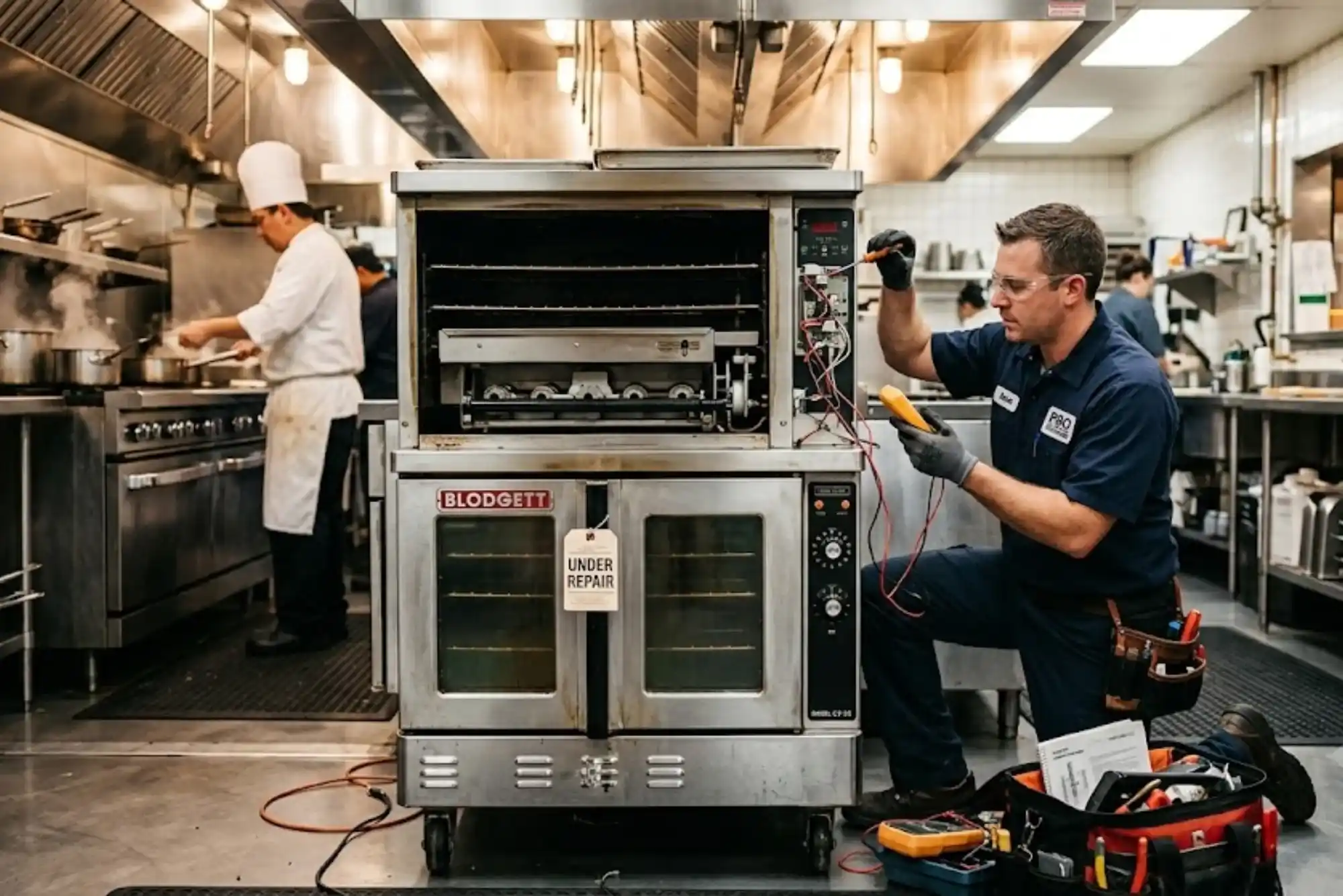
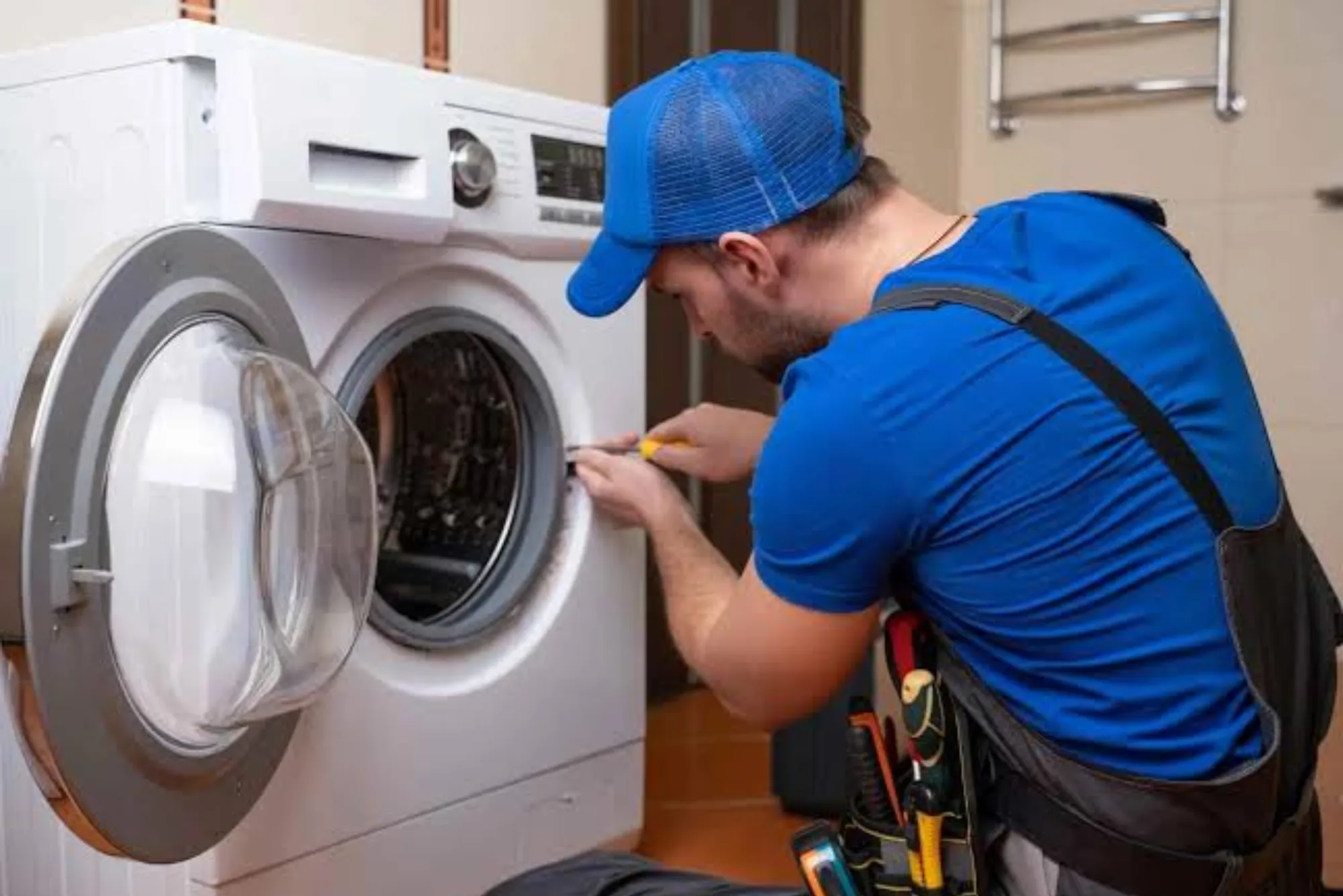
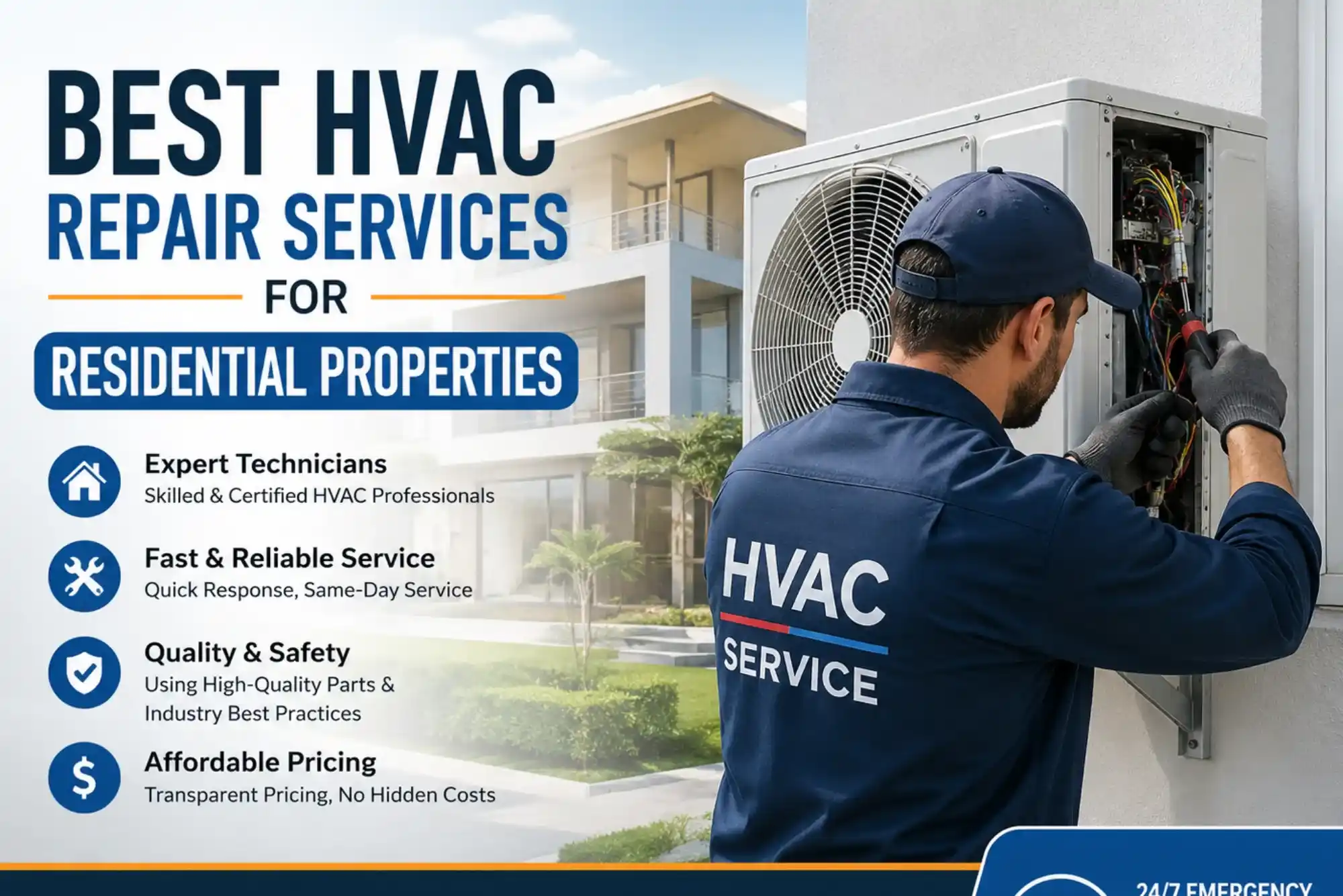
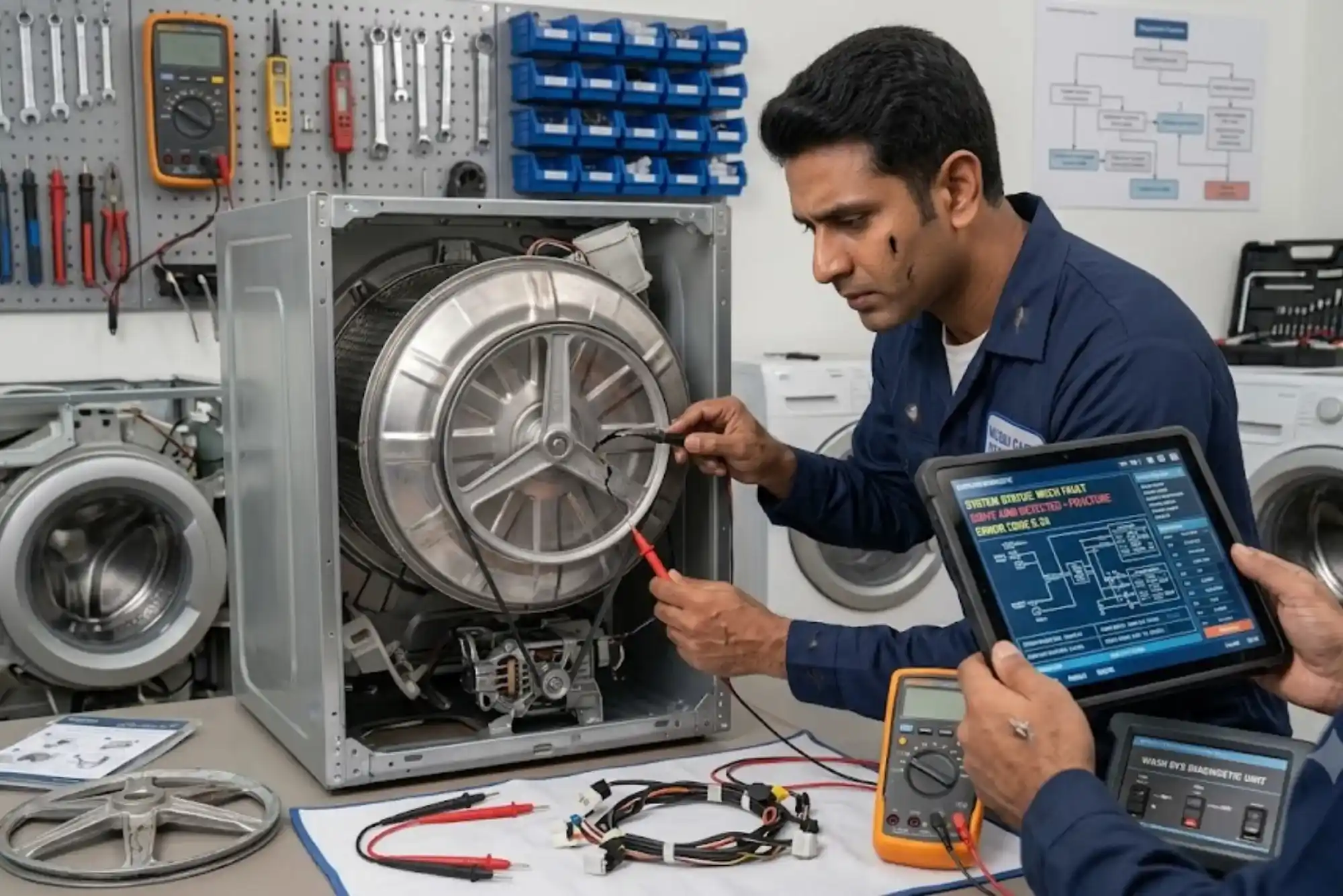
Air conditioning has become a fundamental necessity for modern living, especially in regions where temperatures rise beyond comfort levels. Whether it’s a home, office, or industrial space, a properly installed and well-maintained air conditioning system is essential for maintaining comfort, improving air quality, and increasing energy efficiency. However, the process of AC installation and the importance of regular servicing often go underestimated. Proper setup and timely maintenance not only ensure consistent cooling but also extend the life of the unit, reduce power consumption, and prevent costly breakdowns.
The process of AC installation is both a technical and a precise job that requires expertise. Many people assume it’s as simple as mounting a unit and connecting wires, but in reality, it involves careful calibration, load assessment, correct positioning, and pressure testing. Even a small mistake during installation can lead to reduced efficiency, uneven cooling, and higher energy bills. That’s why professional handling is essential to guarantee performance and safety.
Importance of Professional Installation
Professional installation determines how effectively an air conditioner will perform throughout its lifetime. The positioning of both the indoor and outdoor units plays a major role in achieving the desired cooling level. If the unit is installed at an incorrect height or in a location exposed to direct sunlight, it will consume more power and deliver inconsistent results. Similarly, incorrect refrigerant levels during setup can impact cooling and may lead to compressor damage.
Trained technicians understand these factors and ensure every step of installation follows manufacturer guidelines. They calculate the size of the room, assess ventilation, and check insulation to determine the right capacity of the AC unit. This process prevents overloading and ensures the system operates efficiently. A well-installed air conditioner not only provides better comfort but also minimizes the need for frequent repairs.
The Process of Proper AC Installation
When an air conditioner is installed, several technical aspects must be considered. The indoor unit must be mounted on a strong wall capable of supporting its weight and vibration. The installation site should allow unobstructed airflow, and the drainage pipe should be positioned properly to prevent water leakage. The outdoor unit must be placed in a well-ventilated area to ensure the compressor can release heat effectively.
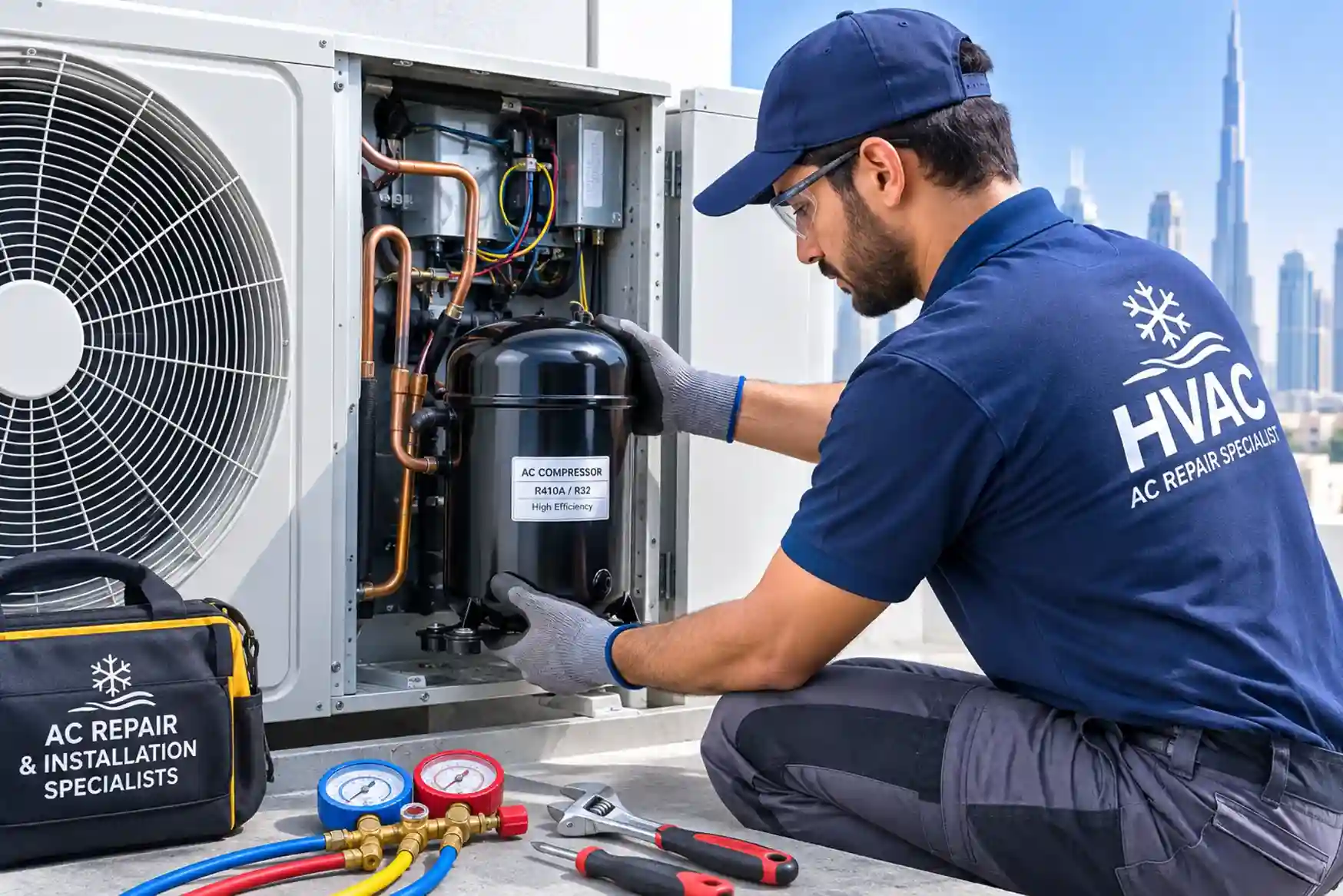
Technicians use vacuum pumps and gauges to check for leaks in the refrigerant lines before the system is started. Electrical connections are made following safety standards, ensuring there are no loose wires that could lead to short circuits. Finally, the system is tested for performance, noise levels, and cooling consistency. This comprehensive approach ensures that the unit performs at its optimum level from the very first day.

Why Servicing Is Equally Important
Once an air conditioner is installed, its efficiency depends largely on how well it is maintained. Over time, dust and dirt accumulate on filters, coils, and vents, reducing airflow and forcing the system to work harder. This not only increases electricity consumption but also shortens the lifespan of the compressor. Regular servicing prevents these issues by keeping components clean and ensuring the refrigerant levels remain balanced.
A well-serviced AC provides more consistent cooling, cleaner air, and lower humidity levels. It also helps prevent unpleasant odors caused by mold and bacteria buildup inside the unit. Servicing involves cleaning filters, checking fan motors, inspecting the thermostat, and verifying that electrical components are working correctly. By maintaining a routine service schedule, users can prevent sudden breakdowns and enjoy uninterrupted comfort during peak summer months.
Energy Efficiency and Performance
Energy efficiency is one of the biggest concerns for homeowners and businesses today. Poor installation or irregular servicing can lead to increased energy consumption, directly affecting utility bills. An air conditioner that is not serviced regularly loses a percentage of its efficiency every year, meaning it consumes more power to deliver the same level of cooling.
During servicing, technicians calibrate thermostats, check refrigerant pressure, and ensure that all components are working in harmony. Clean filters and coils enable smoother airflow, reducing the load on the compressor. As a result, the system consumes less electricity while delivering consistent cooling performance. Over time, these measures not only lower running costs but also reduce the environmental impact by minimizing energy wastage.
Extending the Lifespan of the AC Unit
Every air conditioner has a defined lifespan, but the way it is used and maintained can significantly influence how long it lasts. Improper installation puts stress on the system from the start, while neglecting regular servicing allows small problems to grow into major issues. Simple maintenance actions like cleaning coils, checking refrigerant levels, and tightening connections can prevent premature wear and tear.
Professional technicians are trained to detect potential issues early. They can identify strange noises, minor leaks, or fluctuating cooling patterns that may indicate deeper problems. Addressing these early not only saves money but also prevents the inconvenience of unexpected breakdowns. A well-installed and properly maintained AC unit can easily function efficiently for more than a decade, providing consistent cooling with minimal interruptions.
The Role of Technology in Modern AC Servicing
Technology has transformed the way air conditioners are installed and serviced. Modern systems are equipped with sensors, smart thermostats, and automated controls that help monitor performance and detect irregularities. During installation, technicians use advanced diagnostic tools to measure airflow, refrigerant pressure, and electrical stability. These instruments ensure the system operates within optimal parameters.
In servicing, technology plays a vital role in preventive maintenance. Technicians can use digital tools to measure temperature differentials, detect gas leaks, and analyze compressor performance. These insights make it easier to carry out targeted maintenance rather than general cleaning. Smart AC systems also allow homeowners to track energy usage and receive maintenance alerts through mobile apps. This integration of technology enhances both convenience and system reliability.
Common Challenges in Installation and Servicing
While air conditioning systems are built to last, installation and maintenance present several challenges. Inadequate space for outdoor units, poor electrical infrastructure, and harsh environmental conditions can complicate installation. Similarly, dust and humidity in certain regions can accelerate wear, requiring more frequent servicing.
Professional technicians overcome these challenges through proper planning, technical skill, and use of the right equipment. They evaluate site conditions, determine the best positioning, and ensure adequate ventilation to achieve stable performance. During servicing, they replace worn-out parts, check drainage systems, and make adjustments that enhance durability. This attention to detail ensures long-term reliability, even in demanding environments.
Importance of Safety and Compliance
Working with air conditioners involves electricity, gas, and mechanical components, all of which require strict safety measures. Professional installation ensures that all safety standards are followed, from grounding electrical connections to securing high-pressure refrigerant lines. Similarly, servicing must be done carefully to avoid exposure to refrigerant gases and prevent short circuits.
Certified technicians follow industry guidelines and manufacturer specifications when installing or repairing units. This compliance not only ensures user safety but also maintains warranty coverage on the appliance. Safety is not just about avoiding accidents; it is about ensuring that the system operates smoothly without putting strain on electrical circuits or creating potential fire hazards.
The Value of Professional Expertise
While do-it-yourself approaches may seem cost-effective, air conditioning systems demand technical expertise that only trained professionals possess. From selecting the right unit size to ensuring accurate refrigerant levels, every detail matters. Professional technicians bring years of experience that helps prevent costly mistakes and guarantees reliable performance.
Choosing professional installation and servicing also gives customers peace of mind. They know their system has been set up correctly, tested for safety, and optimized for efficiency. Technicians can also provide valuable advice on how to use the air conditioner effectively, maintain it properly, and recognize early warning signs of malfunction.
Conclusion
Air conditioning systems are investments in comfort, health, and convenience. However, the value of that investment depends entirely on how well the system is installed and maintained. Proper installation ensures efficient performance from day one, while regular servicing keeps the system clean, energy-efficient, and long-lasting.
In today’s technologically advanced world, air conditioners are more sophisticated than ever, and their performance depends on precision. Professional installation and regular maintenance are not optional—they are essential. By relying on experienced technicians and adopting preventive care, homeowners and businesses can enjoy uninterrupted comfort, lower costs, and better air quality throughout the year.
A well-installed and well-serviced AC system does more than cool a room. It enhances living standards, contributes to energy savings, and ensures long-term reliability. With the right approach to installation and servicing, every environment can remain cool, safe, and efficient, no matter how high the temperature rises outside.