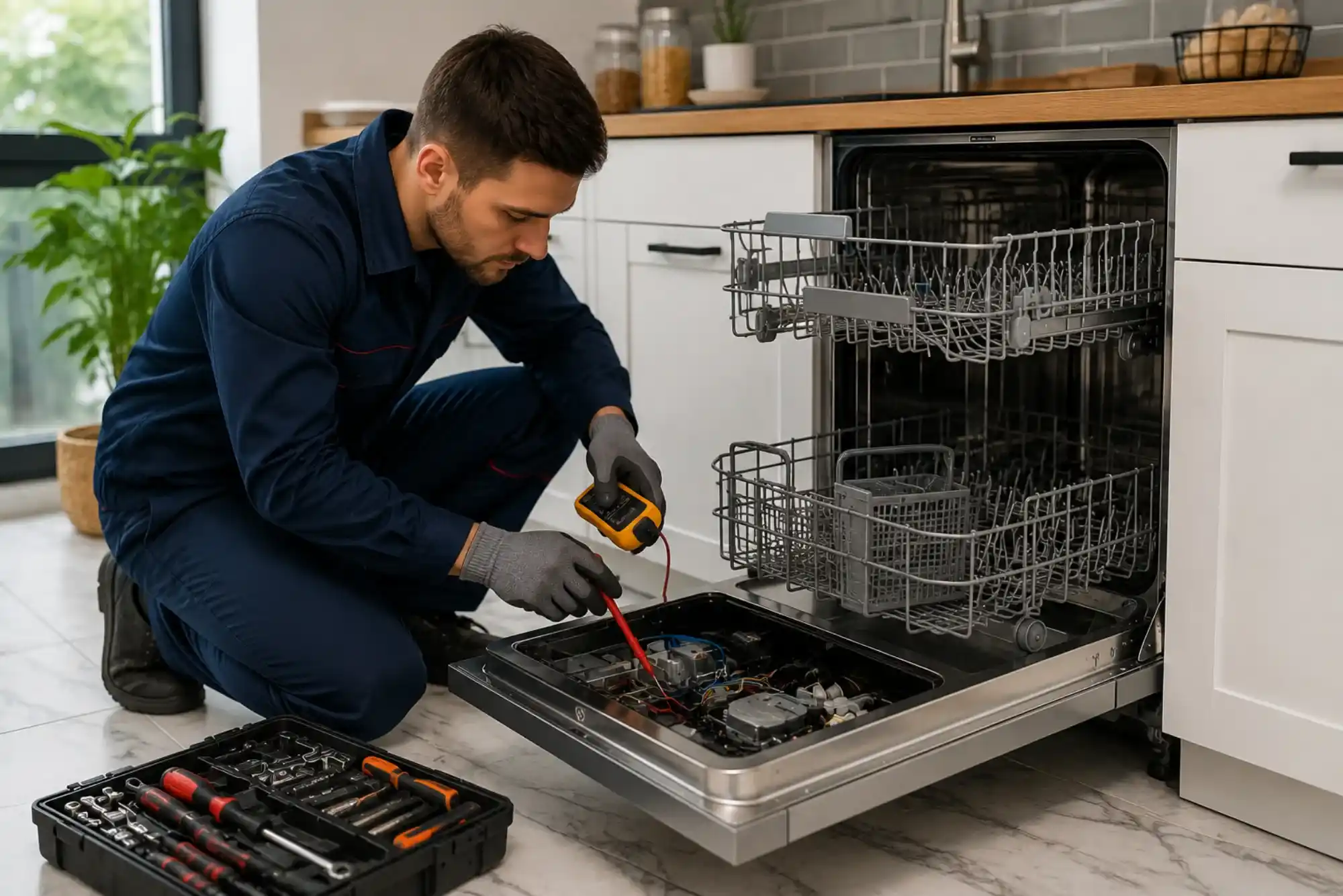
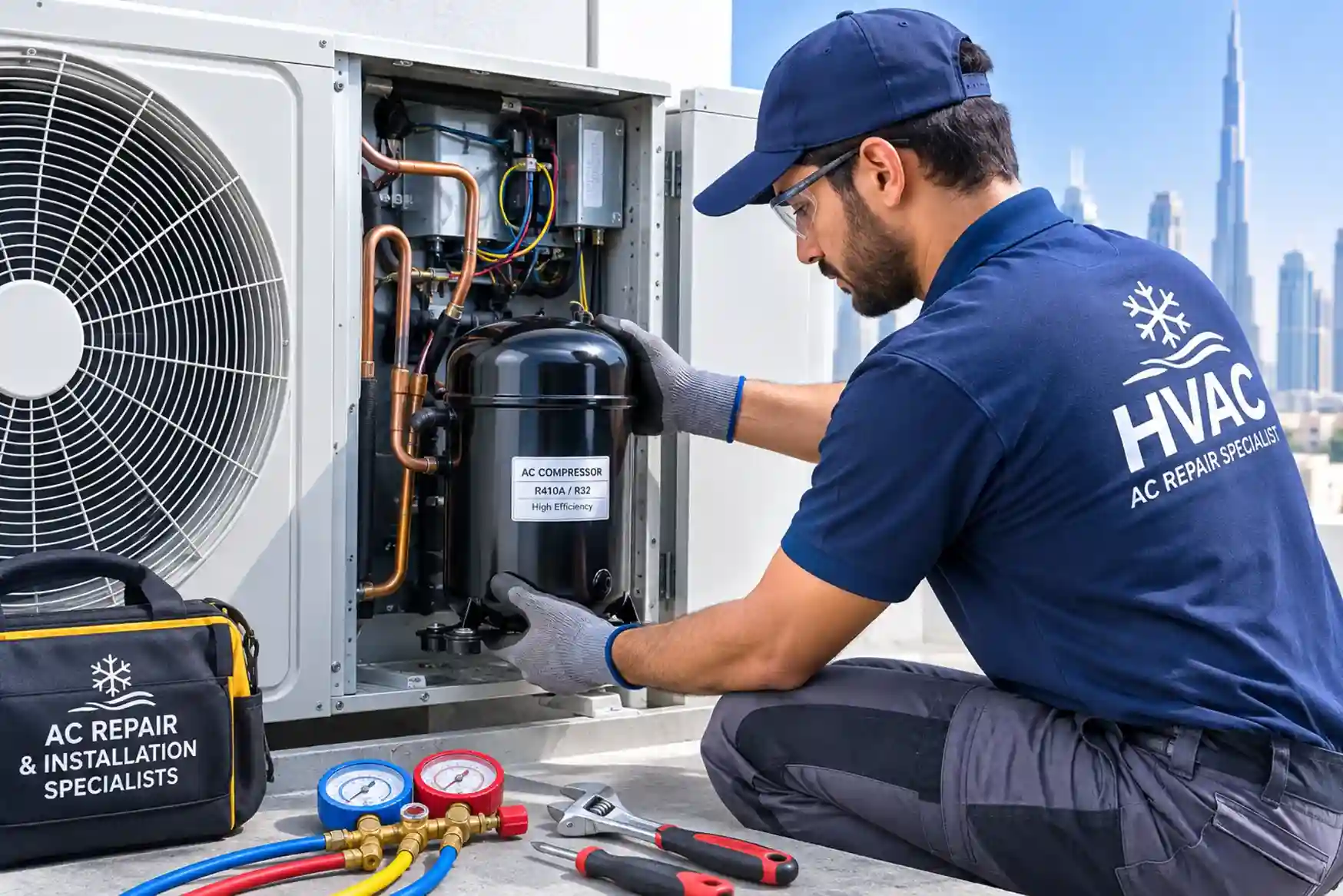
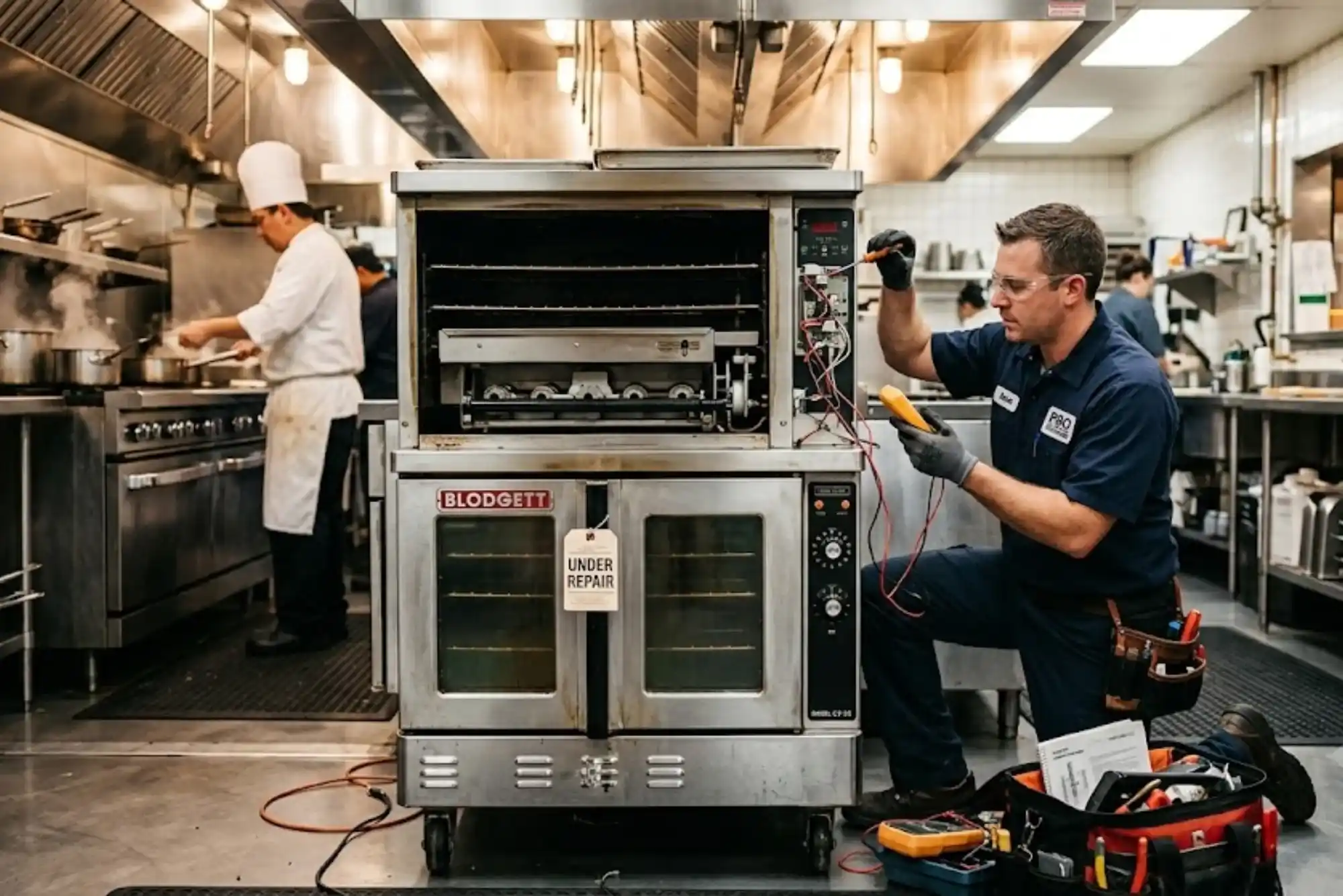
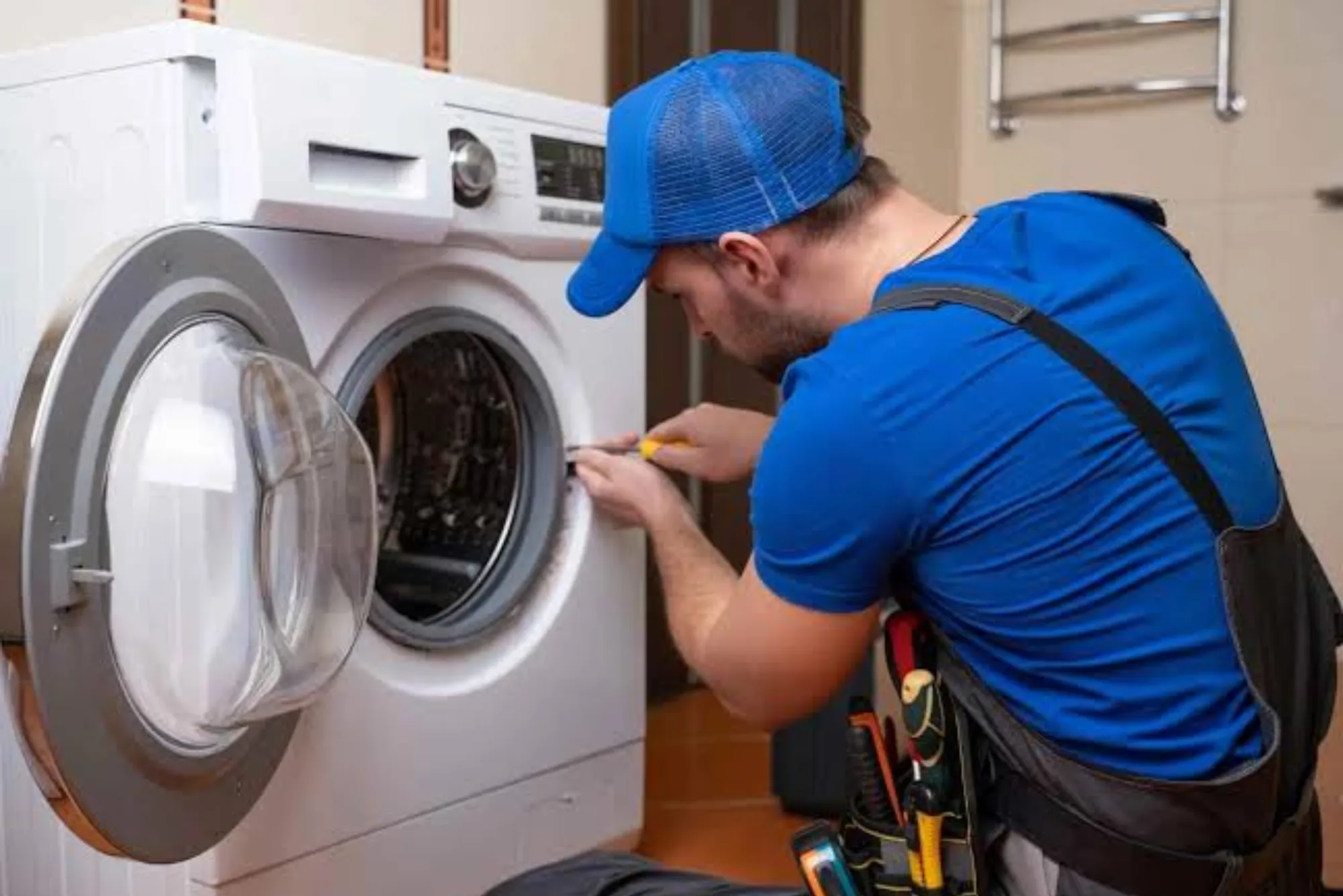
A dishwasher can save considerable time in a busy Dubai household, but when it stops draining, cleaning, heating, or completing its cycle, the problem can quickly become inconvenient. A reliable Dishwasher Troubleshooting Service Dubai can help identify the actual fault instead of replacing parts unnecessarily. However, understanding the symptoms first can make the repair process easier and help you decide whether a simple check is enough or professional diagnosis is required.
Modern dishwashers combine water valves, pumps, spray arms, heating components, sensors, switches, and electronic controls. A fault in one area can sometimes create symptoms that appear to come from another component. That is why systematic troubleshooting is generally more useful than guessing which part has failed.
Why Dishwasher Troubleshooting Matters
Dishwasher problems do not always begin with a complete breakdown. A machine may initially leave dishes slightly dirty, take longer to finish a cycle, make unusual sounds, or leave standing water at the bottom. These early signs can provide useful clues about the underlying problem.
For example, poor cleaning may be related to blocked spray arms, restricted water flow, incorrect loading, or a circulation problem. A machine that refuses to start may instead have an electrical, door-switch, or control-related issue.
For broader professional support, homeowners can also explore dishwasher repair services when basic checks do not resolve the issue.
Common Dishwasher Problems in Dubai Homes
Regular use, mineral deposits, food residue, electrical fluctuations, and general component wear can all contribute to dishwasher faults. Some of the most common symptoms include:
- Dishwasher does not start or respond to controls
- Water remains inside after the cycle
- Dishes come out dirty or covered with residue
- Water does not reach the required temperature
- Water leaks from the door or underneath the appliance
- The dishwasher stops before completing its cycle
- Unusual humming, grinding, or clicking sounds
- Error codes appearing on the display
Simple Checks Before Calling a Technician
Some troubleshooting steps are safe for homeowners when performed carefully. Start by checking whether the dishwasher is receiving power and whether its door closes completely. A dishwasher may not begin a cycle if the door latch or safety switch does not register a secure closure.
Next, inspect the filter and visible spray arms. Food particles and residue can restrict water circulation and affect cleaning performance. Make sure the spray arms can rotate freely and that dishes are not blocking them.
If the appliance is leaving water behind, inspect the accessible filter and drain area for obvious debris. Do not dismantle electrical components simply to investigate a drainage problem. If the issue continues, professional diagnosis is safer and more reliable.
When Water Flow Becomes the Problem
A dishwasher needs an adequate water supply to perform its washing cycle correctly. A partially restricted inlet, faulty water inlet valve, or related component can cause insufficient filling. Homeowners looking for more detailed information can review this guide on dishwasher water inlet valve problems.
Water-related faults can also be connected to drainage or internal circulation. Rather than replacing a valve based only on symptoms, a technician should check the complete water path and confirm the failed component.
Dishwasher Faults: Basic Checks vs Professional Diagnosis
| Problem | Possible Basic Check | When Professional Help Is Better |
|---|---|---|
| Dishwasher not starting | Check power and door closure | Control, wiring, or safety-switch faults |
| Water left inside | Clean accessible filter | Pump, drain system, or electrical fault |
| Poor cleaning | Check spray arms and loading | Circulation or heating problems |
| Water leakage | Check door area for visible obstruction | Seal, hose, pump, or internal leakage |
Recognising When Troubleshooting Is No Longer DIY
If a dishwasher repeatedly trips a circuit breaker, produces a burning smell, leaks significantly, or shows persistent electrical symptoms, stop using it until the cause has been assessed. Electrical and internal mechanical faults require appropriate testing equipment and technical knowledge.
For electrical-related symptoms, a dedicated resource on dishwasher electrical repair can provide additional context about why professional diagnosis may be necessary.
Likewise, persistent cleaning problems should not automatically be blamed on detergent. A blocked internal spray system, damaged impeller, circulation pump issue, or heating fault can produce similar results. A structured inspection helps separate these possibilities.
Why Professional Fault Diagnosis Can Save Time
A professional technician normally approaches a dishwasher problem by considering the symptom, checking the relevant components, and identifying the actual cause before recommending a repair. This approach can prevent unnecessary replacement of working parts and reduce repeated service visits.
For households experiencing recurring problems, resources covering expert dishwasher fault diagnosis can also help explain the importance of identifying the underlying fault rather than treating only the visible symptom.
Check the Dishwasher’s Cleaning Performance
When a dishwasher completes its cycle but the dishes are still dirty, look at the pattern of the residue. Food particles concentrated on one side may indicate restricted spray coverage, while detergent remaining on dishes can point toward inadequate water circulation or temperature problems.
Start with simple maintenance. Remove and clean the filter according to the manufacturer’s instructions, rinse visible debris from accessible spray-arm openings, and avoid overcrowding the racks. Large plates and pans should not prevent water from reaching other items.
If cleaning remains poor after these checks, further diagnosis may be necessary. A circulation pump, wash motor, spray system, or heating component can require technical testing rather than visual inspection alone.
When a Dishwasher Stops Mid-Cycle
A dishwasher that starts normally but stops before finishing can be particularly difficult to diagnose because several systems operate during a complete cycle. Water intake, circulation, drainage, heating, sensors, and electronic controls must work in sequence.
First, note exactly when the appliance stops. If it stops shortly after filling, the issue may involve circulation or another early-stage function. If it stops during heating or near the end of the cycle, different components may need to be investigated.
For a more focused explanation of this symptom, see the guide on why a dishwasher stops mid-cycle. Recording any displayed error code before switching the appliance off can also give a technician useful diagnostic information.
Water Temperature and Heating Problems
Hot water plays an important role in effective dishwasher operation. If dishes remain greasy or the appliance does not appear to heat the water properly, the heating system should be considered alongside other possible causes.
Possible causes can include a failed heating element, sensor-related problem, wiring fault, or control issue. Because electrical components are involved, homeowners should avoid opening the appliance and testing live circuits without suitable training and equipment.
Temperature problems should also be distinguished from water-supply issues. If the machine is not filling correctly, it may not progress through its intended cycle even when the heating component itself is working.
How to Approach Dishwasher Troubleshooting in Dubai
For Dubai households, quick diagnosis can be especially useful when a dishwasher is part of a busy kitchen routine. The best approach is to document the symptoms before requesting service. Note whether the appliance fills with water, drains completely, heats normally, displays an error code, or makes an unusual noise.
- Stop using the appliance if there is a major leak, burning smell, or electrical concern.
- Record the dishwasher brand and model number.
- Describe exactly what happens during the cycle.
- Check simple user-serviceable areas such as the filter when appropriate.
- Arrange professional inspection if the fault continues or involves internal components.
This information gives a technician a clearer starting point and can make the troubleshooting process more efficient.
Repair or Replace: What Should You Consider?
Not every dishwasher fault means the appliance needs replacement. A relatively straightforward component failure may be worth repairing, particularly when the appliance is otherwise operating well. On the other hand, repeated failures, extensive internal damage, or an appliance approaching the end of its useful service life may change the financial decision.
The decision should consider the confirmed fault, repair cost, appliance condition, availability of suitable parts, and expected future reliability. Avoid making the decision solely from the age of the dishwasher or from a single symptom.
Frequently Asked Questions
What is the first thing to check when a dishwasher stops working?
Check whether the appliance has power and whether the door closes and latches correctly. If those basic checks do not resolve the problem, the cause may involve electrical, control, or internal components.
Why does my dishwasher leave water at the bottom?
A blocked filter or drain area can sometimes restrict drainage. If cleaning accessible areas does not solve the problem, a drain pump, hose, or related component may require professional inspection.
Why are my dishes still dirty after a full cycle?
Check loading, filter cleanliness, and spray-arm movement first. Persistent poor cleaning can be associated with restricted water circulation, spray coverage, or heating problems.
Is it safe to repair dishwasher electrical problems myself?
Electrical faults are best handled by a qualified technician. Disconnecting power before basic inspection is important, but internal electrical testing should not be attempted without appropriate knowledge and equipment.
Should I repair or replace a faulty dishwasher?
It depends on the confirmed fault, repair cost, appliance condition, and expected future reliability. A professional assessment can help you make the decision based on the actual problem rather than guesswork.
Conclusion
Effective Dishwasher Troubleshooting Service Dubai begins with understanding the symptoms and checking the simplest possible causes before moving toward complex repairs. Problems such as poor cleaning, drainage failure, water leakage, heating issues, electrical faults, and mid-cycle stoppages can have several possible causes, so accurate diagnosis matters.
Homeowners can safely handle basic checks such as inspecting accessible filters, confirming power, checking door closure, and ensuring spray arms are not obstructed. More serious electrical, mechanical, heating, or persistent water-related faults should be assessed by an experienced professional.
By identifying the symptoms carefully and choosing diagnosis over guesswork, Dubai residents can approach dishwasher repairs more efficiently and make better decisions about maintaining, repairing, or eventually replacing their appliance.
Related Reading: Oven Installation Service Dubai