Air conditioning systems are designed to maintain a comfortable indoor temperature, especially during hot weather. However, many homeowners experience a frustrating issue where some rooms feel perfectly cool while others remain warm and uncomfortable. This problem, often described as uneven AC cooling, can affect the overall comfort of your living space and reduce the efficiency of your cooling system. When one room feels like a refrigerator and another feels barely cooled, it indicates that the airflow and temperature distribution within the home are not balanced properly.
Uneven cooling can occur in homes of any size, whether the air conditioner is newly installed or has been operating for several years. In many cases, the issue is not necessarily a sign that the air conditioner is completely failing. Instead, it often points to underlying factors such as airflow restrictions, insulation problems, ductwork issues, or incorrect system sizing. Understanding these factors can help homeowners identify the root cause and take appropriate steps to restore balanced cooling throughout the house.
How Airflow Distribution Affects Cooling Performance
One of the most important aspects of effective air conditioning is proper airflow distribution. An AC system cools air and circulates it throughout the home through ducts and vents. If airflow is not distributed evenly, some rooms will receive more cooled air than others. This imbalance creates temperature differences between rooms and reduces overall comfort.
Poor airflow can result from blocked vents, dirty air filters, or issues with the duct system. When air cannot move freely through the system, the AC unit struggles to push cool air into every room equally. In such cases, the rooms closest to the air handler or main duct often receive more cooling, while distant rooms remain warmer. Over time, this imbalance may also increase energy consumption because the system works harder to maintain the desired temperature.
Proper airflow ensures that each room receives the right amount of conditioned air. Regular inspection of vents, filters, and ducts can help maintain consistent airflow and improve the cooling performance of the air conditioning system.
The Role of Ductwork in Uneven Cooling
Ductwork is a crucial component of any central air conditioning system. It acts as the pathway through which cooled air travels from the AC unit to various rooms. When ductwork is poorly designed, damaged, or leaking, it can significantly impact cooling distribution.

Leaky ducts allow cooled air to escape before reaching its intended destination. This means some rooms receive less cool air than they should, resulting in uneven temperatures. Additionally, ducts that are too long, improperly sized, or poorly insulated may reduce airflow efficiency. In older homes, duct systems may have developed cracks or loose connections over time, further contributing to uneven cooling.
Repairing or sealing ducts can improve airflow efficiency and ensure that cooled air reaches every room effectively. Well-maintained ductwork allows the AC system to perform at its optimal level while maintaining consistent temperatures throughout the home.
Impact of Insulation and Sun Exposure
Another important factor influencing uneven AC cooling is the level of insulation in different areas of the house. Insulation helps maintain indoor temperature by preventing heat from entering the home during hot weather. If certain rooms have poor insulation, they may absorb more heat from outside, making them warmer than other areas.
Rooms located on the upper floors of a home often experience higher temperatures because heat naturally rises. Similarly, rooms with large windows or those facing direct sunlight may become warmer even when the air conditioner is running continuously. Without proper insulation, these rooms lose cool air quickly and require more cooling than others.
Improving insulation in walls, ceilings, and attics can significantly reduce temperature variations between rooms. Proper window coverings, reflective films, or energy-efficient windows can also help minimize heat gain and maintain balanced cooling indoors.
Thermostat Placement and Its Influence on Cooling
The thermostat acts as the control center of an air conditioning system. It measures indoor temperature and signals the AC unit when to turn on or off. However, the location of the thermostat can greatly influence how effectively the system cools different rooms.
If the thermostat is installed in a naturally cooler area of the house, such as near a vent or in a shaded hallway, it may register the desired temperature sooner than other rooms. As a result, the AC system shuts off before warmer rooms have a chance to cool down properly. Conversely, if the thermostat is located in a warmer area, the system may run longer than necessary, causing other rooms to become excessively cold.
Proper thermostat placement ensures accurate temperature readings and balanced cooling. Modern smart thermostats can further improve temperature control by monitoring conditions in multiple areas of the home.
AC System Size and Cooling Efficiency
The size of the air conditioning unit plays a crucial role in maintaining even cooling throughout a house. An AC unit that is too small may struggle to cool the entire home effectively, leading to warm spots in certain rooms. On the other hand, an oversized unit may cool the space too quickly without allowing sufficient time for air circulation, resulting in uneven temperature distribution.
When an air conditioner cycles on and off frequently due to incorrect sizing, it prevents the system from evenly distributing cooled air through the duct network. This short cycling can also increase energy consumption and place unnecessary strain on system components.
Selecting the correct AC size based on the home’s square footage, insulation level, and layout ensures balanced cooling and improved efficiency.
Maintenance Issues That Cause Uneven Cooling
Regular maintenance is essential for keeping an air conditioning system operating efficiently. When maintenance is neglected, various problems can arise that contribute to uneven cooling in rooms.
Dirty air filters are one of the most common causes of airflow restriction. When filters become clogged with dust and debris, they block airflow and reduce the system’s ability to distribute cooled air effectively. This can lead to certain rooms receiving less cooling than others.
Similarly, dirty evaporator coils, blocked condenser units, or malfunctioning fans can affect the cooling process. When these components do not function properly, the system may struggle to maintain consistent airflow and temperature levels.
Routine maintenance, including filter replacement, coil cleaning, and system inspection, helps ensure that the AC operates smoothly and distributes cool air evenly across the home.
Structural Layout of the House
The architectural design and layout of a house can also contribute to uneven cooling. Homes with multiple floors, long hallways, or large open spaces often face challenges in maintaining consistent temperatures in every room.
For example, rooms located far from the central air unit may receive less airflow than those located nearby. Similarly, closed doors and obstructed vents can limit the circulation of cool air. High ceilings and large living areas may require additional airflow adjustments to maintain comfortable temperatures.
In such situations, improving airflow pathways, adjusting vents, or optimizing room circulation can help balance cooling performance.
Importance of Professional Inspection
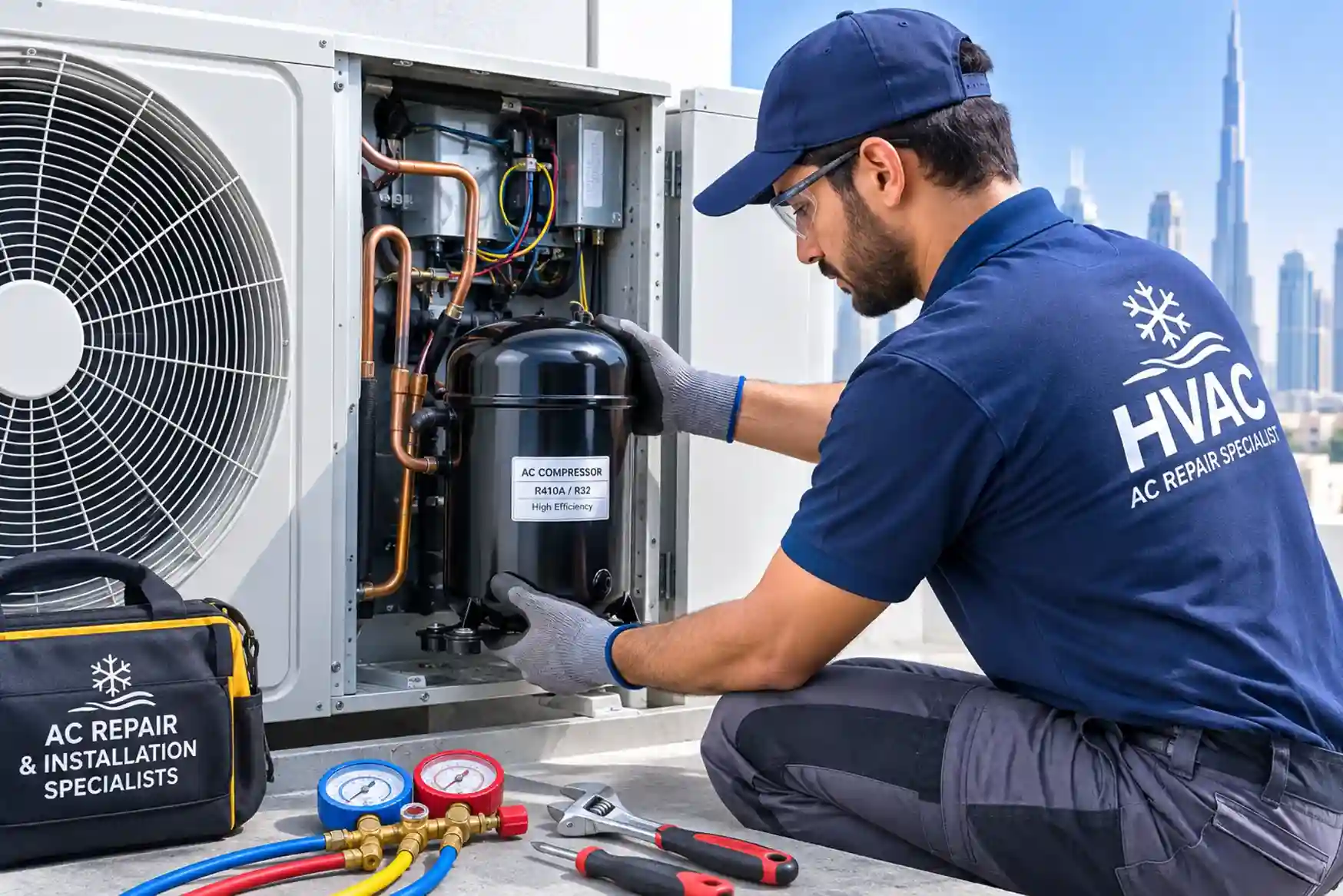
While some uneven cooling issues can be resolved through simple adjustments, others require professional diagnosis. HVAC technicians have the expertise and tools to identify hidden problems within the air conditioning system.
A professional inspection may include evaluating ductwork integrity, measuring airflow levels, checking refrigerant pressure, and assessing overall system performance. Technicians can also determine whether the AC unit is appropriately sized for the home and recommend improvements if necessary.
Professional servicing not only resolves cooling imbalances but also improves system efficiency and extends the lifespan of the air conditioning equipment.
Long-Term Benefits of Balanced Cooling
Addressing uneven AC cooling offers several long-term benefits for homeowners. Balanced cooling ensures that every room in the house remains comfortable, regardless of its location or exposure to sunlight. It also reduces strain on the air conditioning system, allowing it to operate more efficiently and consume less energy.
Improved airflow and temperature balance can enhance indoor air quality by promoting proper ventilation throughout the home. Additionally, a well-maintained AC system experiences fewer breakdowns and requires fewer costly repairs over time.
Uneven AC cooling in rooms is a common issue that can arise from multiple factors, including airflow restrictions, ductwork problems, insulation deficiencies, thermostat placement, and system sizing. While the problem may initially appear frustrating, it is often manageable once the root cause is identified.
Maintaining proper airflow, ensuring well-sealed duct systems, improving insulation, and performing regular AC maintenance are essential steps toward achieving balanced indoor temperatures. Professional inspection can further help diagnose complex issues and restore optimal system performance.