A washing machine is one of the most frequently used home appliances, working tirelessly to keep your clothes clean and fresh. Over time, however, even the most reliable machines can develop issues due to continuous wear and tear. One common problem that many homeowners face is a broken or worn-out motor coupling. The motor coupling connects the motor to the transmission in a top-loading washing machine. When it fails, your washer may stop spinning, agitating, or draining properly. Understanding how to replace washing machine motor couplings is an essential part of maintaining your appliance’s performance and extending its lifespan.
In this article, we will take an in-depth look at the process of replacing washing machine motor couplings, the symptoms of a damaged coupling, and why professional repair services like can make the process smoother, safer, and more efficient.

Understanding the Role of the Motor Coupling
The motor coupling in a washing machine is a small but crucial component that acts as a bridge between the motor and the transmission. Its primary job is to transfer power from the motor to the agitator and drum, enabling the machine to perform washing and spinning actions. It is usually made of plastic and rubber, designed to absorb shock and prevent damage to other internal parts during heavy loads.
When the coupling becomes worn or breaks, it interrupts the mechanical connection between the motor and transmission. As a result, the motor may run, but the washer won’t spin or agitate. In some cases, you may hear a loud buzzing sound or notice that your washer fills with water but doesn’t proceed with the washing cycle.
Signs Your Washing Machine Motor Coupling Needs Replacement
Before you jump into the repair process, it’s important to confirm that the motor coupling is indeed the problem. Several symptoms can indicate that the coupling is damaged:
- The washing machine fills with water but doesn’t agitate or spin.
- You hear a grinding or rattling noise during the wash cycle.
- The motor runs but the drum doesn’t move.
- The washer stops mid-cycle without completing the spin process.
If these issues sound familiar, the coupling may be the culprit. Ignoring the problem can lead to additional damage to your washing machine’s motor repair or transmission, resulting in more costly repairs.
Safety Precautions Before Starting the Replacement
Working with electrical appliances always requires caution. Before replacing your washing machine’s motor coupling, make sure the machine is unplugged from the power source. Disconnect the water supply and move the washer to an open area where you have enough space to work comfortably. Always wear protective gloves and ensure the floor around the washer is dry to avoid electrical hazards or slips.
Safety should always come first, especially when handling internal components of a home appliance. If you are not confident in your ability to perform the repair correctly, it is best to contact a professional technician.
Step-by-Step Process to Replace a Washing Machine Motor Coupling
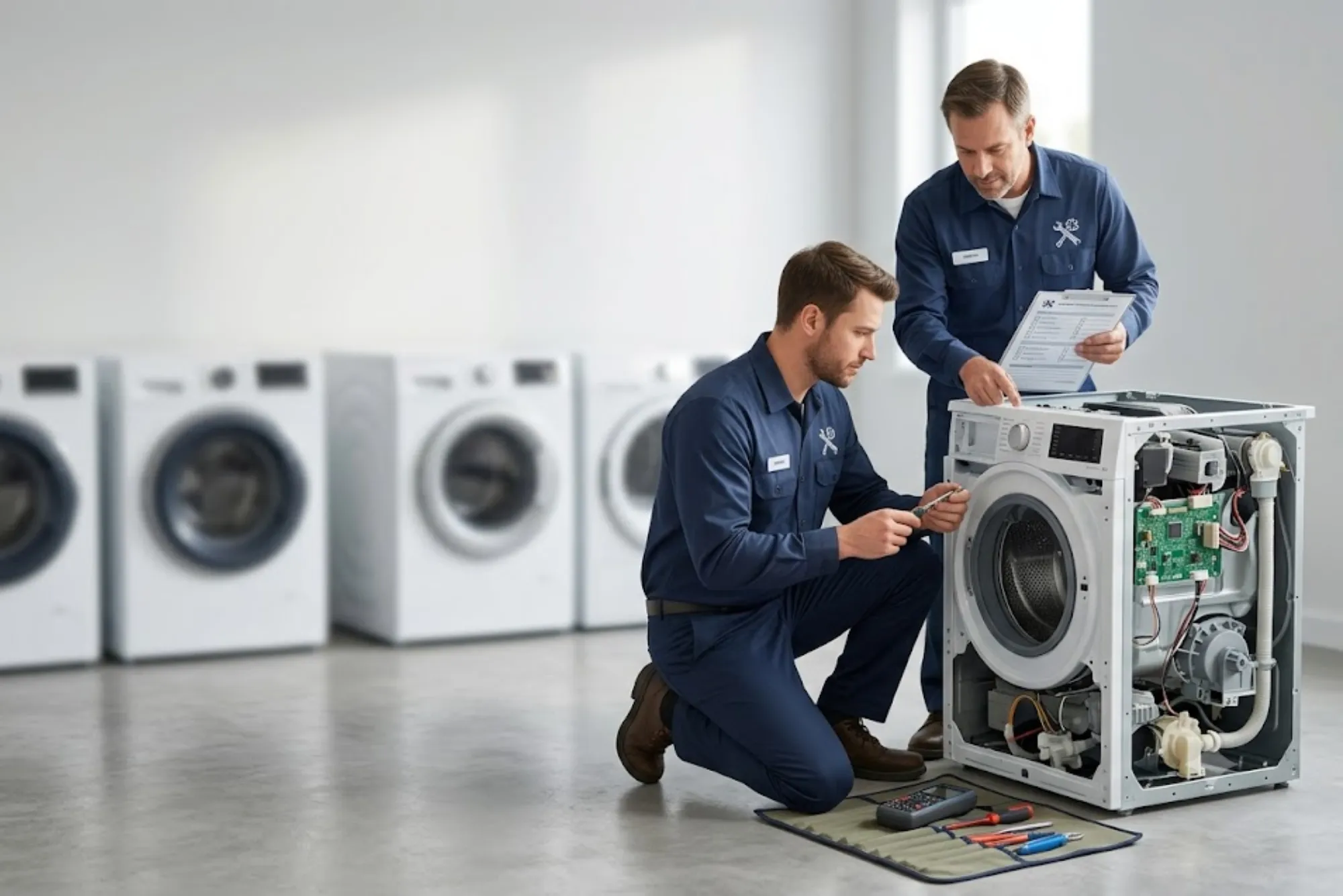
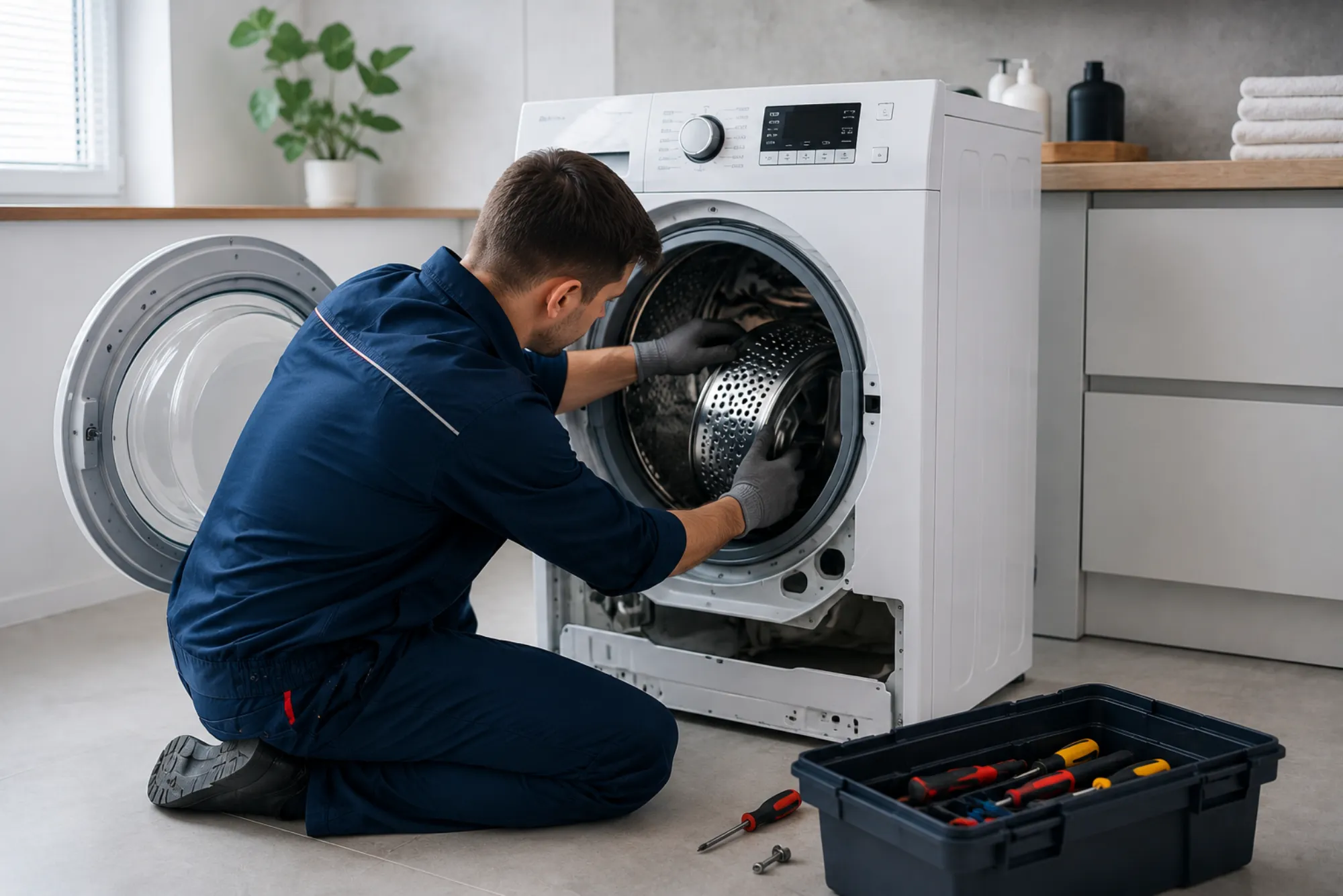
Replacing the motor coupling involves disassembling several parts of the washer to reach the motor assembly. Here is a detailed explanation of the procedure:
First, unplug your washing machine and turn off the water valves. Next, tilt the washer backward carefully to access the bottom panel or remove the cabinet if required. Depending on your washer model, you may need to remove screws that hold the front or rear panel in place.
Once the cabinet is removed, you’ll see the pump attached to the motor with metal clips. Release the clips gently and set the pump aside without disconnecting the hoses. Then, locate the motor retainer clips that hold the motor to the transmission. Use a flat-head screwdriver to pry off these clips carefully. Disconnect the motor wiring harness before pulling the motor away.
You will now see the old motor coupling connecting the motor shaft and the transmission input shaft. The coupling consists of three pieces — two plastic hubs (one on each shaft) and a rubber isolator in the middle. If the coupling is broken or worn, remove it completely. Clean the surrounding area to remove any debris or residue.
Next, install the new coupling. Push one plastic hub onto the motor shaft and the other onto the transmission shaft. Fit the rubber isolator between them so the three prongs from each hub align securely with the holes in the isolator. Make sure everything fits snugly and the coupling is properly seated.
Once installed, reconnect the motor to the transmission using the retainer clips and reattach the wiring harness. Reinstall the pump and secure it with its clips. After ensuring all components are properly aligned, place the cabinet back on the washer frame and fasten all screws. Reconnect the water supply and power cord, and test the washing machine by running a short wash cycle.
If the drum agitates and spins smoothly without unusual noise, the replacement has been successful.
Why You Should Choose Professional Help
Although replacing the motor coupling may seem straightforward, it requires a good understanding of how washing machines work. One small mistake can lead to electrical damage, water leakage, or improper reassembly that affects the washer’s performance. That’s why hiring a professional repair service like can save time, effort, and unnecessary risks.
Professional technicians are trained to diagnose appliance issues accurately and perform repairs efficiently. They use the right tools and genuine parts to ensure long-lasting performance. Moreover, HaFixer offers affordable repair services across Dubai, ensuring that your washing machine operates smoothly without recurring problems.
Attempting a do-it-yourself fix might save money initially, but inexperience can lead to accidental damage that costs much more in the long run. Professional repair services provide peace of mind, warranty assurance, and expert maintenance advice that can extend your appliance’s lifespan.
Common Mistakes to Avoid During Replacement
One of the biggest mistakes homeowners make when replacing a motor coupling is forcing components into place. The coupling should fit snugly but should never be hammered or pushed in forcefully, as this can damage the motor shaft. Another common mistake is failing to align the coupling correctly, which can cause vibration or premature wear.
Neglecting to reattach the wiring harness properly or misplacing retaining clips can lead to further issues such as motor malfunction or loose fittings. Always double-check that every part is securely reassembled before testing your machine.
Another crucial point is avoiding low-quality replacement parts. Cheap or incompatible couplings wear out quickly and may not withstand heavy loads. Using genuine parts recommended by professionals ensures durability and better performance.
Maintaining Your Washing Machine After Repair
Once your washing machine motor coupling is replaced, maintaining it properly can prevent future issues. Always avoid overloading the washer, as excessive weight puts strain on the motor and coupling. Regularly check for unusual noises during operation, which could indicate a loose part or developing issue.
Clean your washer’s drum and filter periodically to prevent debris from affecting internal components. It’s also wise to schedule routine maintenance from a trusted service provider like who can inspect your machine and perform preventive care.
Proper maintenance not only extends the life of your washing machine but also helps it run more efficiently, reducing water and energy consumption.
Final Thoughts
Replacing a washing machine motor coupling may seem like a small repair, but it plays a crucial role in restoring your appliance’s full functionality. With careful attention and the right tools, you can complete the task successfully. However, if you’re unsure about handling electrical parts or mechanical assemblies, it’s best to rely on professionals.