A washing machine is one of the hardest-working appliances in any household. It runs multiple times a week, sometimes daily, and quietly handles a task that saves hours of labor. Yet, when water begins pooling on the floor around it, the convenience turns into frustration. A leaking washing machine is not just an annoyance; it can also lead to expensive repairs, floor damage, and even mold growth if ignored. Understanding why your washing machine leaks water requires examining both the machine’s inner workings and external conditions.
This article explores the common reasons behind washing machine leaks, how to identify the source, and practical solutions that restore the machine’s reliability.
The Nature of Washing Machine Leaks
Not all washing machine leaks are the same. Some occur during the filling stage, others while the drum is agitating, and many only appear during the final spin cycle when the machine is under maximum water pressure. This variation makes pinpointing the cause a process of elimination. In some cases, the machine itself is not even at fault—the issue may stem from plumbing connections or the way the appliance is installed.
Understanding when and where the leak appears provides the first clue. For example, a small puddle in front of the door of a front-loading washer may suggest a door seal problem, whereas a sudden flood at the back of the unit points toward a loose hose or cracked water inlet valve.
Hoses and Connections
Hoses are often the most vulnerable parts of a washing machine. Two primary hoses supply hot and cold water to the unit, while a drain hose carries wastewater away. Over time, these hoses can loosen, develop cracks, or split under pressure.
A leaking supply hose will usually produce a steady drip or even a spray, especially when the machine fills with water. On the other hand, a damaged drain hose may leak only when water is being expelled. Sometimes the problem is as simple as a loose clamp or an improperly inserted hose, yet the result is the same: water on the laundry room floor.

Inspecting hoses regularly and replacing them every five years is a preventive measure many homeowners overlook. Modern stainless-steel braided hoses are far more durable than rubber ones, offering additional protection against sudden bursts.
Door Seals and Gaskets
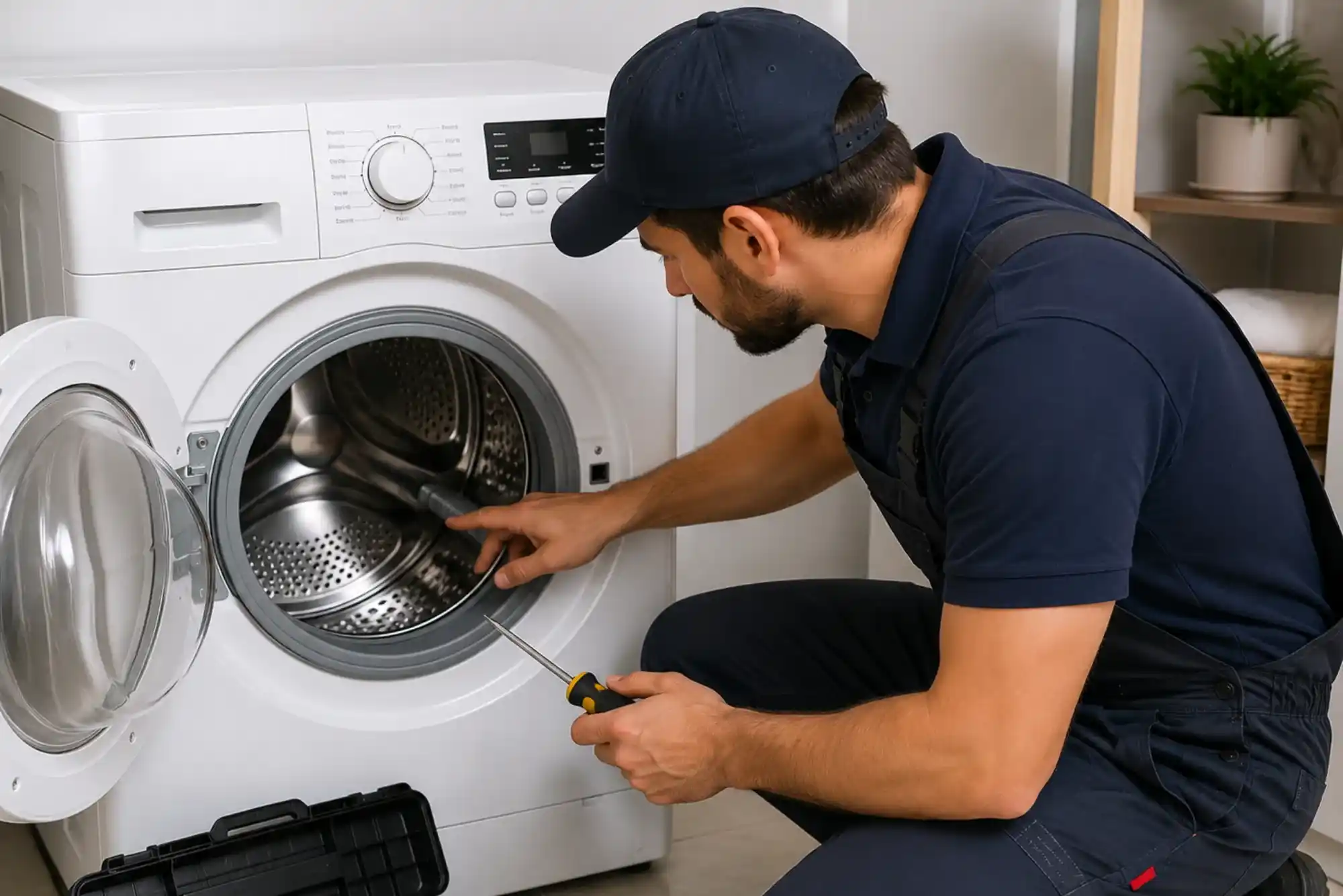
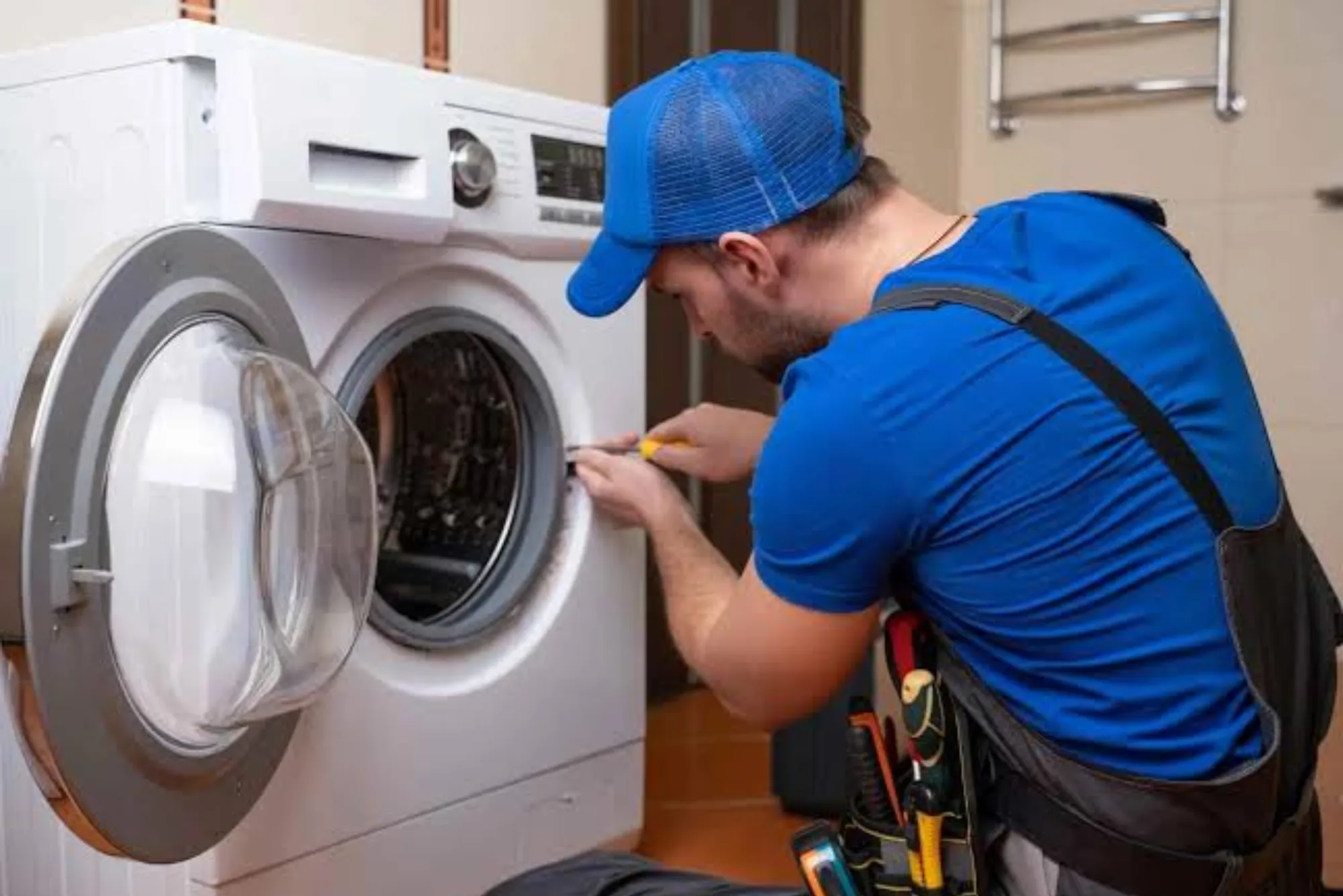
Front-loading washing machines rely on large rubber gaskets around the door to create a watertight seal. These gaskets are prone to wear and tear, especially when detergent residue, lint, or foreign objects build up. Even a small piece of fabric caught in the seal can break the barrier, letting water escape during cycles.
Over time, the gasket itself may become brittle or develop mold, reducing its ability to flex and form a proper seal. Once this happens, small leaks can turn into significant spills. Cleaning the gasket regularly and checking for tears or deformation is essential for keeping the washer leak-free.
Detergent Use and Suds Overflow
Another overlooked cause of washing machine leaks is excessive detergent or the wrong type of detergent. High-efficiency washers require HE detergent, which is formulated to produce fewer suds. Using a standard detergent or adding too much soap can generate excessive foam that pushes against seals and overflows through the dispenser or door.
Although suds overflow might not seem like a traditional “leak,” the water mixed with soap can still spill onto the floor, creating a mess that mimics a plumbing issue. The solution is simple: measure detergent carefully, follow manufacturer guidelines, and use products designed for your specific machine type.
Internal Components and Hidden Leaks
When hoses and gaskets appear intact, the problem may lie deeper inside the washing machine. Internal components such as the water pump, tub bearings, or inlet valves can degrade over time.
The water pump, which circulates and drains water, can develop cracks or have seals that fail. When this occurs, water seeps out during drain cycles. Inlet valves, responsible for controlling the flow of water into the machine, may also malfunction, causing slow drips or sudden leaks.
These internal issues often require disassembly to diagnose and repair, making them more complex for the average homeowner. However, ignoring them risks larger failures and potential flooding.
Overloading and Imbalanced Loads
Washing machines are engineered to handle specific load capacities. Overstuffing the drum with clothes puts stress on seals, bearings, and hoses. An overloaded drum may cause water to slosh forcefully against the door, leading to leaks even if the gasket is in good condition.
Similarly, imbalanced loads—where heavy items like blankets shift to one side—can make the drum wobble during spin cycles. This violent motion strains internal connections and increases the chance of water escaping.
Using the machine as intended, respecting load limits, and distributing laundry evenly inside the drum helps prevent leaks caused by mechanical stress.
Installation and Leveling Issues
Sometimes a washing machine leak is not due to a failing part but improper installation. If the drain hose is inserted too far into the standpipe, it can create a siphon effect, pulling water back into the machine and overflowing. Conversely, if it is too loose, wastewater can spill out onto the floor.
Another factor is machine leveling. Washers must sit evenly on the floor to function correctly. A tilted machine allows water to pool in areas it should not, leading to drips from corners or the underside of the unit. Adjustable legs beneath the machine can be fine-tuned to ensure stability and proper alignment.
Environmental Factors
The conditions in which a washing machine operates also play a role in whether it leaks. Extreme temperatures, for example, can weaken hoses. In cold climates, water left in hoses or pumps can freeze, expand, and crack components. Humid environments encourage mold and gasket deterioration, while corrosive water with high mineral content can erode fittings.
Taking the environment into account and making small adjustments, such as using hose insulation or placing the machine in a climate-controlled area, can extend its lifespan and reduce leak risks.
Diagnosing a Washing Machine Leak
Finding the exact source of a washing machine leak requires patience and observation. Start by drying the floor and running a short cycle while watching carefully. Note when the leak begins—during fill, wash, or spin—and trace the water back to its origin.
Water at the front often suggests gasket or door issues. Water at the back usually points to hoses or valves. Puddles underneath the machine are more likely tied to pumps or internal seals. A methodical approach ensures that you do not replace parts unnecessarily or overlook a simple loose connection.
Preventive Maintenance
The best defense against washing machine leaks is routine care. Cleaning the door gasket, checking hoses, and avoiding overloading are simple steps that can dramatically reduce the likelihood of problems. Annual inspections, either by homeowners or professionals, can catch small issues before they escalate.
Replacing components like hoses before they fail, using the correct detergent, and ensuring the machine remains level are low-cost practices that prevent expensive repairs or water damage restoration.
When Professional Help Is Needed
Some leaks are minor and can be fixed with basic tools, but others demand expertise. If you notice water inside the machine even when it is off, hear unusual noises during operation, or suspect internal part failure, it is best to consult a technician. Attempting complex repairs without proper training can worsen the issue or void warranties.
A professional can quickly diagnose whether the leak is due to a failing pump, valve, or drum seal and provide the right replacement parts. While service calls have a cost, they are often far less expensive than dealing with water damage caused by an unresolved leak.
The Hidden Costs of Ignoring Leaks
Even a small drip from a washing machine can cause damage far beyond the appliance itself. Water seeping into flooring can warp wood, loosen tiles, or weaken subflooring. Persistent dampness encourages mold growth, which poses health risks and requires professional remediation.
Insurance claims for water damage often exceed the cost of replacing the washer entirely. For this reason, no leak should be considered insignificant. Addressing the issue early not only protects the appliance but also safeguards the home environment.
Final Thoughts
A leaking washing machine is more than an inconvenience; it is a signal that something in the system is not functioning correctly. From worn-out hoses and door seals to incorrect detergent use or installation errors, the causes vary widely. What remains consistent, however, is the need to act quickly.
By observing when and where leaks occur, performing routine maintenance, and calling in experts when necessary, homeowners can extend the life of their washing machine and avoid the costly consequences of water damage. In the end, a few proactive steps ensure that the washing machine continues to provide convenience rather than chaos.