The smooth function of an electric stove depends heavily on its control system. One of the most important components that regulate heat settings is the infinite switch. This small but vital part determines how much electricity flows to the heating element, making it possible to adjust temperatures from low simmer to high boil. When a stove burner does not respond correctly, tests on the infinite switch help identify whether it is functioning properly or requires replacement. Understanding the testing process not only ensures accurate repair but also provides homeowners and technicians with greater confidence in troubleshooting kitchen appliances.
Understanding the Role of an Infinite Switch
An infinite switch is designed to control the power sent to a stove’s heating element. Unlike simple on-and-off switches, it allows continuous variation of temperature by cycling power on and off at intervals. When a user turns the knob, the switch translates that rotation into resistance changes, adjusting the amount of electricity delivered. This precise regulation prevents overheating and allows fine-tuned cooking.
Because the infinite switch is mechanical and electrical in nature, wear and tear are inevitable. Prolonged usage can cause internal contacts to degrade, leading to inconsistent heating or total failure. For this reason, systematic testing is necessary whenever a stove burner displays irregular behavior.
Symptoms That Suggest Testing is Necessary
A faulty infinite switch often reveals itself through irregular stove performance. In some cases, burners may fail to heat at all, while in others they may remain at one temperature regardless of knob position. Users may also notice unexpected fluctuations where heat output cycles unpredictably.
Such symptoms are not always exclusive to switch failure. A defective heating element, damaged wiring, or problems within the terminal block can mimic similar issues. That is why testing the infinite switch should be part of a broader diagnostic approach, eliminating other potential causes before concluding the switch is at fault.
Safety Precautions Before Beginning Tests
Electric stoves operate on high voltage, which poses significant risks if handled carelessly. Before testing begins, the stove must be disconnected from its power source. This means unplugging the unit entirely or shutting off the circuit breaker. Relying on knob positions alone is unsafe, as electricity still flows to internal components even when burners are switched off.

In addition, technicians should equip themselves with insulated tools and avoid working in damp environments. Gloves designed for electrical work can further reduce hazards. Only when the appliance is completely isolated from power should diagnostic steps proceed.
Tools Required for Testing Infinite Switches
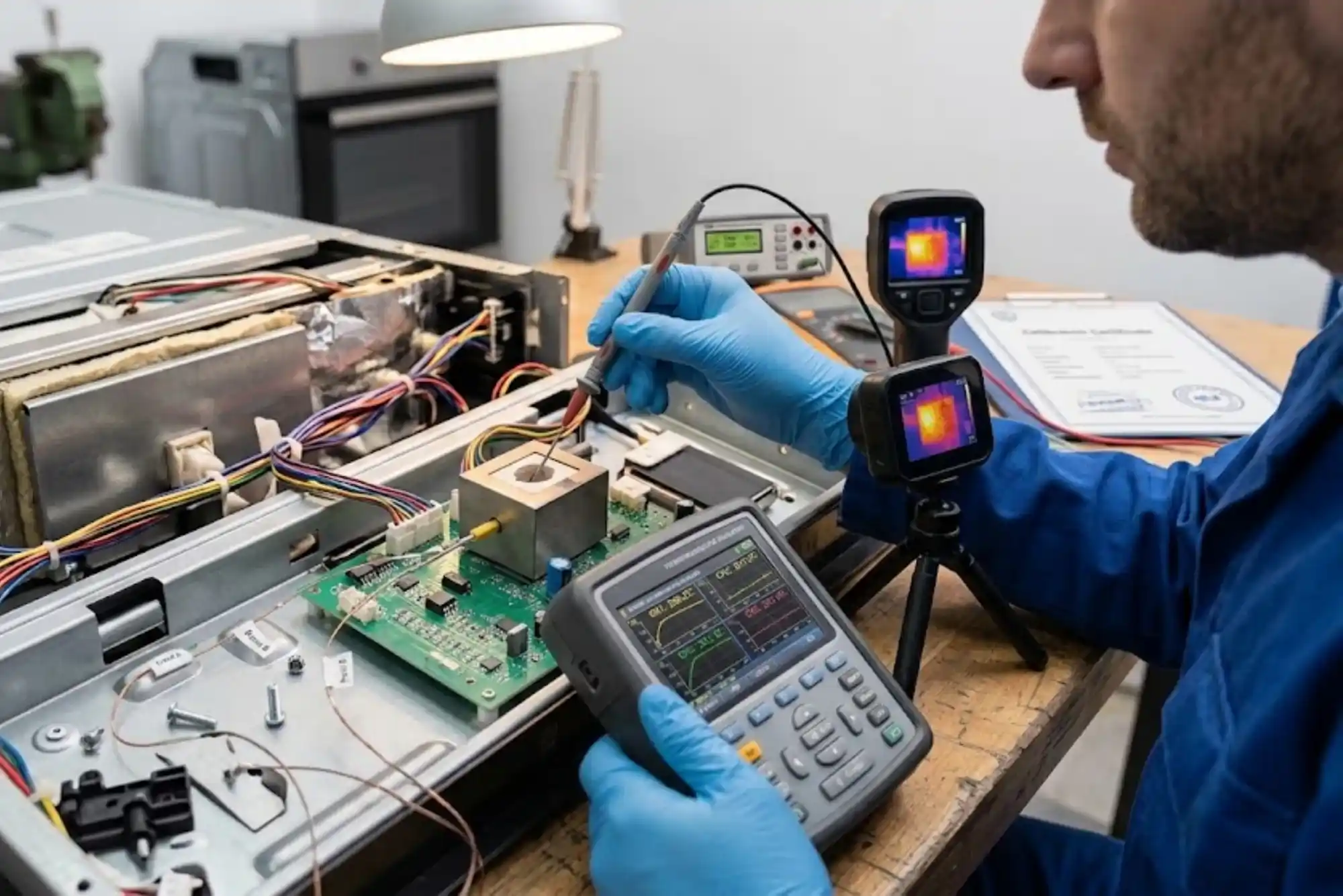
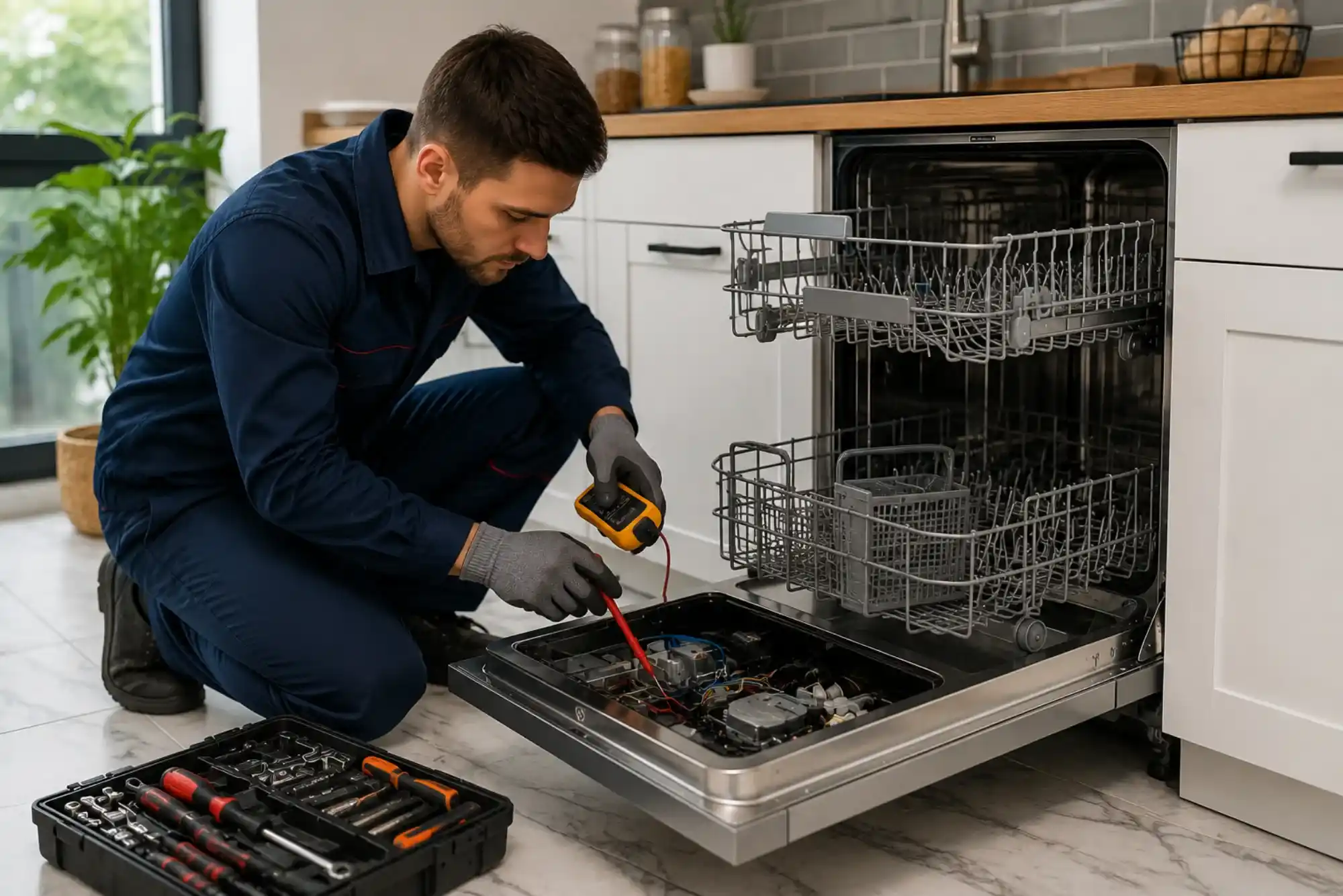
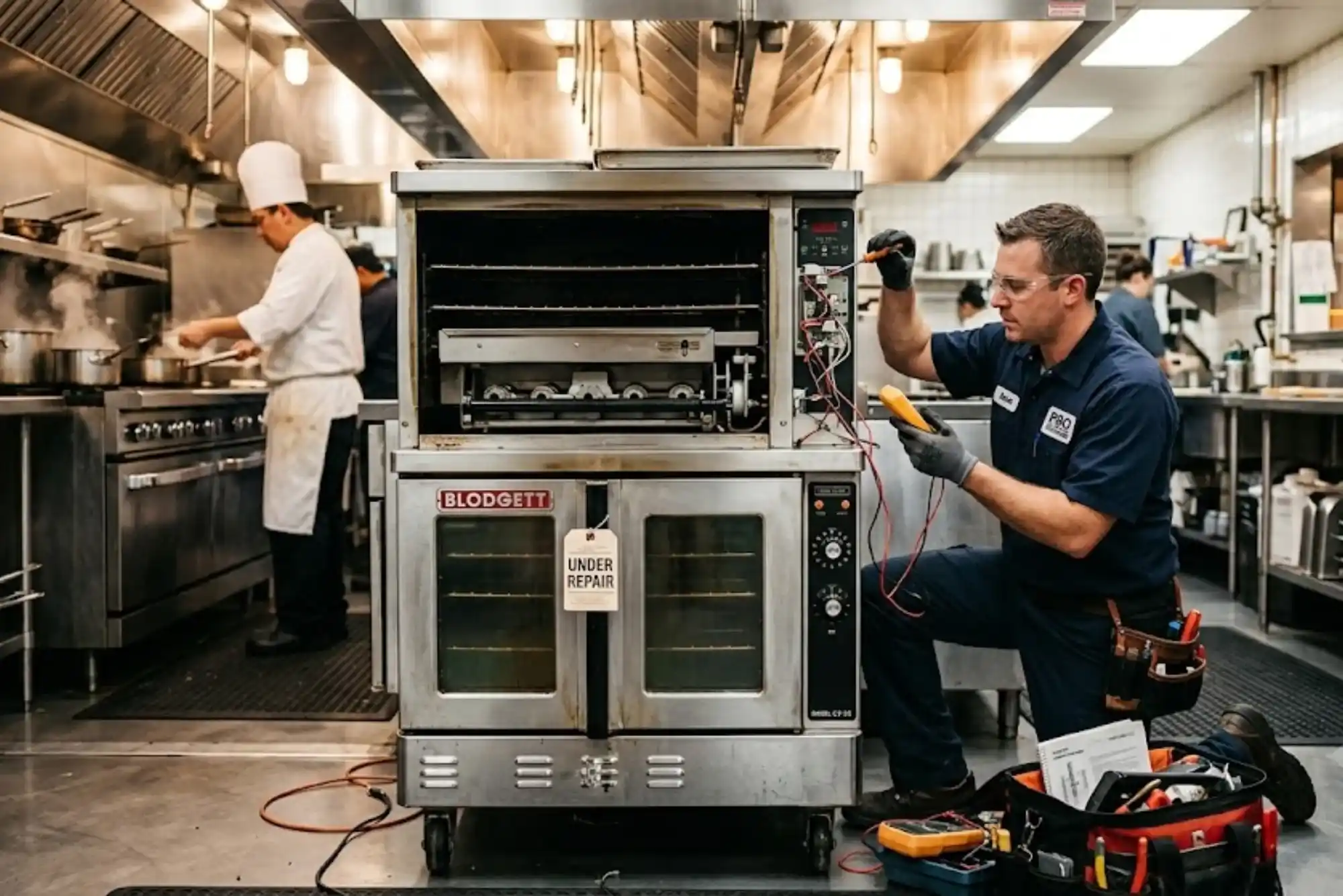
The primary tool needed is a digital multimeter, capable of measuring resistance and continuity. Multimeters provide accurate readings that reveal whether the internal contacts of a switch are opening and closing correctly. While analog meters can also be used, digital models ensure greater precision and easier interpretation.
In addition to a multimeter, a screwdriver is often required to access the stove’s control panel where switches are housed. Some models may include additional fasteners or clips, so technicians should familiarize themselves with the specific design of the appliance before proceeding.
Accessing the Infinite Switch in the Control Panel
Testing requires physical access to the switch itself. For most stoves infinite switches are located behind the control knobs. Removing the knobs reveals the mounting hardware, and detaching the control panel allows switches to be exposed. Each switch connects to multiple wires that lead to the heating element, power supply, and indicator light.
Care must be taken during disassembly to note wire placement. Photographing the setup before detaching connectors helps ensure accurate reassembly. Because wiring positions vary among manufacturers, relying on memory alone risks mistakes that could cause further damage.
Testing for Continuity and Functionality
Once exposed, the infinite switch can be evaluated using the multimeter. Testing continuity between designated terminals verifies whether electrical pathways are opening and closing as intended. A functioning switch will display resistance changes corresponding to knob position, while a failed switch may show no continuity at all or constant continuity regardless of adjustment.
Manufacturers often provide wiring diagrams specific to each stove model. These diagrams identify terminal designations, making it easier to determine which connections should be tested. Without such guidance, a technician must rely on experience and general knowledge of switch design, though accuracy improves significantly when reference materials are available.
Distinguishing Infinite Switch Failure from Other Issues
Even when test results appear irregular, confirmation is essential before concluding the switch is defective. A heating element that has burned out, for instance, can produce symptoms identical to a bad switch. Testing elements separately for continuity ensures they are still functional. Likewise, wiring connections must be checked for corrosion, looseness, or burns that could interfere with current flow.
Another potential source of error involves indicator lights and pilot lamps. If these lights fail to illuminate, a user might suspect the infinite switch. However, the issue could instead be within the light assembly itself rather than the switch. Comprehensive testing prevents unnecessary replacement and saves both time and cost.
Replacing an Infinite Switch When Tests Confirm Failure
When a switch has been conclusively identified as defective, replacement is the next step. Replacement involves disconnecting the faulty switch from its wiring harness and securing a new unit of identical specification. Compatibility is crucial—switches are designed to match particular wattage ratings and terminal layouts. Using an incorrect switch can damage the appliance or create safety hazards.
During reassembly, wires must be connected firmly to their corresponding terminals. Loose connections can lead to arcing, overheating, and even fire risks. Once secured, the control panel can be restored, and the stove reconnected to power for functional testing. Observing the burner’s performance at multiple settings confirms that the new switch operates as intended.
Why Professional Testing Remains Important
While some homeowners attempt switch testing themselves, professional diagnosis offers greater reliability. Certified technicians possess not only the tools but also the experience to interpret results correctly. Small variations in resistance readings may appear inconsequential to the untrained eye, yet they can signal deeper internal faults that affect long-term reliability.
Furthermore, professional service ensures adherence to safety standards. Incorrect handling of wiring or improper reassembly can expose users to shock hazards or cause recurrent appliance failure. For these reasons, professional testing and replacement often represent the most efficient and safest approach, especially for complex stove models.
Long-Term Maintenance Considerations
Even after successful repair, preventive maintenance enhances stove longevity. Ensuring that control knobs are turned gently rather than forced reduces stress on the internal mechanism of the switch. Regular inspection of wiring for signs of heat damage also prevents developing issues from escalating unnoticed.
In environments where stoves are used heavily, such as in commercial kitchens, scheduled maintenance becomes even more important. Frequent operation increases wear on switches, making routine checks valuable in avoiding unexpected downtime. By treating the infinite switch as a consumable component subject to wear, owners can plan ahead for replacements and minimize disruption.
Accurate Testing Protects Performance and Safety
Testing stove infinite switches is more than a troubleshooting step—it is a safeguard for safe, reliable cooking. Understanding how these switches regulate power, recognizing symptoms of failure, and applying precise testing techniques ensures that repairs are based on evidence rather than assumption.
With proper safety precautions, the right tools, and accurate interpretation, infinite switches can be diagnosed effectively. Replacements, when necessary, restore functionality and prevent hazards associated with faulty components. Whether carried out by a skilled homeowner or a professional technician, the testing of infinite switches represents a vital step in maintaining the performance of electric stoves and ensuring everyday kitchen safety.