The modern kitchen relies heavily on appliances that combine functionality with intuitive design. Among them, ovens stand out as both a staple of daily cooking and a symbol of precision engineering. Central to this usability is the control panel, which allows users to set temperatures, select cooking modes, and monitor progress. A small but crucial component of this panel is its backlight. When functioning correctly, the backlight ensures clear visibility in all lighting conditions, improving accuracy and reducing user error. But when it malfunctions, even a well-designed oven can become frustrating or unusable. Troubleshooting oven control panel backlights is therefore an essential skill for technicians and homeowners alike.
Why the Backlight Matters
The control panel backlight is more than just an aesthetic feature. It directly impacts usability, especially in low-light kitchens or when precise settings are required. Without it, reading temperature adjustments or cooking timers becomes difficult. Beyond convenience, poor visibility can also affect food safety and cooking outcomes, as settings may be misread or ignored.
For manufacturers, the inclusion of durable, long-lasting backlighting has become a competitive edge. Yet, like all electronic components, backlights are subject to wear, electrical fluctuations, and environmental stress. Recognizing their importance highlights why troubleshooting issues quickly is vital.
Common Symptoms of Backlight Problems
When an oven control panel’s backlight starts failing, the signs are often subtle at first before becoming unmistakable. A dim glow, intermittent flickering, or uneven lighting are typical early indicators. In some cases, the backlight may suddenly fail altogether, leaving the display nearly invisible. Another frequent symptom involves backlights that work sporadically, responding only after multiple button presses or power resets.
Understanding these symptoms is the first step toward diagnosis. Each type of malfunction can point to different underlying causes, ranging from electrical faults to component degradation.
Electrical and Power Supply Issues
Backlights depend on a stable power source. Voltage fluctuations, surges, or faulty connections can disrupt their performance. In regions with unstable electricity, ovens are especially vulnerable to such disturbances. A common result is temporary dimming or complete shutdown of the backlight.

Wiring problems inside the appliance are another culprit. Loose or corroded connectors may interrupt the circuit, preventing consistent current from reaching the backlight. Additionally, damaged power supply boards within the oven can affect multiple functions simultaneously, including display illumination.
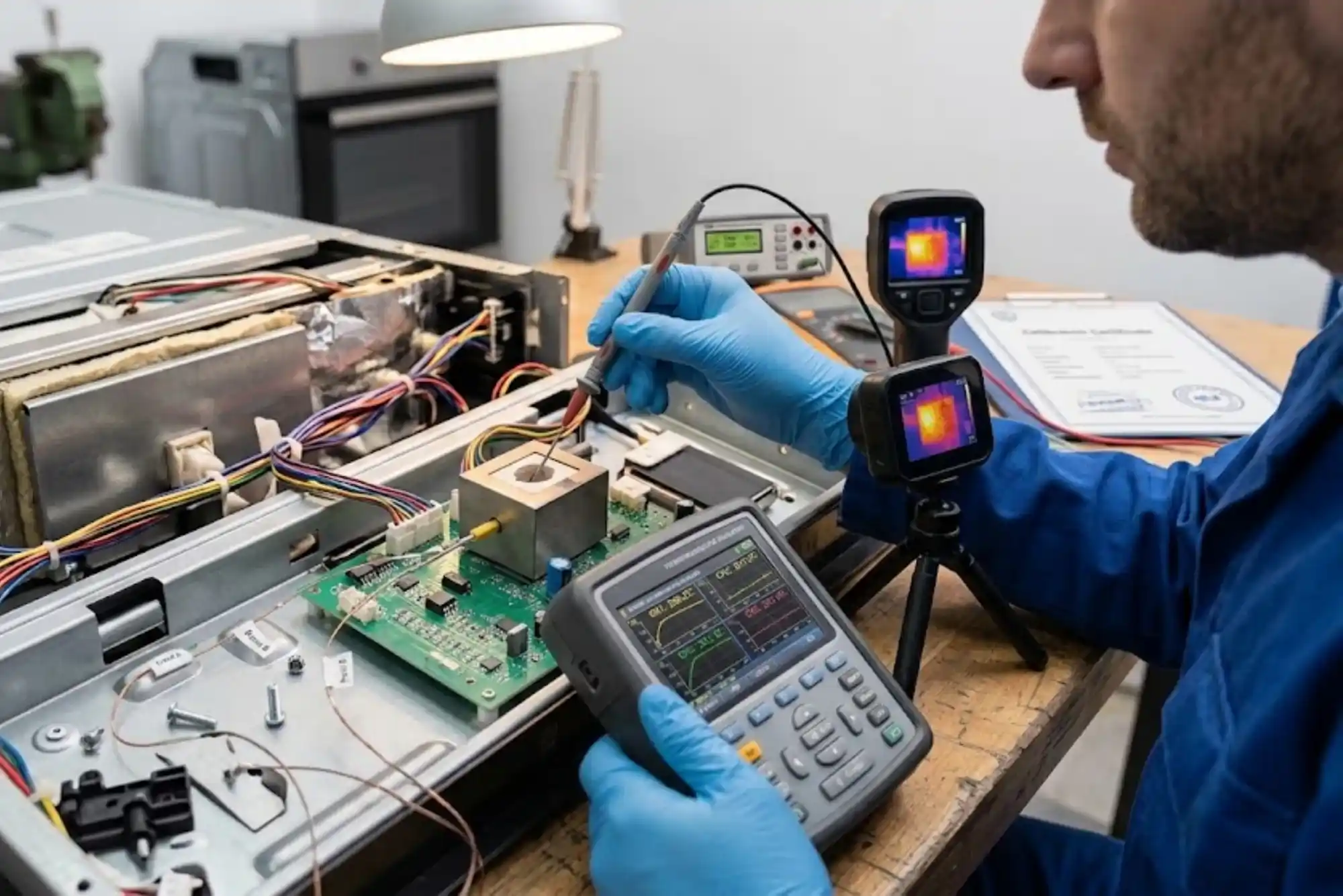
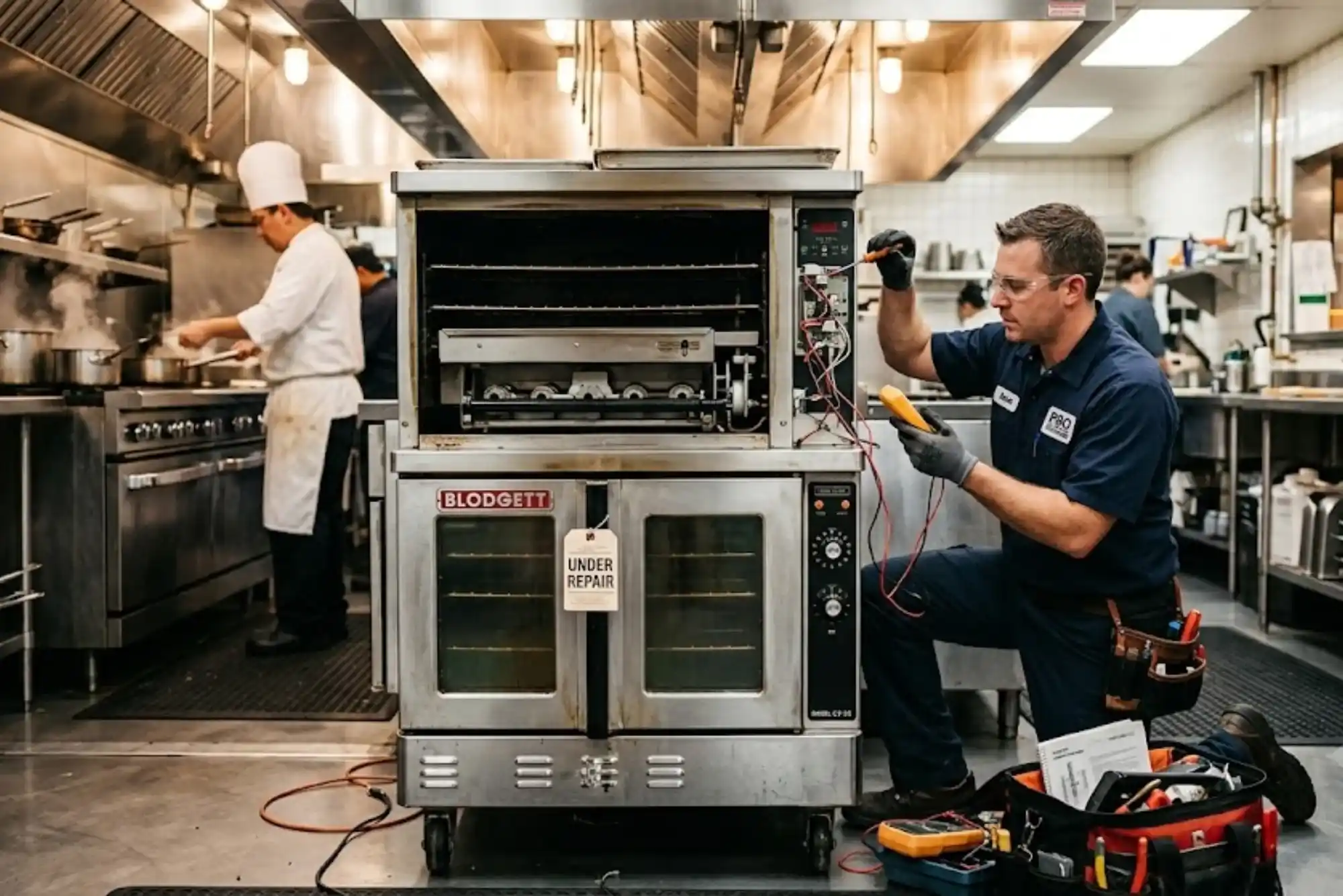
When troubleshooting, technicians often begin with the power supply. Using a multimeter to check for proper voltage levels across circuits provides a quick way to confirm or rule out supply issues.
Backlight Component Failures
Most oven control panels use LED-based backlighting due to its efficiency and longevity. However, even LEDs have finite lifespans. Over time, heat exposure and continuous operation can cause them to degrade. This results in dimming or complete burnout.
In some models, electroluminescent (EL) panels are used instead. These rely on a phosphor material that glows when subjected to an electric current. While offering uniform brightness, EL panels are more sensitive to wear and electrical inconsistencies. Failures here often manifest as fading across the entire display rather than isolated dim spots.
Replacing faulty LEDs or EL panels requires technical expertise and access to compatible components. Because oven panels are tightly integrated, improper handling during replacement can damage delicate circuit boards.
Display Driver and Control Board Malfunctions
The backlight does not operate in isolation. Its function is closely tied to the control board and display driver circuits. These microelectronic systems regulate power, signal distribution, and user inputs. When a control board develops faults, the backlight may be one of the first features to show irregularities.
Faulty capacitors or resistors within the circuit can reduce the current supplied to the backlight, causing dimness or flickering. Similarly, a malfunctioning driver chip may fail to deliver proper instructions to the backlight system, leaving the display unlit.
In modern ovens, control boards are complex and often proprietary. Diagnosing their faults requires both schematic knowledge and specialized testing tools. While component-level repairs are sometimes possible, replacement of the entire control board is more common in practical scenarios.
Environmental Factors and User Habits
An often-overlooked cause of backlight issues is environmental exposure. Ovens operate in conditions of high heat, frequent moisture release, and occasional spills. Steam and grease particles can infiltrate control panels over time, leading to corrosion of electrical contacts or short circuits.
User habits also influence the lifespan of backlights. Repeated pressing with excessive force, frequent cycling of oven functions, or improper cleaning methods can degrade the panel’s performance. Harsh cleaning chemicals, in particular, may damage protective coatings, exposing backlight components to moisture or abrasion.
Addressing environmental and behavioral factors is key not only in troubleshooting but also in preventing recurrence.
Steps for Systematic Troubleshooting
Troubleshooting oven control panel backlights involves a structured approach. Professionals generally follow a hierarchy of checks, starting from external and simple inspections before moving into internal diagnostics.
First, verifying the household power supply and ensuring the oven is correctly plugged into a grounded outlet can eliminate external causes. Next, a visual inspection of the panel for signs of moisture, dirt, or corrosion provides quick clues. If external checks reveal no issue, the next step involves disassembling the control panel to test individual components.
Testing LED strips or EL panels directly with a low-voltage supply helps confirm whether the backlight itself is functional. Multimeter readings across connectors and driver circuits then identify whether current is flowing as intended. If abnormalities are found at the board level, replacement becomes the most practical solution.
The Role of Replacement Parts and Compatibility
One of the biggest challenges in troubleshooting backlights is sourcing compatible replacement parts. Oven manufacturers often design panels as sealed units, discouraging component-level repairs. In such cases, technicians must replace the entire panel or control board.
Compatibility is crucial. Installing an incorrect part can result in improper illumination, further malfunctions, or even safety risks. Technicians rely on model numbers, service manuals, and manufacturer support to ensure correct replacements. For homeowners attempting DIY fixes, this compatibility requirement is often the biggest obstacle.
Safety Considerations During Repairs
Ovens are high-voltage appliances, and their internal electronics can retain charge even when unplugged. Attempting to troubleshoot or replace backlight components without proper safety precautions can be dangerous. Discharging capacitors, using insulated tools, and wearing protective equipment are standard practices for trained technicians.
Moreover, improper reassembly of the control panel can lead to exposed wiring or poor insulation, creating fire hazards. For this reason, professional servicing is strongly recommended for intricate repairs.
Preventing Future Backlight Issues
Once the immediate problem has been resolved, prevention becomes the focus. Simple habits can extend the lifespan of oven control panel backlights significantly. Avoiding excessive use of harsh cleaning chemicals, ensuring good ventilation around the oven, and protecting the panel from moisture buildup are practical measures.
Additionally, installing surge protectors can safeguard electronics from voltage spikes, a common cause of premature failure. Regular professional servicing, including inspections of wiring and circuit boards, also helps catch early signs of deterioration before they escalate.
The Growing Role of Smart Ovens
As ovens become increasingly integrated with smart technologies, backlight troubleshooting is evolving. Modern smart ovens often feature touchscreens, dynamic LED displays, and even color panels. These systems require more sophisticated backlighting but also introduce new diagnostic tools.
For instance, some ovens now display error codes directly on the screen, guiding users and technicians toward the source of malfunction. Remote diagnostics through connected apps can even allow manufacturers to analyze performance data and recommend solutions before a service call is required.
While these advancements increase complexity, they also improve the accuracy and efficiency of troubleshooting. For backlight issues, this means quicker identification of whether the problem lies with the hardware or software.
Professional vs. DIY Approaches
A common question among homeowners is whether they can troubleshoot and repair oven backlights themselves. While basic checks like inspecting for loose plugs or resetting the oven are safe for most users, deeper troubleshooting quickly exceeds typical DIY skill levels.
Replacing LEDs, opening control panels, or handling live circuits without training is risky. Moreover, tampering with internal components may void manufacturer warranties. Professionals not only bring technical expertise but also ensure repairs comply with safety and warranty standards.
For homeowners, the best approach is to handle only basic troubleshooting steps, leaving component replacements and advanced diagnostics to certified technicians.
Oven control panel backlights, though small in appearance, play a significant role in modern cooking experiences. Their failure can frustrate daily routines and compromise usability. Troubleshooting such issues requires a balance of systematic diagnostics, technical knowledge, and awareness of environmental factors.
From electrical supply checks to component-level inspections, each step in the troubleshooting process offers valuable insights into the oven’s health. With growing integration of smart technology, backlight issues are becoming easier to identify but still demand professional handling for lasting solutions.
Ultimately, understanding how these backlights function, why they fail, and how to address problems safely ensures ovens continue to deliver the reliability and convenience expected in today’s kitchens.