Gas ovens are one of the most common and essential kitchen appliances in modern households, relied upon daily for cooking and baking. While they offer convenience and efficiency, they also operate using highly flammable natural gas or propane, which demands careful handling. When a gas oven malfunctions, many homeowners are tempted to attempt repairs on their own in order to save money or avoid scheduling a service appointment. At first glance, fixing a small issue may appear simple, but the reality is that DIY gas oven repair carries serious safety risks that can jeopardize not just the appliance but also the health and safety of everyone in the home.
Repairing a gas oven requires technical knowledge, specialized tools, and compliance with strict safety standards. Unlike electrical appliances, where the main concern may be shocks or damaged wiring, gas-powered units introduce risks such as gas leaks, carbon monoxide poisoning, fire hazards, and even explosions. Attempting to handle these problems without expertise can quickly escalate into life-threatening situations. Understanding the risks involved in DIY gas oven repair is critical for every homeowner before making the decision to take matters into their own hands.
The Complexity of Gas Appliances
Gas ovens are designed with intricate systems that balance fuel supply, ignition, and ventilation. Inside the oven, various components such as gas regulators, valves, burners, pilot lights, and ignition switches must work in harmony for the appliance to function correctly. Even minor adjustments require precise calibration. A small error, such as tightening or loosening the wrong connection, can lead to gas leaks that are not always immediately noticeable.
Furthermore, gas appliances are governed by strict safety codes and manufacturer standards. Professionals who repair ovens undergo specialized training to handle pressurized gas systems safely, understand ventilation requirements, and test for hidden leaks. When an untrained person attempts to repair the same appliance, the lack of expertise makes it easy to overlook critical safety checks. What may seem like a simple repair can result in improper installation, which compromises the entire appliance system.
Hidden Danger of Gas Leaks
One of the greatest risks of DIY gas oven repair is the potential for undetected gas leaks. Natural gas and propane are odorless in their natural state, with manufacturers adding a chemical odorant (similar to the smell of rotten eggs) to make leaks detectable. However, small leaks can sometimes go unnoticed or be mistaken for lingering cooking odors. A slow leak can gradually fill the kitchen with gas, and all it takes is a single spark from an electrical outlet, a match, or even static electricity to trigger a fire or explosion.
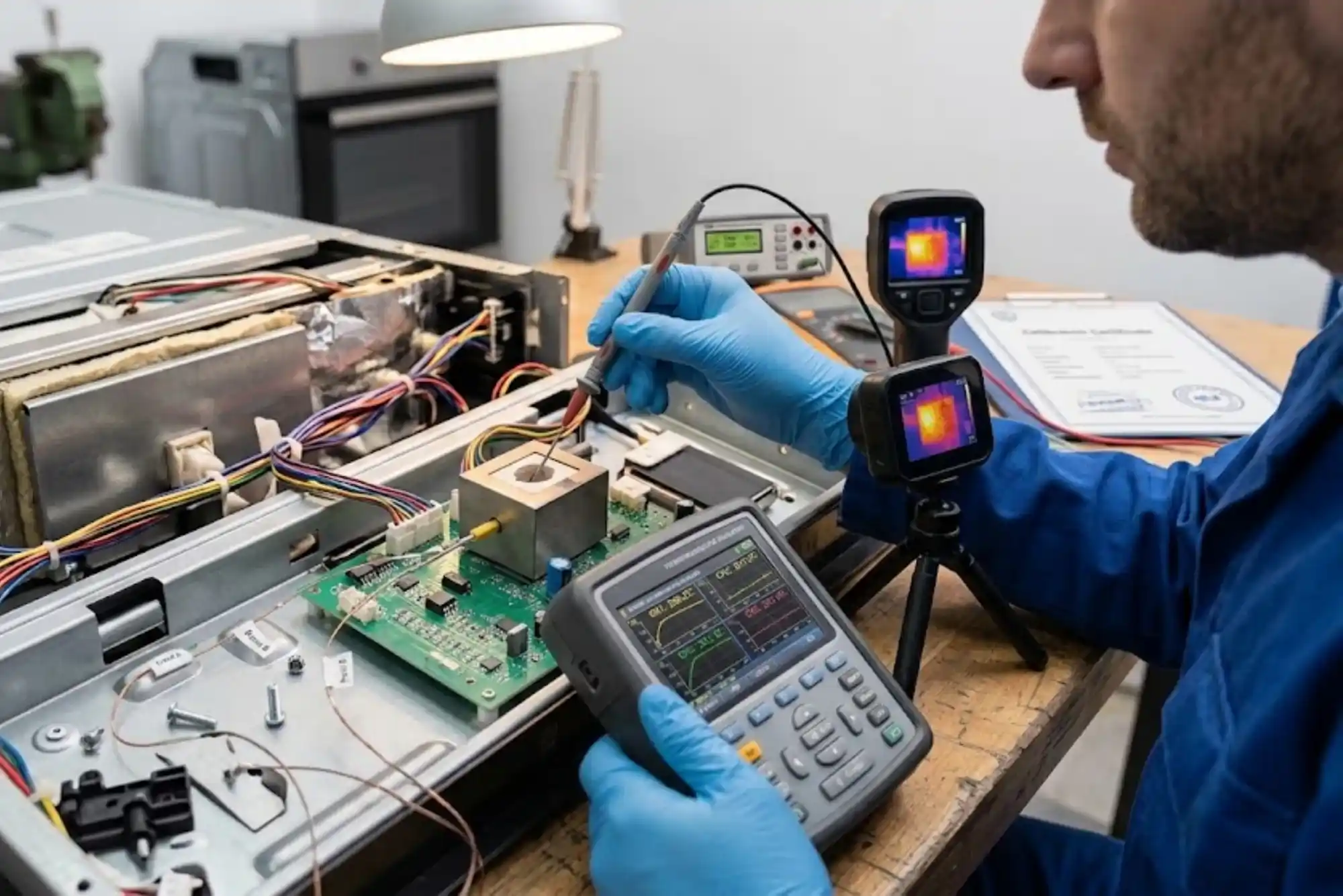
Professional technicians use advanced leak-detection tools to confirm the safety of every repair. Without such equipment, homeowners cannot accurately determine whether the oven is completely secure after a DIY fix. Attempting to save money on professional service can ironically lead to far greater financial losses, not to mention the catastrophic risk of property damage or personal injury.

Carbon Monoxide Poisoning
Another major hazard of DIY gas oven repair is exposure to carbon monoxide (CO). This colorless, odorless gas is produced when fuel burns incompletely, often due to faulty burners, improper ventilation, or damaged components. Because carbon monoxide is impossible to detect without specialized equipment, many households remain unaware of a problem until it is too late.
Symptoms of carbon monoxide exposure include headaches, dizziness, nausea, fatigue, and confusion. Prolonged exposure can result in serious illness or even death. When a gas oven is not properly repaired or calibrated, the chances of incomplete combustion increase significantly, making carbon monoxide poisoning a real and silent danger. Professional technicians not only repair faulty parts but also test for proper combustion and ventilation to prevent such risks.
Fire and Explosion Hazards
Gas is highly flammable, and even small errors during a repair can create conditions for a fire or explosion. For instance, if a connection is not sealed properly or if a pilot light is reignited incorrectly, escaping gas can ignite unexpectedly. Kitchens are already high-risk environments with frequent use of heat and open flames, making the presence of leaking gas even more hazardous.
DIY repairs often involve improvising tools, using non-standard parts, or skipping important safety checks. These shortcuts create dangerous conditions where a single spark can cause extensive damage. Professional service providers follow strict protocols to eliminate these risks and ensure that the appliance meets both manufacturer guidelines and local safety codes.
Voiding Warranties and Insurance Issues
Another overlooked risk of DIY gas oven repair is the potential impact on warranties and insurance claims. Most gas ovens come with manufacturer warranties that specifically require professional servicing. Attempting to fix the oven on your own can void these warranties, leaving you responsible for future repair or replacement costs.
Additionally, in the event of a fire or accident caused by improper DIY repair, insurance companies may refuse to cover the damages. They often investigate whether the appliance was serviced correctly and in compliance with safety standards. By skipping professional repair, homeowners may unintentionally leave themselves unprotected financially when disaster strikes.
Long-Term Costs of DIY Repairs
Many homeowners attempt DIY repairs as a cost-saving measure, but in reality, this approach often leads to higher expenses in the long run. An untrained repair may fix a surface-level issue temporarily while ignoring underlying problems. Over time, the appliance may suffer further damage, requiring more extensive repairs or even full replacement.
Furthermore, the costs associated with accidents—medical bills, property repairs, or insurance disputes—far outweigh the initial savings of avoiding professional service. By hiring a qualified technician from the start, homeowners can ensure the problem is resolved correctly, prolong the lifespan of the oven, and avoid unnecessary expenses.
Why Professional Gas Oven Repair Matters
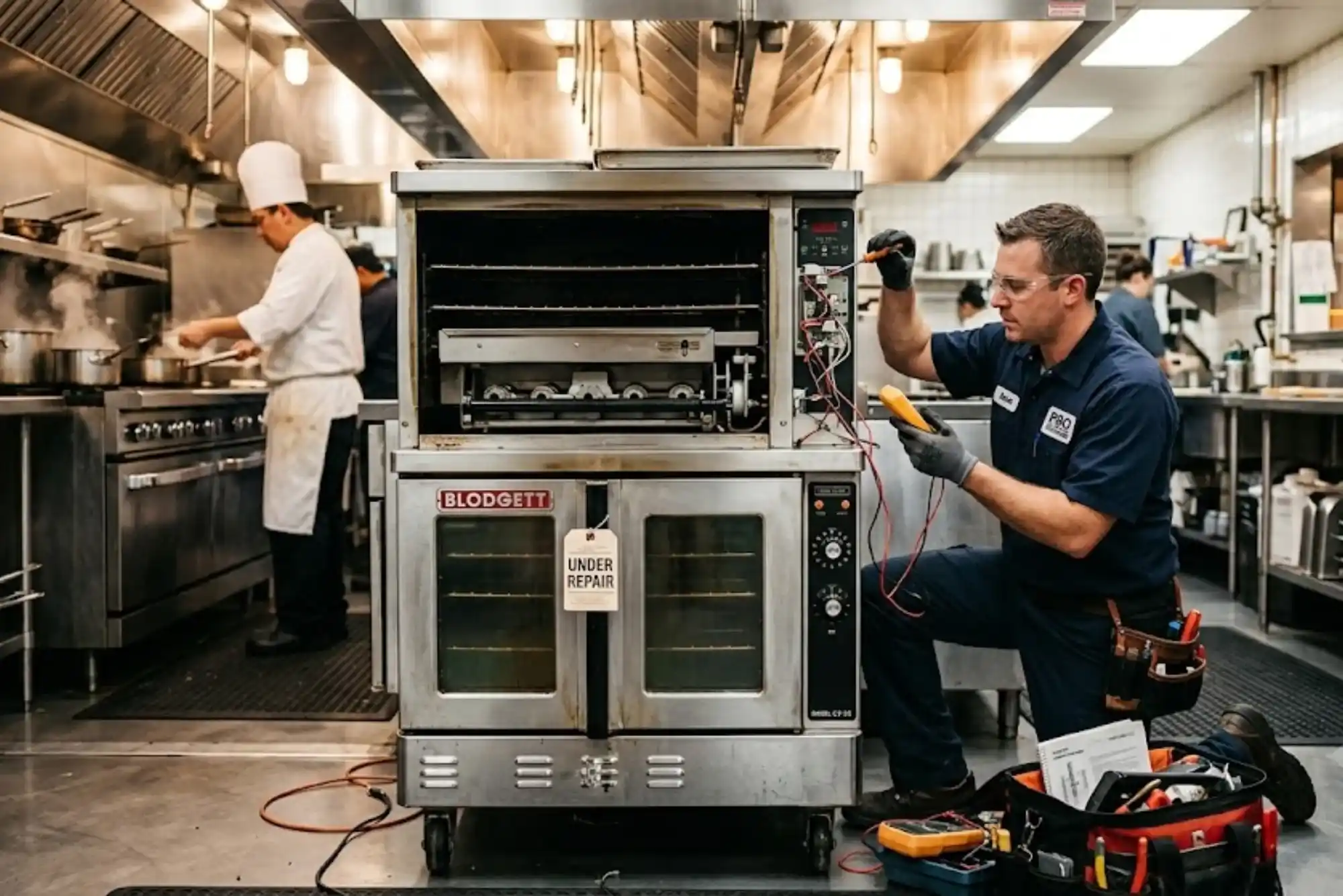
Professional technicians bring more than just technical skills to the table. They have access to specialized tools, diagnostic equipment, and genuine replacement parts that guarantee both safety and performance. They are trained to follow manufacturer specifications and ensure compliance with safety codes. Beyond the technical aspects, professionals also provide peace of mind. Knowing that your gas oven has been serviced properly allows you to use it with confidence, without worrying about hidden leaks, poor ventilation, or carbon monoxide hazards.
In addition, professional repair services often include routine inspections, which can identify and fix minor issues before they escalate into serious hazards. This proactive approach not only enhances safety but also improves efficiency, ensuring that your oven operates at its best while consuming less energy.
Building a Culture of Safety at Home
Safety in the home is not only about reacting to emergencies but also about making wise choices that prevent risks. Attempting to repair a gas oven without training undermines this principle and exposes families to avoidable dangers. Building a culture of safety means recognizing when professional expertise is essential and choosing the responsible path, even if it involves an upfront cost.
For homeowners, the priority should always be the health and well-being of their families, not short-term savings. By entrusting gas oven repair to qualified professionals, households can maintain a safe kitchen environment, avoid health hazards, and preserve the integrity of their appliances.
The temptation to attempt DIY gas oven repair is understandable, especially for those who enjoy solving problems on their own or want to save money. However, the risks far outweigh the benefits. Gas ovens are complex appliances that involve dangerous elements such as pressurized fuel, ignition systems, and ventilation requirements. Mistakes in handling them can lead to gas leaks, carbon monoxide poisoning, fires, or even explosions.
What may start as a small repair project can quickly turn into a life-threatening situation if not handled properly. Beyond safety concerns, DIY repairs can void warranties, cause insurance complications, and lead to higher costs in the long run.