Commercial kitchens rely heavily on dishwashers to keep operations efficient, hygienic, and compliant with health standards. Whether it’s a busy restaurant, hotel, catering service, or institutional kitchen, a commercial-grade dishwasher works tirelessly every day to sanitize hundreds of dishes, glasses, and utensils within minutes. Unlike household dishwashers, these machines are built for speed, volume, and reliability. However, their durability does not mean they can be ignored when it comes to care. Proper maintenance is essential not only for extending the lifespan of the equipment but also for ensuring consistently clean results and avoiding expensive breakdowns.
Maintaining a commercial-grade dishwasher involves more than just pressing the start button and refilling detergent. From daily cleaning routines to scheduled professional servicing, every step contributes to the long-term efficiency of the unit. In this article, we will explore how to maintain commercial-grade dishwashers effectively, the reasons behind each maintenance practice, and the benefits of adopting a proactive approach in managing your kitchen’s most valuable appliance.
Understanding the Role of a Commercial Dishwasher
Commercial dishwashers differ from domestic models in many ways. They are designed to handle higher volumes, often completing wash cycles in under two minutes. They use stronger water jets, specialized detergents, and higher rinse temperatures to meet food safety standards. For businesses, this machine is not just a convenience but a necessity to keep operations smooth during peak hours.
Because of this heavy workload, a commercial dishwasher endures constant exposure to water, heat, detergent, and food particles. Without maintenance, the machine can quickly suffer from scale buildup, clogged spray arms, or pump damage. Understanding the role of this appliance highlights why preventive care is critical. A dishwasher breakdown in the middle of service can lead to delays, unhappy customers, and possible health violations.
Daily Cleaning and Care
A commercial dishwasher should be treated as part of the daily closing routine. After the last load has been processed, it is vital to drain the machine, remove food debris, and rinse out filters. Failing to do so allows food particles, grease, and detergent residue to accumulate, which eventually affects performance. Spray arms, which are responsible for distributing water evenly, should be checked and rinsed to ensure there are no blockages. Even a small obstruction can compromise wash quality.
Equally important is wiping down the interior surfaces to prevent buildup. Many operators overlook the rubber gaskets and seals, which can collect grime and harbor bacteria if neglected. By taking just a few minutes at the end of the day, the dishwasher is kept fresh, hygienic, and ready for the next shift.

Water Quality and Scale Prevention
One of the biggest threats to a commercial dishwasher is scale buildup caused by hard water. When water contains high levels of calcium and magnesium, these minerals crystallize on heating elements, spray nozzles, and the interior surfaces of the machine. Over time, scale reduces the efficiency of the heating system, increases energy consumption, and shortens the machine’s lifespan.
To prevent this, many commercial dishwashers are fitted with water softeners or filtration systems. Regularly checking and maintaining these systems is essential. Operators should ensure that salt levels in water softeners are adequate and filters are changed according to manufacturer recommendations. By managing water quality, the dishwasher can deliver consistent cleaning power and reduce the risk of costly descaling procedures.
The Importance of Detergent and Rinse Aids
The choice of detergent and rinse aid also plays a major role in dishwasher maintenance. Commercial dishwashers require specialized cleaning agents designed to break down grease and sanitize dishes at high temperatures. Using low-quality or incompatible detergents can lead to poor wash results, chemical damage to the machine, or buildup inside the pipes and spray arms.
Rinse aids are equally important because they reduce water spotting and help dishes dry quickly. If the dispenser is not properly filled, operators may notice streaks, film, or dull finishes on glassware. Regularly checking the detergent and rinse aid levels ensures the dishwasher not only functions correctly but also meets customer expectations for spotless tableware.
Scheduled Professional Servicing
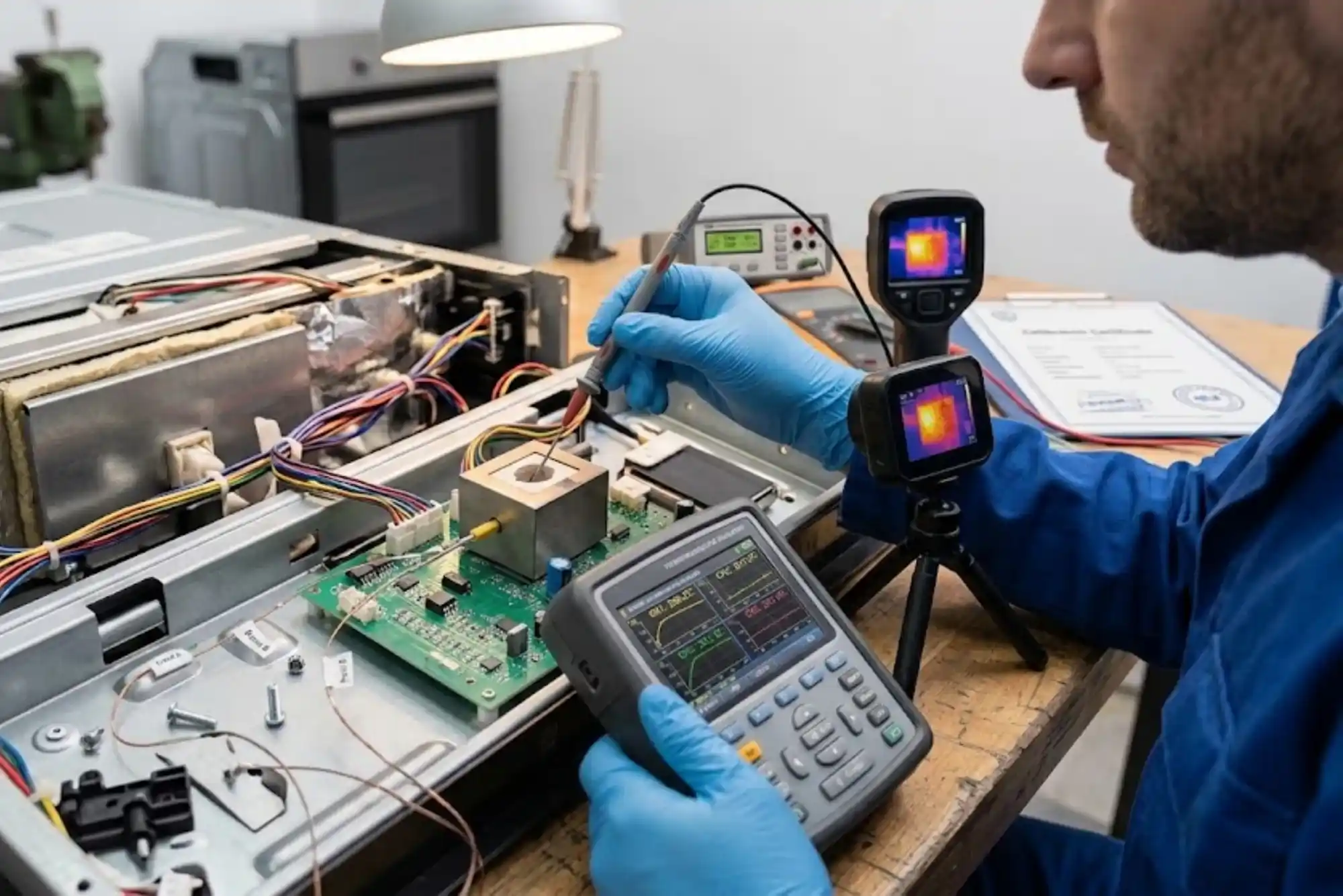
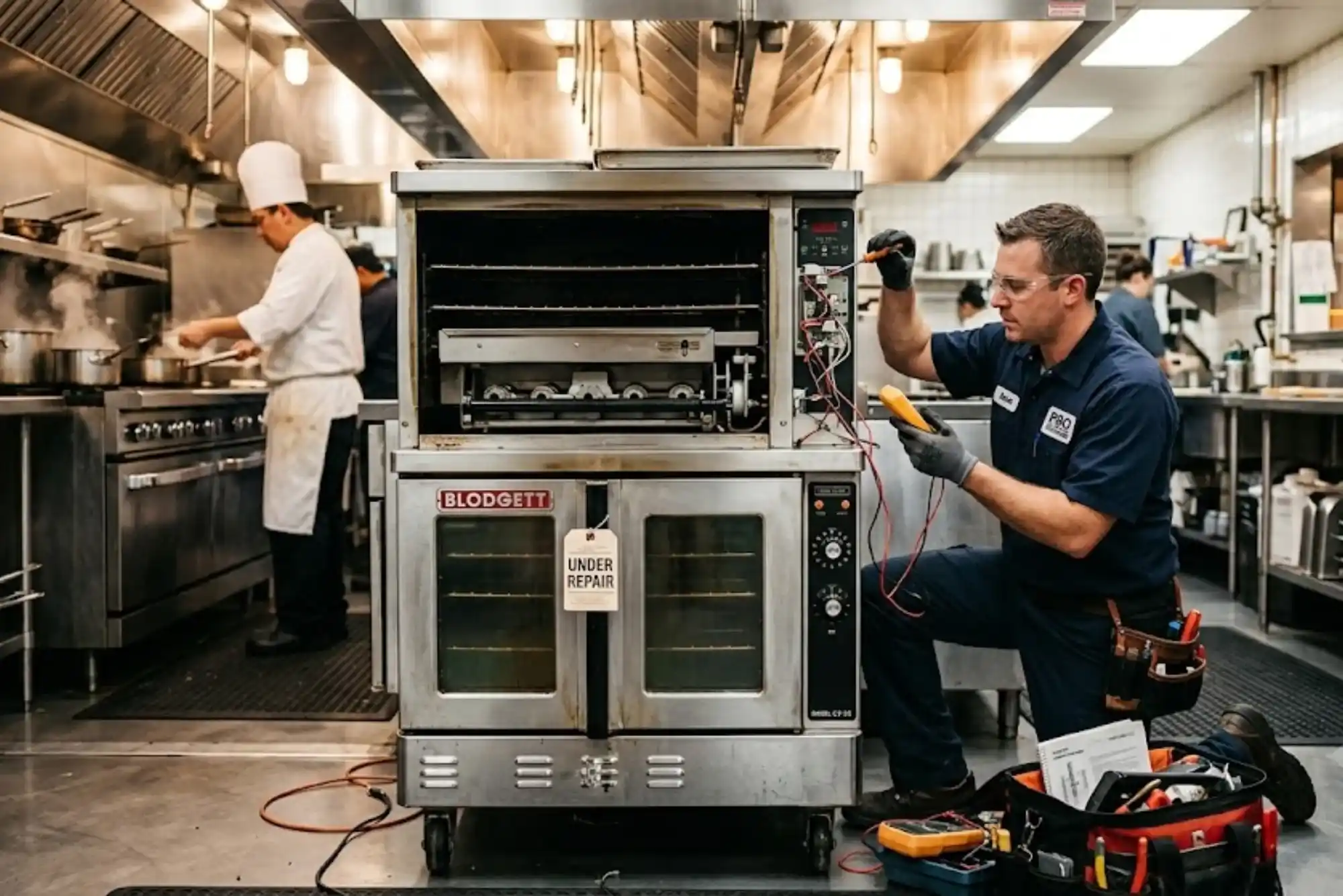
While daily cleaning and care are the responsibility of kitchen staff, commercial dishwashers also require professional servicing at regular intervals. Qualified technicians can perform in-depth inspections, check electrical components, test water temperatures, and identify wear and tear before it turns into a breakdown. Pumps, valves, and heating elements are all parts that experience strain during daily use and may need adjustment or replacement.
Scheduling professional maintenance every few months minimizes downtime and extends the machine’s operational life. It also ensures compliance with health regulations, as inspectors often check whether dishwashers are operating at the correct sanitizing temperatures. A well-maintained machine not only protects your investment but also safeguards the reputation of your business.
Energy and Cost Efficiency
Another benefit of proper maintenance is cost savings. A poorly maintained dishwasher consumes more electricity, water, and detergent. Scale buildup forces heating elements to work harder, while clogged nozzles reduce wash effectiveness, requiring dishes to be washed multiple times. By contrast, a well-maintained dishwasher runs efficiently, completing cycles faster and using fewer resources.
Businesses that prioritize preventive care often notice a reduction in utility bills and chemical usage. Over the course of a year, these savings can be significant, adding to overall profitability. Maintaining the dishwasher is therefore not just about avoiding repairs—it is a strategy for financial efficiency.
Hygiene and Compliance
In the foodservice industry, hygiene is non-negotiable. Health inspectors expect commercial dishwashers to sanitize effectively, ensuring that dishes are free from harmful bacteria. If a machine is not properly maintained, it may fail to reach the necessary rinse temperatures or distribute detergent evenly. This not only risks failing an inspection but also exposes customers to potential health hazards.
By keeping the dishwasher in peak condition, businesses can confidently demonstrate compliance with food safety standards. A clean machine also prevents unpleasant odors that can arise when filters or drains are neglected. Ultimately, good maintenance practices reflect a commitment to both staff safety and customer satisfaction.
Signs of Neglect
Understanding the warning signs of poor maintenance can help operators act before problems escalate. Cloudy glasses, greasy plates, or food residue after a wash cycle indicate that the machine is not performing correctly. Strange noises, leaks, or extended cycle times are also red flags that require attention. Ignoring these signs can lead to sudden breakdowns, which are not only costly to repair but also disruptive to operations.
Recognizing issues early allows staff to take corrective measures, such as cleaning spray arms, checking detergent levels, or calling for professional service. Staying alert to these signals is part of responsible dishwasher care.
Training Kitchen Staff
One of the most effective ways to ensure consistent dishwasher maintenance is through staff training. Since multiple people may operate the machine in a busy kitchen, it is important that everyone understands the correct procedures. Staff should be instructed on how to load dishes properly, how to run daily cleaning routines, and how to check chemical levels.
A trained team reduces the risk of misuse and ensures that small issues are addressed before they become serious. Investing time in training pays off in fewer breakdowns, lower repair costs, and better overall performance.
Long-Term Benefits of Maintenance
The long-term benefits of maintaining commercial-grade dishwashers extend beyond just equipment longevity. A well-cared-for machine improves kitchen efficiency, keeps operating costs low, and upholds hygiene standards. It also reduces stress for staff, as they can rely on the dishwasher to perform consistently even during the busiest service hours.
For business owners, preventive maintenance means peace of mind. Instead of worrying about unexpected breakdowns or high repair bills, they can focus on running their business and serving customers. Proper dishwasher care is therefore not an optional task but a critical responsibility in professional foodservice management.
Commercial-grade dishwashers are indispensable assets in any professional kitchen, but they must be maintained to deliver reliable performance. Through daily cleaning, attention to water quality, the correct use of detergents, scheduled professional servicing, and proper staff training, businesses can extend the lifespan of their machines and reduce operational costs.