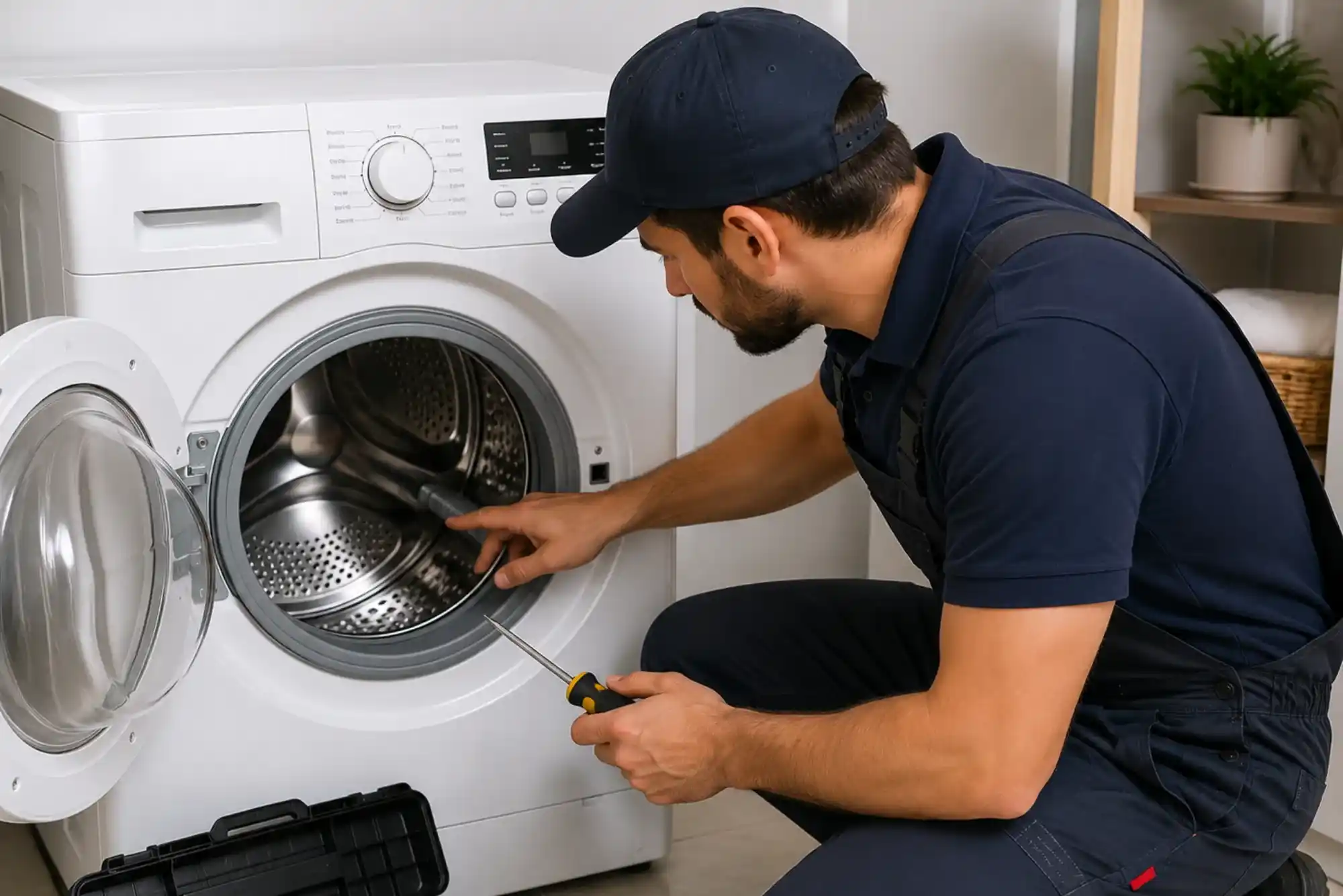
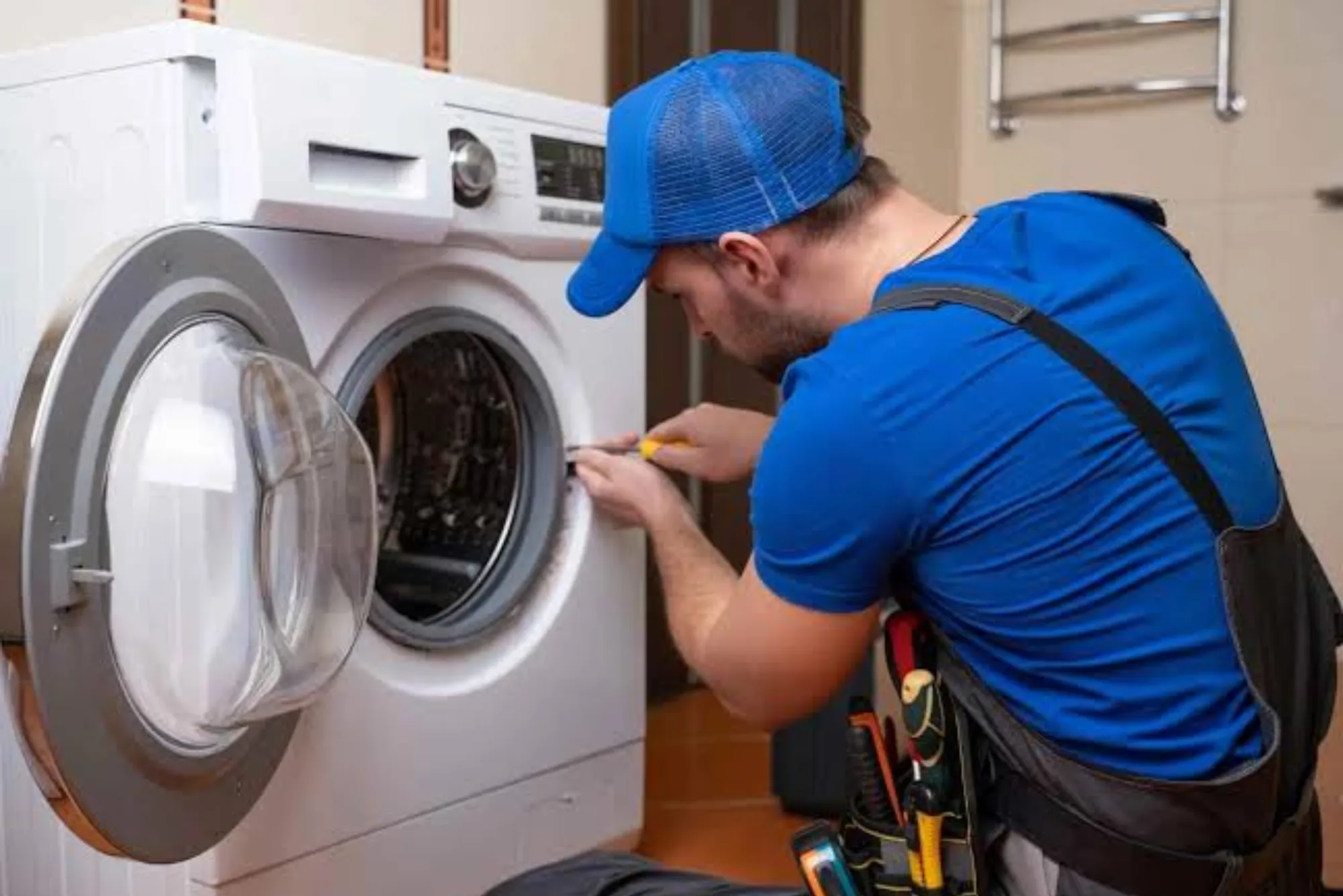
A dishwasher is one of the most relied-upon appliances in any modern household. It saves time, ensures proper sanitation, and takes away the hassle of scrubbing dishes by hand. Like all appliances, however, it can face occasional problems that affect its performance.
One of the most critical components in a dishwasher is the motor, as it powers the pump that circulates water, drives the spray arms, and ensures that dishes come out clean. When the motor begins to malfunction, the entire cleaning process is disrupted, leading to poor wash quality or complete breakdowns. Understanding how to troubleshoot dishwasher motor issues can help homeowners identify the root cause of the problem before calling for professional help.
Why the Dishwasher Motor Matters
The motor is essentially the heart of the dishwasher. It ensures water is pushed through the spray arms with enough pressure to remove grease, food particles, and stains. Without a functioning motor, a dishwasher cannot complete its cleaning cycle. In many modern dishwashers, the motor is connected to both the circulation pump and the drain pump. The circulation pump motor is responsible for moving water inside the unit, while the drain pump motor ensures dirty water is removed after each cycle. Any issue with these motors will affect the dishwasher’s performance, making it crucial to detect and fix problems at an early stage.
Recognizing Early Signs of Motor Issues
The first step in troubleshooting is knowing when the motor is failing. A dishwasher motor rarely stops working overnight without giving warning signals. One of the most noticeable signs is unusual noise during operation. Instead of the familiar hum, you might hear grinding, buzzing, or rattling sounds. These noises often indicate worn bearings or obstructions inside the pump. Another indicator is water not circulating properly, leading to half-cleaned dishes. You may also notice water pooling at the bottom of the unit if the drain pump motor fails. In some cases, the dishwasher may stop mid-cycle or fail to start, which can be linked to an electrical fault within the motor.
Common Causes of Dishwasher Motor Problems
Motor issues can arise from different factors, and identifying the cause is essential for effective troubleshooting. Age is a major factor since motors, like any mechanical part, wear out over time. Electrical issues such as faulty wiring, damaged relays, or power surges can also cause the motor to malfunction. Another common reason is blockage from food particles, soap residue, or hard water deposits, which can restrict the motor’s movement. In some situations, overheating due to continuous heavy loads can damage internal windings. Dishwashers that are not serviced regularly also accumulate debris, which increases strain on the motor and reduces its lifespan.
Troubleshooting Noisy Dishwasher Motors
Noise is often the most common symptom that alerts homeowners to motor trouble. If the dishwasher produces a grinding sound, it usually means debris is stuck inside the pump housing. In such cases, turning off the appliance and carefully inspecting the pump area can reveal whether food scraps, broken glass, or hard water buildup is the culprit. A loud humming sound without water circulation, on the other hand, may indicate that the motor is trying to turn but is jammed. If the sound is more like a rattling or knocking, worn-out bearings or a loose impeller may be responsible. While some noises can be fixed by cleaning, persistent loud sounds often mean the motor is nearing the end of its service life.

When the Dishwasher Fails to Start
Sometimes, the issue appears more serious when the dishwasher motor issues refuses to start at all. If the dishwasher receives power but does not run, the motor may be burnt out. To troubleshoot this, it’s important to rule out other possibilities first. Problems with the door latch, control board, or fuse can mimic motor failure. However, if you hear a faint clicking noise without water circulation, chances are the motor’s electrical components are faulty. In these cases, a professional inspection is required to confirm whether the motor can be repaired or needs replacement.
Dealing with Poor Cleaning Performance
One of the clearest signs of motor trouble is poor cleaning performance. If dishes come out dirty despite using the right detergent and loading method, the issue could lie in weak water circulation. A failing circulation pump motor will not generate enough pressure to move water effectively through the spray arms. In this situation, you may notice that only dishes on one rack are partially clean while the others remain dirty. Running a cleaning cycle with a dishwasher-safe cleaner can sometimes clear blockages, but if performance remains poor, the motor is most likely underperforming due to wear or electrical failure.
Water Not Draining Properly
Another issue linked to motor performance is improper drainage. If dirty water remains at the bottom after a cycle, the drain pump motor may not be functioning correctly. This can happen when the motor’s impeller is damaged, or the motor itself has lost power. Before concluding that the motor is at fault, it’s wise to check for clogs in the drain hose, filter, or sink connection. If these areas are clear but the dishwasher still fails to drain, the problem lies in the pump motor, which may need servicing or replacement.
Electrical Troubleshooting for Dishwasher Motors
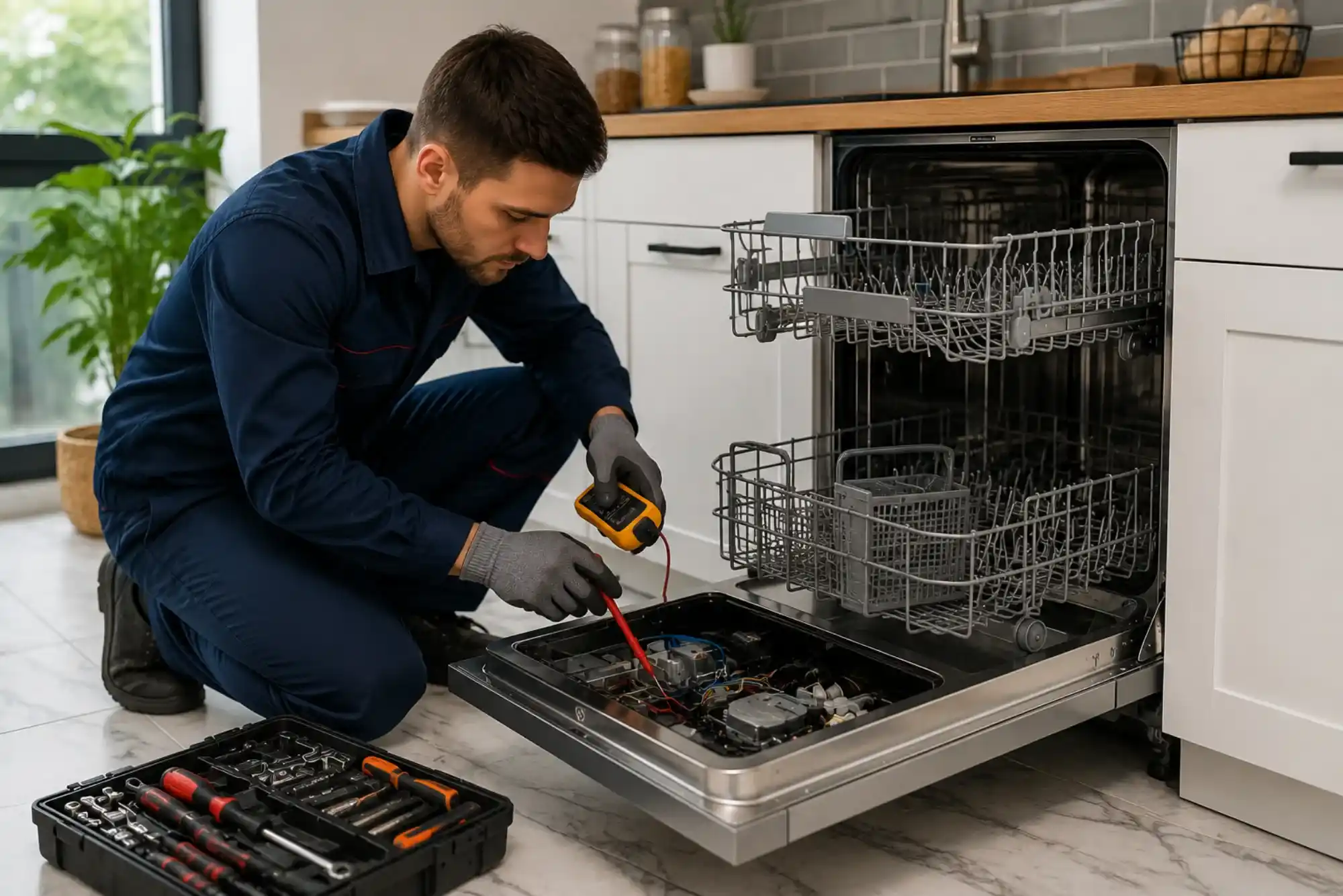
Sometimes, the motor itself is not mechanically damaged but fails due to electrical issues. Checking the wiring connections is an important step in troubleshooting. Loose or corroded wires can disrupt the flow of electricity, causing the motor to stop functioning intermittently. Another possibility is a defective capacitor, which helps start the motor. A faulty capacitor may result in the motor humming but not spinning. If you have experience handling electrical components, you may test the continuity of the motor using a multimeter. However, given the risks of electrical shock, it is safer for most homeowners to call a qualified technician for this step.
Preventing Motor Problems with Proper Care
The best way to avoid motor issues is through preventive maintenance. Regular cleaning of the filters, spray arms, and pump area helps prevent blockages that put unnecessary strain on the motor. Running a monthly cleaning cycle with a descaling solution can protect against hard water buildup. Avoiding overloading the dishwasher also ensures the motor does not work harder than necessary. Additionally, repairing minor issues such as leaks or unusual noises immediately can prevent more serious damage from developing. With consistent maintenance, a dishwasher motor can last many years without major problems.
When to Call a Professional
While some troubleshooting steps such as cleaning blockages or checking filters can be done at home, diagnosing and repairing motor issues often requires professional expertise. Motors are complex components connected to both electrical and mechanical systems. Attempting to disassemble or repair them without proper tools can lead to further damage or safety hazards. If you suspect your dishwasher motor is faulty, it is best to contact a qualified repair technician. A professional can determine whether the motor can be repaired or if a replacement is the more cost-effective solution.
The Cost of Motor Repairs vs. Replacement
One concern homeowners have when dealing with motor issues is cost. Repairing a motor can sometimes be cheaper if the problem is minor, such as a faulty capacitor or minor blockage. However, in cases where the motor is severely worn out or burnt, replacement is usually recommended. The cost of a new motor varies depending on the dishwasher brand and model. While replacement may seem expensive, it often extends the life of the appliance significantly. Deciding between repair and replacement requires weighing the dishwasher’s age, overall condition, and future reliability.
Troubleshooting dishwasher motor issues is a process that requires careful observation, patience, and sometimes professional help. From strange noises to poor cleaning performance and drainage failures, the symptoms often point to motor trouble. Understanding these signs allows homeowners to take action early, preventing further damage and extending the appliance’s life.
With regular maintenance and timely repairs, a dishwasher motor can continue to deliver efficient cleaning performance for years. When problems arise, knowing when to attempt simple fixes and when to call a technician makes all the difference in restoring your dishwasher’s reliability.