Upgrading Your AC for High Humidity Climates
If you’ve ever lived through a summer in a high humidity area, you already know it’s not just the heat that gets to you—it’s that sticky, damp air that makes everything feel heavier, sweat linger longer, and your home just a little less comfortable. I’ve spent years in regions where the humidity is so high that even freshly washed clothes take forever to dry indoors. Through trial, error, and a few regrettable AC purchases, I’ve learned that not all air conditioners are created equal when it comes to battling moisture.
Upgrading your AC for high humidity climates is more than a luxury—it’s a necessity for comfort, health, and even protecting your home from damage. In this article, I’ll walk you through why humidity makes cooling so challenging, how modern AC units tackle the problem, and what you should look for if you’re ready to invest in an upgrade.
Why Humidity Is the Real Culprit Behind Summer Discomfort
Before we dive into AC upgrades, let’s talk about why humidity feels so suffocating. Humidity is simply the amount of water vapor in the air. In high-humidity environments, your sweat doesn’t evaporate as quickly, which is your body’s natural cooling mechanism. That’s why 85°F with 70% humidity feels far worse than 95°F with 30% humidity—it’s not just psychological; it’s pure physics.
Indoors, excessive humidity can cause more than discomfort. It can lead to mold growth, warped wooden furniture, peeling paint, and even affect your electronics. Many homeowners think their AC’s main job is to cool the air, but in a humid climate, one of its most critical functions is actually dehumidification.
If your AC can’t handle moisture properly, you’ll end up with a home that’s cold but clammy—a combination that’s just as unpleasant as a hot, muggy room.
How Standard AC Units Handle Humidity
All air conditioners naturally remove some moisture from the air during the cooling process. When warm, humid indoor air passes over the cold evaporator coil, water vapor condenses and drains away. The problem is, Post Category, in high humidity climates, standard units often aren’t powerful or efficient enough to keep up.

Some homeowners try to solve this by setting the thermostat lower, thinking that colder air will feel better. Unfortunately, this often makes the problem worse—it cools the air quickly without running long enough to remove enough moisture. The result? Chilled, damp air that sticks to your skin.
This is why upgrading your AC for high humidity climates isn’t about more power alone—it’s about better moisture management.
Features to Look for When Upgrading Your AC for Humidity Control
When I replaced my old AC a few summers ago, I discovered that the models designed for humid regions have specific features that make a world of difference. If you’re considering an upgrade, keep these in mind.
First, look for a unit with variable-speed or multi-stage cooling. Instead of blasting cold air in short bursts, these systems adjust their speed to run longer at lower power, giving them more time to pull moisture from the air. This alone can make your home feel more comfortable without dropping the thermostat to arctic levels.
Another game-changer is an AC with dedicated humidity control settings. Some modern systems allow you to set a target humidity percentage—usually between 40% and 50%—so the unit runs specifically to achieve that level, even if the temperature is already where you want it.
You’ll also want to consider energy efficiency. A high-efficiency AC with a good SEER2 rating not only saves you money on energy bills but often comes with better coil designs and airflow management that aid in dehumidification.
And if you’re really serious about keeping your home dry, look for AC systems that can be paired with a whole-house dehumidifier. This combo works wonders in climates where humidity stays above 60% for long stretches of the year.
The Role of Proper Sizing and Installation
One of the most common mistakes people make when buying an AC is thinking bigger means better. In humid climates, an oversized AC can be a disaster. It cools the air so quickly that it barely has time to remove moisture before shutting off, leaving you with a cold but damp environment.
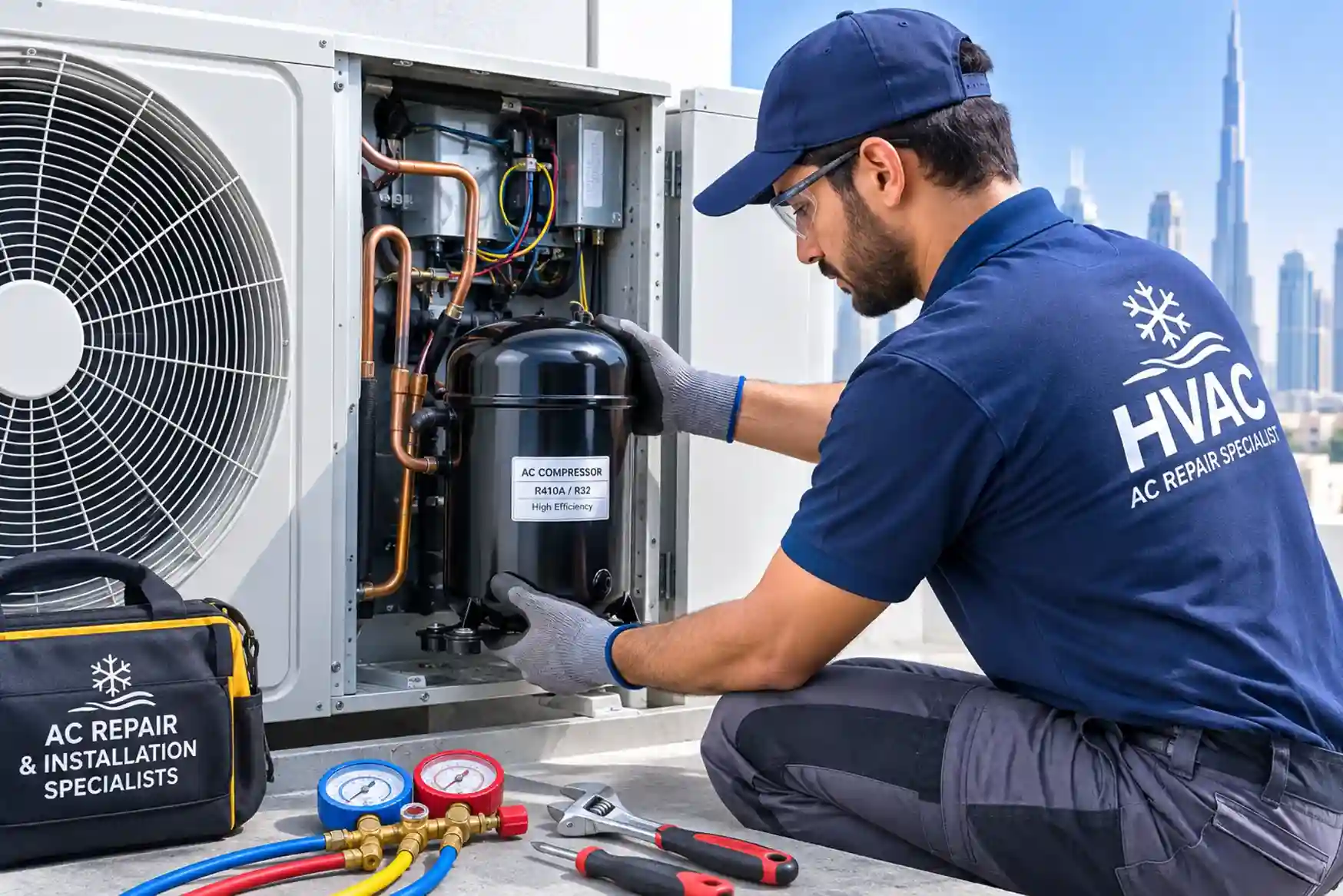
When I upgraded my system, the HVAC technician performed a Manual J load calculation—basically a detailed assessment of my home’s size, insulation, windows, and other factors—to find the exact capacity I needed. The difference in comfort was night and day. My home now stays consistently cool and dry, even during peak humidity weeks.
Maintenance: The Unsung Hero of Humidity Control
Even the best AC for high humidity climates won’t perform well if it’s neglected. Over time, dust buildup on coils and filters can reduce airflow and limit the system’s ability to pull moisture from the air. I make it a point to replace my filters every 1–2 months during heavy use and schedule a professional maintenance check at least once a year.
If you notice that your AC is running longer than usual without really making a dent in humidity, it could be a sign that the evaporator coil needs cleaning or that the condensate drain line is clogged. Both are fixable issues but can drastically impact performance if ignored.
Considering a Heat Pump in Humid Regions
If you’re in the market for a full system replacement, don’t overlook the heat pump option. Modern heat pumps, especially those designed for humid climates, can be incredibly efficient and offer both cooling and heating in one unit. Many have advanced humidity controls built in, making them ideal for places with mild winters but long, wet summers.
When I switched to a variable-speed heat pump, I was skeptical about whether it could handle both my cooling and dehumidification needs. After two years of use, I can honestly say it’s one of the best home upgrades I’ve made—it runs quietly, keeps my indoor humidity around 45%, and has cut my electric bill significantly.
Real-World Example: From Clammy to Comfortable
A friend of mine in coastal Florida had an older AC that struggled every summer. Even with the thermostat set to 72°F, the indoor humidity hovered around 65%, making the house feel damp and uncomfortable. She upgraded to a high-efficiency, variable-speed AC with a built-in humidity control setting. Within days, her indoor humidity dropped to a consistent 48%, and she could keep the thermostat at 75°F without sacrificing comfort.
The difference wasn’t just about how the air felt—it also helped protect her hardwood floors from swelling and reduced the musty smell in her closets. This is a perfect example of how the right AC upgrade can improve both comfort and home preservation.
The Payoff of an AC Upgrade in Humid Climates
While upgrading your AC for high humidity climates is an investment, the payoff comes in many forms: better comfort, healthier indoor air, protection for your home and belongings, and even lower energy bills if you choose an efficient model.
I’ve seen far too many homeowners try to get by with a system that’s simply not designed for their environment, and the result is years of unnecessary discomfort. If you’re living in a humid region and your AC isn’t keeping the air dry and cool, it’s worth exploring your options.
Final Thoughts
Upgrading your AC for a high humidity climate isn’t just about buying a bigger unit—it’s about finding the right technology, proper sizing, and professional installation that work together to keep your home comfortable all summer long. When you choose a system with humidity control features, variable speed operation, and efficient performance, you’re not just cooling your home—you’re creating a healthier, more enjoyable living environment.