If you’ve ever faced the frustration of your air conditioner failing in the middle of summer, you know exactly how important regular maintenance is. But here’s the surprising truth—sometimes it’s not just lack of maintenance that causes trouble, it’s the wrong kind of maintenance. Over the years, I’ve seen countless homeowners unintentionally shorten the life of their AC systems simply by making avoidable mistakes.
I’ve learned from both my personal experiences and working closely with HVAC technicians that good air conditioner maintenance is a blend of the right timing, the right methods, and the right mindset. Unfortunately, too many people focus on quick fixes rather than long-term care. So, let’s walk through the top 10 AC maintenance mistakes you should avoid if you want to enjoy efficient cooling, lower energy bills, and fewer costly repairs.
Neglecting Regular Filter Changes
It’s incredible how such a small, inexpensive part can have such a huge impact on your AC’s performance. Your AC filter traps dust, pollen, and debris before they can clog the system. But when that filter gets dirty, your unit has to work much harder to push air through. Not only does this reduce efficiency, it also strains the motor and can lead to overheating.
Many people wait until the air feels dusty or the cooling seems weak before checking their filter—but by then, the damage may already be done. A good rule of thumb is to replace or clean your filter every 1–3 months, depending on usage and whether you have pets or allergy concerns. This simple habit can make a major difference in your AC’s lifespan and performance.
Skipping Professional Tune-Ups
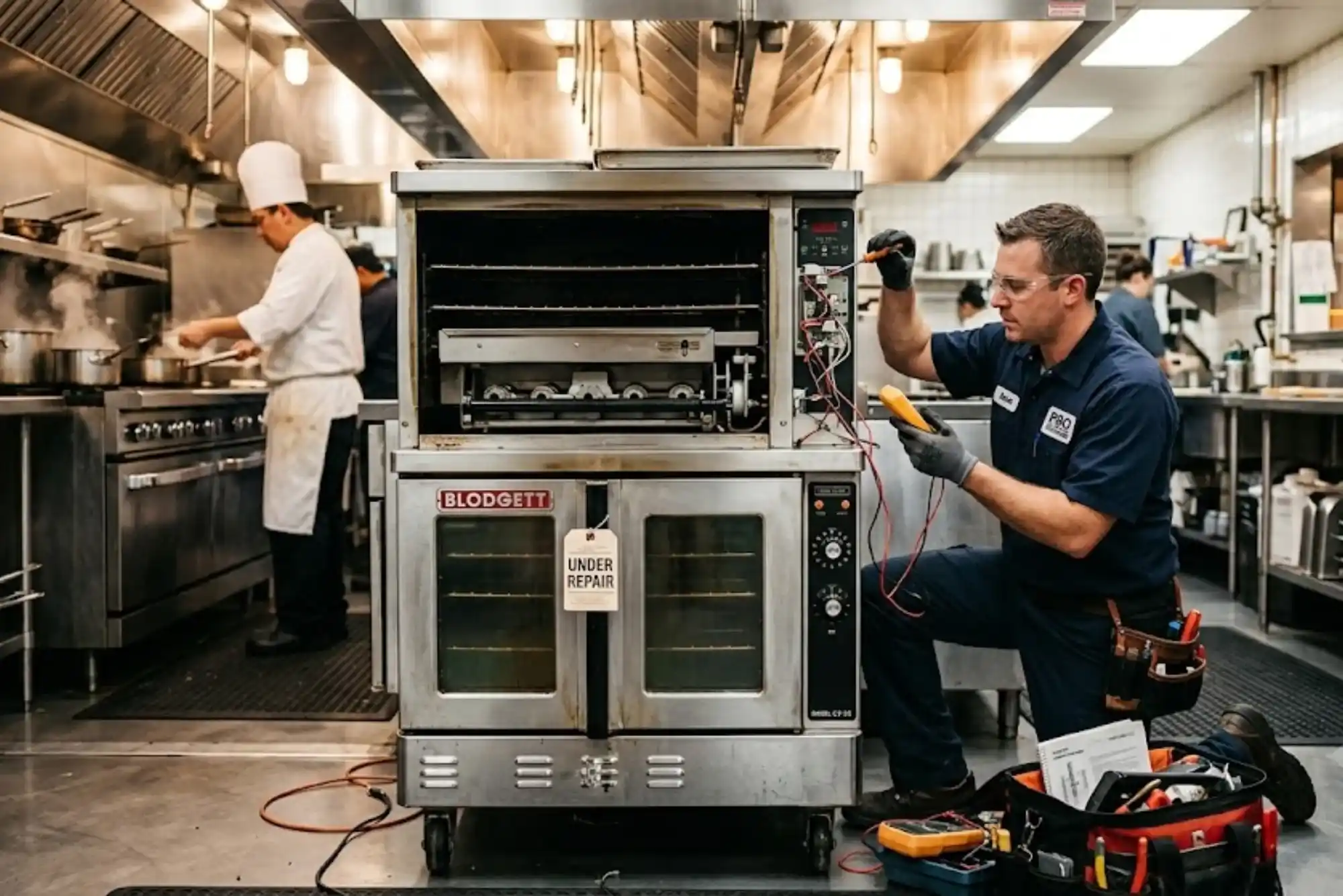
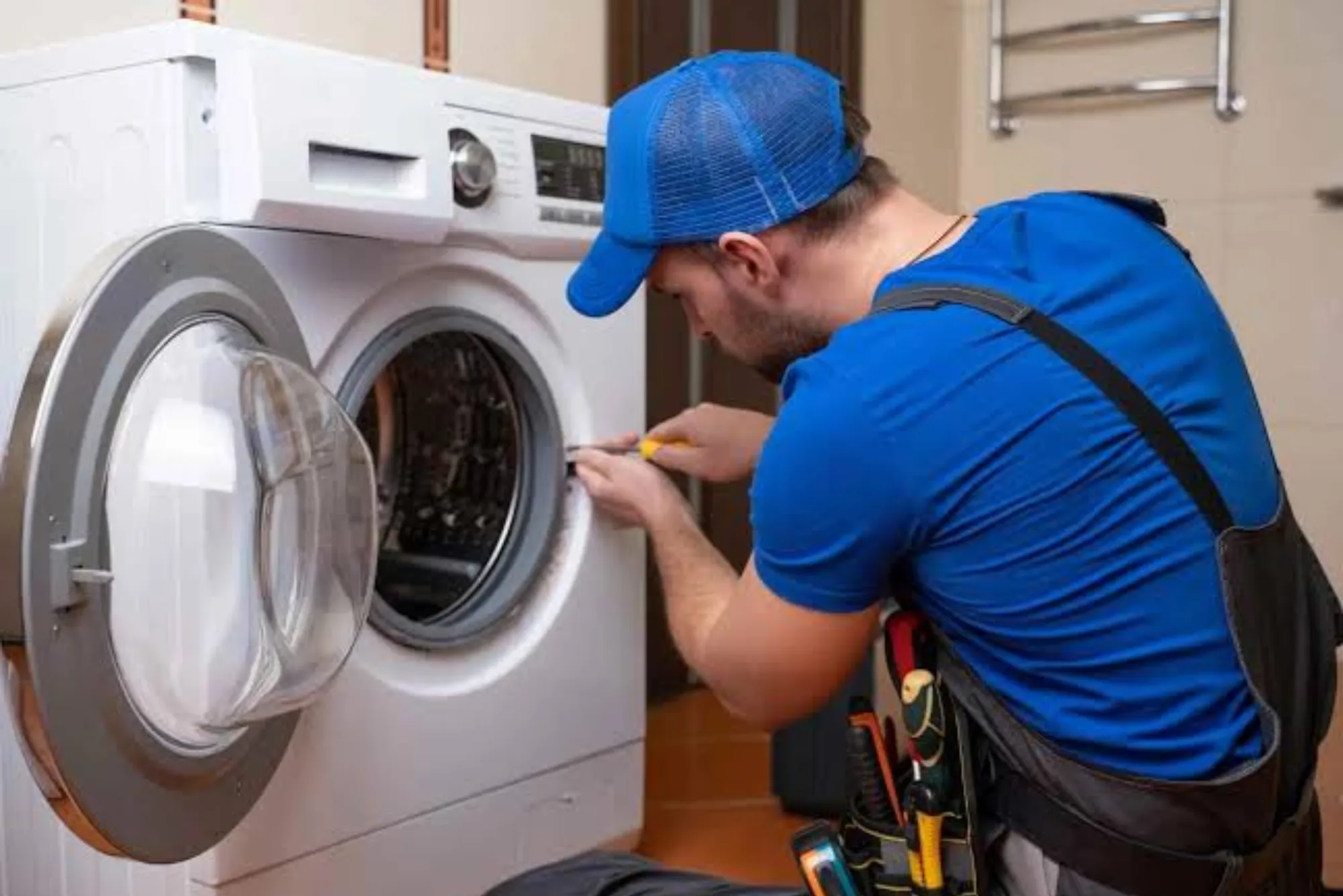
I know what you might be thinking: “Why call a technician if my AC is working fine?” Here’s the thing—your air conditioner might seem fine on the surface, but a trained HVAC professional can spot hidden problems before they turn into expensive emergencies. Skipping annual tune-ups is like never visiting a doctor for a checkup until you’re seriously ill.
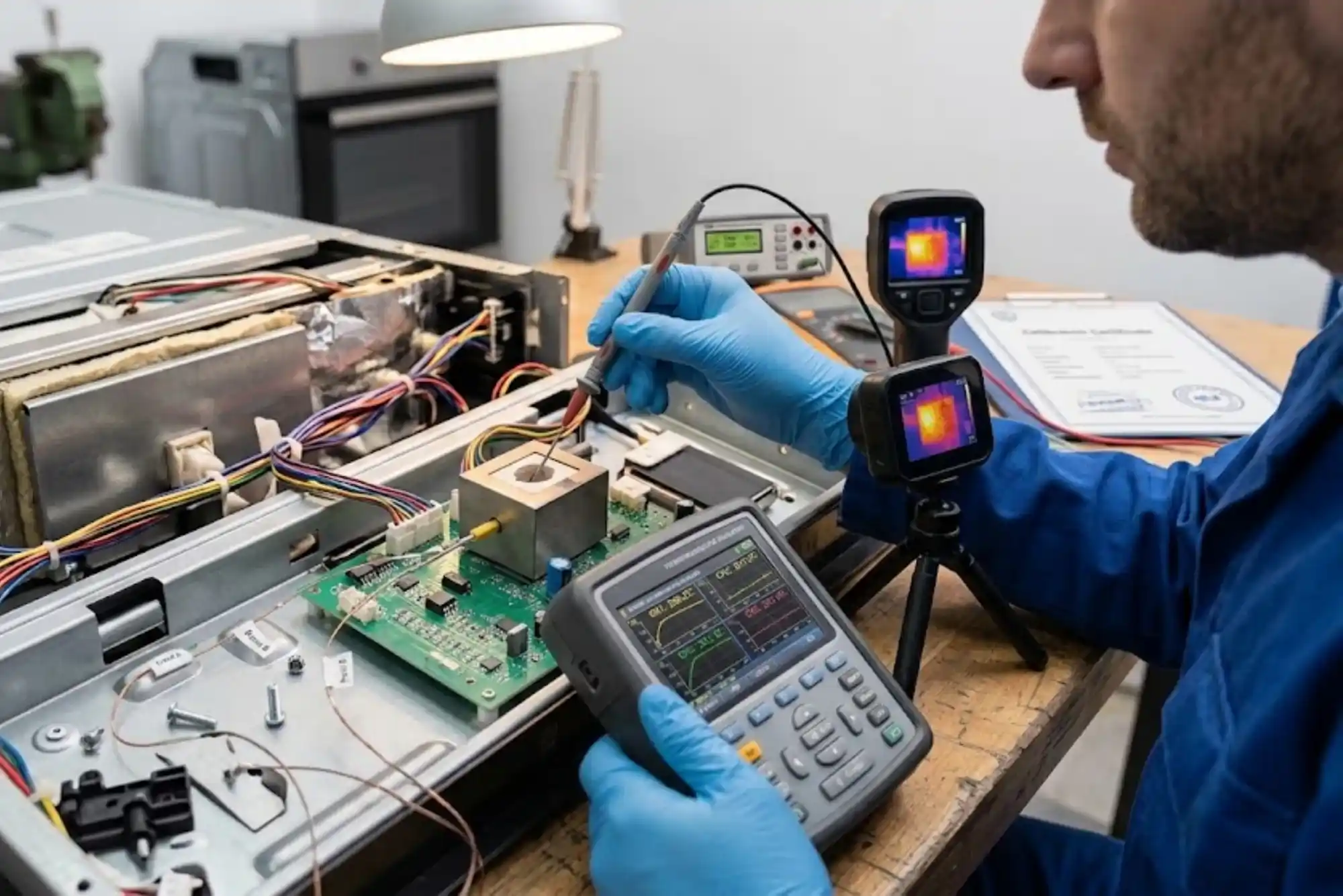
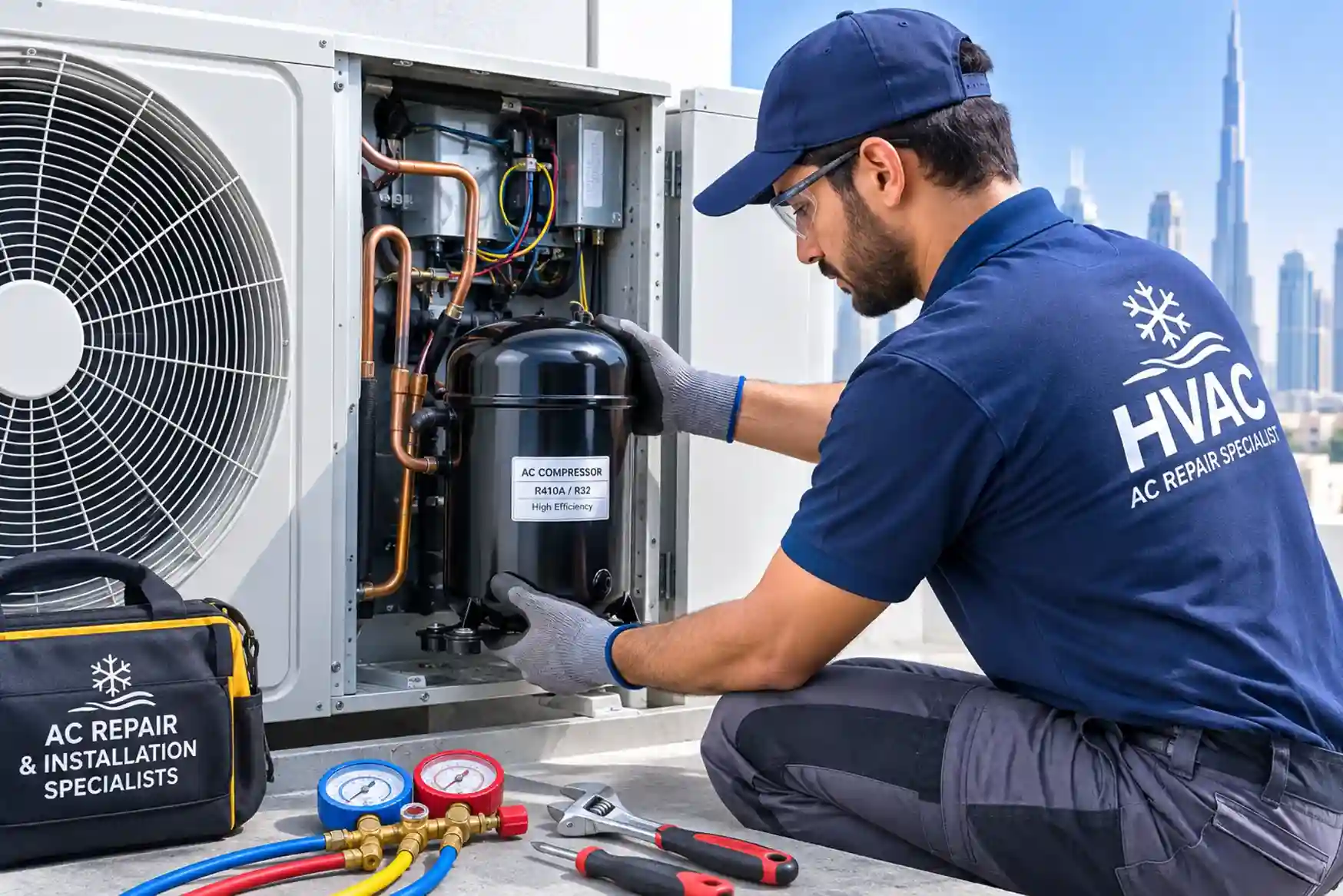
During professional AC servicing, technicians clean coils, check refrigerant levels, test electrical connections, and calibrate your thermostat. This type of preventative maintenance often costs far less than a single repair bill when something fails. Treat it as an investment, not an expense.

Ignoring Strange Noises or Smells
A faint buzzing, rattling, or musty odor might not seem like a big deal at first—but it could be your AC’s way of crying for help. Noises often indicate loose parts, motor issues, or fan problems, Post Category, while smells can point to mold growth or burnt wiring.
The mistake here is assuming the problem will go away on its own. I’ve had friends who ignored these warning signs only to face a complete system breakdown a few weeks later. If your AC starts making unusual sounds or emitting strange odors, don’t delay—call an HVAC specialist immediately.
Setting the Thermostat Too Low
When it’s blazing hot outside, there’s a natural temptation to set your thermostat to the lowest possible temperature, thinking it will cool your home faster. Unfortunately, that’s not how air conditioners work. An AC cools at a steady rate regardless of the setting, so cranking it down to 60°F only forces the system to run longer and harder.
This not only wastes energy but also accelerates wear and tear on components. Instead, set your thermostat to a comfortable but efficient level—typically between 74°F and 78°F when you’re home. Pair this with a ceiling fan, and you’ll stay comfortable without pushing your AC to the brink.
Blocking Air Vents
I’ve walked into many homes where furniture, curtains, or rugs are covering air vents. It may not seem like a big deal, but blocked vents disrupt airflow and put extra strain on the system. Your AC is designed to distribute air evenly throughout your home, and when vents are blocked, it has to work harder to push cool air where it’s needed.
This can cause uneven cooling, higher energy bills, and in some cases, frozen coils. A quick walk-through to ensure all vents are clear can help keep your AC running efficiently.
Failing to Clean the Outdoor Unit
The outdoor condenser unit is often out of sight and out of mind—but it plays a critical role in your AC’s performance. When dirt, leaves, and debris clog the condenser coils, heat can’t escape efficiently, forcing the unit to work harder.
I’ve seen units completely choked with weeds and dirt, running at half their capacity. Taking just 10–15 minutes every few weeks to gently rinse the unit with a garden hose and clear away vegetation can dramatically improve efficiency. Just remember to turn off the power before doing any cleaning.
Attempting DIY Refrigerant Refills
Refrigerant is the lifeblood of your air conditioner, and handling it requires proper certification. Some homeowners attempt DIY refills to save money, but this is both dangerous and potentially illegal in many regions. Incorrect handling can damage the compressor, cause leaks, or lead to refrigerant contamination.
If your AC isn’t cooling properly, let a professional check the refrigerant levels. Low refrigerant can be a sign of a leak, which needs expert repair—not just a top-up.
Ignoring Humidity Control
An often-overlooked aspect of air conditioner maintenance is humidity management. Your AC doesn’t just cool the air—it also removes excess moisture. If your system isn’t dehumidifying effectively, you may end up with mold growth, musty odors, and a sticky indoor environment.
This could be due to dirty coils, poor airflow, or an oversized unit that cools too quickly without enough time to remove moisture. Regular maintenance and proper sizing are key to keeping humidity in check.
Overlooking Electrical Issues
Loose connections, frayed wires, or worn contactors can lead to intermittent failures or complete system shutdowns. Electrical issues are not only bad for your AC’s health but also pose a serious fire risk.
One of the biggest mistakes is trying to “jiggle” a wire or fix electrical parts without proper training. Always leave electrical diagnostics to a qualified HVAC technician—your safety isn’t worth the risk.
Delaying Repairs Until the Off-Season
Some people notice minor issues in summer but decide to “wait until winter” to fix them. The idea is to avoid peak-season repair costs. Unfortunately, small problems can escalate quickly, especially if the AC is still in use.
For example, a slightly noisy fan can turn into a broken motor, or a small refrigerant leak can damage the compressor. Addressing issues as soon as they appear will almost always save you money and stress in the long run.
Final Thoughts: Treat Your AC Like the Investment It Is
Your air conditioner isn’t just another household appliance—it’s a major investment in your comfort. Avoiding these common AC maintenance mistakes can extend its lifespan, keep energy costs in check, and help you avoid emergency breakdowns during the hottest days of the year.
Think of AC care like caring for a car. Regular checkups, cleaning, and prompt attention to warning signs are what keep it running smoothly. By learning from these mistakes, you can enjoy cool, comfortable summers for many years without the constant worry of costly repairs.And here’s my last bit of advice—don’t just “set and forget” your AC. Stay attentive, be proactive, and treat it with the same respect you’d give to any other valuable system in your home. Your future self (and your wallet) will thank you.