If you’ve ever had your air conditioning system serviced, you might have heard the technician mention “reclaiming refrigerant” or “recharging the system.” At first glance, they sound like two ways of saying the same thing—but in the HVAC world, they’re very different processes with very different purposes. I’ve worked around AC systems for years, and I’ve seen how this confusion can lead to misunderstandings between homeowners and service providers. Knowing the difference is not just a matter of terminology—it can save you money, help you keep your system running longer, and even protect the environment.
Let’s take a deep dive into what refrigerant reclaim and recharge actually mean, why they’re done, and when each is necessary. I’ll share a mix of technical detail, practical insight, and real-world examples so you can feel confident the next time your AC needs attention.
Understanding What Refrigerant Does in Your AC
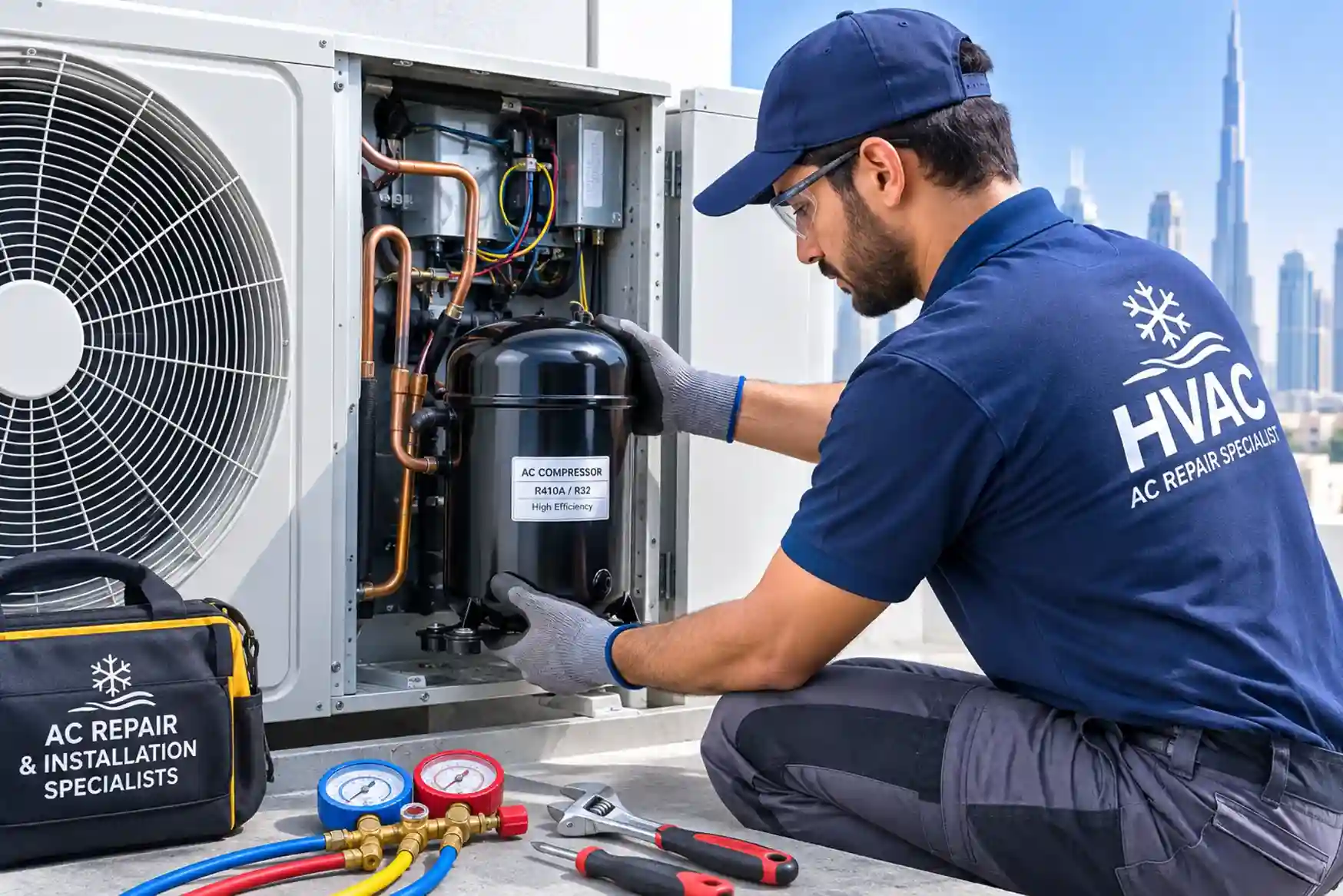
Before we get into reclaim vs. recharge, it’s worth understanding why refrigerant is so central to air conditioning in the first place. Refrigerant is a chemical compound that cycles through your AC system, absorbing heat from inside your home and releasing it outdoors. It moves through a closed loop of components—compressor, condenser, expansion valve, and evaporator coil—changing from liquid to gas and back again in the process.
This cycle is what allows your home to cool down. Without enough refrigerant, or with refrigerant that’s contaminated or at the wrong pressure, the system can’t operate efficiently. That’s where reclaiming and recharging come into play—but they serve very different functions.
What “Refrigerant Recharge” Really Means
A refrigerant recharge is essentially topping up or refilling your AC system with the right type and amount of refrigerant. It’s a service performed when your system has lost refrigerant over time, usually due to a leak. In an ideal world, your AC refrigerant should never run out—it’s a sealed system. But in reality, seals can fail, connections can loosen, and microscopic leaks can develop.
When recharging, a technician uses gauges to check the system pressure, then adds refrigerant until it reaches the manufacturer’s recommended level. This process can restore cooling performance, but it’s important to stress that a recharge alone does not fix the underlying problem if a leak exists. I’ve seen cases where someone gets their system “topped off” every summer, not realizing that they’re just putting a Band-Aid on a deeper issue.

A proper recharge should always be paired with leak detection and repair. Otherwise, you’re not just wasting money—you’re also releasing refrigerant into the atmosphere, which can have environmental consequences, especially with older refrigerants like R-22.
What “Refrigerant Reclaim” Means in HVAC Service
Refrigerant reclaim is a completely different process. This isn’t about adding refrigerant—it’s about removing it from a system entirely, storing it, cleaning it to industry standards, and making it safe for reuse.
Reclaiming is typically done when an AC system is being repaired, retrofitted, or decommissioned. For example, if an older unit using R-22 is being replaced, the refrigerant inside must be reclaimed rather than vented into the atmosphere. Venting refrigerant is illegal under environmental regulations like the EPA’s Clean Air Act because of its harmful impact on the ozone layer and contribution to climate change.
The reclaim process is more than just pulling refrigerant into a storage tank. Once it’s removed, it’s sent to a certified facility where it’s processed to meet purity standards set by AHRI (Air-Conditioning, Heating, and Refrigeration Institute). This ensures that any reclaimed refrigerant is as good as new and can be resold or reused without causing damage to equipment.
In my early days in the trade, I remember helping a mentor reclaim refrigerant from a massive rooftop unit being replaced. The sheer volume we recovered made me realize how much refrigerant is in these systems—and how critical it is that none of it escapes into the air.
Key Differences Between Reclaim and Recharge
The simplest way to think about it is this:
Recharge = Adding refrigerant to get the system back to optimal levels.
Reclaim = Removing refrigerant for safe storage, purification, and reuse.
Recharge is about restoring performance; reclaim is about responsible removal and environmental compliance. One is done to fix a system’s operation, the other is done to handle refrigerant in a way that meets safety and environmental regulations.
Another difference is where the refrigerant goes. In a recharge, the refrigerant stays in your system. In a reclaim, it leaves your system entirely and is handled externally.
Why Recharging Without Repair Can Be a Problem
One of the biggest misconceptions I run into is the idea that recharging your AC every year is normal. It’s not. If you need regular recharges, it means your system has a leak—and leaks don’t fix themselves.
Recharging without addressing the leak is like filling a bucket that has a hole in it. Not only will you keep losing refrigerant, but the system will also suffer from reduced efficiency in the meantime,Post Category, leading to higher energy bills and more wear on components.
I once worked with a homeowner who had been paying for a recharge every spring for five years straight. When we finally convinced them to let us track down the leak, we found a tiny pinhole in the evaporator coil. The repair cost them less than what they’d already spent on all those recharges combined.
When Reclaim Is Required by Law
Refrigerant reclaim isn’t optional in certain situations—it’s required by law. Under U.S. EPA regulations, any time a technician opens a system that contains refrigerant, they must recover it rather than release it.
This applies to residential units, commercial systems, and even automotive air conditioning. The recovered refrigerant must be handled in approved containers and either recycled on-site or sent for reclaim. Failure to follow these procedures can result in hefty fines for the technician or company involved.
The same principles apply in many other countries, each with their own environmental rules. The goal is to prevent refrigerant emissions that can harm the ozone layer or contribute to global warming.
How Reclaimed Refrigerant Is Used
Once refrigerant has been reclaimed and purified, it can be reused in other systems. This is especially valuable for older refrigerants that are no longer being manufactured. R-22, for example,AC Refrigerant Reclaim vs. Recharge, was phased out in the U.S. in 2020, so reclaimed R-22 is now one of the only legal sources for servicing older systems.
Reclaimed refrigerant that meets AHRI purity standards performs just as well as new refrigerant. However, it’s important that the reclaim process is done by a certified facility to avoid contamination that could damage equipment.
Why This Matters for Homeowners and Businesses
Understanding the difference between reclaim and recharge can help you make better decisions about your AC system. If your system isn’t cooling properly, you’ll know to ask whether the issue is a simple loss of refrigerant, a leak that needs repair, or a situation that requires refrigerant removal.
It also helps you understand why certain services cost what they do. Reclaiming refrigerant involves specialized equipment, certified handling, and sometimes additional fees for processing. Recharging might seem simpler, but it still requires proper tools and knowledge to ensure the system isn’t overfilled or underfilled.
For business owners, especially those with multiple HVAC systems, staying compliant with refrigerant handling laws is also about protecting your reputation. No one wants to be the company that gets fined for environmental violations.
Practical Advice for AC Owners
If you’re a homeowner or facility manager, here are a few takeaways from years in the field:
- If a technician says you need a recharge, ask them to check for leaks first.
- If your system is being replaced, make sure the contractor is reclaiming the refrigerant properly.
- Keep records of any refrigerant work done—this can be helpful for future repairs and for staying compliant with regulations.
- Don’t ignore performance issues. Low refrigerant is a symptom, not the root cause.
The Bottom Line
Refrigerant reclaim and recharge may sound similar, but they serve completely different purposes in AC maintenance and repair. A recharge is about restoring your system’s refrigerant levels so it can cool effectively again. A reclaim is about responsibly removing refrigerant for purification and reuse, often required by law.
Knowing the difference helps you have informed conversations with your HVAC technician, make smarter service decisions, and ensure your system is maintained in a way that’s both efficient and environmentally responsible.
In my experience, the customers who understand these terms are the ones who get the most life out of their AC systems and avoid unnecessary expenses. And in the long run, that’s what good HVAC care is all about—keeping you comfortable, saving money, and doing right by the environment.