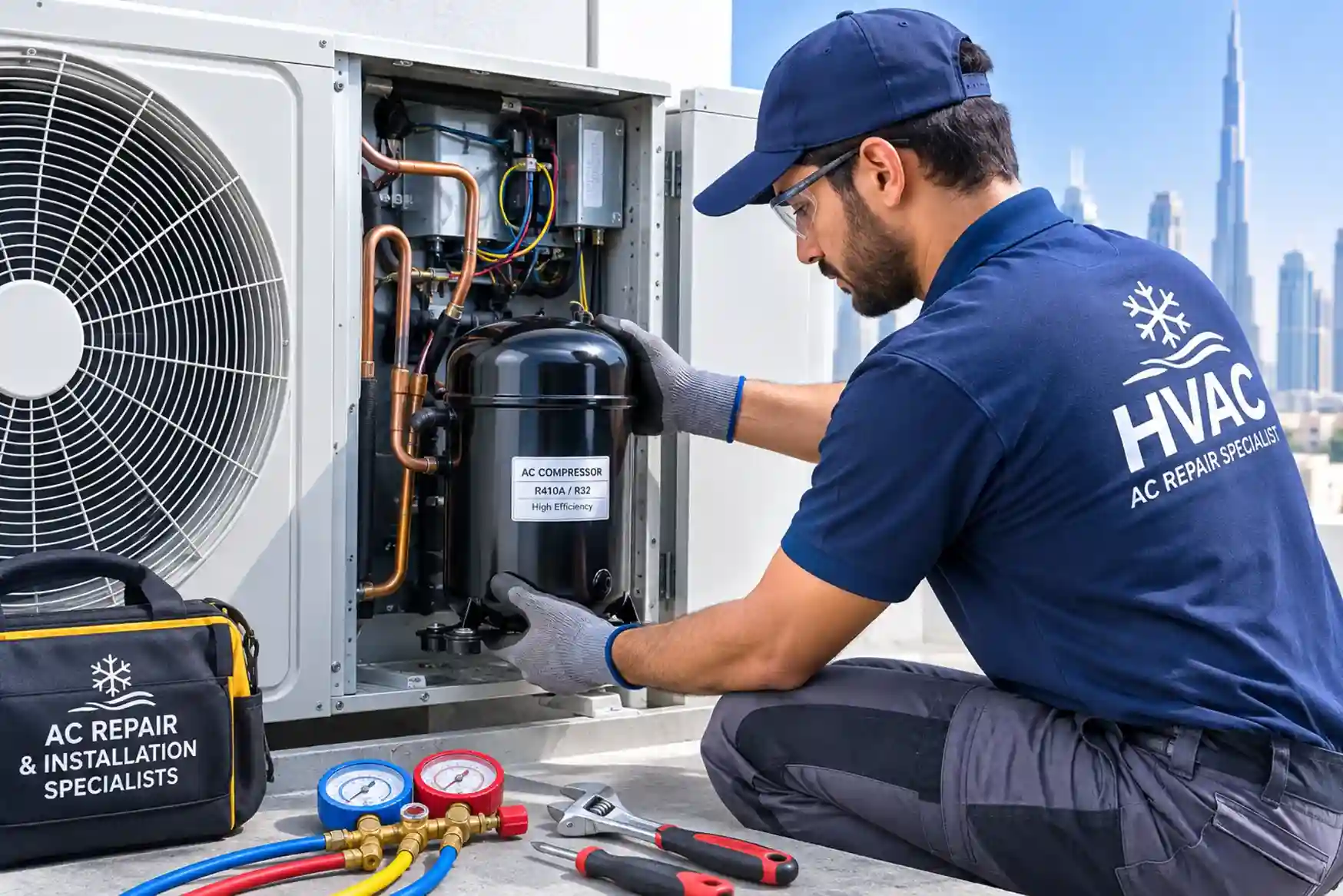
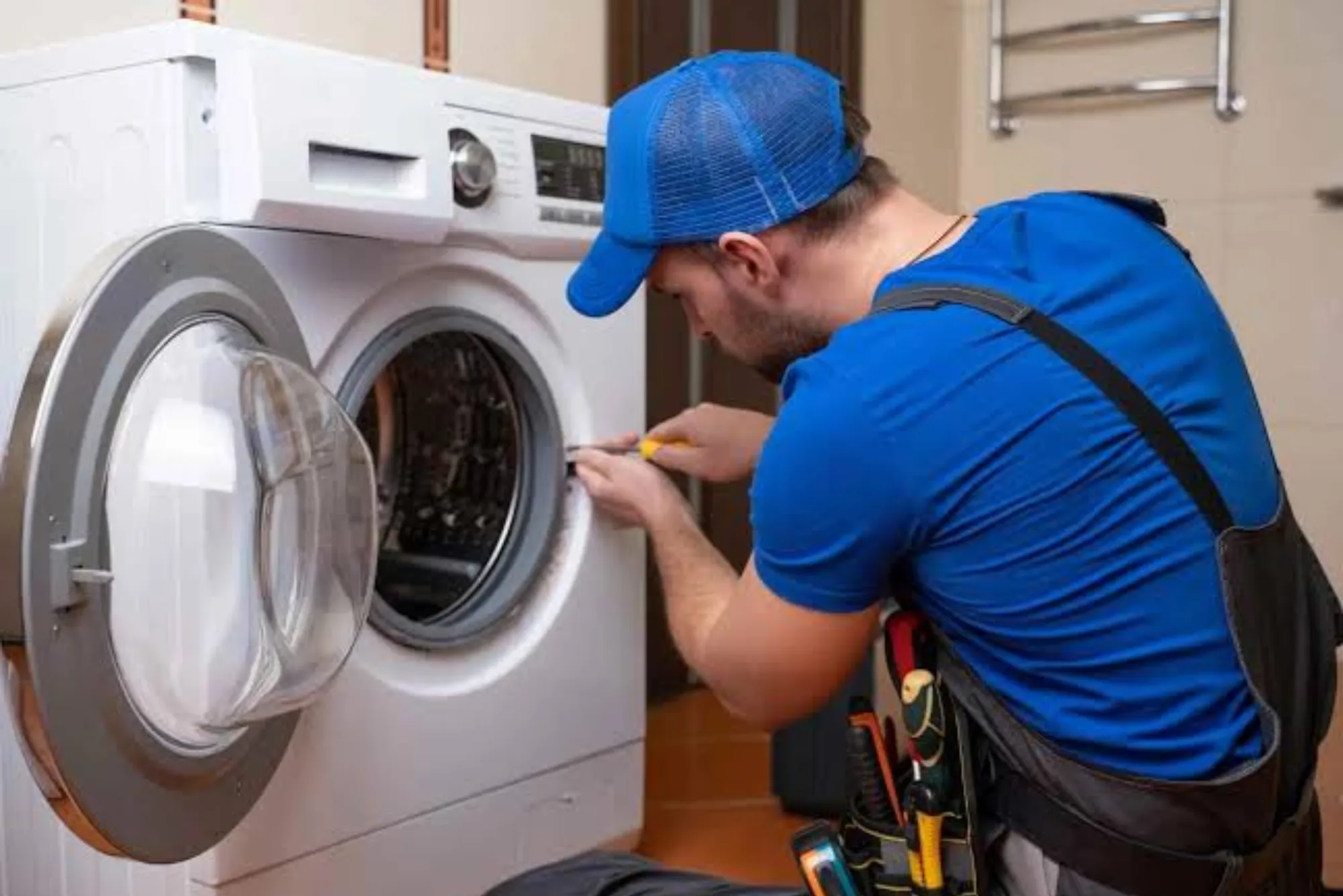
If your air conditioner isn’t cooling properly or the temperature seems inconsistent, the issue might not be the compressor, the refrigerant, or even a clogged filter. Often, the root cause lies in one of the smallest components in your system: the sensor. As someone who has worked on HVAC units for years, I can confidently say that sensor-related problems are often overlooked, yet they play a crucial role in how effectively your AC performs.
AC sensors are responsible for detecting temperature changes and relaying that information to your unit’s control board. This process helps regulate the cooling cycle, making sure your space doesn’t become too hot or too cold. When a sensor fails or gives incorrect readings, the whole system can behave erratically—either running too often, not enough, or shutting off when it shouldn’t.
Let’s walk through how to understand, identify, and troubleshoot AC sensor problems, whether you’re a curious homeowner or someone dealing with an underperforming unit.
Common Signs of AC Sensor Problems
One of the first things I advise homeowners or clients to watch for is irregular cooling behavior. For instance, if your AC turns on and off frequently without actually cooling the space, or if it runs continuously even when the desired temperature is reached, it’s often the sensor that’s at fault. You might also notice uneven cooling in different parts of your room, or the unit may fail to respond to temperature changes on the thermostat.
Sometimes the sensor itself isn’t broken but has simply been knocked out of place. In split units, the evaporator coil houses the sensor, which can get dislodged from its bracket due to vibrations or improper installation. This small displacement can cause big problems, as it will prevent the sensor from accurately detecting the temperature of the air passing over the coil.
Another common symptom I’ve seen in the field is when the AC unit displays error codes related to sensor faults. Modern units often have self-diagnostic systems that can help you narrow down the issue. Check your model’s manual or search the manufacturer’s website to understand what these codes mean—they can be your best friend when starting the troubleshooting process.

How the Thermistor Sensor Works
To truly troubleshoot an AC sensor, it helps to understand what it does. Most AC units use something called a thermistor sensor. This component changes its electrical resistance based on the surrounding temperature. That change is then read by the control board, which adjusts the AC’s operation accordingly.
When the thermistor malfunctions, it can misreport the actual room or coil temperature, resulting in inefficient operation. The compressor might turn off prematurely or stay on longer than necessary, which affects comfort and energy usage. If you’ve ever wondered why your energy bill spiked or why your room feels muggy even when the AC is running, the sensor could be part of the problem.
Over time, thermistors can wear out, particularly in environments with excessive humidity, dust, or salt (especially in coastal regions). Age, electrical surges, and manufacturing defects can also contribute to their failure. I’ve seen older ACs where replacing the thermistor sensor made a dramatic improvement in performance,Post Category, eliminating years of inconsistent cooling with one simple fix.
Troubleshooting Step-by-Step: Diagnosing a Faulty Sensor
If you suspect your AC sensor is faulty, your first move should always be to turn off the power supply before touching any part of the unit. This isn’t just about safety—it also helps reset the internal electronics, which can sometimes solve temporary glitches.
Next, try to locate the sensor. On most ductless split systems or window ACs, the sensor is near the evaporator coil and usually held in place by a metal clip. It should be positioned so that it can read the temperature of air entering or passing over the coil. If it’s touching the coil directly or hanging freely in the air, it won’t give accurate readings.
Once you’ve found it, inspect it visually. Look for signs of corrosion, disconnection, or physical damage. If the sensor is simply loose or out of place, reposition it carefully in its bracket. I’ve had multiple service calls where the only issue was a bent bracket or misaligned sensor—quick fixes that saved the client money and frustration.
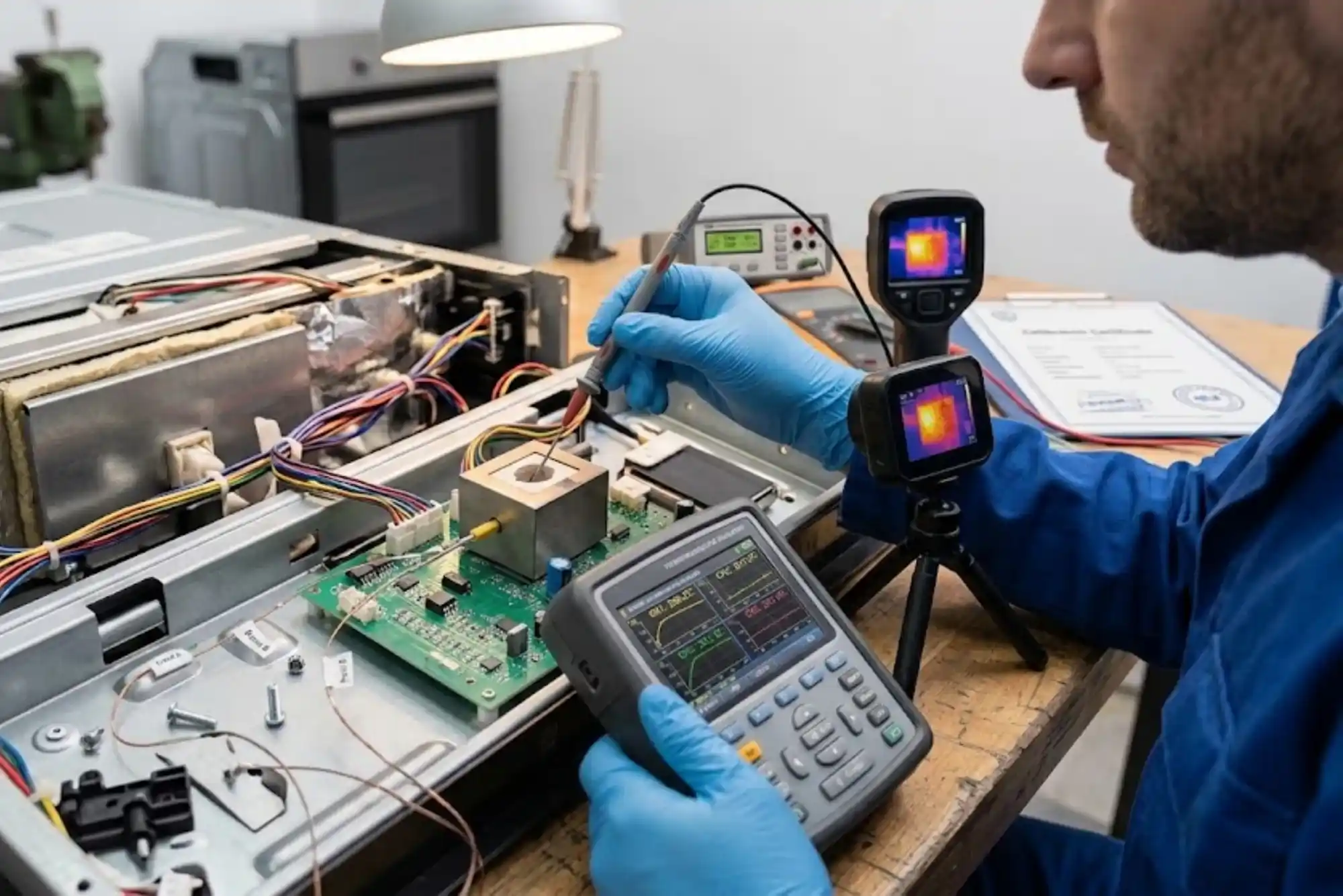
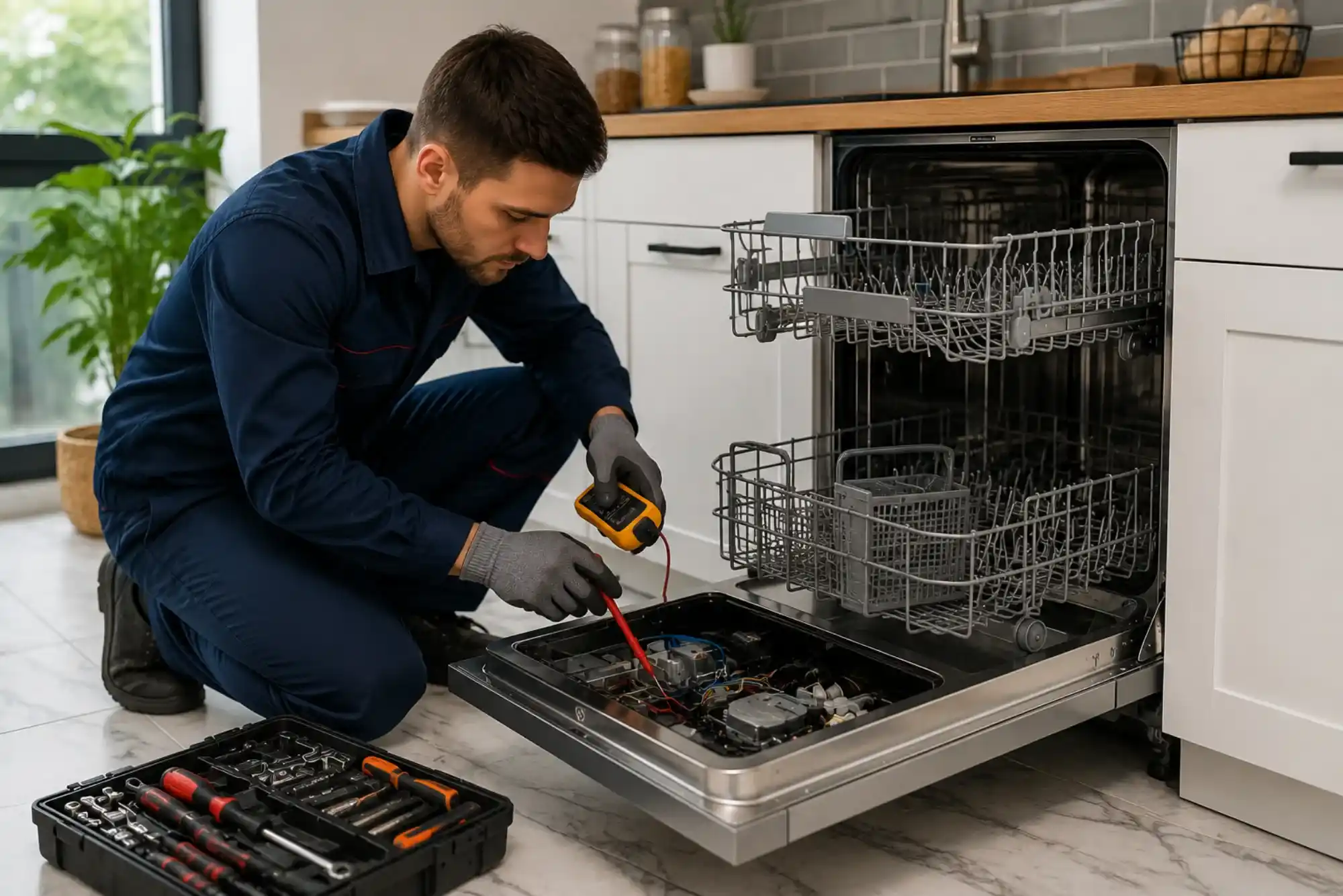
If the sensor looks intact, you can test it using a multimeter. Set the multimeter to measure resistance (ohms) and compare the reading to the manufacturer’s specs at room temperature. A sensor that gives a wildly off reading or no continuity at all is likely defective and should be replaced.
Replacing the sensor isn’t usually difficult, especially if it’s designed to be a plug-and-play component. However, make sure you get the exact replacement part specified by your unit’s manufacturer. Generic parts may not be calibrated correctly and could cause more issues down the line.
Sensor Issues vs. Thermostat Problems
A common point of confusion I encounter, especially with DIY homeowners, is mistaking thermostat problems for sensor issues. While they’re related, they’re not the same. The thermostat is your external control unit—usually mounted on a wall—while the sensor is an internal component that detects temperature near the coil.
If your thermostat is showing an incorrect room temperature or not responding properly, the issue might lie in its placement or wiring rather than the internal sensor. A thermostat placed in direct sunlight, near an appliance, or in an unusually cold or warm area can send misleading signals to the AC. That said, some thermostats also have internal sensors, and if those fail, they can cause similar symptoms.
Whenever you’re troubleshooting, make sure to isolate the problem. Try running the system on manual modes, check battery levels in the thermostat (if applicable), and cross-check temperature readings using a separate thermometer to verify what the thermostat is reporting.
When to Call a Professional
Although some sensor issues can be diagnosed and even fixed at home, there are cases where professional help is essential. For example, if your AC unit is still under warranty, opening the system or replacing internal components might void that coverage. Always check the warranty terms before attempting a repair.
Additionally, some units—particularly central or ducted systems—have sensors that are not easily accessible or are integrated into complex circuit boards. Attempting to replace or test these without proper tools and knowledge could damage the unit or lead to inaccurate results.
Professional HVAC technicians have the tools to perform advanced diagnostics, such as reading data logs, testing voltage under load, or checking for hidden faults in the sensor wiring. In many cases, a professional service can save time, prevent mistakes, and offer a warranty on their work.
Preventive Maintenance to Avoid Future Sensor Problems
Like any other component, sensors benefit from regular maintenance. While you don’t need to test them constantly, keeping the area around the evaporator coil clean and free of dust is essential. Dirty coils can trap moisture, which can interfere with the sensor’s ability to accurately read temperatures.
I always recommend scheduling a full AC tune-up before the start of summer. During these maintenance checks, a technician can inspect sensor positioning, clean the evaporator and condenser coils, check for signs of corrosion or damage, and ensure the system is running at peak efficiency.
Another overlooked point is protecting your AC from power surges. Installing a surge protector can go a long way in preserving the health of sensitive electronic components, including sensors and control boards. A single surge can fry the thermistor or even the entire PCB, leading to costly replacements.
Final Thoughts from Real-World Experience
In my years of working with air conditioning systems across various brands and models, I’ve seen firsthand how something as small as a sensor can disrupt an entire system. The good news is, once you understand how these sensors work and what to look for, troubleshooting becomes much less intimidating.
Whether you’re a hands-on homeowner or simply want to communicate better with your technician, knowing how to identify and respond to sensor problems puts you ahead of the curve. From correcting a loose bracket to replacing a faulty thermistor, the fixes are often quicker and more affordable than most people assume.
As always, if in doubt, reach out to a certified HVAC professional. A timely repair today could save you hundreds—or even thousands—down the road, and keep your home comfortably cool when you need it most.