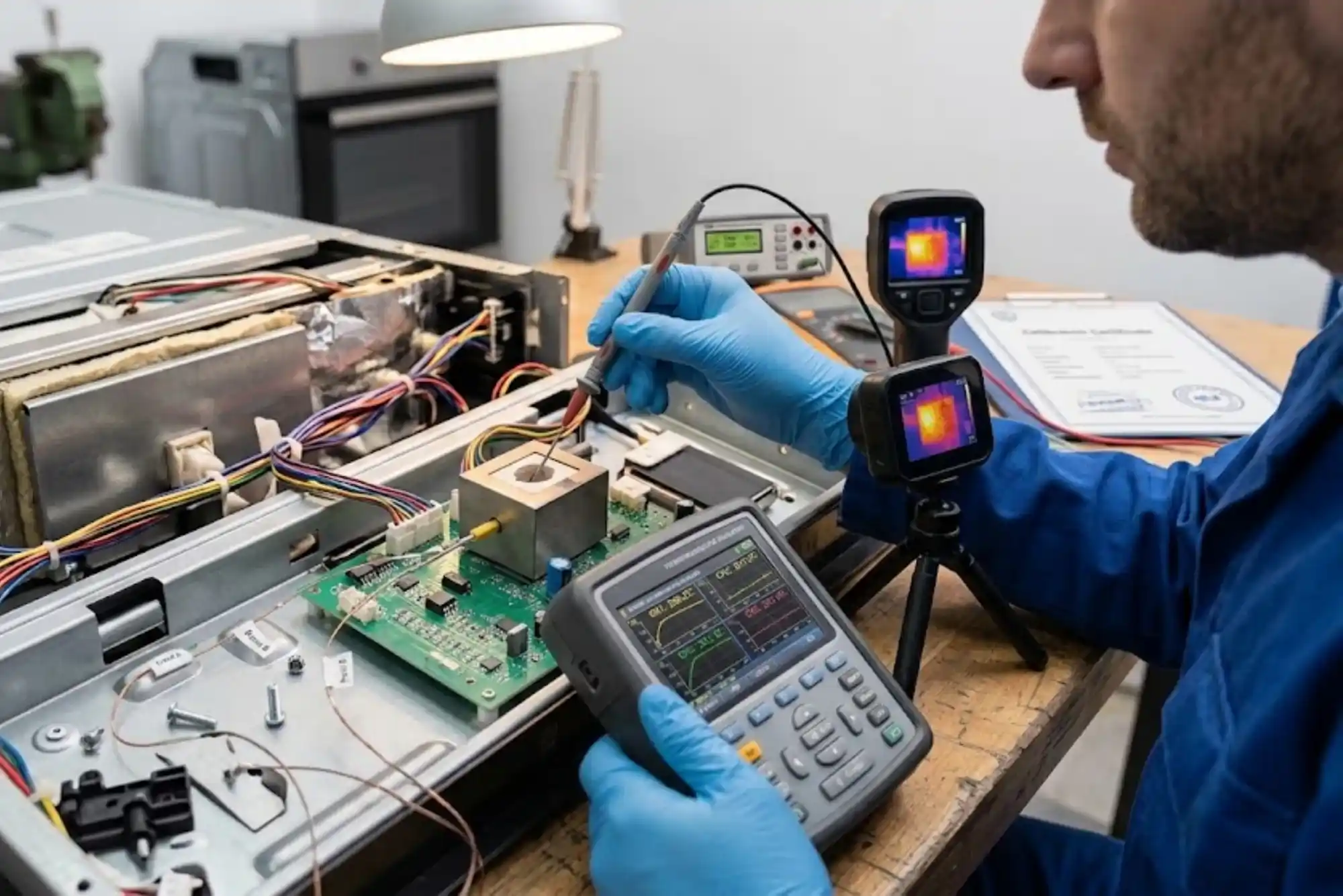
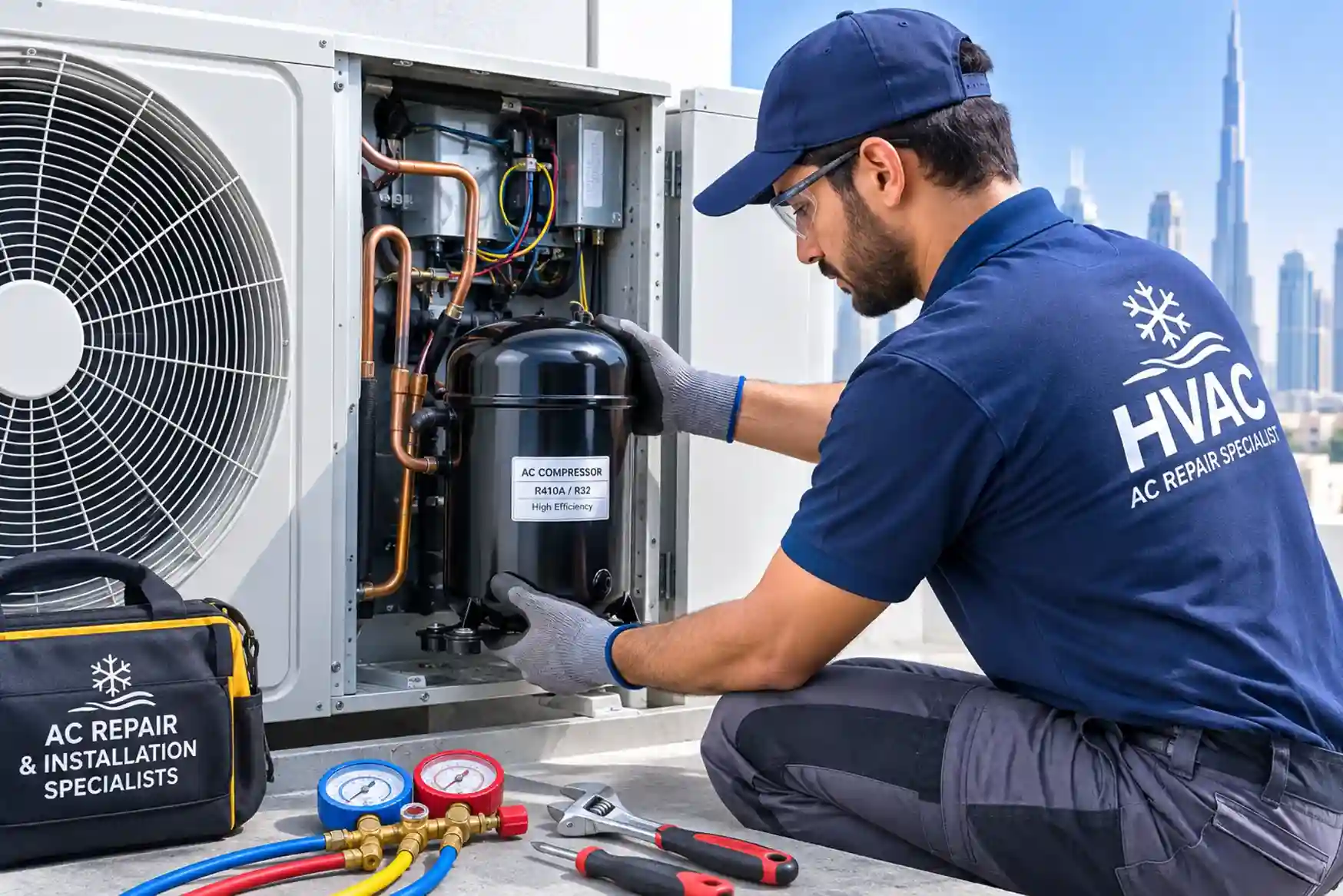
If you’ve ever had your air conditioner suddenly stop working on a scorching hot day, or noticed it behaving oddly—maybe blowing warm air, tripping breakers, or making strange humming noises—there’s a chance the issue wasn’t mechanical at all. One of the most overlooked yet critical aspects of air conditioner health is the line voltage that powers it. While we often hear about refrigerant levels, dirty filters, or clogged coils, the electrical side of things, particularly voltage, doesn’t get the attention it deserves. As someone who’s worked on HVAC systems for years, I can tell you that voltage issues are silent troublemakers that can lead to costly repairs and even dangerous situations if ignored.
Let’s explore what AC line voltage is, why it’s so important to check regularly, how improper voltage can affect your system, and what you should know whether you’re a homeowner, technician, or simply someone who likes to stay informed about how things work in your home.
Understanding Line Voltage in Air Conditioning Systems
Before we get into why voltage checks matter, it’s helpful to understand what line voltage actually is. In basic terms, line voltage is the standard electrical power supplied to your home by the utility company, typically 220-240 volts in many countries for heavy appliances like air conditioners. This power runs from the electrical panel to your AC unit and powers everything from the compressor to the fan motor.
Every component inside your air conditioning system is rated to operate within a specific voltage range. Too little voltage and the motor may struggle to start, creating stress and overheating. Too much voltage and components can get fried—sometimes instantly. Neither of these scenarios ends well for your equipment or your wallet.
Why Line Voltage Checks Matter More Than You Think
In my early days working in HVAC, I used to treat voltage checks like a routine formality—until I saw firsthand how quickly things can go south. A customer once called me for what they thought was a refrigerant leak. Their AC was cycling rapidly, and the compressor was unusually hot. When I checked the refrigerant levels, everything looked fine. But then I measured the voltage across the line terminals: it was coming in at 195 volts—well below the recommended range.
That undersupplied voltage was preventing the compressor from starting properly, causing it to overheat and nearly burn out. Had we not caught it in time, they would have needed a new compressor, which isn’t cheap. That experience changed the way I approached maintenance forever.

Low voltage isn’t just a performance issue—it’s a longevity issue. Motors running under voltage strain consume more current, leading to increased heat and insulation breakdown over time. On the flip side, high voltage can degrade components prematurely, melt wires, and cause capacitor blowouts. This makes routine voltage checks a proactive form of maintenance, not just a box to tick.
Voltage Fluctuations and Their Real-World Effects
You might wonder, “Isn’t my home’s voltage stable?” In an ideal world, yes—but in reality, fluctuations are more common than people think. Power grids, especially in densely populated or developing areas, often experience dips or spikes during peak hours. Add in things like nearby construction, faulty transformers, overloaded circuits, or lightning strikes, and you’ve got a recipe for unpredictable voltage behavior.
I once worked with a small business located in an older commercial building. They’d gone through two compressors in three years. After ruling out all mechanical causes, we installed a data logger to track voltage levels. The results were eye-opening. Voltage was dipping to 180 volts during peak office hours. No one had ever thought to check before because everything else seemed normal. The lesson here is simple: without checking voltage, you’re only seeing part of the picture.
AC System Damage Caused by Improper Voltage
Let’s talk about the types of damage that can occur when voltage is out of specification. When line voltage is too low, it can cause the compressor to “hard start” or fail to start altogether. This stresses the motor windings and can lead to permanent damage. The capacitor, which helps start the motor, also takes a hit under low-voltage conditions, often bulging or leaking as a result.
High voltage, on the other hand, can cause insulation to break down inside motors and transformers. This not only increases fire risks but can also lead to blown fuses, tripped breakers, and system failure. In severe cases, circuit boards inside modern AC systems can burn out entirely, leading to expensive replacement parts and downtime.
Capacitors are particularly sensitive to voltage swings. They’re inexpensive components, but if they fail repeatedly due to electrical issues, it’s usually a sign of deeper voltage irregularities in the system. A capacitor might survive 250 volts momentarily, but over time, high voltage will drastically shorten its life.
The Role of Voltage Checks in Preventive Maintenance
The good news is that these issues are avoidable—if you catch them early. Regular voltage checks should be a standard part of any preventive maintenance visit. I always start a tune-up by checking the incoming line voltage at the disconnect box and again at the contactor terminals inside the condenser. If the numbers are off by more than 10% from the rated voltage, it’s a red flag.
For homeowners, it might seem excessive to have your voltage checked annually, but remember this: air conditioners are one of the most energy-intensive appliances in your home. Their operation depends entirely on clean, stable electricity. Having a professional measure and document your voltage annually helps build a history and identify patterns, such as seasonal dips or recurring spikes that might coincide with neighborhood activity.
Voltage monitoring can also reveal issues within your own home’s wiring. Loose connections, corroded terminals, or aged circuit breakers can all cause voltage drops. A skilled technician can spot these and recommend repairs before they result in failure.
Voltage Monitoring Technology and Smart Protection
Technology has come a long way, and modern AC systems are better at dealing with voltage issues—but they’re still vulnerable. Fortunately, there are devices available that can help protect your system. Surge protectors, voltage monitors, and hard start kits are among the most effective tools to buffer your AC system against electrical instability.
Some voltage monitoring devices can be installed in your panel to continuously measure and record data, sending alerts if voltage drops or spikes. In commercial settings, I’ve seen these devices save thousands of dollars by preventing equipment from running under damaging conditions. In homes, they can be equally effective, especially if you’re in an area with frequent power fluctuations or outages.
Smart thermostats and home automation systems are also beginning to integrate voltage-monitoring features. These won’t replace a physical voltage check by a professional, but they can offer an extra layer of visibility and early warnings.
When to Check Voltage and When to Call a Professional
As a homeowner, you may be curious whether you can check line voltage yourself. While it’s possible with a multimeter and the right safety precautions, I generally advise against it unless you’re experienced and know exactly what you’re doing. Working with high-voltage systems is dangerous and can result in serious injury if handled improperly.
Instead, it’s best to include voltage checks as part of your seasonal AC service visit. If you’re experiencing strange symptoms like short cycling, blown fuses, tripped breakers,Post Category, unusually high energy bills, or hot air blowing from the vents, ask your technician to verify voltage levels during diagnosis.
Sometimes voltage issues are outside your control, especially if they stem from utility supply problems or transformer faults in your area. In those cases, your technician can document the issue and recommend protective equipment or even help you file a claim with the power company if damage occurs.
Real-World Example: Voltage Monitoring Saved the Day
Let me share a story that perfectly highlights why voltage checks matter. A couple in a new housing development called us because their brand-new AC unit kept shutting down randomly. Three different technicians had visited before us and changed the thermostat, capacitor, and even the contactor—none of which fixed the issue.
When I arrived, the system seemed normal. But when I ran a voltage test at the peak of a hot afternoon, the line voltage was down to 187 volts. Bingo. I recommended a voltage monitor with auto-shutdown protection. The next week, the power company acknowledged a faulty transformer in that area and replaced it. Without checking the voltage, that AC unit would’ve continued to suffer damage and the couple would still be hunting for answers.
Final Thoughts: Don’t Overlook the Invisible
We tend to focus on the visible and audible signs of AC trouble—noises, leaks, airflow issues. But electricity is invisible. It doesn’t show signs of wear in the same way, yet it can cause as much, if not more, damage than any mechanical fault. AC line voltage checks are one of the simplest, yet most powerful diagnostic tools in an HVAC technician’s toolkit.
If you’re a homeowner, talk to your technician about including voltage checks in your regular maintenance. If you’re a technician, never skip this step. It’s often the missing puzzle piece in tricky AC problems and a key to preventing premature system failure.
In the world of HVAC, knowledge is power—quite literally when it comes to voltage. Stay informed, stay safe, and don’t underestimate the importance of AC line voltage checks.