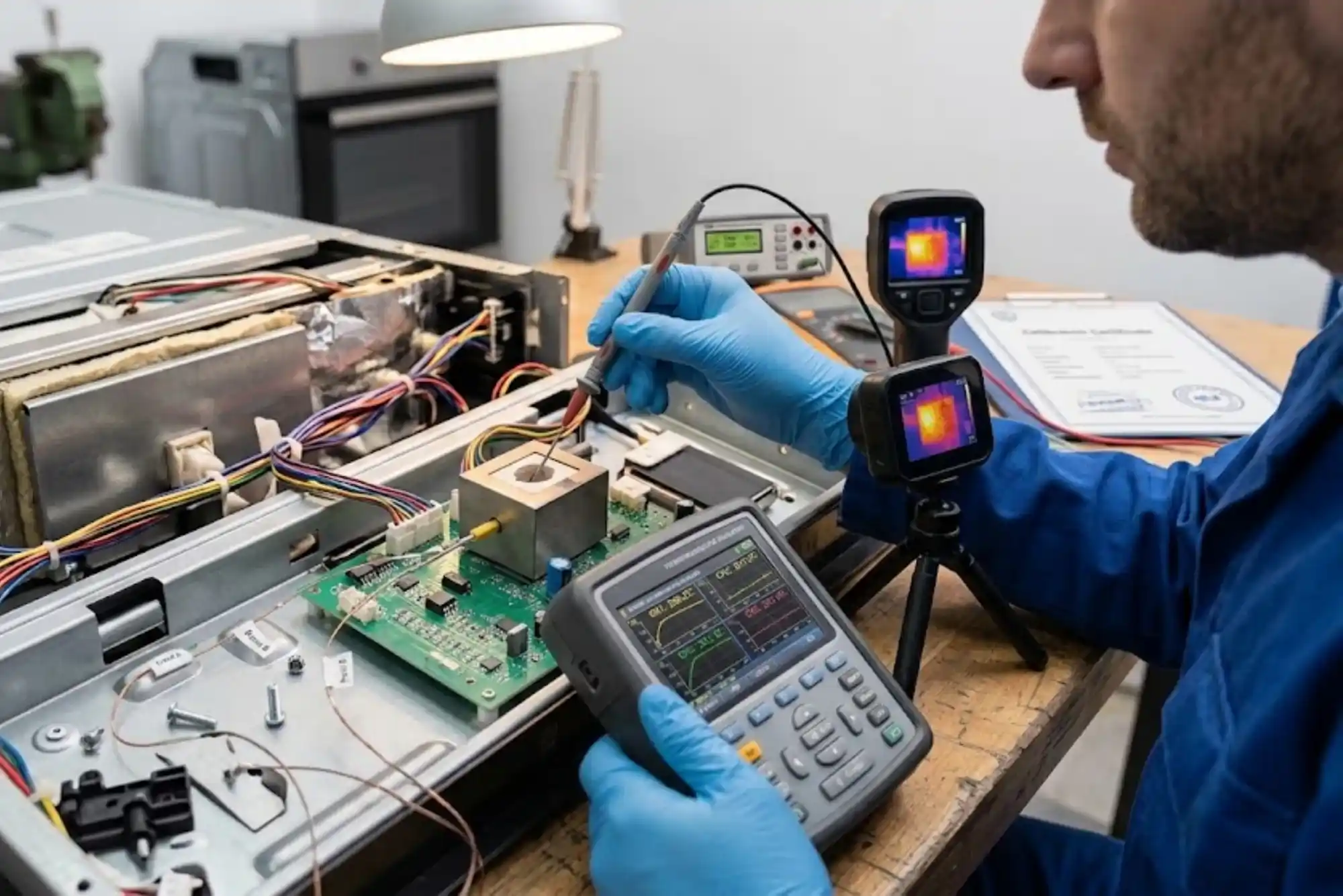
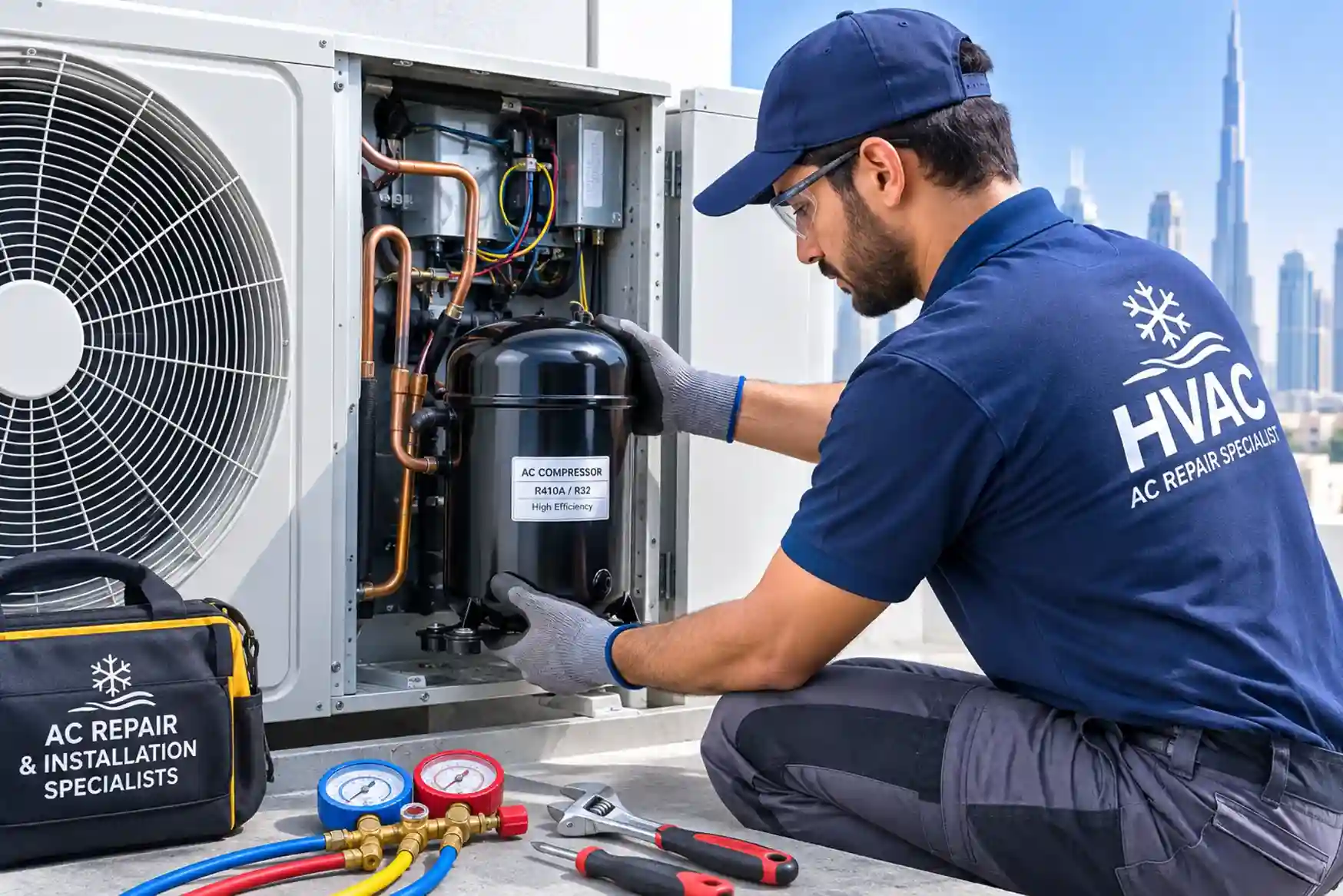
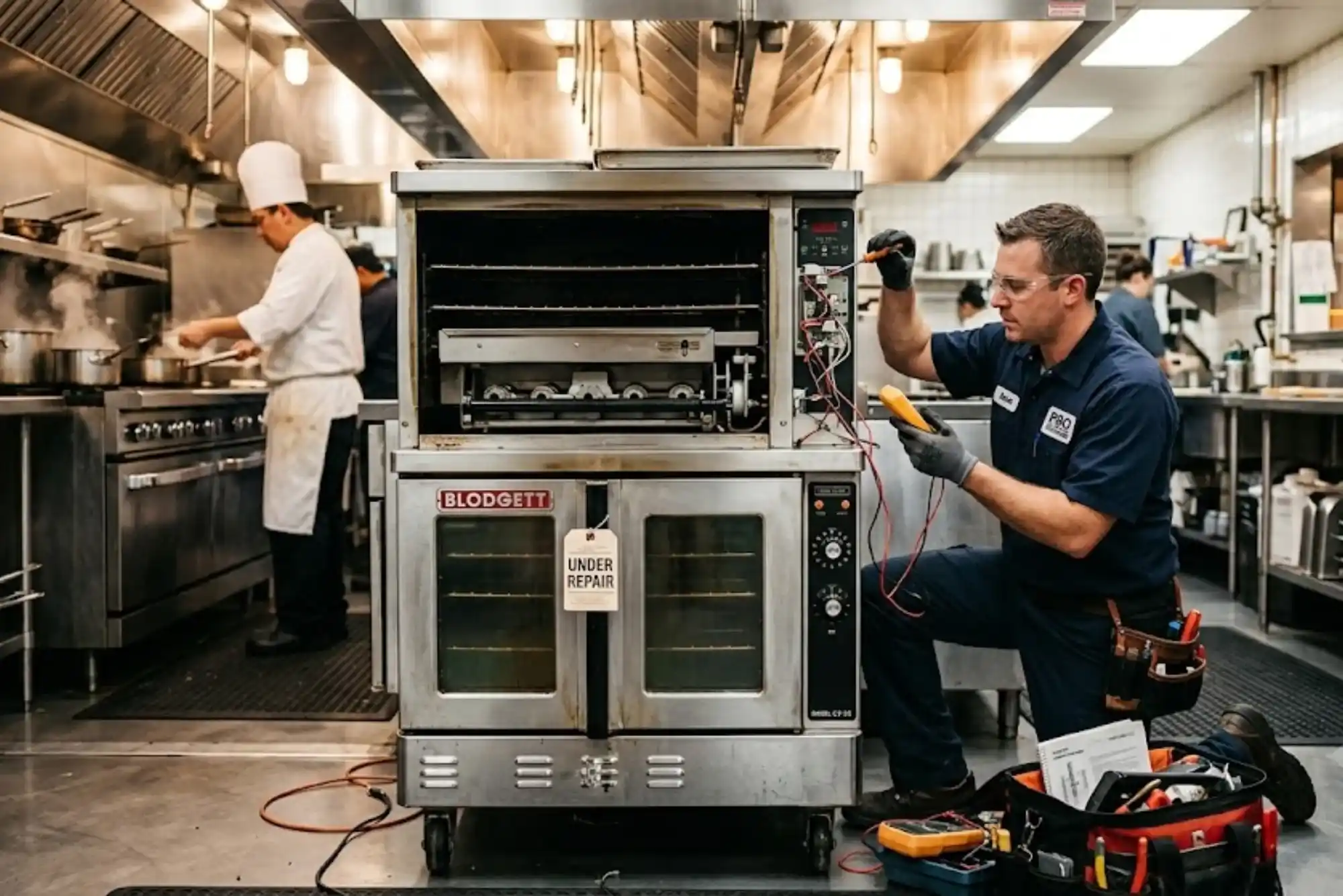
When your air conditioner starts acting up—blowing warm air, making odd noises, or breaking down mid-summer—you’re faced with a tough decision: should you repair it or replace it entirely? This isn’t just about convenience. It’s a financial decision that affects your comfort, energy bills, and future peace of mind. As someone who’s worked closely with HVAC professionals and experienced both options in real-life situations, I can confidently say: there is no one-size-fits-all answer. But what I can do is guide you through a smart, practical evaluation of the true costs and benefits of AC replacement vs. repair.
Understanding the Lifecycle of an AC Unit
Before diving into the financials, it helps to understand how long an air conditioning unit is meant to last. Most central air conditioners have a lifespan of about 10 to 15 years with regular maintenance. Window units or ductless mini-splits can vary, but they generally follow a similar range.
Once an AC unit crosses the 10-year mark, it’s no longer operating at peak efficiency. Even with regular servicing, older systems struggle to keep up with cooling demands, and their repair frequency increases. That’s when the repair-or-replace question starts becoming more relevant.
The True Cost of Repairing Your AC
On the surface, repairing your AC might seem like the most cost-effective solution. Why spend thousands on a new unit when you can fix a part for a few hundred? But this short-term thinking doesn’t always serve you in the long run.
The cost of repairs can vary widely. A simple capacitor replacement might cost $150–$300. But if you’re dealing with a broken compressor, refrigerant leaks, or failed coils, the bill can reach $1,500 or more. And if your system uses an outdated refrigerant like R-22 (now phased out), the cost of even a basic recharge can be astronomical—if you can even find the refrigerant.
One of the HVAC technicians I worked with once said: “If a major repair costs more than 30–40% of what a new system would cost, it’s a red flag. You’re probably throwing money into a dying system.”

The Hidden Costs of Repeated Repairs
Many homeowners fall into the trap of spending a little at a time without realizing how much they’ve spent cumulatively over a couple of summers. You fix the fan motor in May, top up the refrigerant in July, and then replace the capacitor in August. It doesn’t feel like much when spread out—but add it up and you’ve spent more than a third of the cost of a new AC.
Worse, these repairs often do nothing to improve the system’s efficiency. You’re still running an aging unit that consumes more electricity than newer models, driving up monthly bills. Over time, this hidden energy cost alone can rival the cost of a replacement.
When AC Replacement Makes Sense Financially
Replacing your AC system is undoubtedly a big investment. Depending on your home’s size and the brand you choose, a central AC installation can cost anywhere from $3,500 to $10,000 or more. That’s not pocket change. But in many cases, it’s the smarter long-term move.
New air conditioners are built to much higher energy efficiency standards—especially those with ENERGY STAR certification. A new unit could cut your cooling costs by 20–40%, depending on what you’re replacing. Over the span of a decade, that adds up to thousands of dollars saved.
Moreover, newer units come with manufacturer warranties—often covering parts for up to 10 years. That’s peace of mind you simply can’t get with an aging system,Post Category, even one that’s been repaired.
The Comfort Factor: More Than Just Money
Let’s take money out of the equation for a second. What’s it worth to you to come home to a consistently cool, quiet, and reliable home?
Older systems often struggle to maintain even temperatures throughout a home, especially during peak heat. You may find yourself constantly adjusting the thermostat or relying on fans in certain rooms.
Newer systems not only cool better but also offer smart features: programmable thermostats, variable-speed motors, humidity control, and zoning options. These features don’t just save money—they enhance your daily comfort.
In one home I consulted on, a family was constantly frustrated with hot spots upstairs. Replacing their aging unit with a zoned system completely transformed their living space—and their mood during summer.
Environmental Impact and Efficiency
There’s also the question of environmental responsibility. Old AC units, particularly those using R-22 refrigerant, contribute significantly to ozone depletion and greenhouse gas emissions.
Upgrading to a newer, eco-friendly system isn’t just good for your wallet; it’s better for the planet. Modern systems use refrigerants with a lower environmental impact and operate far more efficiently, reducing your overall carbon footprint.
Financing and Rebates Can Shift the Equation
One of the biggest barriers to replacing an AC is the upfront cost. But many HVAC companies now offer financing options that let you spread payments out over several years.
There are also rebates to consider. In many areas, local governments and utility companies offer rebates for upgrading to energy-efficient models. These rebates can offset hundreds—sometimes even thousands—of dollars from your total cost.
When you factor in energy savings, rebates, and financing, replacing your unit becomes a far more approachable option than it first appears.
Repair vs. Replace: A Decision Matrix
Although we’re not using bullet points, let’s walk through some decision-making questions. These are the same ones I use when advising friends, family, or clients.
Is your unit over 10–12 years old?
Are your energy bills higher than average?
Have you had to make two or more repairs in the past 2 years?
Does your unit still use R-22 refrigerant?
Is your home frequently too hot or too humid despite the AC running?
If you answered yes to three or more of these questions, replacement is likely the smarter move. It may feel like a financial leap, but it’s often the more cost-effective, comfortable, and sustainable option in the long run.
Final Thoughts: What I’d Do in Your Shoes
There’s no denying that both repair and replacement come with costs—financial and otherwise. But here’s the honest truth from someone who’s seen both sides: holding onto an old, failing system for too long usually ends up being more expensive and frustrating.
In my own home, I delayed replacing a 13-year-old unit for two summers. I paid for repairs, suffered through uneven cooling, and watched my utility bills creep upward. When I finally replaced it, the comfort level changed immediately—and my bills dropped by nearly 30%. Looking back, I wish I had made the move sooner.
So if you’re stuck between repairing or replacing your AC, think bigger than just the cost of a single fix. Consider the full picture—comfort, efficiency, reliability, energy savings, and long-term value. Sometimes, the better investment is the one that doesn’t just fix today’s problem—but prevents tomorrow’s.