Air conditioning has become an essential part of modern life, providing comfort in homes, offices, and commercial spaces during the hottest months of the year. However, the convenience and comfort that air conditioners bring come with significant environmental consequences, especially when the units are outdated or poorly maintained. Old AC units consume more energy, release harmful greenhouse gases, and contribute to global warming in ways that often go unnoticed by the average homeowner or business owner. Understanding the environmental impact of these aging systems is essential for making responsible decisions about repair, maintenance, or replacement.
Older air conditioning units were not designed with the energy‑efficiency standards and eco‑friendly technologies available today. Many of them operate using refrigerants that are now classified as ozone‑depleting substances. As these units age, their performance declines, requiring more energy to produce the same cooling output. This increased energy consumption directly contributes to higher carbon emissions because much of the electricity used to power AC systems comes from fossil fuel‑based sources. The impact becomes more significant as temperatures rise and cooling demand increases, making the environmental consequences of old AC units a critical issue to address.
Increased Energy Consumption and Carbon Footprint
One of the most direct ways that old air conditioning units harm the environment is through excessive energy consumption. When air conditioners age, their efficiency declines due to wear and tear on components like compressors, fan motors, and evaporator coils. Dirt buildup, poor lubrication, and refrigerant leaks further reduce performance. As a result, the system must work harder and run longer cycles to achieve the desired indoor temperature.
The extra energy consumed by old AC units leads to an increased carbon footprint. Most regions still rely heavily on fossil fuels for electricity generation, which means that every additional kilowatt‑hour used contributes to greenhouse gas emissions. Coal, natural gas, and oil combustion release carbon dioxide and other pollutants that intensify climate change. For households and businesses that rely heavily on cooling, an inefficient system can significantly amplify this impact over time.
Modern high‑efficiency air conditioners are designed to consume less electricity while delivering the same or better cooling capacity. By contrast, an old, inefficient unit might require up to 40% more energy than a new model. The cumulative effect of millions of outdated air conditioners running during peak summer months is a substantial increase in regional and global energy demand, straining power grids and further driving fossil fuel consumption.
Harmful Refrigerant Emissions
Another major environmental concern associated with old AC units is the type of refrigerant they use. Decades ago, many systems relied on chlorofluorocarbons (CFCs) and hydrochlorofluorocarbons (HCFCs) such as R‑22, commonly known as Freon. These substances are highly effective at cooling, but they have catastrophic effects on the environment when released.

CFCs and HCFCs contribute to ozone layer depletion. The ozone layer is critical for shielding the Earth from harmful ultraviolet radiation. When old air conditioning units develop leaks or are improperly disposed of, their refrigerants can escape into the atmosphere, breaking down ozone molecules and weakening this protective barrier. In addition, many of these refrigerants are potent greenhouse gases, with a global warming potential thousands of times higher than carbon dioxide.
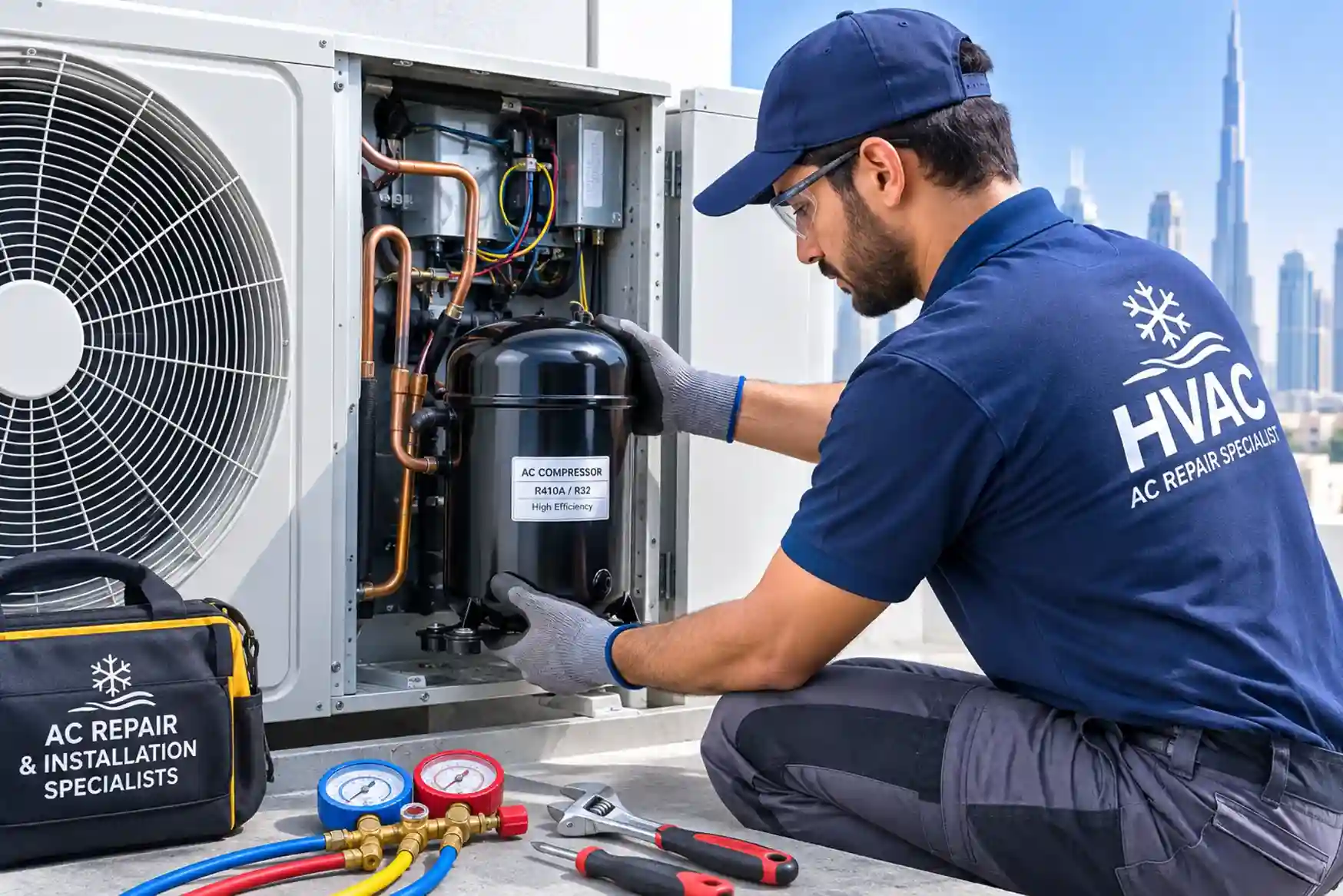
The phasing out of these substances under international agreements such as the Montreal Protocol has been an important step toward protecting the environment. However, millions of old AC units still in use continue to carry these harmful refrigerants. Poor maintenance, accidental leaks, and improper recycling at the end of life can all release these chemicals, exacerbating environmental harm. Transitioning to modern systems that use eco‑friendly refrigerants like R‑410A or R‑32 is a significant step in reducing both ozone depletion and global warming potential.
Contribution to Urban Heat and Climate Stress
Old air conditioners also contribute indirectly to the urban heat island effect. When these systems operate inefficiently, they generate more waste heat that is expelled into the surrounding environment. In densely populated urban areas, the combined effect of thousands of aging AC units running simultaneously raises outdoor temperatures, intensifying the demand for cooling and creating a feedback loop of increased energy use.
As cities continue to grow and global temperatures rise, the environmental strain caused by inefficient cooling becomes more severe. Older units that run longer cycles not only emit more heat but also place a heavier burden on local electrical grids. During heat waves, these stresses can contribute to blackouts or force power plants to operate at higher capacity, increasing overall emissions. The environmental impact extends beyond a single household or building; it becomes a community‑wide challenge affecting air quality, energy stability, and overall climate resilience.
Challenges of Disposal and Improper Recycling
The environmental consequences of old AC units do not end when the system stops working. Improper disposal is a significant issue because outdated units often contain hazardous materials, including refrigerants, oils, and metals that can harm the environment. When old air conditioners are discarded in landfills without proper recycling,Post Category, these chemicals can leak into the air, soil, and water.
Responsible recycling involves safely recovering refrigerants and properly handling components to prevent environmental contamination. Unfortunately, in many regions, illegal dumping or careless scrapping of old AC units continues to occur, releasing ozone‑depleting substances and greenhouse gases. Metals like copper and aluminum can be recycled, but if the system is simply abandoned, valuable resources are wasted, and environmental hazards increase.
The best environmental practice is to work with certified recycling and disposal programs that ensure refrigerants are recovered according to environmental regulations. This not only reduces harm but also supports the responsible use of materials and reduces demand for virgin resources in manufacturing.
Indoor Air Quality and Energy Waste
Although the environmental conversation often focuses on emissions and energy use, old AC units also impact indoor air quality. Systems that are dirty, leaking, or poorly maintained can circulate dust, allergens,The Environmental Impact of Old AC Units, and mold spores, affecting human health. When coils are coated with grime or filters are clogged, the system consumes more electricity for less cooling output.
The added energy waste increases the environmental footprint, while poor indoor air quality can lead to higher use of supplemental cooling or air purification devices. This creates a compounding cycle where inefficiency and environmental impact grow together. A unit that is both inefficient and unhealthy for occupants underlines the importance of timely maintenance or replacement.
Advantages of Upgrading to Eco‑Friendly Systems
Replacing old AC units with modern, energy‑efficient models provides immediate and long‑term environmental benefits. High‑efficiency systems require less electricity to cool the same space, reducing carbon emissions from power generation. Units using environmentally friendly refrigerants drastically lower the risk of ozone depletion and have a much smaller global warming potential.
In addition, new systems are designed to integrate with smart thermostats and energy management tools, optimizing usage patterns and reducing unnecessary operation. This not only benefits the environment but also translates into cost savings for homeowners and businesses. Upgrades may also qualify for government incentives or rebates in regions promoting energy efficiency and environmental responsibility.
Modern units with variable‑speed technology can adjust cooling output to match demand rather than cycling on and off at full power. This smooth operation reduces peak electricity loads, extends equipment lifespan, and minimizes environmental strain. Over time, transitioning away from old, inefficient systems represents one of the most impactful steps a property owner can take to reduce their environmental footprint.
The Broader Environmental Responsibility
The environmental impact of old AC units highlights a larger theme: the need for responsible energy consumption and sustainable technology adoption. As global demand for cooling continues to rise with population growth and climate change, the importance of efficient, environmentally safe air conditioning cannot be overstated. Consumers and businesses alike have a role to play by choosing modern systems, scheduling regular maintenance, and ensuring proper end‑of‑life recycling.
By making informed choices, property owners contribute to reduced greenhouse gas emissions, better air quality, and a more stable climate future. Governments and manufacturers continue to introduce regulations and technologies that support this transition, but individual action—replacing old units, avoiding refrigerant leaks, and supporting proper recycling—remains the cornerstone of meaningful environmental change.
Moving Toward Sustainable Cooling
Old AC units represent a hidden but significant environmental burden. They consume excess energy, emit harmful refrigerants, contribute to urban heat, and pose challenges when improperly disposed of. Recognizing these impacts is the first step toward a cleaner, more sustainable future.
Upgrading to modern, energy‑efficient systems not only reduces environmental harm but also enhances comfort, lowers utility bills, and supports global climate goals. Responsible maintenance, timely replacement, and proper recycling ensure that the comfort of air conditioning does not come at the cost of environmental degradation. As technology advances and awareness grows, the shift from old, polluting AC units to eco‑friendly solutions becomes a critical part of building a sustainable, climate‑resilient world.