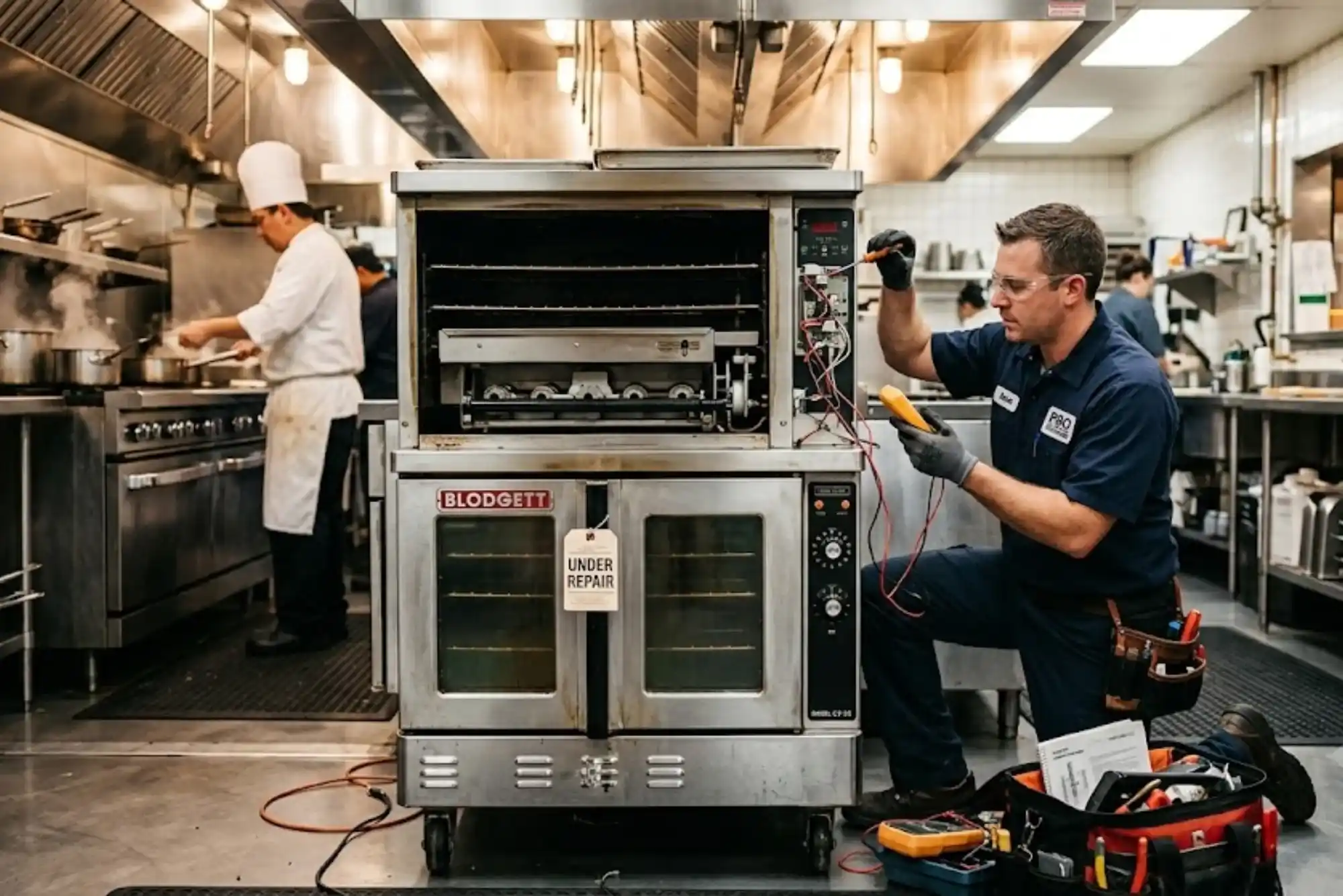
Smart home technology has changed the way people interact with their living spaces. Among the most impactful advancements in home comfort and energy management is the smart thermostat. Unlike traditional models that simply allow manual temperature adjustments, smart thermostats are designed to learn from user habits, respond to environmental conditions, and provide remote access through mobile devices. Upgrading to a smart thermostat is no longer considered a luxury but an intelligent investment for homeowners who value efficiency, convenience, and long-term savings.
A smart thermostat combines technology, automation, and data analytics to create a comfortable indoor environment without unnecessary energy waste. It integrates seamlessly with heating, ventilation, and air conditioning systems, offering homeowners precise control over their home’s climate. Understanding the benefits of this upgrade reveals why more households are making the switch.
Enhanced Energy Efficiency and Cost Savings
One of the most significant advantages of installing a smart thermostat is the improvement in energy efficiency. Traditional thermostats rely on manual settings, which often result in wasted energy because users forget to adjust temperatures when leaving home or sleeping. Smart thermostats, on the other hand, learn patterns and optimize heating and cooling schedules automatically.
By detecting when occupants are present and when the home is empty, smart thermostats reduce HVAC operation during unnecessary hours. Many models use geofencing technology to identify when residents are approaching or leaving the house, adjusting the system accordingly. Over time, these small adjustments lead to substantial energy savings. Lower energy consumption naturally translates into reduced utility bills, providing long-term financial benefits that often offset the cost of the device itself.
Remote Access and Convenient Control
Smart thermostats allow homeowners to control their HVAC system from anywhere using smartphones, tablets, or web applications. This level of convenience is particularly beneficial for busy individuals who may forget to adjust their thermostat before leaving the house. With remote access, temperatures can be changed instantly from virtually any location, ensuring comfort upon arrival without wasting energy while the home is unoccupied.
This capability is also helpful for frequent travelers or homeowners managing multiple properties. Remote control ensures that energy use remains efficient even when occupants are away for extended periods. In addition, some smart thermostats integrate with voice assistants such as Amazon Alexa, Google Assistant, and Apple HomeKit, allowing effortless hands-free adjustments.

Learning and Adapting to Your Lifestyle
The intelligent programming of smart thermostats allows them to learn daily routines over time. Unlike programmable thermostats that require manual scheduling, smart devices analyze temperature preferences,Benefits of Upgrading to a Smart Thermostat, occupancy patterns, and local weather conditions to automatically optimize performance.
For example, if the thermostat detects that the home tends to empty at certain hours each weekday, it will adjust temperatures accordingly. If it learns that occupants prefer a slightly cooler setting at night, it will gradually implement that adjustment without requiring user input. This adaptive technology ensures maximum comfort without constant manual intervention.
The ability to learn and adapt is particularly valuable in households with varying schedules. Over time, the thermostat develops a personalized schedule that keeps the home comfortable when needed and conserves energy during low-demand periods. This automated optimization provides a balance between comfort and cost savings that traditional thermostats cannot achieve.
Improved Integration with Smart Home Ecosystems
Smart thermostats are designed to function as part of a connected home. They often integrate with smart lighting, security systems, and energy monitoring devices to create a unified ecosystem. For example,Post Category, when a home security system is armed, the thermostat can automatically switch to energy-saving mode.
Integration with weather data also allows the thermostat to make predictive adjustments. If an unusually hot or cold day is forecasted, the system can begin temperature regulation in advance to maintain comfort efficiently. This level of automation enhances the overall smart home experience and reduces the need for manual climate management.
Enhanced Comfort Through Precision Control
Comfort is more than just maintaining a fixed temperature. A smart thermostat provides a level of precision that ensures consistent indoor comfort while reducing energy waste. Temperature fluctuations are minimized because the system can make minor, continuous adjustments based on real-time conditions rather than waiting for large deviations.
Some advanced models also monitor humidity and indoor air quality, alerting homeowners to potential issues or adjusting HVAC operation to improve the living environment. The result is a home that feels comfortable at all times, without the overcooling or overheating often associated with traditional systems.
Detailed Energy Usage Insights
Another valuable benefit of upgrading to a smart thermostat is the ability to track and analyze energy consumption. These devices generate reports and visualizations that show how and when energy is being used. This information allows homeowners to identify patterns, adjust behaviors, and make informed decisions about their energy usage.
For instance, if the thermostat detects a spike in energy consumption during a certain time of day, users can investigate whether adjusting schedules or improving insulation could reduce that load. Over time, energy reports empower homeowners to refine their habits for maximum efficiency.
Some utilities also offer incentives for using smart thermostats because they help manage demand on the electrical grid. By participating in demand-response programs, homeowners can earn rewards while contributing to energy conservation on a broader scale.
Environmentally Friendly Home Management
Reducing energy consumption is not just beneficial for utility bills; it also supports environmental sustainability. A smart thermostat ensures that energy is used only when needed, which lowers a household’s carbon footprint. By automatically managing heating and cooling cycles, these devices help reduce greenhouse gas emissions associated with energy production.
Homeowners who are committed to eco-friendly living can take advantage of smart thermostat features to align their daily comfort with environmental responsibility. Over time, widespread adoption of energy-saving technologies like smart thermostats contributes to more sustainable communities and energy systems.
Maintenance Alerts and System Health Monitoring
An often-overlooked advantage of smart thermostats is their ability to monitor HVAC system performance and alert homeowners to potential problems. If airflow is restricted, filters are clogged, or the system is running inefficiently, the thermostat can send notifications.
These early warnings allow homeowners to address maintenance issues before they escalate into costly repairs or breakdowns. Proactive maintenance supported by smart monitoring extends the lifespan of the HVAC system and ensures consistent comfort throughout the year.
Some models even provide reminders for seasonal maintenance, such as filter replacement or annual tune‑ups, helping homeowners stay ahead of routine tasks. This proactive approach minimizes unexpected service calls and supports long-term reliability.
Increased Property Value and Modern Appeal
In an increasingly connected world, homebuyers value properties that include smart technology. Installing a smart thermostat can enhance the appeal of a home by showcasing energy efficiency, modern convenience, and advanced automation features.
Even small technology upgrades can make a property more attractive in competitive markets. Prospective buyers are often drawn to homes that promise lower utility bills and seamless control over essential systems. As smart home adoption continues to grow, such features may become expected rather than optional in future real estate transactions.
Cost Justification and Long-Term Return on Investment
Some homeowners hesitate to adopt smart thermostats due to the initial purchase price. However, the investment often pays for itself through energy savings, reduced maintenance costs, and potential utility rebates.
By optimizing HVAC operation and providing actionable energy data, a smart thermostat generates measurable savings over its lifetime. When combined with the added value of convenience, comfort, and potential resale benefits, the return on investment is significant. For many households, the first year of optimized energy usage begins offsetting the upfront cost.
Security and Privacy Considerations
As with any connected device, smart thermostats interact with home networks and personal data. Choosing a reputable brand with strong security measures is important to protect privacy. Most leading models use encryption and secure communication protocols to safeguard user information.
Understanding and properly configuring privacy settings ensures that the benefits of a smart thermostat are enjoyed without unnecessary risk. Modern devices balance connectivity and data protection, allowing homeowners to embrace innovation with confidence.
Future-Proofing Home Comfort
Technology continues to advance rapidly, and adopting a smart thermostat positions a home for future integration with even more advanced systems. Emerging trends in home energy management include dynamic utility pricing, renewable energy integration, and artificial intelligence‑driven automation.
By upgrading to a smart thermostat today, homeowners lay the groundwork for participating in these innovations tomorrow. This proactive approach ensures that the home remains adaptable to evolving energy standards and compatible with upcoming smart home technologies.
A Smarter Path to Comfort and Savings
Upgrading to a smart thermostat delivers a comprehensive array of benefits that extend far beyond simple temperature control. Enhanced energy efficiency, remote accessibility, system monitoring, and personalized comfort combine to create a superior living environment. Financially, the reduction in energy consumption and the potential for utility incentives make the device a practical investment.
From an environmental perspective, the ability to minimize energy waste contributes to sustainability goals and supports broader energy conservation efforts. The modern homeowner seeking convenience, savings, and future‑ready technology will find that a smart thermostat is a pivotal addition to any home.
Making this upgrade transforms the way heating and cooling systems are managed. It turns the thermostat from a static device into an intelligent partner that actively improves daily comfort, protects equipment, and aligns with a connected lifestyle. For anyone considering a meaningful and practical home improvement, a smart thermostat is a step toward smarter living, better efficiency, and lasting value.