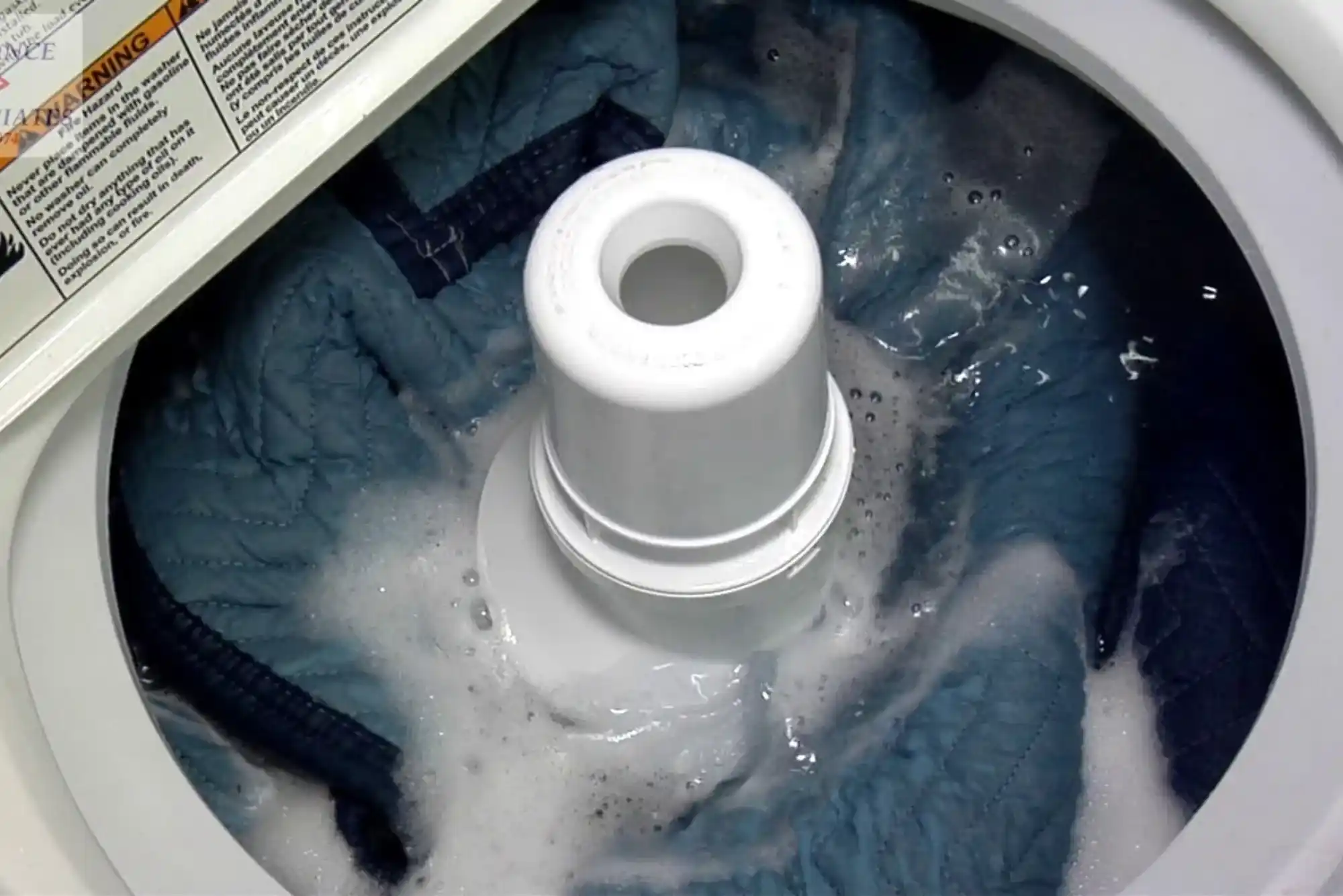
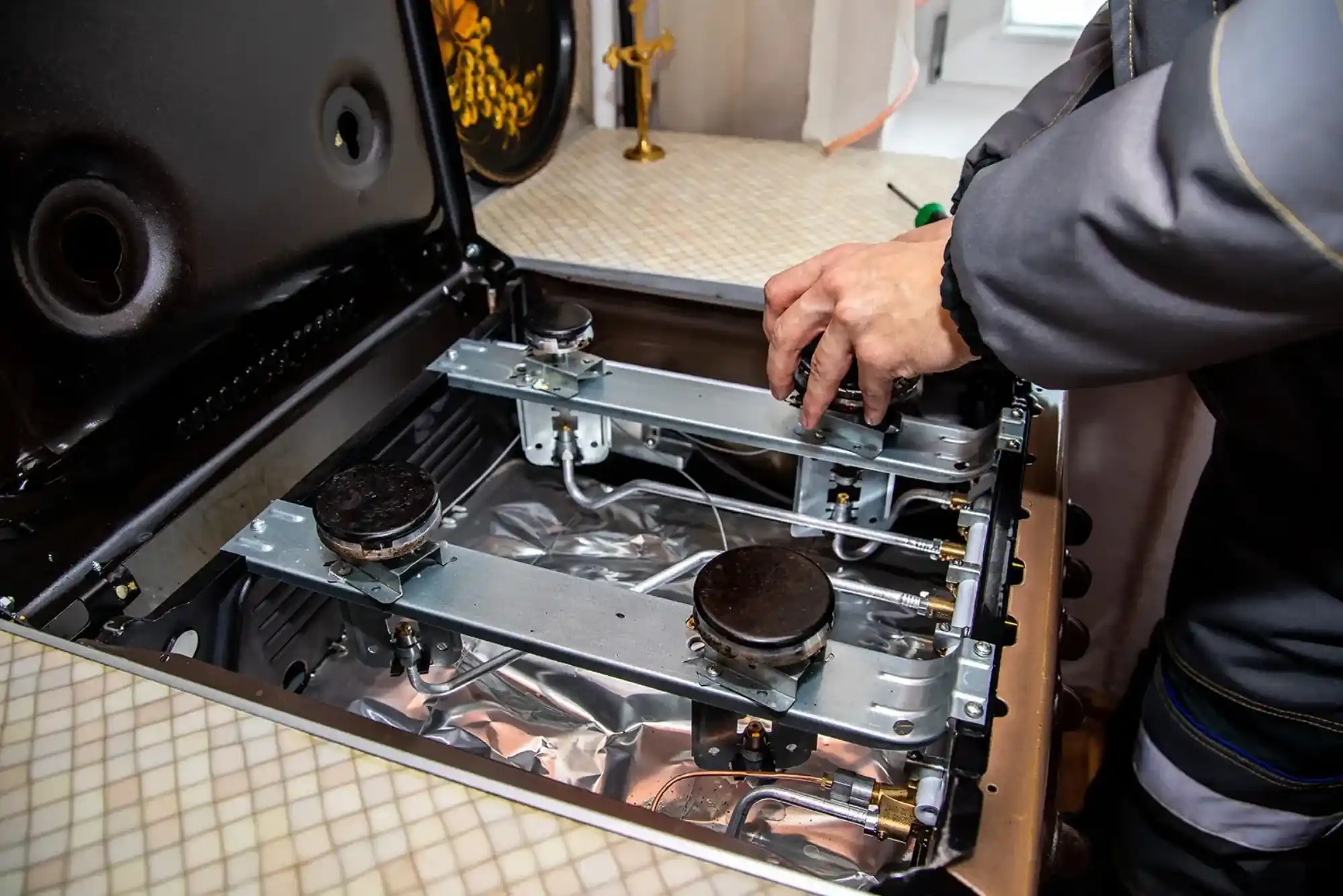
Washer deep cleaning and inspection is an essential maintenance practice that goes far beyond routine surface cleaning. Modern washing machines are complex appliances designed to handle heavy loads, frequent use, and different fabric types, yet many homeowners and businesses overlook what happens inside the washer over time. Detergent residue, fabric softener buildup, hard water minerals, mold spores, and bacteria can quietly accumulate in hidden components, reducing performance and compromising hygiene. A professional approach to washer deep cleaning and inspection ensures the appliance operates efficiently, safely, and reliably for years.
This detailed guide explains the importance of washer deep cleaning and inspection, how it works, and why it is a smart investment for residential and commercial users who value cleanliness, efficiency, and long-term appliance health.
Understanding the Importance of Washer Deep Cleaning and Inspection
A washing machine may appear clean from the outside, but internal components often tell a different story. Every wash cycle leaves behind traces of detergent, lint, dirt, and organic matter. Over time, these residues form layers that restrict water flow, affect temperature regulation, and create an environment where bacteria and mold thrive. Washer deep cleaning and inspection addresses these hidden issues by targeting internal systems that are not accessible during normal household cleaning.
Inspection is just as critical as cleaning. While deep cleaning removes buildup, inspection identifies early signs of wear, leaks, electrical issues, or mechanical strain. Together, washer deep cleaning and inspection form a preventive maintenance solution that protects both the appliance and the user.
How Washer Deep Cleaning Improves Hygiene and Safety
One of the primary reasons for washer deep cleaning and inspection is hygiene. A washer is meant to clean clothes, yet a contaminated drum or filter can reintroduce bacteria and odors into freshly washed laundry. This is especially problematic for families with children, individuals with allergies, or commercial environments such as hotels, salons, and healthcare facilities.
Professional washer deep cleaning focuses on eliminating biofilm, mold growth, and odor-causing bacteria from internal surfaces. When combined with inspection, it ensures seals, gaskets, and drainage systems are intact and free from contamination. The result is consistently fresh-smelling laundry and a safer washing environment.
The Role of Inspection in Preventing Costly Repairs
Inspection is a critical element of washer deep cleaning and inspection because many washer problems begin silently. Small leaks, loose connections, worn belts, or sensor malfunctions often go unnoticed until they cause major breakdowns. During a professional inspection, technicians evaluate electrical connections, water inlet valves, drainage systems, and moving components.
Early detection through inspection helps prevent unexpected failures that can lead to expensive repairs or complete appliance replacement. By scheduling regular washer deep cleaning and inspection, users can extend the lifespan of their washing machine and maintain optimal performance.
Enhancing Washing Performance Through Deep Cleaning
Over time, residue buildup can interfere with a washer’s ability to clean clothes effectively. Blocked spray nozzles, clogged filters, or scaled heating elements reduce water circulation and temperature accuracy. Washer deep cleaning and inspection restores these systems to proper working condition.
After a thorough deep cleaning, users often notice improved stain removal, shorter wash cycles, and better detergent efficiency. Inspection ensures that components responsible for agitation, spinning, and water distribution are functioning correctly, allowing the washer to deliver consistent and reliable results.
Washer Deep Cleaning and Inspection for Energy Efficiency
Energy efficiency is another significant benefit of washer deep cleaning and inspection. A washer struggling with internal buildup or mechanical resistance consumes more electricity and water to complete each cycle. Scaled heating elements require additional power to reach the desired temperature, while restricted drainage systems force the motor to work harder.
Through professional deep cleaning, mineral deposits and residue are removed, reducing strain on the appliance. Inspection verifies that motors, pumps, and sensors are operating within optimal parameters. This combination helps lower utility bills while supporting environmentally responsible appliance use.
Addressing Odors and Mold Issues Professionally
Persistent odors are one of the most common complaints among washer owners. These odors often originate from trapped moisture, detergent residue, and mold growth inside the drum or door seals. Washer deep cleaning and inspection tackles these problems at their source rather than masking them with fragrances.
Professional cleaning reaches areas such as inner drums, hoses, and seals where mold colonies often develop. Inspection ensures that ventilation systems and drainage pathways are clear, reducing moisture retention. This comprehensive approach eliminates odors and prevents their return.
Washer Deep Cleaning and Inspection in Commercial Settings
In commercial environments, washer deep cleaning and inspection is not optional; it is a necessity. Laundromats, hotels, gyms, and healthcare facilities rely on washing machines for daily operations. Any decline in performance or hygiene can affect customer satisfaction and compliance with health standards.
Regular deep cleaning maintains high sanitation levels, while inspection minimizes downtime by identifying potential failures early. For businesses, washer deep cleaning and inspection protects both reputation and operational efficiency, making it a vital part of facility management.
Extending Appliance Lifespan with Preventive Care
A washing machine represents a significant investment, and like any mechanical system, it benefits from preventive care. Washer deep cleaning and inspection reduces wear caused by friction, overheating, and chemical residue. Clean components move more freely, while inspected systems operate within safe limits.
Over time, this preventive approach can add years to the appliance’s lifespan. Instead of reacting to breakdowns, users who prioritize washer deep cleaning and inspection enjoy consistent performance and fewer disruptions.
When to Schedule Washer Deep Cleaning and Inspection
The frequency of washer deep cleaning and inspection depends on usage patterns, water quality, and load types. Households with frequent washing, hard water, or heavy detergent use may require more regular maintenance. Commercial users typically benefit from scheduled inspections at shorter intervals.
Warning signs such as unusual noises, persistent odors, longer cycle times, or reduced cleaning performance indicate the need for immediate washer deep cleaning and inspection. Addressing these issues promptly helps avoid escalation into major repairs.
Professional Expertise Makes the Difference
While some basic cleaning can be done at home, professional washer deep cleaning and inspection offers a level of thoroughness that DIY methods cannot achieve. Trained technicians use specialized tools, cleaning agents, and diagnostic techniques to access internal components safely.
Inspection performed by professionals ensures compliance with manufacturer guidelines and safety standards. This expertise not only improves results but also protects warranties and reduces the risk of accidental damage.
The Long-Term Value of Washer Deep Cleaning and Inspection
Washer deep cleaning and inspection is more than routine maintenance; it is a strategic investment in performance, hygiene, and durability. Clean internal systems enhance washing quality, while inspection safeguards against unexpected failures. Together, they support a reliable, energy-efficient appliance that meets modern cleanliness standards.