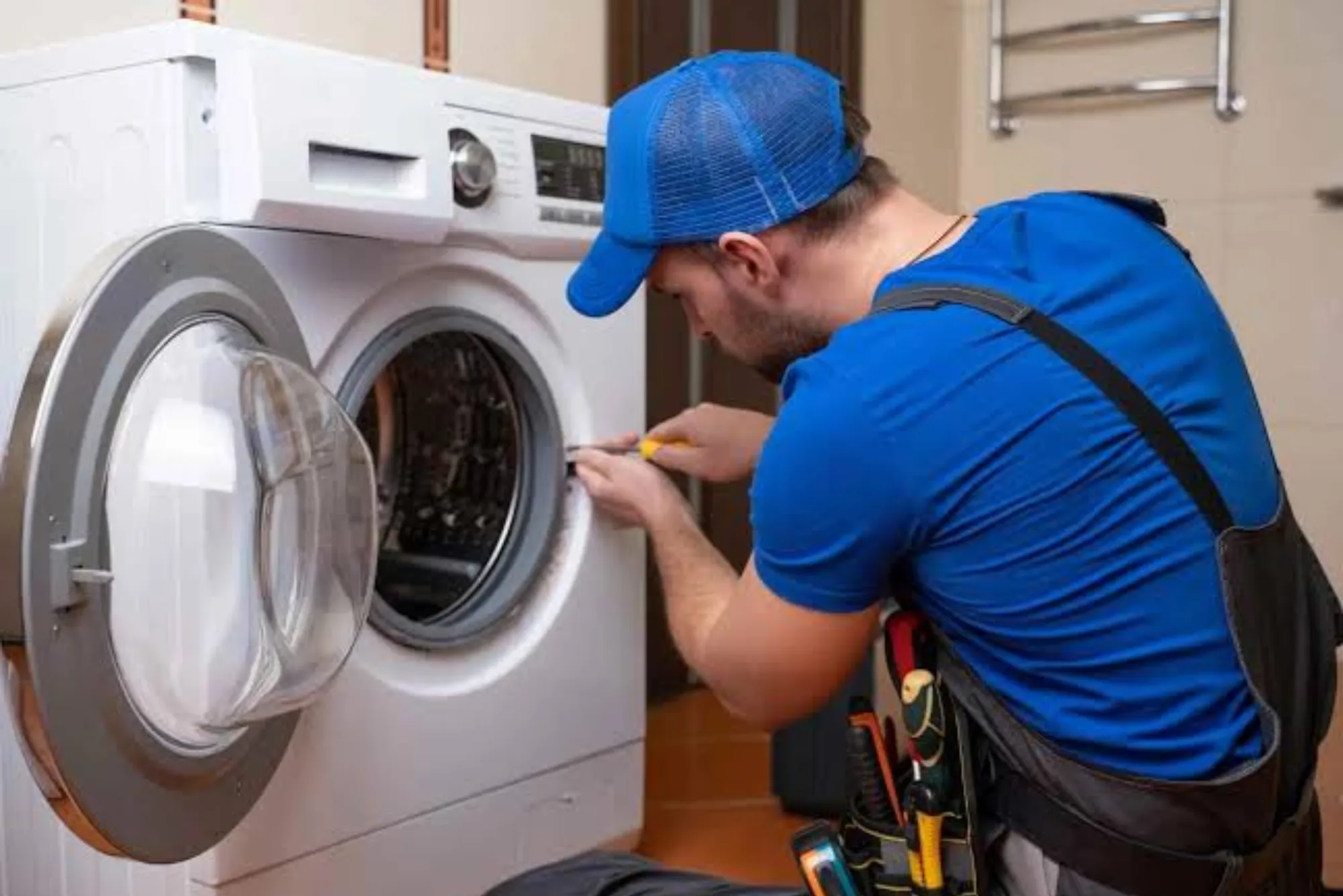
Technology has transformed every aspect of modern living, and one of the most noticeable advancements in home appliances can be seen in washing machines. Once simple mechanical devices with a few basic settings, today’s washing machines are intelligent systems equipped with programmable controls that manage every stage of the wash cycle. These controls not only make washing easier and faster but also ensure cleaner clothes, reduced energy consumption, and greater user satisfaction.
Programmable controls are the “brain” of modern washing machines. They oversee water intake, drum rotation, detergent dispensing, and temperature management with precise timing. This level of automation allows users to customize washing according to fabric type, load size, and dirt intensity, ensuring every garment receives the care it deserves.
The Evolution of Washing Machine Technology
The earliest washing machines relied on manual knobs and timers that controlled only a few limited settings. Users had to monitor the process closely to avoid underwashing or overwashing. Over the years, advances in microprocessor technology revolutionized appliance control systems. Washing machines evolved from mechanical dials to fully digital interfaces capable of storing multiple programs and adapting automatically to user preferences.
Programmable controls became the turning point in this evolution. They brought intelligence to washing machines, allowing sensors and electronic circuits to work together seamlessly. The result was greater precision, improved efficiency, and more convenience than ever before. Today, programmable washing machines are standard in most households, representing the perfect blend of engineering and everyday practicality.
How Programmable Controls Work
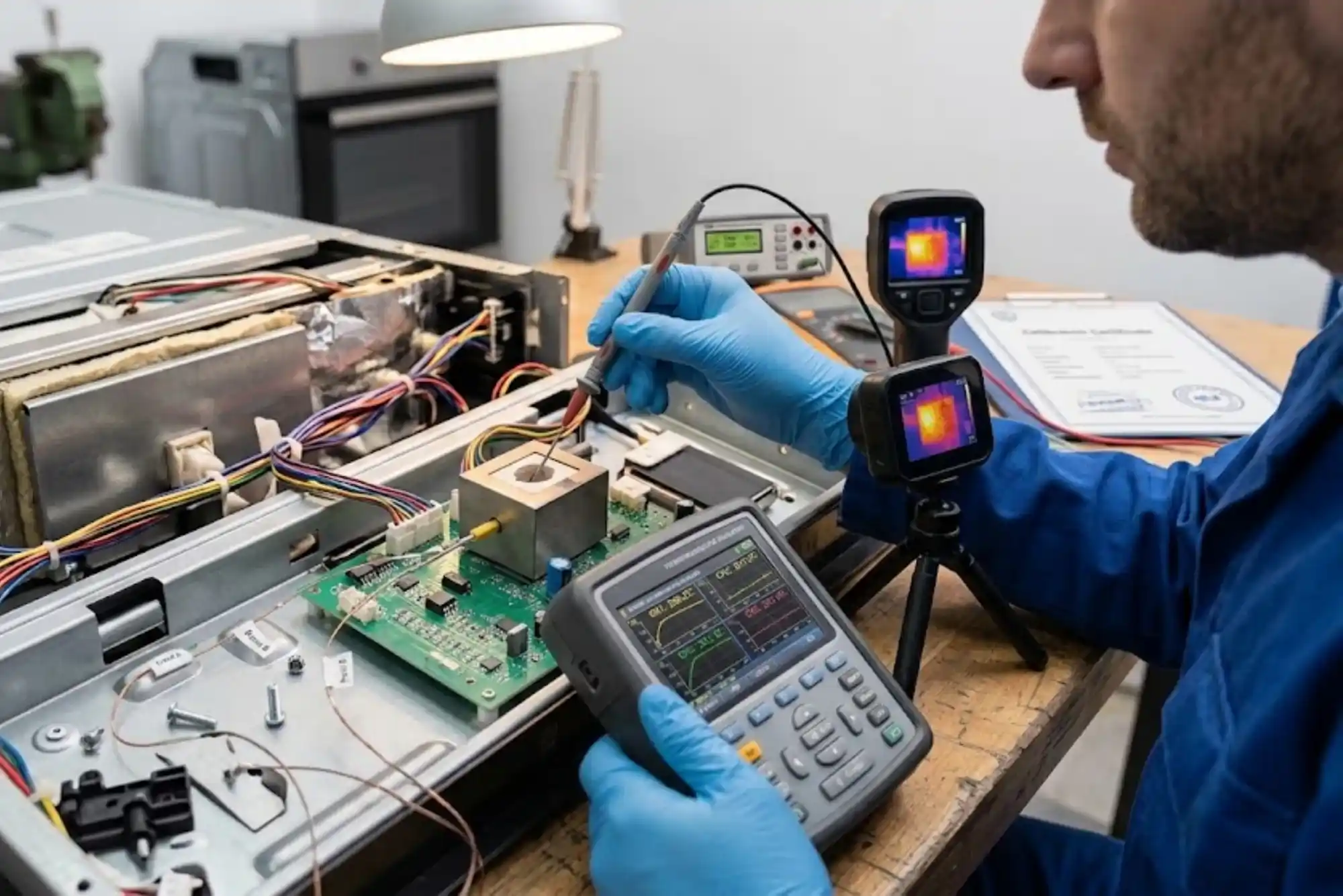
At the core of every modern washing machine is a control board that functions like a small computer. It receives input from various sensors—such as water level detectors, temperature sensors, and load balancers—and processes these signals to determine the best operating conditions for each cycle.
Once the user selects a program, the control system automatically adjusts water volume, temperature, and cycle duration. For instance, a delicate cycle uses less agitation and cooler water, while a heavy-duty cycle applies stronger drum movements and higher heat. This level of precision ensures optimal cleaning results while minimizing fabric damage and resource waste.

Programmable controls also allow for flexibility in operation. Many machines include features such as delayed start, quick wash, or eco-friendly modes. These options let users adapt washing routines to their schedules and preferences, giving them full control over time, energy, and water usage.
Enhancing Energy Efficiency and Sustainability
One of the greatest benefits of programmable controls is their contribution to energy efficiency. Traditional washing machines often used fixed amounts of water and power regardless of the load size. In contrast, programmable systems automatically detect load weight and fabric type, adjusting settings to use only what’s necessary.
This intelligent resource management not only reduces household utility bills but also supports global efforts toward sustainability. As consumers become more environmentally conscious, manufacturers continue to refine these systems to meet modern efficiency standards. By optimizing each wash cycle, programmable controls ensure that every drop of water and every unit of electricity is used effectively.
Improving Washing Performance and Fabric Care
Programmable washing machines provide far more than convenience—they deliver professional-grade washing results. By controlling drum motion, water temperature, and detergent concentration with exceptional precision, they remove dirt more effectively while preserving the texture and color of fabrics.
Different fabrics require different care, and programmable systems adapt automatically to these needs. Cotton, wool, silk, and synthetic fibers all receive customized treatment that maintains their quality over time. This level of control helps extend the lifespan of clothing, reducing the need for frequent replacements and making washing both economical and efficient.
The Role of Smart Connectivity and AI
The latest generation of washing machines goes beyond basic programmable functions. Many now integrate artificial intelligence and smart connectivity features that allow users to control and monitor the machine remotely through smartphone applications. These intelligent systems learn user preferences over time, suggesting the most efficient programs automatically.
AI-enabled programmable controls can even detect the type of fabric through sensors, analyze soil levels, and adjust detergent and water accordingly. This advanced automation not only saves time but also ensures consistent results. Connectivity also enhances maintenance, as the machine can alert the user or service center about potential issues before they become major problems.
Such innovations have made washing machines part of the broader Internet of Things (IoT) ecosystem, transforming them from basic appliances into intelligent home partners. The integration of AI and programmable controls represents the future of household technology—one focused on convenience, performance, and sustainability.
The User Experience in Modern Washing
For users, the experience of operating a washing machine with programmable controls is defined by simplicity and confidence. Digital displays, touch interfaces, and intuitive icons make it easy to select the right program, even for those unfamiliar with technical settings. Many machines also feature memory functions that store favorite cycles for repeated use.
The sense of control and reliability these systems provide has changed how people view laundry. What was once a repetitive, time-consuming chore is now an automated, efficient process that fits seamlessly into modern lifestyles. The combination of technology and design ensures that users spend less time managing their laundry and more time enjoying the results.
The Future of Programmable Controls
As technology continues to evolve, the future of washing machine programmable controls looks even more promising. Manufacturers are developing systems capable of even greater accuracy and self-learning capabilities. Future models may automatically detect load composition, recommend cycle types, and use real-time data to optimize detergent concentration and water flow.
These advancements will continue to push the boundaries of what household appliances can achieve. The goal is to create machines that are not only efficient and reliable but also self-sustaining and environmentally responsible. Programmable controls will remain central to this innovation, bridging the gap between human convenience and technological intelligence.
The rise of programmable controls has completely transformed the washing machine from a simple appliance into an intelligent, adaptive system. By managing energy use, enhancing fabric care, and providing users with precise control over every wash cycle, these systems redefine efficiency in home laundry.
The combination of automation, smart technology, and sustainability makes programmable controls an essential feature of modern washing machines. They reflect how human needs and technological innovation can align to make daily life more efficient, convenient, and environmentally friendly. As washing machines continue to evolve, programmable controls will remain at the forefront of this technological journey—ensuring that cleanliness, care, and convenience always go hand in hand.