Modern kitchens rely heavily on appliances that guarantee both efficiency and safety. Among these appliances, the oven is essential for daily cooking, yet it comes with inherent electrical and thermal risks. One of the critical components ensuring oven safety and reliable operation is the thermal fuse. While often overlooked, the thermal fuse plays a vital role in preventing accidents, maintaining optimal performance, and extending the lifespan of the appliance. Understanding its function, importance, and maintenance requirements is crucial for both homeowners and service technicians.
Understanding Thermal Fuses
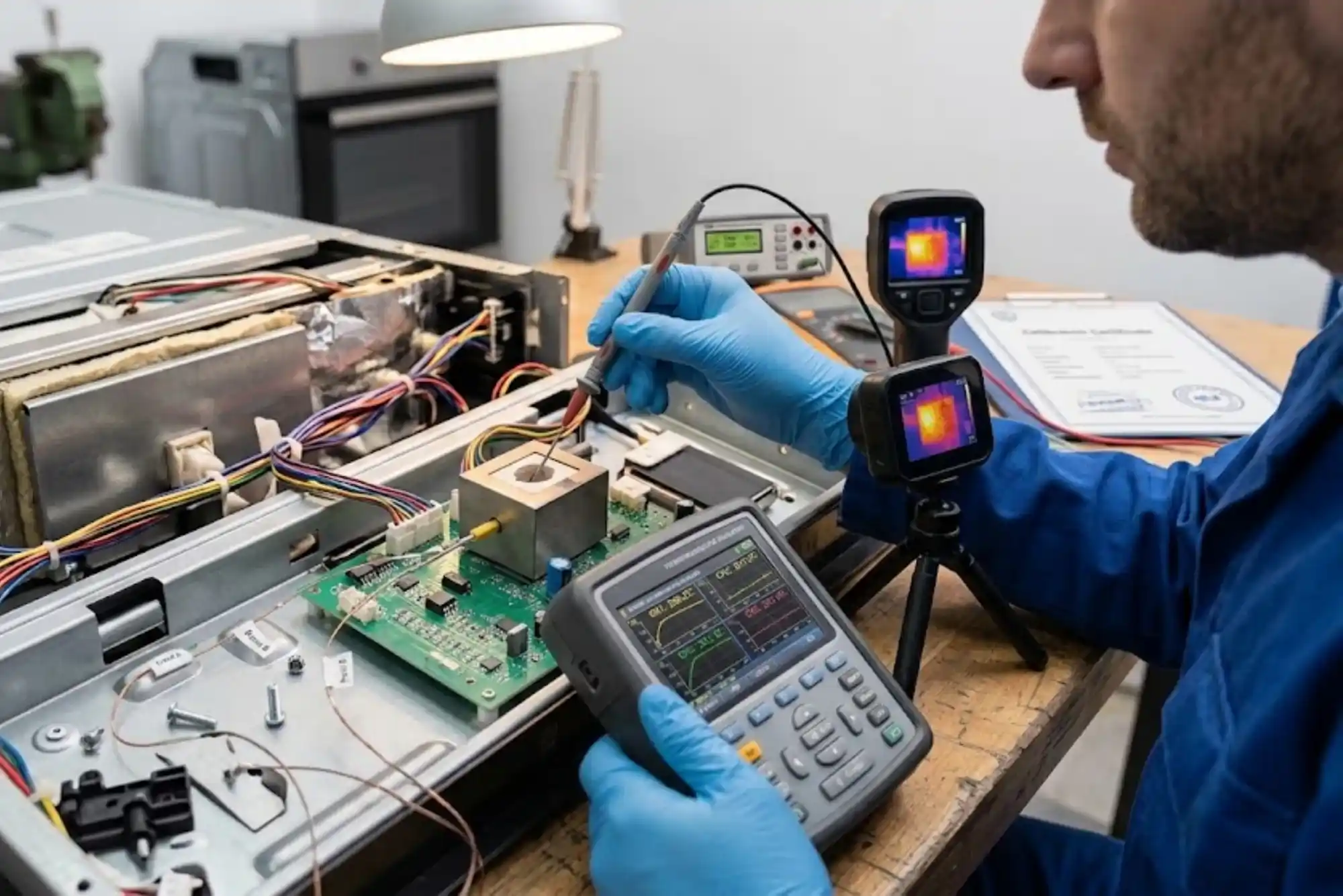
A thermal fuse is a safety device designed to protect an oven from overheating. Unlike standard fuses that respond to electrical surges, a thermal fuse reacts to excessive temperature. If the oven reaches an unsafe heat level, the thermal fuse interrupts the electrical circuit, preventing the appliance from continuing to operate. This action reduces the risk of fire, electrical damage, and component failure.
Thermal fuses are typically small, cylindrical components located near heating elements or inside the control panel of the oven. Their construction includes a temperature-sensitive material that melts or breaks the circuit once a predefined temperature threshold is exceeded. This simple yet effective mechanism ensures that the oven does not operate under dangerous conditions, safeguarding both the appliance and its users.
Importance in Oven Safety
The primary role of a thermal fuse is to act as a fail-safe mechanism. Ovens can experience malfunctions that cause heating elements to overheat or electrical circuits to behave unpredictably. Without a thermal fuse, these malfunctions could escalate into dangerous situations, including fires or severe damage to internal components. By cutting off power when temperatures exceed safe limits, the thermal fuse prevents potential accidents and ensures user safety.
Furthermore, the thermal fuse helps maintain the longevity of the oven. Overheating can stress other components, such as thermostats, wiring, and heating elements, accelerating wear and increasing the likelihood of breakdowns. By interrupting power when necessary, the thermal fuse preserves these components, reducing the frequency of repairs and enhancing the overall reliability of the oven.
Signs of a Faulty Thermal Fuse
Recognizing when a thermal fuse has failed is essential for preventing oven damage and ensuring continued safe operation. A common indication of a faulty thermal fuse is when the oven fails to heat despite being correctly connected to a power source. Unlike issues caused by thermostat malfunctions or wiring problems, a blown thermal fuse entirely disables the heating function.

Other symptoms may include intermittent heating, unusual odors, or the oven shutting down unexpectedly during operation. These issues indicate that the thermal fuse has detected excessive heat or is experiencing degradation. Timely diagnosis and replacement by a professional repair service are critical to restore oven functionality and prevent further damage.
Professional Thermal Fuse Replacement
While some oven maintenance tasks can be performed by homeowners, replacing a thermal fuse requires professional expertise. Technicians ensure the correct type and rating of the thermal fuse are used, matching the oven’s specifications. Installing an incorrect fuse can compromise safety, cause repeated failures, or even damage other components.
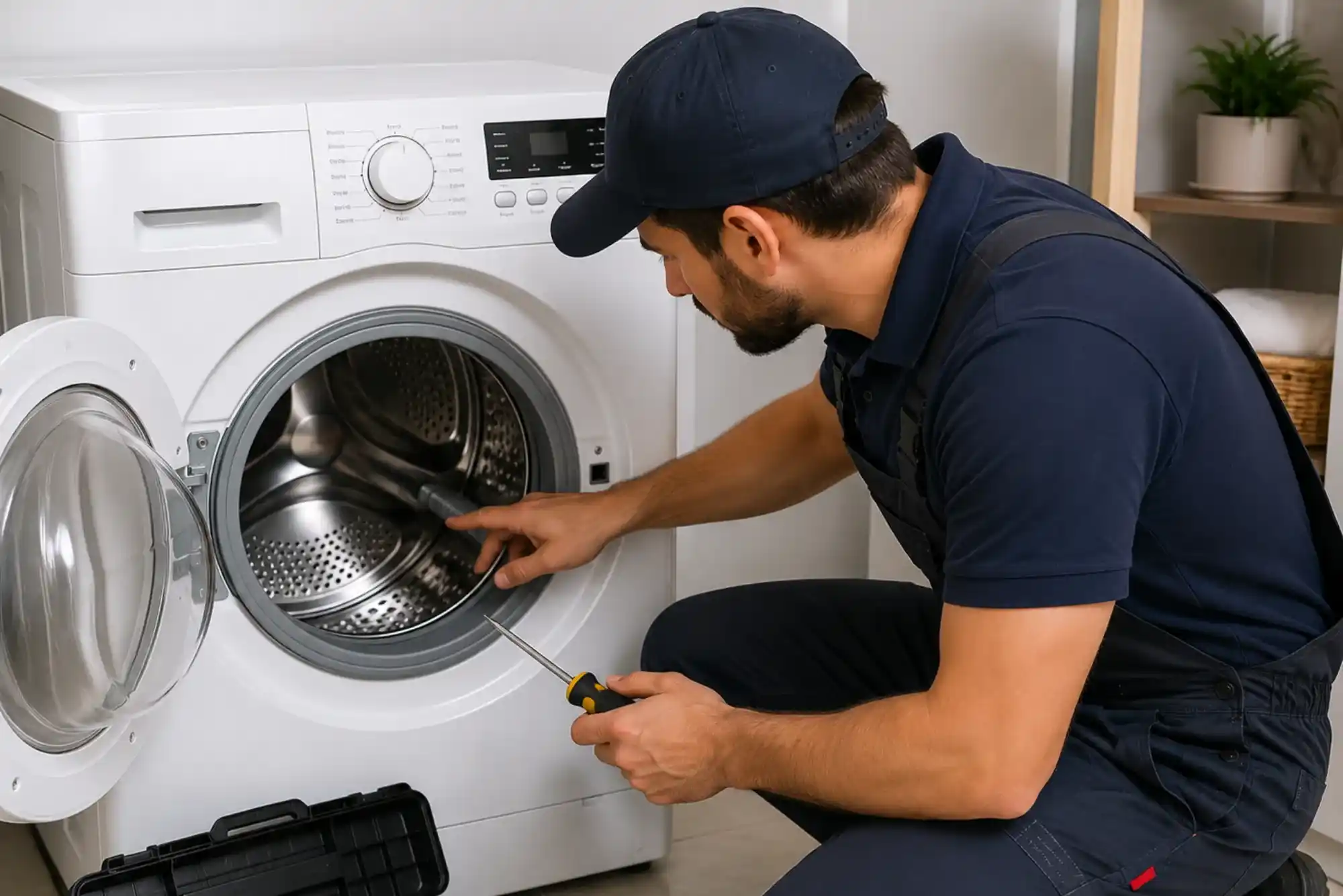
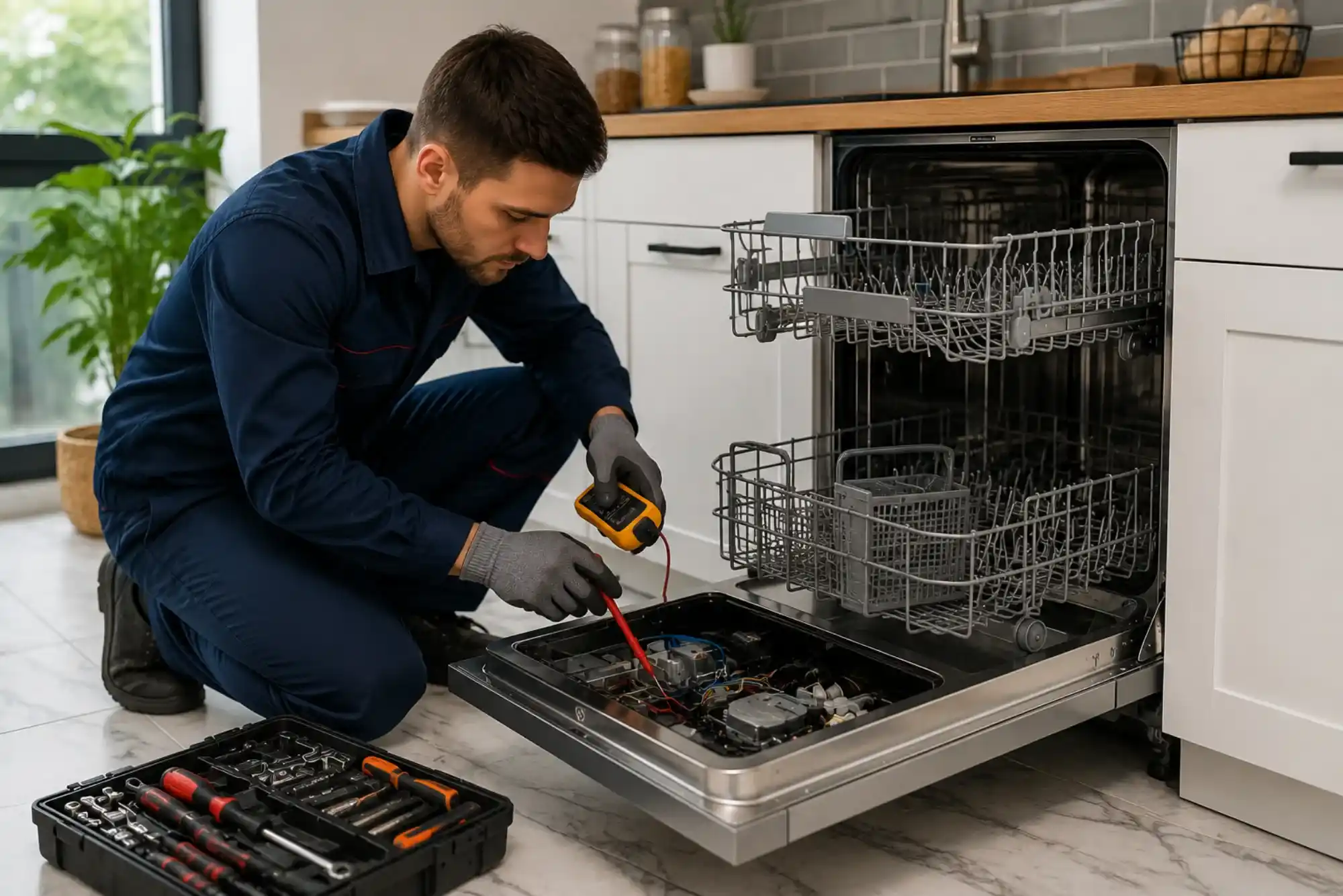
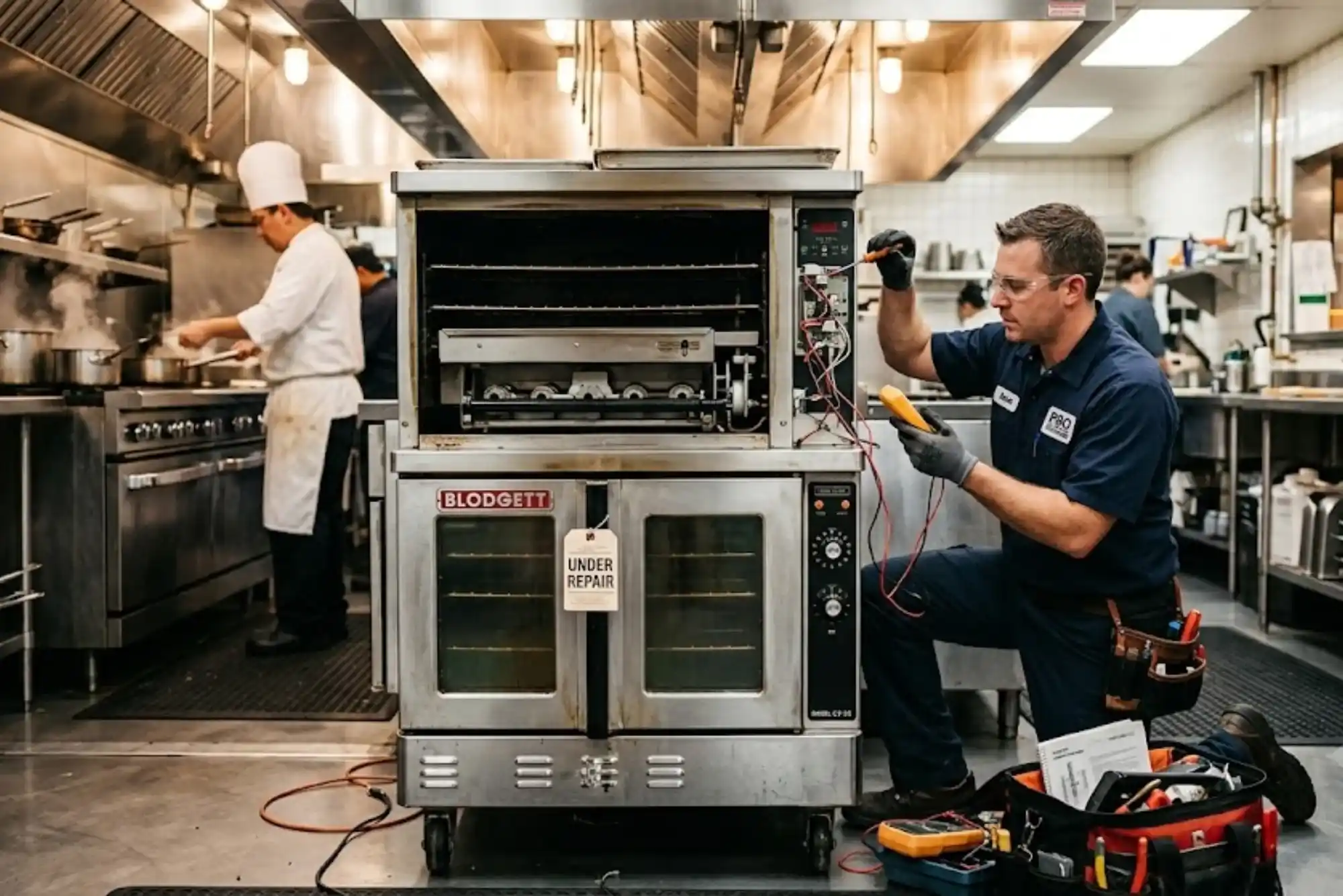
A professional repair service, such as Hafixer Home Appliances Repair, provides thorough diagnostics to confirm the thermal fuse as the root cause of malfunction. They also inspect adjacent components for heat damage or wear, ensuring comprehensive maintenance. This approach not only restores the oven’s operation but also safeguards against future risks associated with overheating.
Preventive Maintenance and Safety Practices
Although thermal fuses are designed to protect ovens from overheating, preventive maintenance can reduce the likelihood of fuse failure. Regularly cleaning the oven to remove grease, debris, and food residues helps maintain even heating and prevents unnecessary stress on components. Checking for damaged wiring, loose connections, or worn heating elements further minimizes the risk of overheating that could trigger the thermal fuse.
Professional service providers recommend scheduling routine inspections for ovens, particularly in households that use the appliance frequently. These inspections identify potential issues before they escalate, including worn thermal fuses or related electrical components. Ensuring the oven operates within safe temperature limits enhances both performance and safety.
The Role of Thermal Fuses in Modern Ovens
As ovens have evolved with advanced features such as convection heating, self-cleaning cycles, and digital controls, the role of the thermal fuse has become even more critical. Modern ovens repair operate at higher temperatures and incorporate complex electronics, making protection mechanisms essential. The thermal fuse acts as the frontline safeguard against overheating, complementing other safety features such as thermostats and circuit breakers.
Moreover, thermal fuses contribute to energy efficiency. By preventing the oven from operating under unsafe conditions, they avoid energy waste caused by malfunctioning heating elements. In commercial kitchens, where ovens are used intensively, maintaining functional thermal fuses ensures consistent performance while reducing energy costs.
When to Seek Professional Assistance
Homeowners should not attempt to bypass or repair a thermal fuse themselves. Doing so can compromise safety, void warranties, and increase the risk of fire. Immediate professional assistance is necessary when an oven fails to heat, exhibits erratic temperature behavior, or shows signs of electrical issues. Skilled technicians not only replace the thermal fuse but also conduct a complete assessment of the oven’s safety and performance.
Relying on experienced service providers, such as Hafixer Home Appliances Repair, ensures the correct handling of electrical components and adherence to manufacturer specifications. This approach provides peace of mind, knowing the oven is safe to use and functioning efficiently.
Thermal fuses play an indispensable role in modern ovens, serving as critical safety devices that prevent overheating, protect internal components, and ensure reliable operation. Understanding their function and recognizing signs of failure is essential for homeowners who want to maintain safe and efficient appliances.