A refrigerator door gasket plays a crucial role in maintaining the appliance’s efficiency by ensuring an airtight seal that keeps the cool air inside. When this rubber seal becomes worn out, cracked, or loose, your refrigerator begins to lose cold air, forcing the compressor to work harder. Over time, this not only raises your electricity bills but can also lead to food spoilage and mechanical strain. Learning how to replace a fridge door gasket is essential for keeping your appliance in peak condition. This comprehensive guide explains everything you need to know—from identifying gasket problems to completing a professional replacement that restores performance and efficiency.
Understanding the Purpose of a Fridge Door Gasket
The door gasket, often made from flexible rubber or magnetic vinyl, runs along the perimeter of your refrigerator and freezer doors. Its main purpose is to create an airtight seal when the door is closed, preventing warm air from entering and cool air from escaping. This seal is vital for temperature stability, energy efficiency, and food preservation. A damaged gasket can cause the refrigerator to overwork, leading to inconsistent cooling, condensation buildup, or even the formation of ice in unwanted areas.
When the gasket no longer adheres properly, you might notice gaps between the door and the frame. This seemingly minor issue can significantly affect performance, as the cooling system compensates for the air leakage by consuming more energy. Therefore, timely replacement of a worn-out door gasket is both a cost-saving and performance-boosting measure.
Signs That Your Fridge Door Gasket Needs Replacement
Before jumping into the replacement process, it’s important to identify whether your gasket is indeed the source of the problem. A few common indicators help you determine this. You might feel cool air escaping around the door edges or observe condensation forming on the seal area. Visually inspecting the gasket can reveal cracks, splits, or areas where the rubber has hardened and lost flexibility. Another simple test involves closing the door on a thin piece of paper and trying to pull it out; if it slides easily, the gasket is not sealing properly.
These symptoms confirm that your fridge door gasket has deteriorated and requires immediate replacement. Ignoring these signs can lead to higher power consumption, unstable internal temperatures, and reduced lifespan of the compressor.
Preparing for the Replacement
Replacing a fridge door gasket repair is a manageable task if approached carefully. Preparation ensures the process goes smoothly and that the new gasket fits perfectly. Begin by checking the model number of your refrigerator, usually found inside the fridge compartment or on the manufacturer’s label near the door frame. This information helps you purchase the correct replacement gasket designed specifically for your fridge model.

Before installation, remove any items stored in the door compartments to reduce weight and make handling easier. You should also unplug the refrigerator for safety reasons and allow the door gasket area to reach room temperature. This makes it easier to work with and helps the new gasket adhere properly. If the new gasket arrives folded or creased, soak it in warm water for a few minutes or use a hairdryer on a low setting to restore its shape and flexibility.
Removing the Old Gasket
The removal process depends slightly on your refrigerator model, but the overall concept remains similar. Open the door fully and locate the retaining strip or screws that hold the gasket in place. These fasteners are usually hidden under the gasket’s inner lip. Gently lift the edge of the gasket and loosen the screws, taking care not to damage the liner. As you release the old gasket, work gradually around the perimeter until it completely detaches from the door.
Inspect the groove where the gasket sits and clean it thoroughly. Dirt, grease, or food residue can prevent the new seal from sitting correctly. A mild soap solution and a soft cloth are sufficient for cleaning. Ensuring the surface is clean and dry is vital for a strong, airtight installation.
Installing the New Gasket
Once the surface is clean, align the new gasket along the door edge. Start from one corner and press the gasket’s lip into the retaining groove or track. Continue working evenly around the perimeter, making sure the gasket sits flush with the surface and that the corners are firmly in place. If your refrigerator uses screws or clips, tighten them lightly first, ensuring the gasket fits properly before final adjustments.
After the gasket is installed, close the door and inspect the seal. The door should close smoothly without any uneven gaps. If parts of the gasket appear distorted or not adhering properly, gently warm them with a hairdryer to soften the material and mold it into position. Avoid overheating, as excessive heat can damage the rubber.
Testing the Seal
A proper test ensures that your hard work results in a perfect seal. After installing the new gasket, plug the refrigerator back in and wait for it to start running. Then, perform the paper test again. Insert a thin piece of paper between the gasket and the door frame, close the door, and try pulling it out. If you feel strong resistance, the gasket is sealing correctly. Test multiple spots around the door to confirm consistency.
It’s also helpful to observe the door alignment. If the door doesn’t sit evenly or appears to sag, adjust the hinges slightly until the gasket makes full contact with the refrigerator body. A well-sealed door keeps your fridge energy-efficient and maintains the internal temperature at an optimal level.
Allowing the Gasket to Settle
After installation, the new gasket may need some time to conform to the door’s shape completely. Over the next 24 hours, open and close the door several times to help it settle. During this period, avoid overloading the door shelves, as excess weight can distort the seal. Maintaining a balanced load allows the gasket to form a perfect contour against the frame.
It’s also advisable to apply a thin layer of petroleum jelly or food-grade silicone grease along the gasket surface. This helps preserve the rubber’s flexibility and prevents it from drying out over time. Regular maintenance can extend the life of the new gasket and reduce the likelihood of future replacements.
Maintaining Your Fridge Door Gasket
Proper care ensures your new gasket remains in excellent condition for years. Clean the seal regularly using mild soapy water to remove spills, crumbs, and sticky residues that can weaken the seal. Avoid using harsh chemicals, as they can cause the rubber to deteriorate. Periodically inspect the gasket for any signs of wear or separation and address minor issues promptly to prevent further damage.
Keeping the gasket clean and pliable also enhances hygiene, as mold or bacteria can develop in the folds of neglected seals. Additionally, ensure that the refrigerator door closes smoothly and that no objects obstruct the gasket area. A little attention to maintenance can save you from energy loss and future repair costs.
Why Professional Help Can Be Beneficial
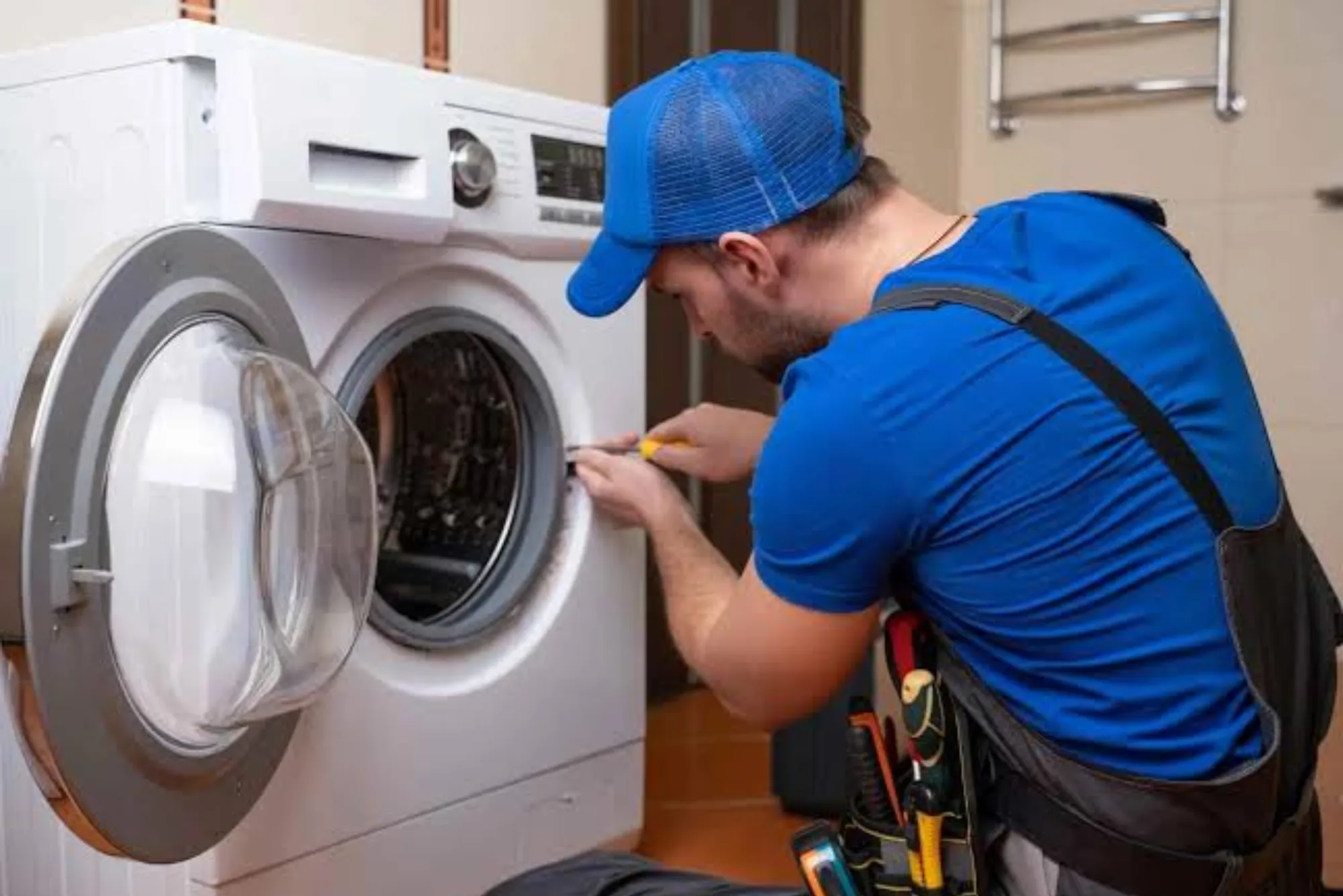
While replacing a fridge door gasket is manageable for many homeowners, certain situations call for professional assistance. If the gasket channel is damaged, the door is misaligned, or the seal fails to stay in place after installation, an appliance repair expert can diagnose and fix the issue quickly. Professional technicians also carry specialized tools and replacement parts that ensure a perfect fit and long-lasting performance.
For residents in Dubai, expert appliance repair services like HAFixer Home Appliances Repair provide professional refrigerator gasket replacement, ensuring your fridge performs optimally. They handle everything from gasket sourcing to precise fitting, allowing you to enjoy an energy-efficient and fully functional refrigerator without hassle.
A properly functioning fridge door gasket is essential for maintaining the efficiency and reliability of your refrigerator. Replacing a damaged gasket is a straightforward process that significantly improves performance, reduces energy costs, and extends the appliance’s life. By following the correct preparation, installation, and testing steps, you can achieve professional results at home.
However, if the task seems complex or your refrigerator has additional issues, seeking help from a trusted service provider ensures the job is done safely and effectively. With proper care and attention, your new gasket will keep your refrigerator running efficiently, preserving food freshness and saving energy for years to come.