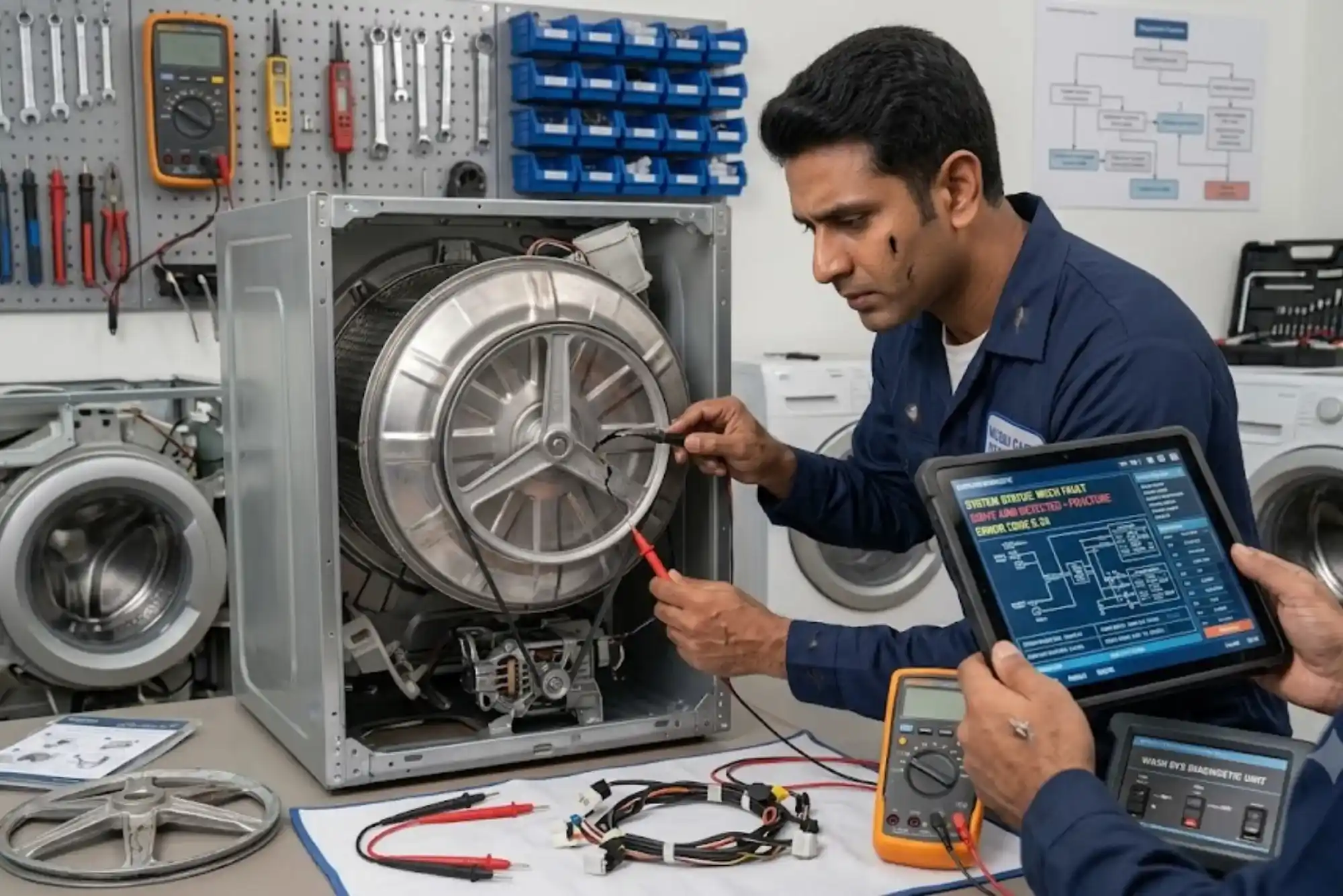
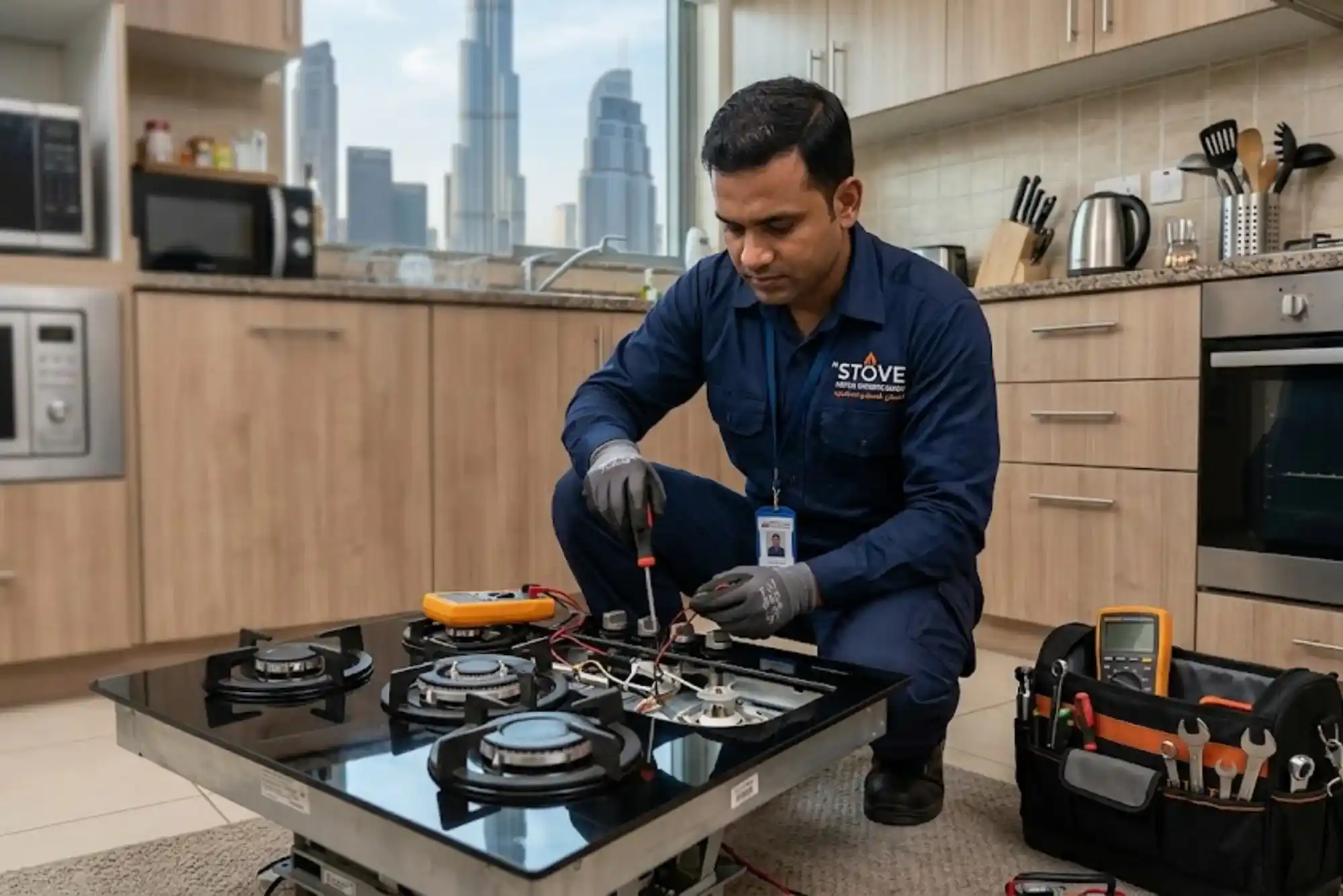
A well-functioning oven is central to every kitchen, whether for a busy household or a professional culinary environment. However, over time, the oven burners can accumulate grease, food residue, and other forms of buildup that reduce their efficiency. Neglecting regular maintenance not only affects cooking performance but also increases energy consumption and potentially poses safety risks. Understanding the importance of complete oven burner cleaning and efficiency restoration can help homeowners and chefs maintain their appliances at peak performance.
Understanding Oven Burner Performance
The oven burner is the heart of the cooking process. It regulates heat distribution, ensures consistent temperature, and directly impacts the quality of the meals prepared. A burner that is clogged or coated with debris struggles to emit even flames, which leads to uneven cooking. This inefficiency is not just a matter of inconvenience; it can affect the longevity of the oven and increase the risk of gas leaks in gas-powered models. Professional cleaning and restoration practices address these problems by removing blockages, restoring flame patterns, and enhancing overall energy efficiency.
Causes of Burner Inefficiency
Burner inefficiency typically arises from years of accumulated grease, dust, and food particles. Every time the oven is used, small amounts of residue adhere to the burner surface. In addition, environmental factors such as humidity can contribute to corrosion or buildup on metal components. Grease splatters from frying, roasting, or baking often coat the burner ports, restricting the gas or heat flow. In gas ovens, clogged ports can cause uneven flames or yellow flames, signaling incomplete combustion and inefficient fuel use. Restoration of the burner ensures that these issues are resolved without compromising safety.
Signs That Your Burner Needs Cleaning
Many oven users may not immediately realize that the burner is underperforming. Common indicators include flames that appear irregular or inconsistent, longer cooking times, or unevenly cooked food. A hissing or sputtering sound while the burner operates may also signal blockage or corrosion. In some cases, excessive smoke or a distinct odor during cooking points to accumulated debris. Recognizing these warning signs early allows for timely intervention, making complete oven burner cleaning and efficiency restoration a necessary step before the appliance suffers further damage.
The Process of Complete Burner Cleaning
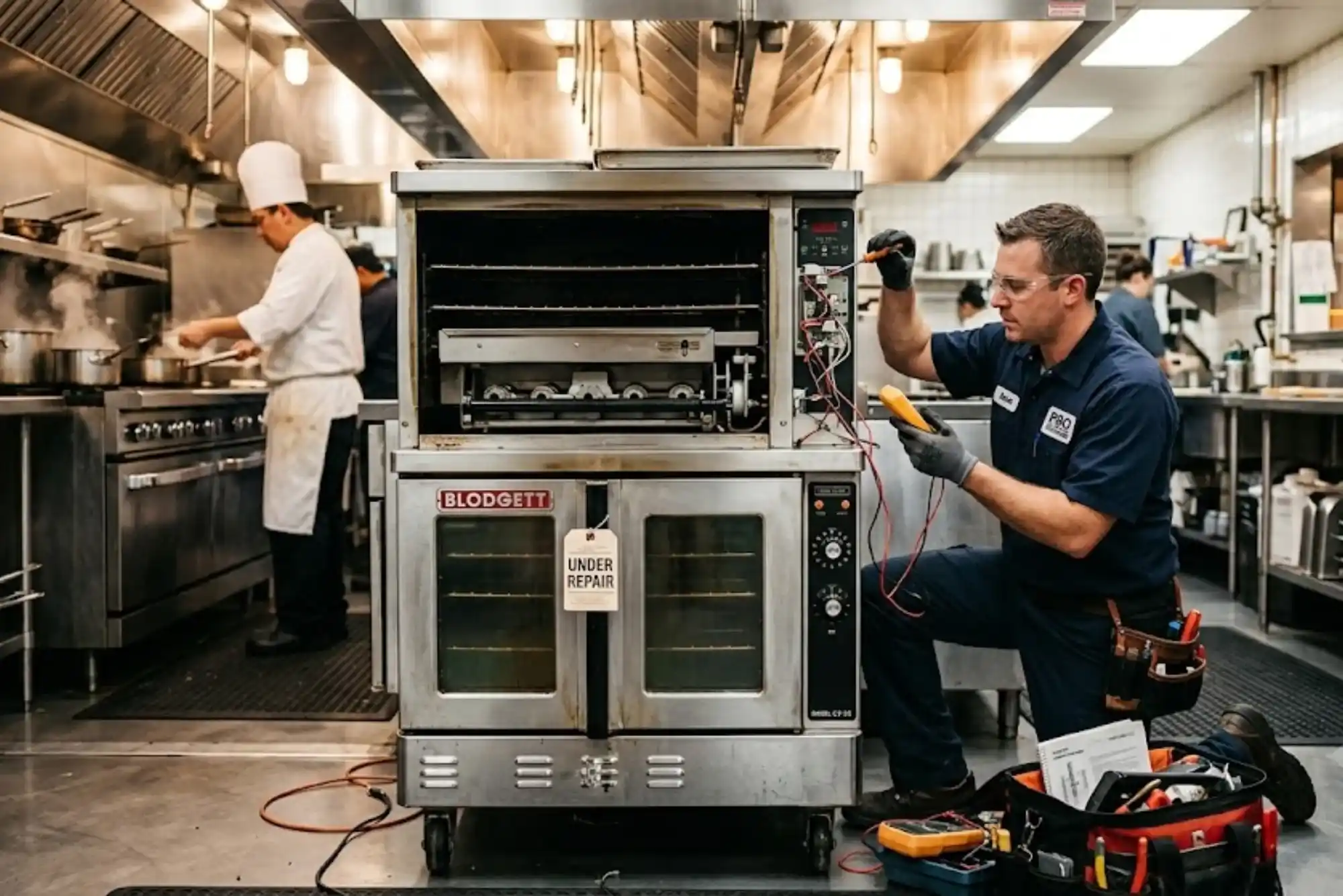
The cleaning process begins with disconnecting the oven from the power or gas source, ensuring safety. For gas burners, the removal of the burner head allows for direct access to all ports and surfaces. Food residue and grease deposits are carefully removed using appropriate cleaning solutions that are safe for metal and heat-sensitive components. Attention is given to small holes and openings to ensure that the flame can flow uniformly. In electric ovens, cleaning focuses on removing baked-on residue without damaging heating elements or electrical connections. After cleaning, the burner is thoroughly dried and inspected for corrosion, wear, or other defects before being reinstalled.
Efficiency Restoration Techniques
Efficiency restoration goes beyond simple cleaning. Once the burner is free of debris, technicians or skilled users may realign components to optimize gas or heat flow. In gas burners, adjusting the air-to-gas ratio can restore proper combustion, resulting in a stronger, more uniform flame. Electric oven efficiency can be improved by ensuring heating elements make full contact with necessary points and are free from obstructions. Professional maintenance often includes checking for leaks, testing flame patterns, and measuring temperature consistency to confirm that the oven operates at optimal levels.

Benefits of Professional Burner Maintenance
Engaging professionals for complete oven burner cleaning and efficiency restoration ensures that all components are handled safely and correctly. Professionals have the experience to detect early signs of wear, corrosion, or other potential failures that might go unnoticed by inexperienced users. Regular professional maintenance not only improves cooking performance but also extends the life of the oven. It reduces the risk of accidents related to gas leaks or electrical malfunctions and lowers energy consumption by ensuring the burner functions efficiently.
Preventive Measures for Sustained Efficiency
Even after thorough cleaning and restoration, ongoing care is essential to maintain optimal burner performance. Avoiding spills and promptly cleaning up any grease or food residues after cooking can reduce buildup. Using the correct cleaning agents for surfaces and components helps prevent corrosion. In gas ovens, routinely checking burner ports and flame patterns allows early detection of minor blockages before they become major problems. Adopting a maintenance routine is as important as the initial cleaning process itself and helps sustain efficiency over time.
Environmental and Cost Advantages
A burner that operates efficiently not only improves cooking outcomes but also contributes to energy savings. A clogged or poorly functioning burner requires more gas or electricity to reach desired temperatures, leading to higher utility bills. By restoring burner efficiency, homeowners can reduce energy consumption, minimize carbon footprint, and achieve more consistent results in cooking. Complete oven burner cleaning is, therefore, an investment in both household savings and environmental responsibility.
Common Misconceptions About Burner Cleaning
Some homeowners may believe that surface cleaning is sufficient for efficiency restoration. While wiping the burner may improve appearance, it does not address internal blockages or irregular flame distribution. Others assume that any cleaning product can be used on burners, risking corrosion or damage. Complete efficiency restoration involves thorough internal cleaning, inspection, and adjustment, making professional guidance or well-informed DIY techniques essential. Understanding these nuances helps prevent ineffective maintenance and ensures the oven remains safe and functional.
Safety Considerations
Handling burners, especially in gas ovens, requires careful attention to safety. Turning off the appliance, disconnecting power or gas supply, and using protective gloves are critical precautions. Professional cleaning and restoration services are trained to manage these risks, ensuring that the process does not introduce hazards such as gas leaks or accidental ignition. By prioritizing safety, homeowners can maintain their ovens effectively while avoiding unnecessary accidents.
The Long-Term Value of Burner Maintenance
Regular and thorough maintenance of oven burners directly influences the lifespan and reliability of the appliance. A burner that operates efficiently requires less fuel, experiences fewer breakdowns, and provides consistent performance over the years. This reduces the need for frequent repairs or premature replacement, translating into significant cost savings. By scheduling complete oven burner cleaning and efficiency restoration at recommended intervals, homeowners secure long-term benefits that extend well beyond immediate cooking improvements.
Conclusion
Complete oven burner cleaning and efficiency restoration are essential for anyone who values consistent cooking performance, safety, and energy savings. Burners accumulate residue over time, which can restrict flame flow, cause uneven cooking, and increase energy consumption. By recognizing the signs of inefficiency and addressing them through thorough cleaning and professional maintenance, ovens can operate at peak performance. Safety precautions, proper techniques, and routine care further enhance efficiency and extend appliance life. Whether undertaken by trained professionals or informed users, this process ensures that every meal is cooked with optimal results while promoting household safety and sustainability.