Air conditioning systems are no longer a luxury; they have become a basic necessity for comfort in homes, offices, and commercial spaces. When the air conditioner suddenly stops blowing cold air, it can disrupt daily life, especially in regions with hot climates. This issue is one of the most common problems reported by users, and although it might seem simple, it often involves a mix of electrical, mechanical, and environmental factors. Understanding how to fix this problem begins with knowing how an AC system works and what can cause it to lose its cooling ability.
An air conditioner functions by drawing warm air from the room, cooling it through a refrigeration process, and then circulating the cooled air back into the environment. This process depends on several components, including the compressor, evaporator coil, condenser, and refrigerant gas. When any of these elements fail to perform efficiently, the air conditioner stops producing cold air. Identifying the root cause is key to achieving an effective fix.
Understanding How Cooling Works in an Air Conditioner
Air conditioning is based on a cycle of heat absorption and release. The refrigerant absorbs heat from the indoor air as it passes through the evaporator coil, turning the liquid refrigerant into gas. The compressor then pressurizes this gas, sending it to the condenser coil where heat is expelled outside. Once cooled again, the refrigerant returns to its liquid state and the cycle repeats.
This process relies on precise coordination. Even a small fault in one of these stages can affect the system’s ability to cool. For example, if the refrigerant level drops or airflow is restricted, the system can no longer extract enough heat, causing warm air to circulate instead of cool air.
Common Reasons the AC Stops Blowing Cold Air
When an air conditioner is running but not cooling, several possible issues may be responsible. The most frequent problem is insufficient refrigerant, often caused by leaks. Without the correct amount of refrigerant, the system cannot absorb enough heat, leading to lukewarm or even hot air being released. Another possible reason is a dirty air filter. When the filter is clogged, airflow becomes restricted, preventing the cooling cycle from functioning properly.
Electrical faults are another major cause. The compressor or fan motor may not be receiving adequate power, or the capacitor that provides the initial electrical charge might be defective. Faulty thermostats can also send incorrect temperature signals, making the system shut off before reaching the desired cooling level.

Mechanical issues, such as a broken fan or damaged blower motor, also interfere with airflow. When the fan blades cannot circulate air effectively across the evaporator coil, the cooling process is disrupted. Over time, dust buildup or lack of maintenance can make these problems worse.
Diagnosing the Problem
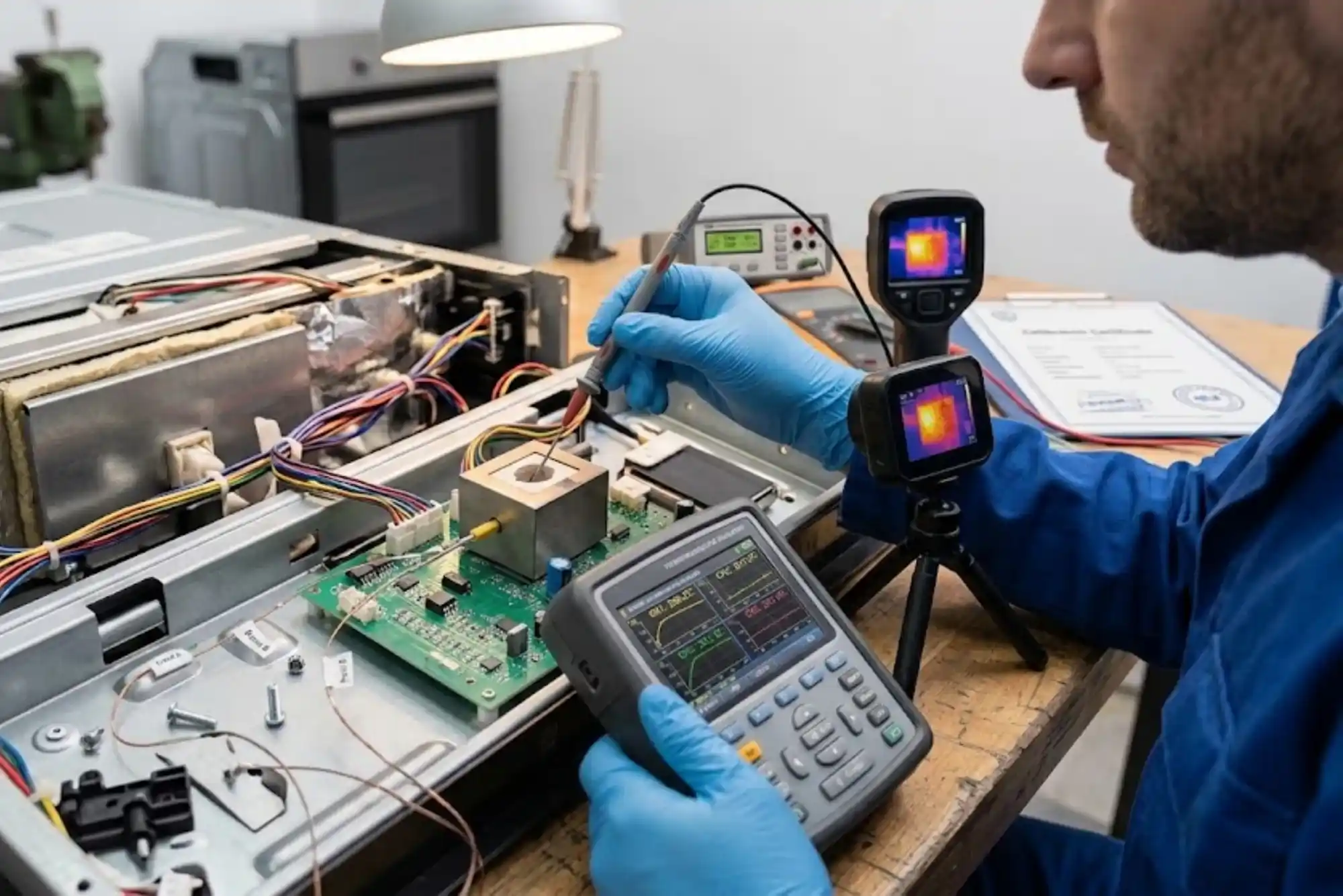
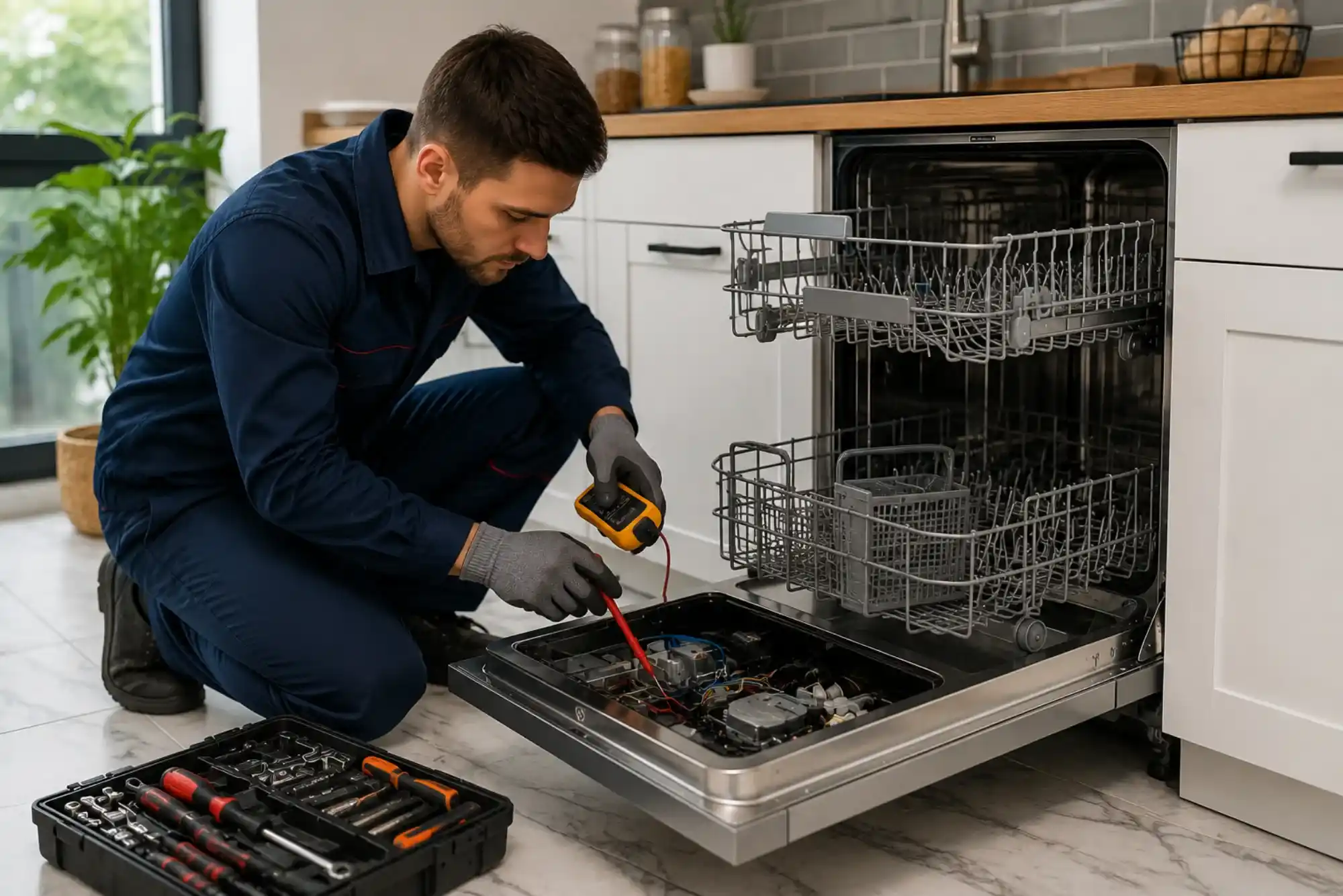
Finding out why an AC is not blowing cold air requires proper diagnosis. Checking simple factors like thermostat settings, circuit breakers, and filters can help, but deeper inspection should be done by professionals. A trained technician uses tools to measure refrigerant pressure, inspect coils, test electrical circuits, and evaluate compressor function. This ensures the issue is identified accurately rather than relying on guesswork.
In some cases, multiple small issues combine to create a larger problem. For instance, a low refrigerant level may be caused by a slow leak, while a dirty condenser coil may further reduce cooling efficiency. Proper diagnosis ensures the real cause is fixed instead of just the symptom.
The Importance of Professional Servicing
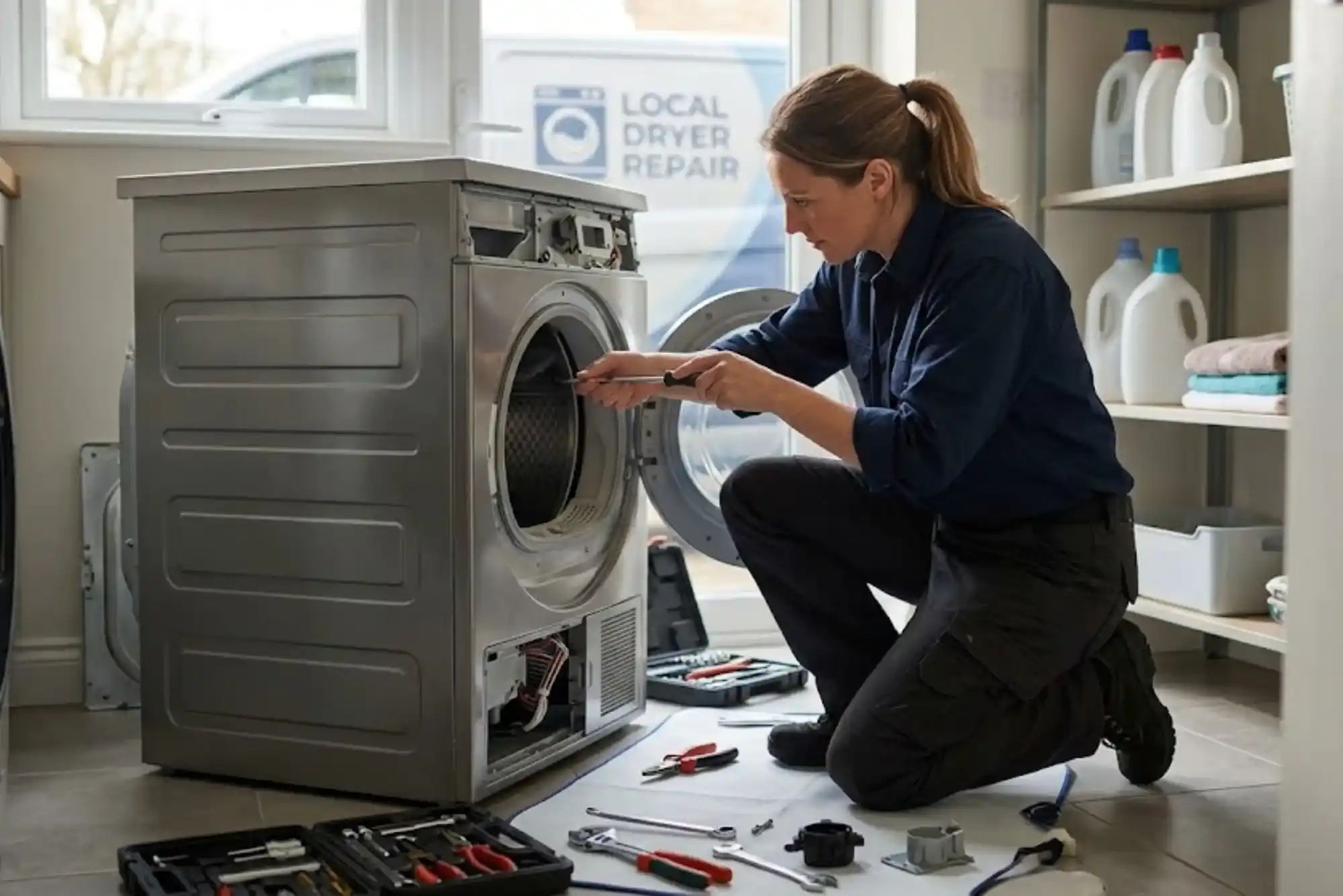
Air conditioning systems are complex devices that require technical expertise. Attempting to fix them without proper tools or knowledge can be dangerous and may result in additional damage. Professional servicing ensures every component is inspected, cleaned, and tested. Technicians can also detect potential issues before they become serious, saving time and cost in the future.
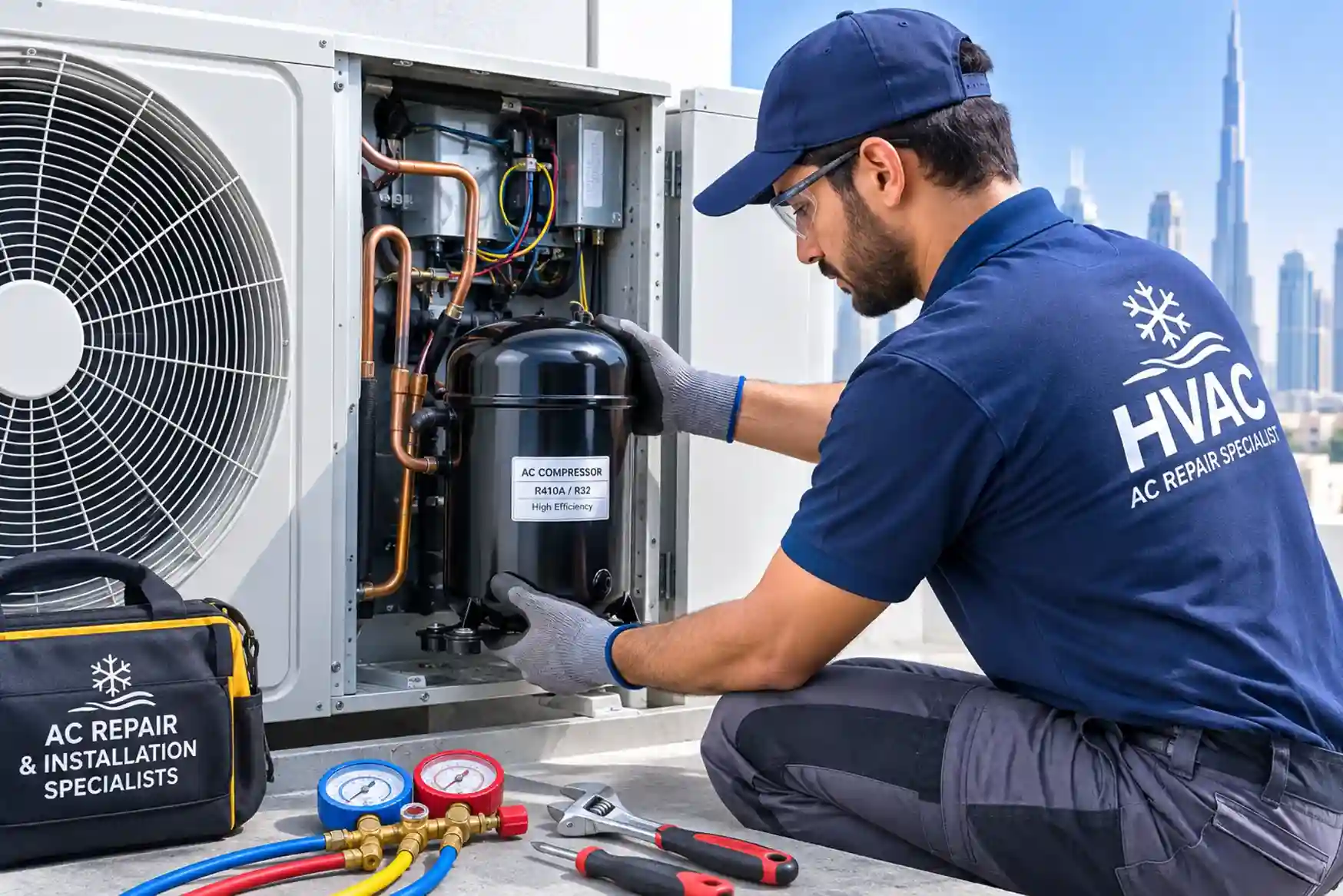
A qualified technician can refill refrigerant safely, repair leaks, clean coils, and replace faulty electrical parts. They also test the air pressure and temperature differential to confirm that the cooling cycle has been restored. Regular servicing keeps the AC running efficiently and prevents the problem of warm air from recurring.
How Maintenance Prevents Cooling Issues
Most AC problems, including the failure to blow cold air, occur due to lack of maintenance. Dust, dirt, and debris gradually accumulate in filters, coils, and ducts, obstructing airflow. Routine cleaning and maintenance ensure that these components remain clear and functional. Technicians also lubricate moving parts, check fan belts, and test sensors during maintenance visits, keeping the system reliable throughout the year.
In regions with high humidity or heavy AC usage, such as the Middle East or coastal cities, maintenance becomes even more crucial. Salt, sand, and moisture can corrode coils and reduce efficiency. A well-maintained AC unit not only delivers cooler air but also consumes less electricity, leading to lower utility bills.
When to Seek Professional Repair
If the air conditioner continues to run but still does not cool, or if unusual noises, water leakage, or foul smells are noticed, it is time to call a professional repair service. These signs usually indicate internal problems that require expert attention. Trying to fix them at home can lead to gas leaks, short circuits, or complete system failure.
Technicians have the expertise to handle refrigerant safely, repair or replace damaged compressors, and ensure the system is restored to factory-level performance. A reliable repair service inspects the entire system, including ducts, fans, and wiring, to make sure every part functions harmoniously.
The Role of Technology in Modern AC Repair
Advancements in technology have improved both the design and repair of air conditioners. Smart diagnostics allow technicians to identify faults through system error codes or specialized testing equipment. Modern AC units are equipped with sensors that monitor temperature, pressure, and airflow in real time, making repairs more precise.
Professional repair companies use digital gauges, leak detectors, and infrared thermometers to pinpoint inefficiencies. This combination of experience and technology ensures that problems such as an AC not blowing cold air are resolved quickly and accurately, reducing downtime and preventing recurrence.
Restoring Efficiency and Comfort
Once the problem is identified and repaired, restoring the air conditioner’s cooling performance is straightforward. Cleaning the coils, replacing filters, repairing leaks, or recharging refrigerant all contribute to improving cooling power. After service, the air conditioner should deliver consistent and efficient performance, maintaining the desired indoor temperature.
Restoring efficiency also means ensuring that all air vents and ducts are unobstructed. Proper airflow is vital for cooling effectiveness. When every part of the system functions in harmony, energy consumption decreases, and comfort levels rise significantly.
Why Regular AC Maintenance Matters
Regular maintenance is not just about fixing issues but about preventing them altogether. An air conditioner that receives timely care will run longer, perform better, and encounter fewer problems. Routine inspections keep refrigerant levels stable, electrical components safe, and airflow balanced.
Ignoring early signs of trouble can lead to costly repairs or replacements. By scheduling professional maintenance once or twice a year, homeowners can avoid sudden breakdowns during peak summer months. Clean coils, proper refrigerant pressure, and well-functioning fans ensure the air conditioner remains reliable when it is needed the most.
Conclusion
An air conditioner that fails to blow cold air can turn comfort into discomfort very quickly. The causes may range from simple maintenance issues to complex mechanical faults, but the solution always lies in accurate diagnosis and timely repair. Regular servicing and professional attention are the key to maintaining optimal performance.
With proper care, your air conditioning system will continue to provide efficient cooling for many years. It is essential to remember that prevention is always better than repair, and an air conditioner maintained regularly is far less likely to stop cooling unexpectedly. A reliable and efficient AC not only keeps your living spaces comfortable but also improves air quality and energy efficiency, ensuring a healthier and more pleasant environment year-round.