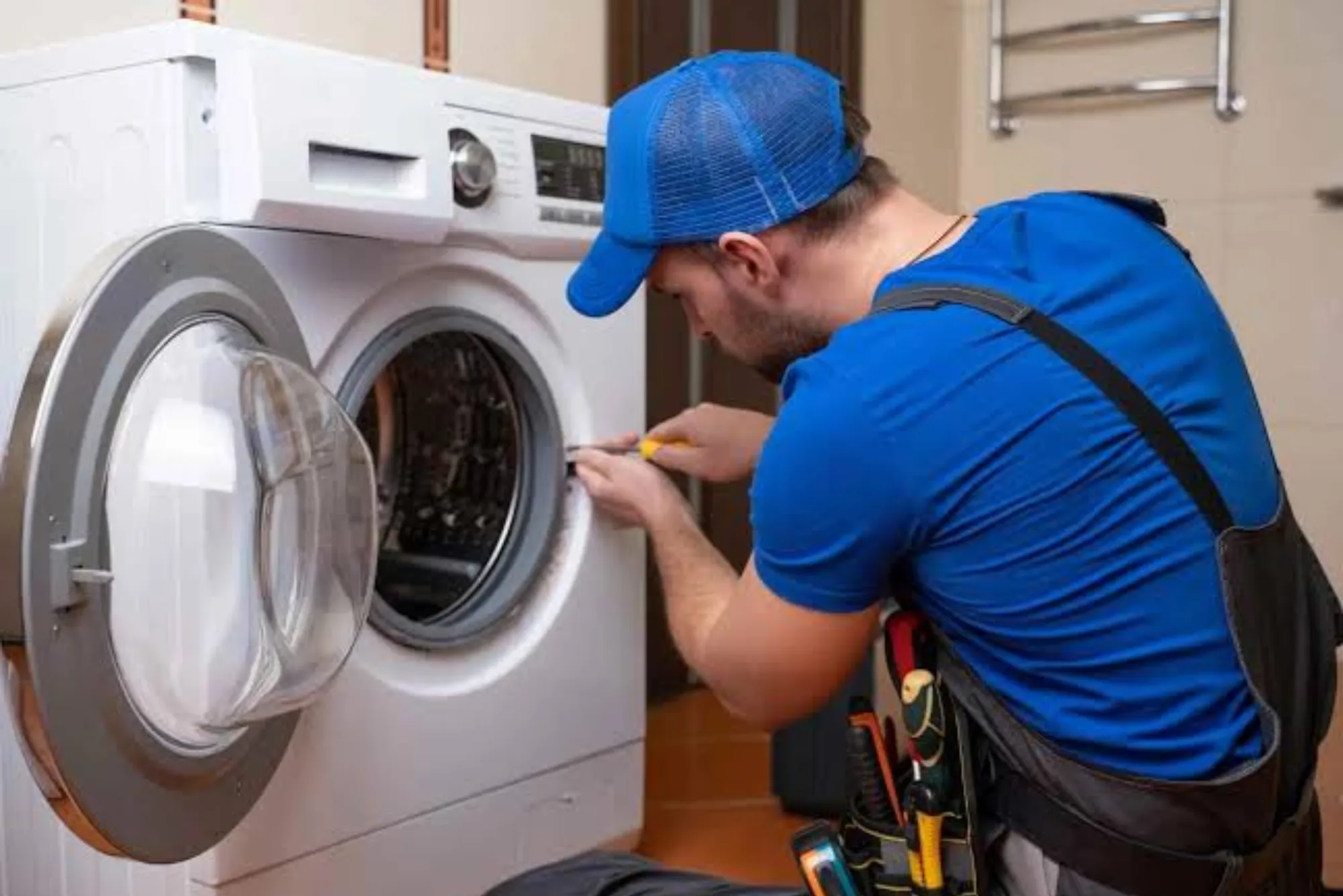
Washing machines have become an essential part of modern households, saving time and effort while ensuring clothes are cleaned efficiently. However, like any other appliance, they are prone to wear and tear over time. One of the most common issues that can stop a washing machine from functioning properly is a faulty or broken drive belt. The drive belt plays a critical role in transferring power from the motor to the drum, allowing the washing machine to agitate and spin. When this component becomes damaged, your appliance may fail to spin, produce unusual noises, or stop working altogether. Knowing how to replace a washing machine drive belt can save you the expense of hiring a technician while giving you confidence in handling appliance maintenance.
This comprehensive guide will walk you through everything you need to know about the drive belt, from identifying symptoms of wear to the tools required and the detailed process of replacement. By the end, you will understand how to approach the task safely and effectively, ensuring your washing machine continues to serve you reliably.
Understanding the Role of the Drive Belt
The drive belt is a flexible loop, usually made of rubber, designed to withstand tension and friction. It connects the motor pulley to the drum pulley, transferring energy that makes the drum rotate during the wash and spin cycles. Over time, belts can stretch, fray, or snap due to regular usage, heavy loads, or exposure to excessive heat. Without a functioning drive belt, the motor may still run, but the drum will remain stationary, rendering the washing machine ineffective.
Understanding the importance of this small yet vital component highlights why regular inspection and timely replacement are necessary. Neglecting a worn-out belt can lead not only to inefficient washing cycles but also to strain on the motor and other parts, potentially causing more expensive repairs in the long run.
Common Signs of a Faulty Drive Belt
Before attempting replacement, it is essential to confirm whether the drive belt is the root cause of your washing machine problem. Some of the most common signs include:
- The drum fails to spin or agitate even though the machine fills and drains water normally.
- A squealing, thumping, or grinding noise is heard during the wash or spin cycle.
- A burning rubber smell emerges from the back or underside of the appliance.
- Upon inspection, the belt appears cracked, frayed, loose, or completely broken.
If any of these symptoms are present, it is highly likely that the drive belt needs to be replaced.

Preparing for the Replacement
Before beginning the replacement process, preparation is key to ensuring safety and efficiency. The first step is to disconnect the washing machine from the power supply. Appliances can pose electrical hazards, and working with moving parts makes this step non-negotiable. Next, shut off the water supply to avoid accidental leaks while moving or tilting the machine.
Gather the necessary tools before you start. Typically, you will need a screwdriver set, a socket wrench, pliers, and the replacement drive belt specific to your washing machine model. Having a flashlight on hand can also be helpful to improve visibility in the often dark interior of the machine’s cabinet.
Consult the manufacturer’s manual or online resources to find the correct belt size and model for your machine. Using the wrong belt can lead to improper tension, causing inefficiency or further damage.
Accessing the Drive Belt
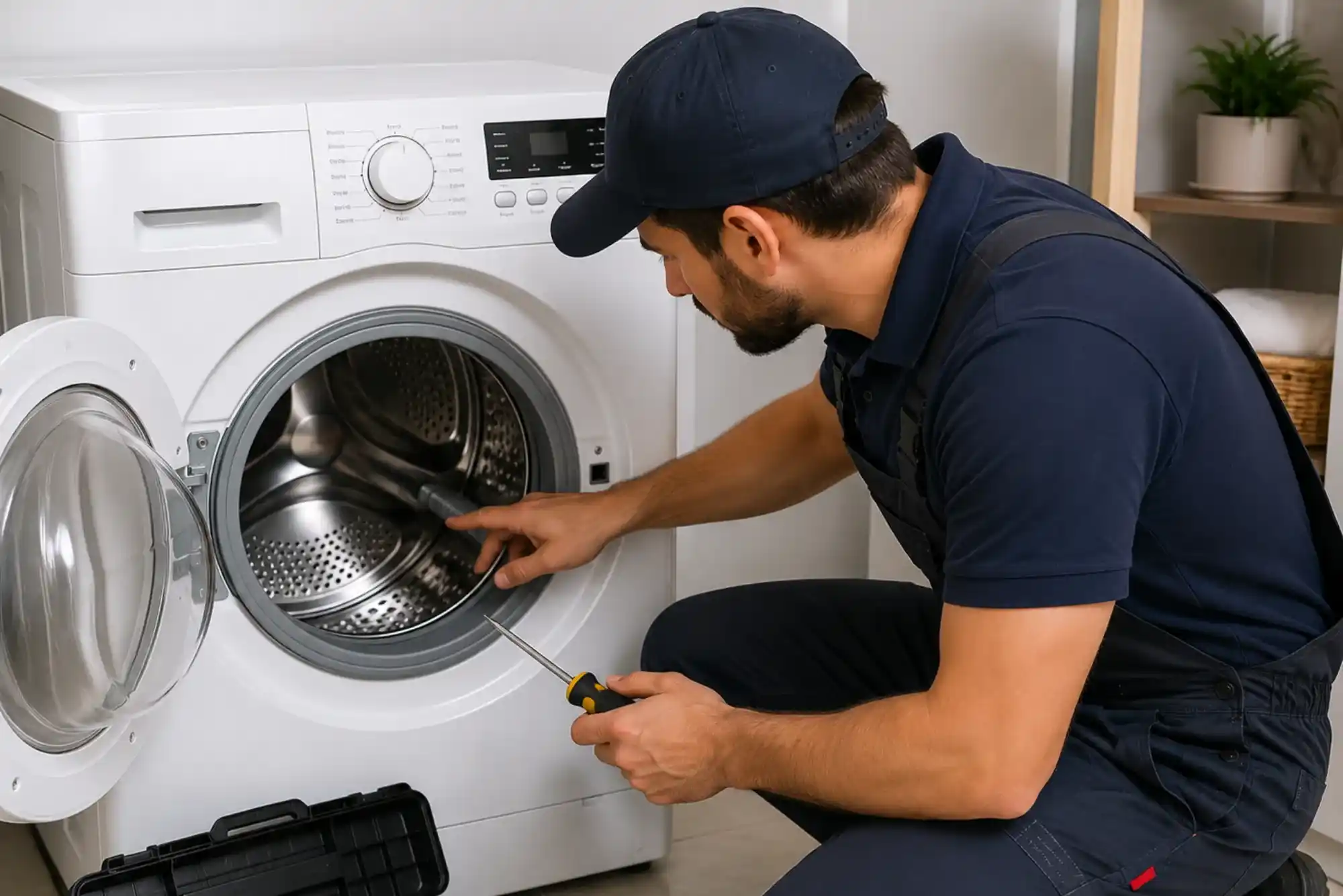
Access to the drive belt varies depending on the design of your washing machine. For front-loading machines, the belt is usually located at the back, making it accessible by removing the rear panel. Top-loading models may require removal of the front or side panels.
Once you determine the panel that provides access, use the appropriate screwdriver or socket wrench to carefully remove the screws securing it. Place the screws in a safe container to avoid misplacement. Gently detach the panel, taking care not to damage any wiring or connections. At this point, the belt and pulleys should be visible.
Removing the Old Drive Belt
After locating the belt, inspect it to confirm its condition. If it is broken, you may find it hanging loose or completely detached from the pulleys. To remove it, gently pull it off the motor pulley and drum pulley. In some cases, the belt may still be intact but stretched. In such situations, carefully roll it off the pulleys while rotating the drum slowly by hand.
Check the pulleys for dirt, grease, or wear before installing the new belt. Cleaning these areas with a dry cloth will help ensure a smooth installation and prevent slippage. If the pulleys appear damaged, they may also need replacement to guarantee optimal performance.
Installing the New Drive Belt
Fitting the new drive belt requires attention to alignment and tension. Begin by looping the belt around the motor pulley first. Then, carefully stretch it over the drum pulley while rotating the drum slowly to help the belt slide into place. The belt should sit snugly in the pulley grooves without twisting or misalignment.
Check the tension by pressing lightly on the belt. It should feel firm with minimal slack. If it appears loose or overly tight, verify that you are using the correct size for your model. Improper tension can reduce efficiency and cause premature wear.
Once properly installed, rotate the drum manually several times to ensure the belt moves smoothly without slipping off. This step helps confirm alignment before reassembling the machine.
Reassembling the Washing Machine
With the new belt in place, it is time to reattach the panel you removed earlier. Carefully align it and secure it with the screws you set aside. Make sure all fasteners are tightened evenly to prevent vibration or rattling during operation.
Reconnect the water supply hoses and ensure there are no leaks. Plug the washing machine back into the electrical outlet. Before running a full load, perform a test cycle with a small number of clothes or even just water. Listen carefully for unusual noises and observe whether the drum spins smoothly.
Safety Considerations During Replacement
While replacing a washing machine drive belt is generally straightforward, safety should never be compromised. Always disconnect the appliance from power and water before starting. Wear protective gloves to avoid cuts from sharp edges inside the cabinet. If at any point you feel unsure about the procedure, do not hesitate to consult a qualified technician.
Additionally, always ensure you are using genuine replacement parts. While cheaper alternatives may seem appealing, they may not meet the required specifications, leading to frequent breakdowns or damage to other components.
Maintenance Tips to Extend Belt Life
Once you have replaced the drive belt, adopting proper maintenance habits can help extend its lifespan. Avoid overloading the washing machine, as heavy loads put extra strain on the belt and motor. Regularly clean lint, dirt, and detergent residue from the machine to prevent unnecessary friction. Periodically check the belt for early signs of wear and replace it before it fails completely.
Ensuring proper leveling of your washing machine also reduces unnecessary vibration that can cause the belt to stretch or slip prematurely. By practicing these preventive measures, you can maximize efficiency and reduce the likelihood of unexpected breakdowns.
When to Call a Professional
While many homeowners can successfully replace a washing machine drive belt on their own, some situations may require professional intervention. If you encounter persistent issues such as the belt repeatedly slipping off, abnormal noises even after replacement, or visible damage to pulleys and bearings, a trained technician can provide a thorough inspection and repair.
Replacing a washing machine drive belt is a practical skill that empowers you to maintain one of your most important household appliances. While it requires patience, attention to detail, and the right tools, it is by no means an unachievable task for the average homeowner. By understanding the role of the drive belt, recognizing signs of wear, and following a careful step-by-step process, you can restore your washing machine to full functionality without the expense of professional service.
Regular inspection and proper care will not only keep your washing machine running smoothly but also extend its overall lifespan. Whether you are motivated by cost savings, sustainability, or self-reliance, learning to replace a washing machine drive belt is a valuable skill worth mastering.
NOTE:
New to the UAE banking system? This article explains required documents and timelines for Fab bank account opening online.