The dishwasher is one of the most valued appliances in any modern kitchen, offering convenience and efficiency for daily cleaning tasks. One of its most crucial components is the heating element, responsible for heating water during the wash cycle and drying dishes afterward. Over time, the heating element can wear out, become corroded, or stop functioning altogether.
When this happens, you may notice that your dishes remain wet after a cycle or that the water isn’t heating as it should. Replacing the heating element can restore your dishwasher’s efficiency and save you from costly repairs or the need to buy a new appliance. In this detailed guide, we will explain everything you need to know about replacing a dishwasher heating element, from recognizing the signs of a faulty element to safely completing the installation process.
Understanding the Role of a Dishwasher Heating Element
The heating element in a dishwasher serves two primary functions: raising the water temperature for effective cleaning and sanitizing, and helping to dry dishes once the wash cycle is complete. Hot water is essential for breaking down grease, food residues, and bacteria. Without a functioning heating element, the dishwasher may still run but will fail to provide the same cleaning quality, leaving dishes dirty or with spots.
Additionally, the drying process will be incomplete, often resulting in wet plates and utensils. A malfunctioning heating element can be frustrating, but it is also an opportunity to perform a straightforward replacement that can extend the lifespan of your appliance.
Signs That Your Dishwasher Heating Element Needs Replacement
Before attempting to replace the heating element, it is important to be certain that it is the source of the problem. Common symptoms include dishes coming out cold and wet after a cycle, the absence of steam during operation, or a cycle that takes longer than usual because the appliance is struggling to reach the correct temperature.
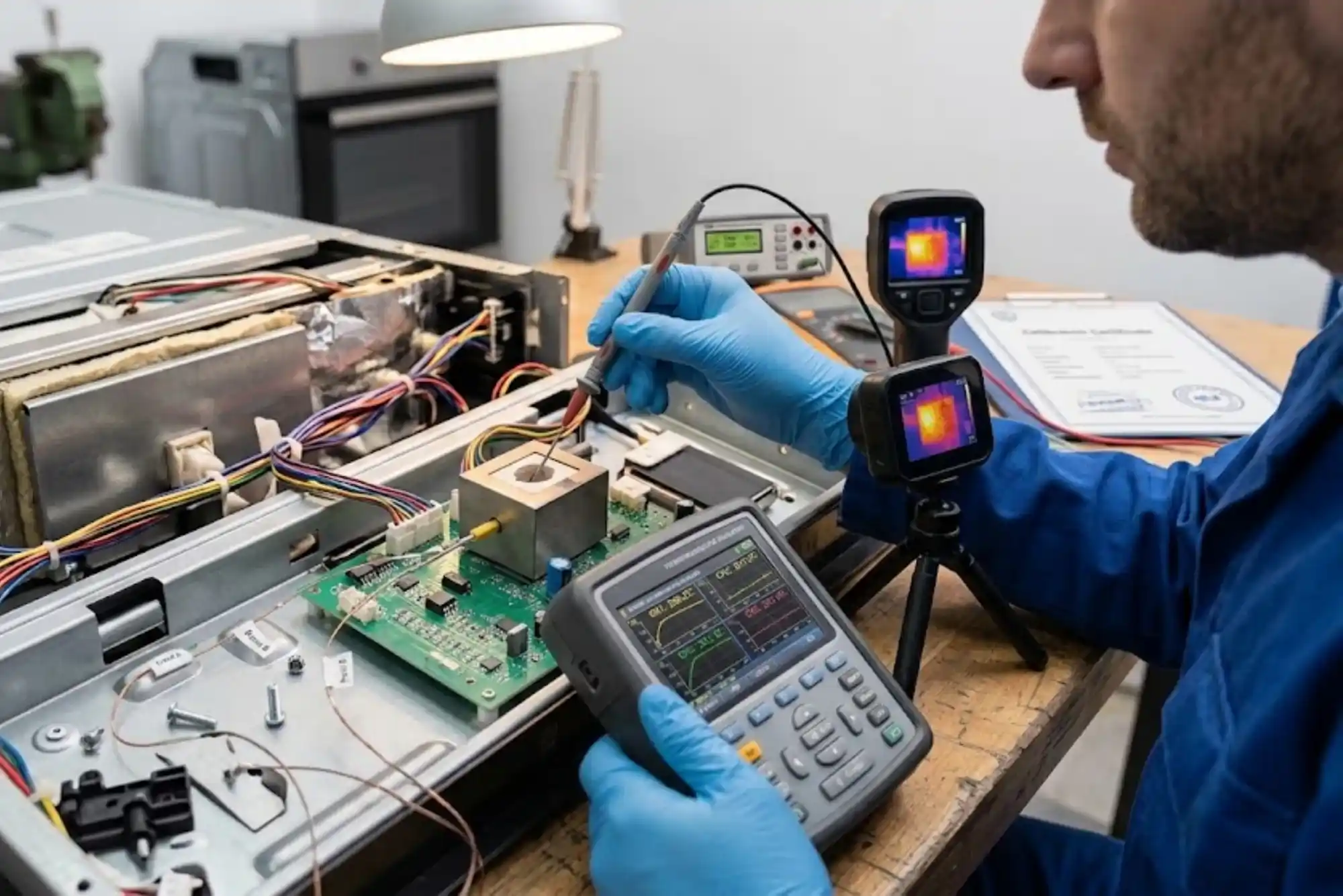
Sometimes, a visual inspection will reveal discoloration, cracks, or scaling on the element itself. In more technical cases, using a multimeter to test electrical continuity can confirm whether the heating element is functioning. If there is no continuity, it means the element is broken and must be replaced.

Preparing for the Replacement Process
Replacing a dishwasher heating element is not overly complicated, but it does require preparation to ensure both safety and efficiency. Always begin by disconnecting the appliance from its power source, either by unplugging it or turning off the circuit breaker.
Water supply to the dishwasher should also be turned off to prevent leaks during the process. It is recommended to consult your dishwasher’s user manual for the model-specific location of the heating element and any manufacturer guidelines. Having the right tools on hand, such as screwdrivers, pliers, and a replacement heating element that matches your model, will make the task easier and faster.
Accessing the Heating Element
The heating element is typically located at the bottom of the dishwasher tub. In most models, you can access it from inside the dishwasher by removing the lower dish rack and any protective cover. However, some designs require you to work from underneath the appliance, which may involve removing the dishwasher from its cabinet space.
This is why it is important to have the correct replacement part beforehand; the shape, size, and connection type must match your dishwasher model to ensure proper fit and performance. Care should be taken when handling internal components to avoid damaging wiring, seals, or other parts of the dishwasher.
Removing the Faulty Heating Element
Once you have located the heating element, the removal process begins with detaching the wires connected to it. In most cases, these wires are secured with simple slip-on connectors, which can be carefully pulled off using pliers. Be sure to note the original wiring positions or take a photo for reference when reassembling.
The element itself is often held in place by mounting nuts or clips accessible from the underside of the appliance. Gently loosening these fasteners will allow you to lift the element out from inside the tub. While this step might sound simple, patience is key to avoid bending or scratching the dishwasher’s interior.
Installing the New Heating Element
Before placing the new heating element, inspect the mounting area and seals for any signs of wear or residue that might prevent a secure fit. Position the new element exactly where the old one was seated, aligning the terminals through the designated holes. From underneath the dishwasher, secure the element with the appropriate nuts or clips, ensuring it is firmly in place. Reattach the wires in the same configuration as before. A loose connection could lead to poor performance or even electrical hazards, so it is important to double-check that everything is tight and correctly positioned before proceeding.
Testing the Installation
With the new heating element installed, it is time to test the appliance. Reconnect the water supply and power, then run a short cycle to ensure that the dishwasher heats water properly and dries dishes as expected. Watch for any signs of leaks from the bottom of the appliance, and listen for unusual noises that might indicate a misaligned component. If everything appears normal, the replacement has been successful, and your dishwasher should now operate at peak efficiency.
Maintenance Tips to Extend Heating Element Life
A dishwasher heating element can last for many years with proper care. Regularly cleaning the appliance to remove mineral deposits, food particles, and detergent buildup will help maintain optimal performance. Using the right detergent and ensuring water hardness levels are balanced can also prevent scaling on the element. Additionally, avoid overloading the dishwasher, as this can restrict water circulation and strain internal components. By following these simple practices, you can delay future replacements and keep your dishwasher running smoothly.
When to Call a Professional
While replacing a dishwasher heating element is often a manageable task for those comfortable with basic tools, not everyone has the time, experience, or confidence to perform the repair. If your dishwasher is still under warranty, attempting the repair yourself could void the coverage. In such cases, or if you encounter complex wiring or plumbing issues, it is best to call a professional technician. They have the expertise and tools to carry out the repair quickly and safely, ensuring your appliance is restored without further damage.
A faulty heating element can significantly reduce your dishwasher’s performance, leaving dishes dirty or wet after a cycle. Fortunately, with the right preparation, tools, and step-by-step care, replacing the heating element is a task that can be completed at home, saving both time and money.
By recognizing the early signs of wear, taking safety precautions, and installing the replacement correctly, you can restore your dishwasher’s efficiency and extend its service life. Whether you choose to tackle the replacement yourself or call in a professional, understanding the process empowers you to make the best decision for your household and keep your kitchen running smoothly.