If you’ve been noticing that your electricity bills keep creeping higher every summer, or your air conditioner struggles to keep your home comfortable, it might be time to think about making a change. As someone who has gone through the process of upgrading my own cooling system, I can tell you firsthand—it’s not just about getting a new unit. It’s about making a smart, long-term investment in your home’s comfort and your wallet’s health.
Upgrading to a more energy-efficient AC is one of the most impactful home improvements you can make. Modern air conditioners aren’t just slightly better than the models from a decade ago; they’re in a whole different league when it comes to performance, durability, and efficiency. In this guide, I’ll walk you through the process, share some real-world considerations you may not have thought about, More Energy‑Efficient AC, and help you avoid common pitfalls.
Understanding Why Energy Efficiency Matters
Before diving into the “how,” it’s worth understanding the “why.” An energy-efficient air conditioner uses less electricity to achieve the same—or better—cooling performance compared to older models. This means you’ll save money every month, but there’s more to it than just the bills.
A modern AC can significantly reduce your home’s carbon footprint. It will also provide more consistent temperatures, better humidity control, and quieter operation. Many homeowners don’t realize that an outdated system could be overworking itself just to keep up, costing you more than it should in repairs and power consumption.
When I upgraded my AC, my energy bill dropped noticeably in the very first month. The quieter operation and even cooling were an unexpected bonus I didn’t think I’d appreciate as much as I did.
Assessing Your Current System
Before you start looking at new models, take a close look at what you already have. How old is your unit? Most AC systems have a lifespan of 10–15 years, but efficiency often starts to drop after about 8–10 years. If your system uses outdated refrigerants like R-22 (Freon), you’ll eventually need to replace it anyway, Post Category, since those chemicals are no longer being produced.

It’s worth having an HVAC professional perform an energy audit. They can tell you your system’s current Seasonal Energy Efficiency Ratio (SEER) rating and how it stacks up against today’s models. Even if your unit is still working, you might be shocked by how much energy you could be saving with an upgrade to a more energy-efficient AC.
Choosing the Right Energy-Efficient Model
This is where the fun—and sometimes overwhelming—part begins. There are countless brands, models, and configurations, and the right choice depends on your home size, climate, and budget. One of the first things you’ll hear about is SEER ratings. This is the standard efficiency measurement for air conditioners, and the higher the number, the better the efficiency.
In many parts of the US, the minimum SEER rating for new units is now 14 or higher, but some premium models can reach SEER ratings of 20 or more. While higher SEER units often come with a bigger upfront price tag, they can pay for themselves over time in energy savings.
When I was shopping, I considered not just the SEER rating, but also features like variable-speed compressors, which allow the AC to adjust output based on demand. That means fewer temperature swings and less wasted energy.
Considering the Whole Home
Upgrading your AC isn’t just about swapping out the outdoor unit. Your ductwork, insulation, and even your thermostat play a role in how efficiently your system operates. Leaky ducts can waste up to 30% of your cooling energy, so it makes sense to address those issues before or during the upgrade.
I discovered that some of my older duct runs in the attic were poorly insulated. Fixing that before installing the new system meant I got the full benefit of my upgrade right away. Likewise, switching to a smart thermostat helped me fine-tune my cooling schedule, ensuring my AC wasn’t working when nobody was home.
The Installation Process
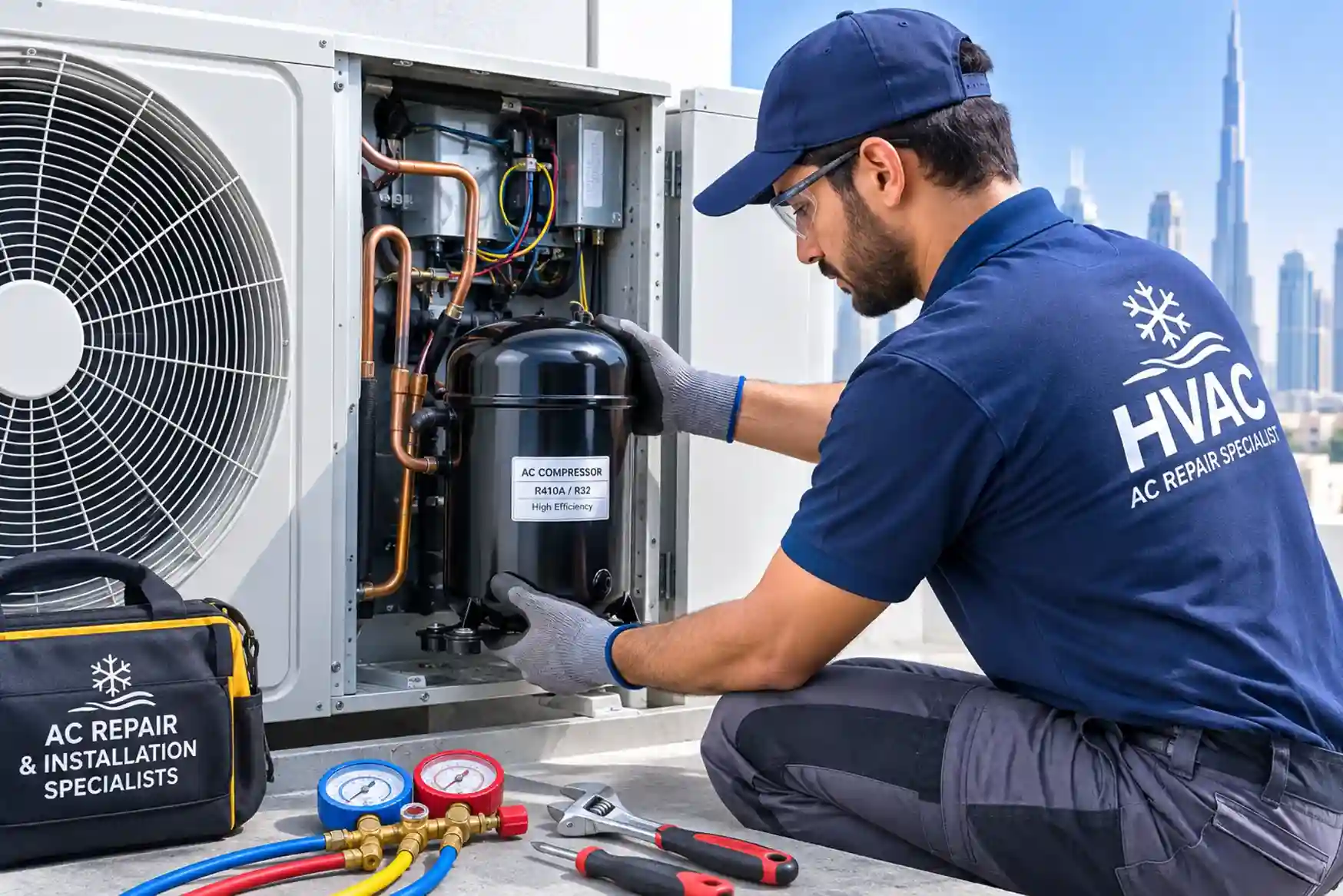
Professional installation is non-negotiable when you want the best performance from a more energy-efficient AC. Even the highest-rated unit will perform poorly if it’s not sized and installed correctly. An HVAC technician will do a load calculation, which factors in your home’s size, layout, insulation, and even window placement, to determine the ideal system size.
I’ve seen people make the mistake of thinking “bigger is better” when it comes to AC. In reality, an oversized unit will cool the air too quickly without removing enough humidity, leaving your home feeling damp and uncomfortable. On the other hand, an undersized unit will constantly run, wearing out faster and failing to keep up on the hottest days.
Costs and Long-Term Savings
The cost of upgrading to a more energy-efficient AC can vary widely based on size, brand, and features, but think of it as an investment. Over the life of the system, you’ll save on energy bills, and you may even qualify for rebates or tax credits. Many utility companies offer incentives for installing high-efficiency systems, and federal programs sometimes provide additional savings.
When I ran the numbers on my own upgrade, the projected energy savings covered the price difference between a standard unit and a high-efficiency model in just over three years. After that, the savings were pure profit, and I was enjoying a cooler, quieter home.
Maintaining Your New AC for Maximum Efficiency
Once you’ve made the switch, protecting your investment is key. Regular maintenance—changing filters, cleaning coils, checking refrigerant levels—will keep your new AC running at peak efficiency. Skipping maintenance can cause your unit to work harder than necessary, undoing many of the benefits of the upgrade.
I like to schedule a professional tune-up every spring, just before cooling season starts. It’s a small expense compared to the peace of mind that comes from knowing my system is running smoothly.
Making the Decision
Upgrading to a more energy-efficient AC isn’t just about replacing old equipment. It’s about improving your home’s comfort, lowering your environmental impact, and making a smart financial move. If your current AC is more than a decade old, struggles to keep up, or drives up your energy bills, it might be time to start researching your options.
The process can feel daunting at first, but once you understand the benefits, assess your current setup, and choose the right model for your needs, it becomes a straightforward—and ultimately rewarding—home improvement.
From personal experience, I can say that making the move was one of the best upgrades I’ve done for my home. The lower bills were nice, but the real joy came from a house that stayed cool and comfortable, no matter how high the summer temperatures climbed.